Attempting to Make an Magnesium Alloy Graphite Salt Battery (failed...)
by SHOE0007 in Circuits > Electronics
137 Views, 0 Favorites, 0 Comments
Attempting to Make an Magnesium Alloy Graphite Salt Battery (failed...)


I am trying to produce 20-100 ma per gram of Mg (magnesium) in soil salt water. A reading of 5 volts, 30 ma was recorded without any salt water added. The salt water and contact with mg was an issue.
However, the salt water rapidly reduced the voltage from 5 volts to 4 volts in 2 minutes. After 5 minutes, the voltage was 3 volts. After 13 minutes, it was less than 2.93 volts. The current was too small to read. Around 9 ma.
roughly.
I think the salt electrolytes were an issue. Keeping the water distilled with 1-5 g of sea salt would be a better choice.
Magnesium batteries can power LEDs in places with no electricity, like in Africa. That was one of the goals of mine to see if enough power could activate a DC to DC converter it could not but that still neat.
Also the concentration of 20 grams of salt per L was probably too high try to reduce it to 1 gram to 5 grams sea salt per L.
Supplies
Here are some of the things needed for this project to work well. The issue with the clamps should had the Mg bar at 6 cm. I will show an Excel graph in this Instructables. Note that the current is too low for the voltage regulator to work!!
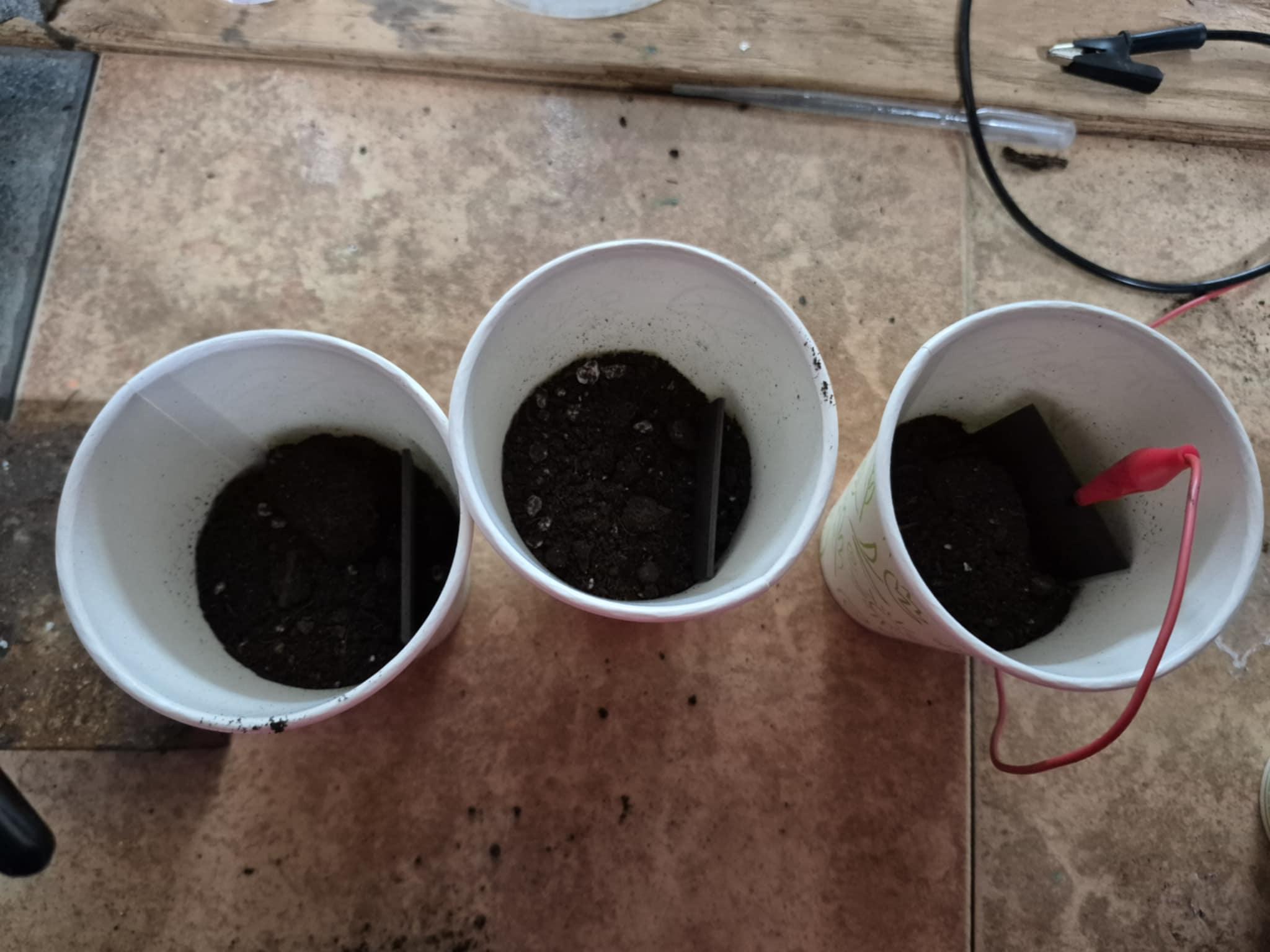
Plastic cups.
Graphite sticks 2.5 cm by 2.5 cm.
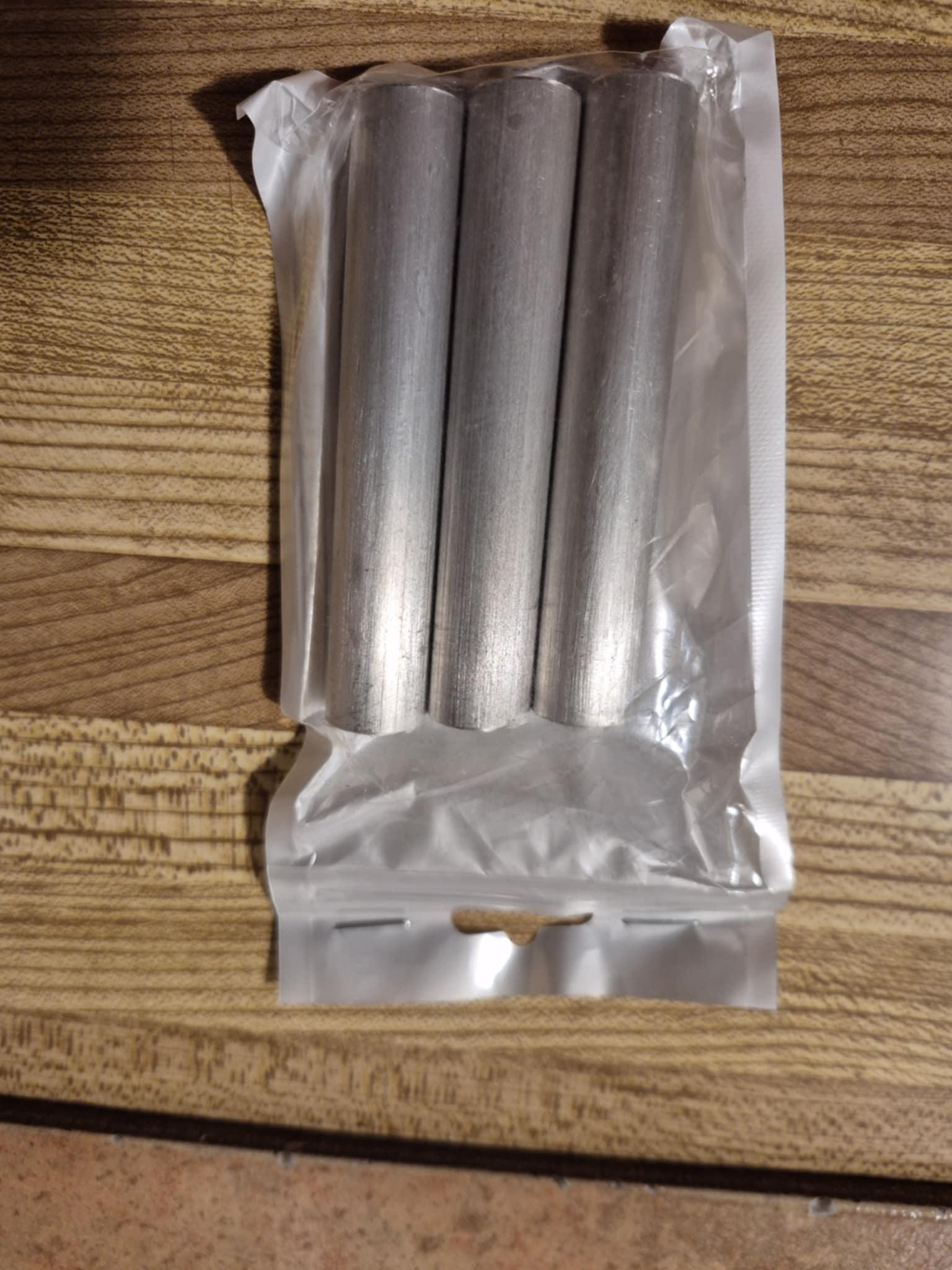
Magnesium alloy bars (fire starters from amazon).
Chemicals
Ethanol.
Water.
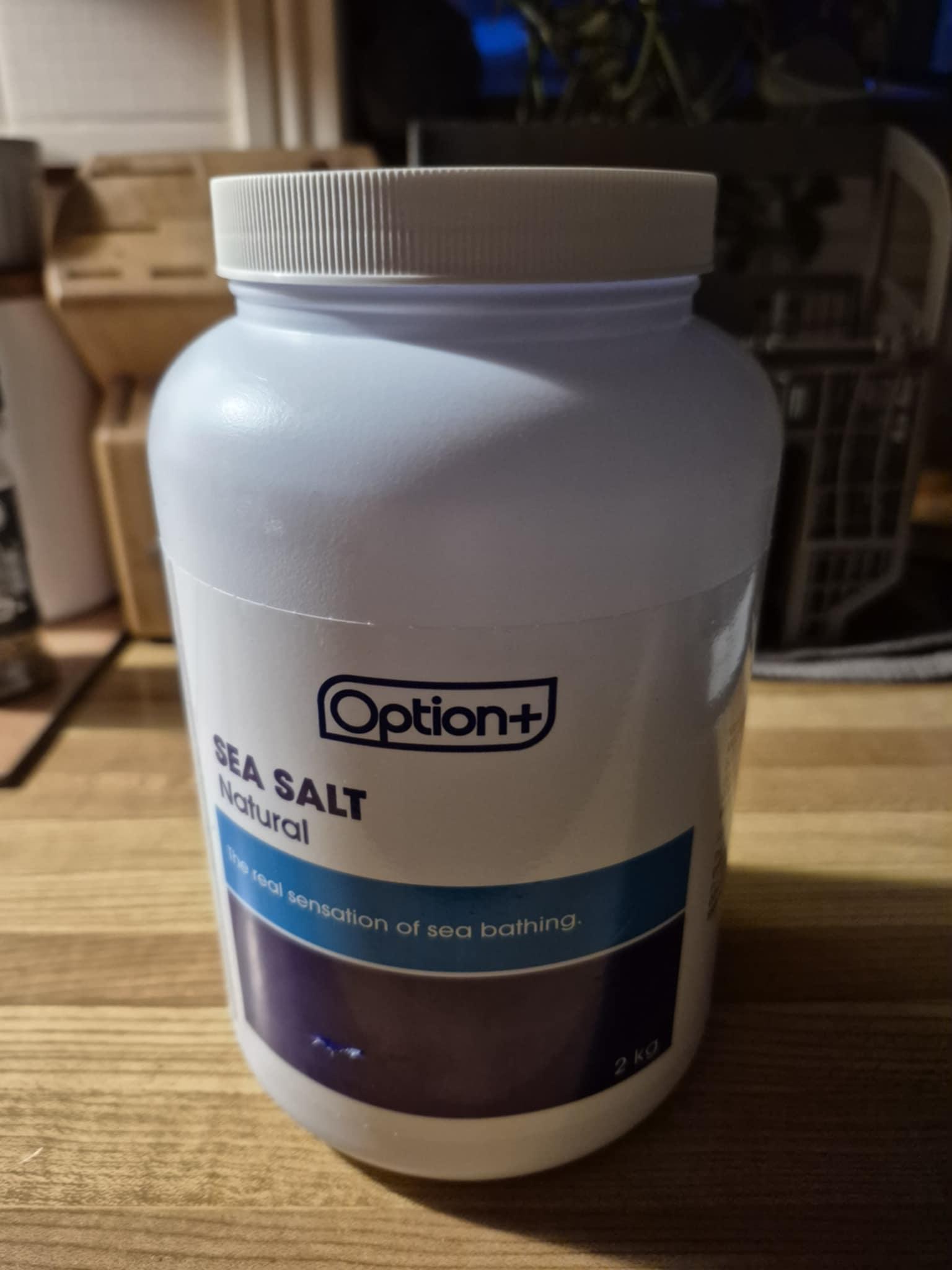
Sea salt
Soil.
Also---
Scale to measure salt. Small Portable scale.
funnel to add the sea salt to the water.
Electrolylite Mixture and Battery
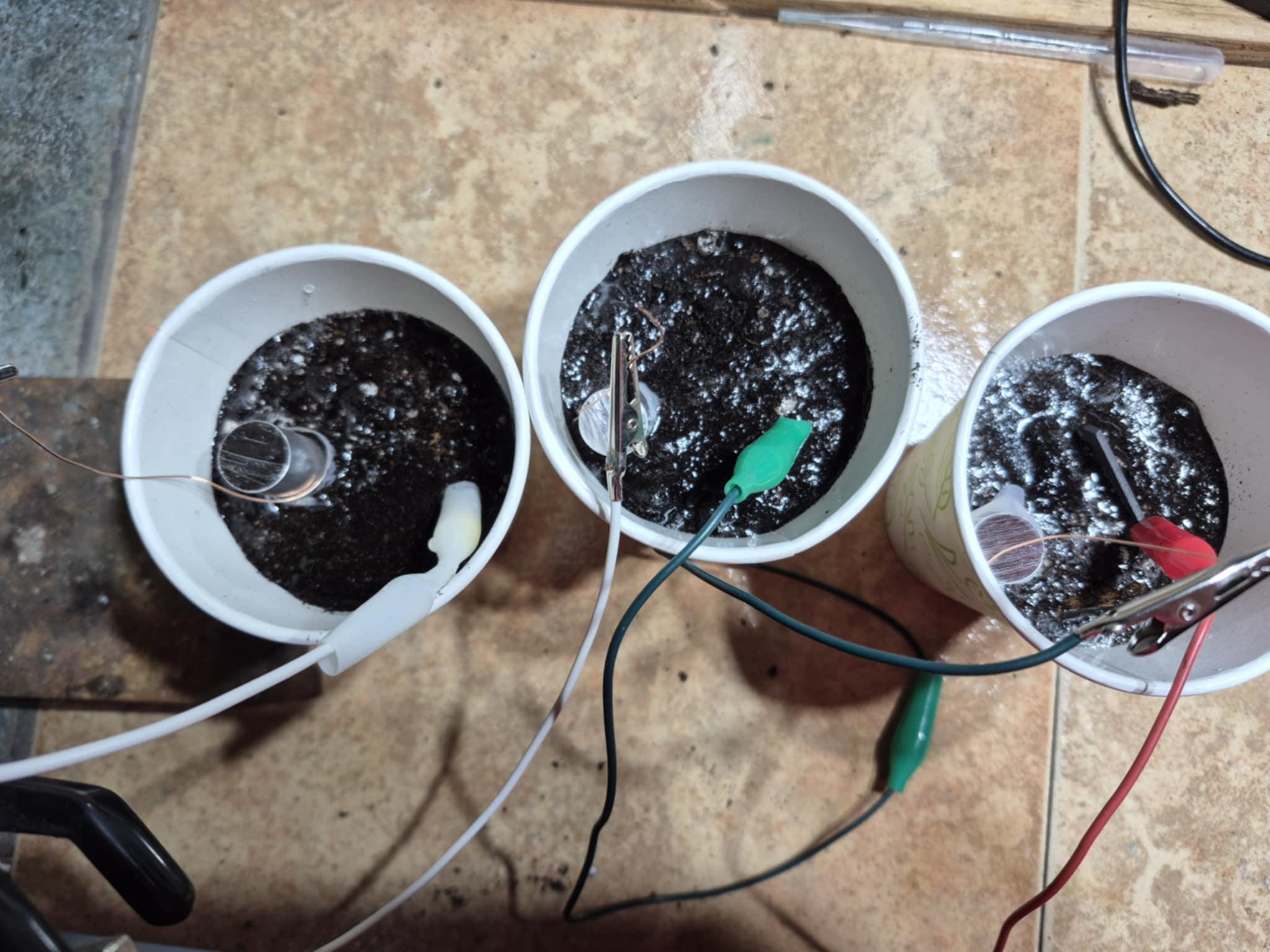
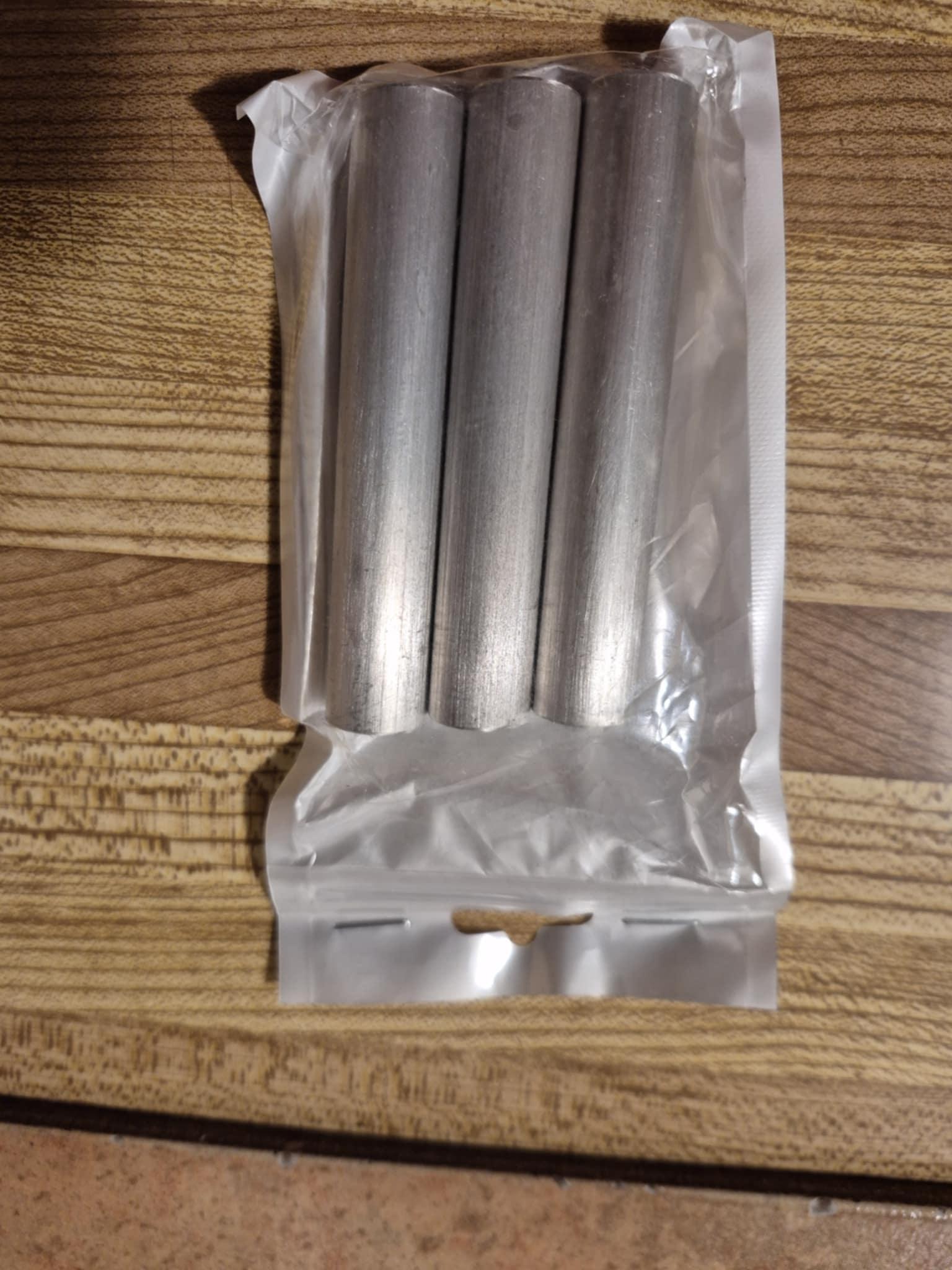
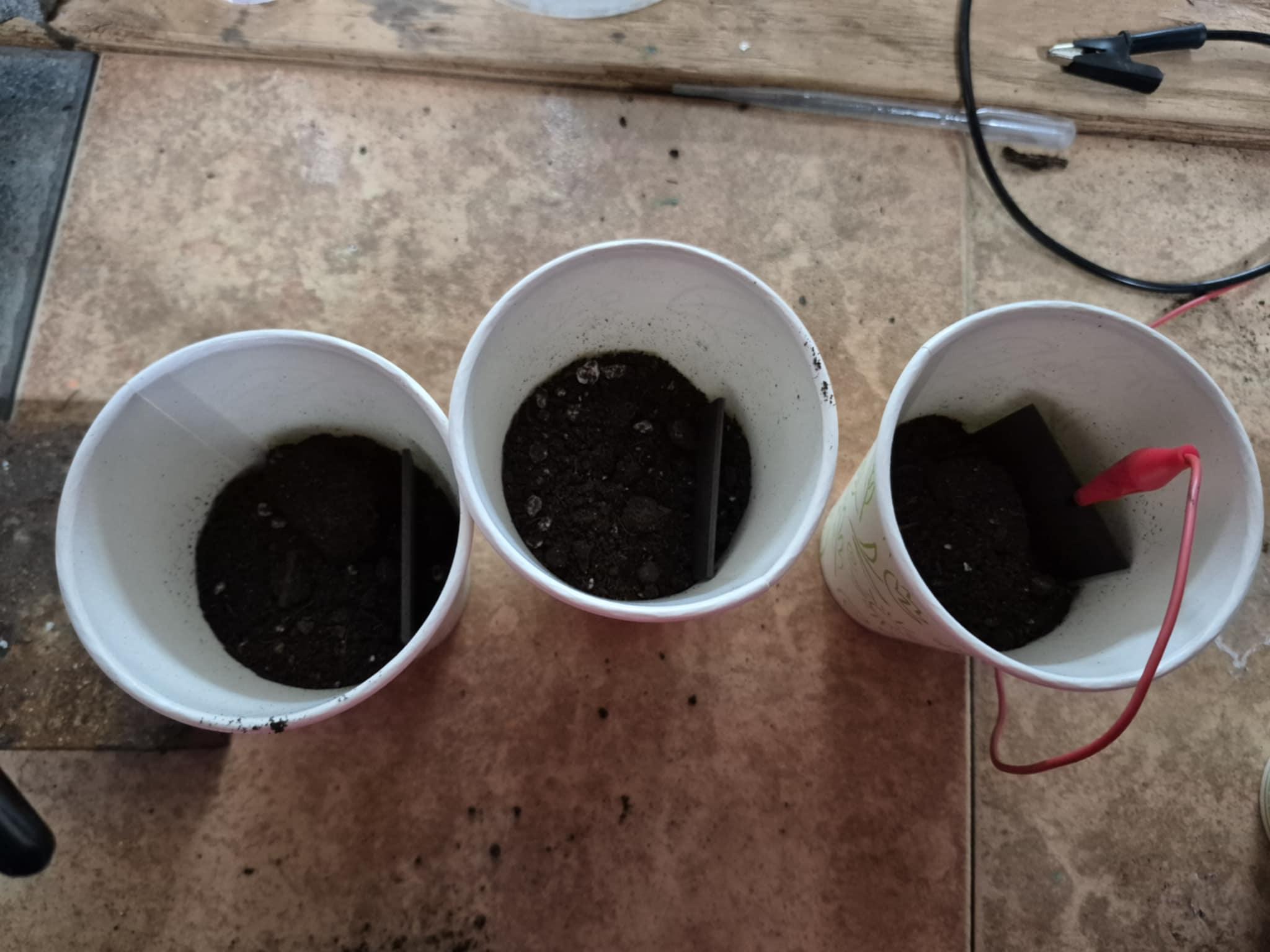
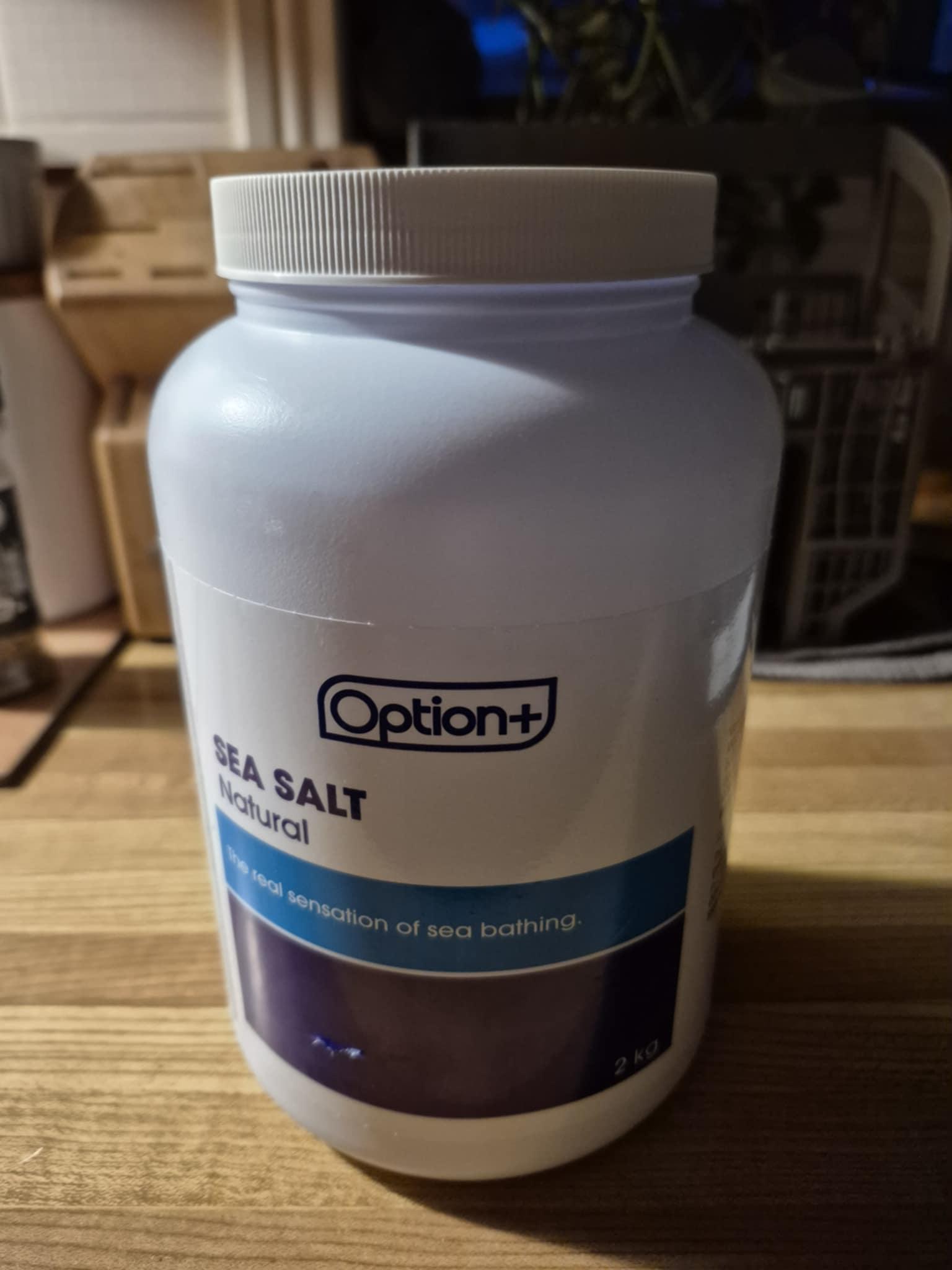
.jpg)

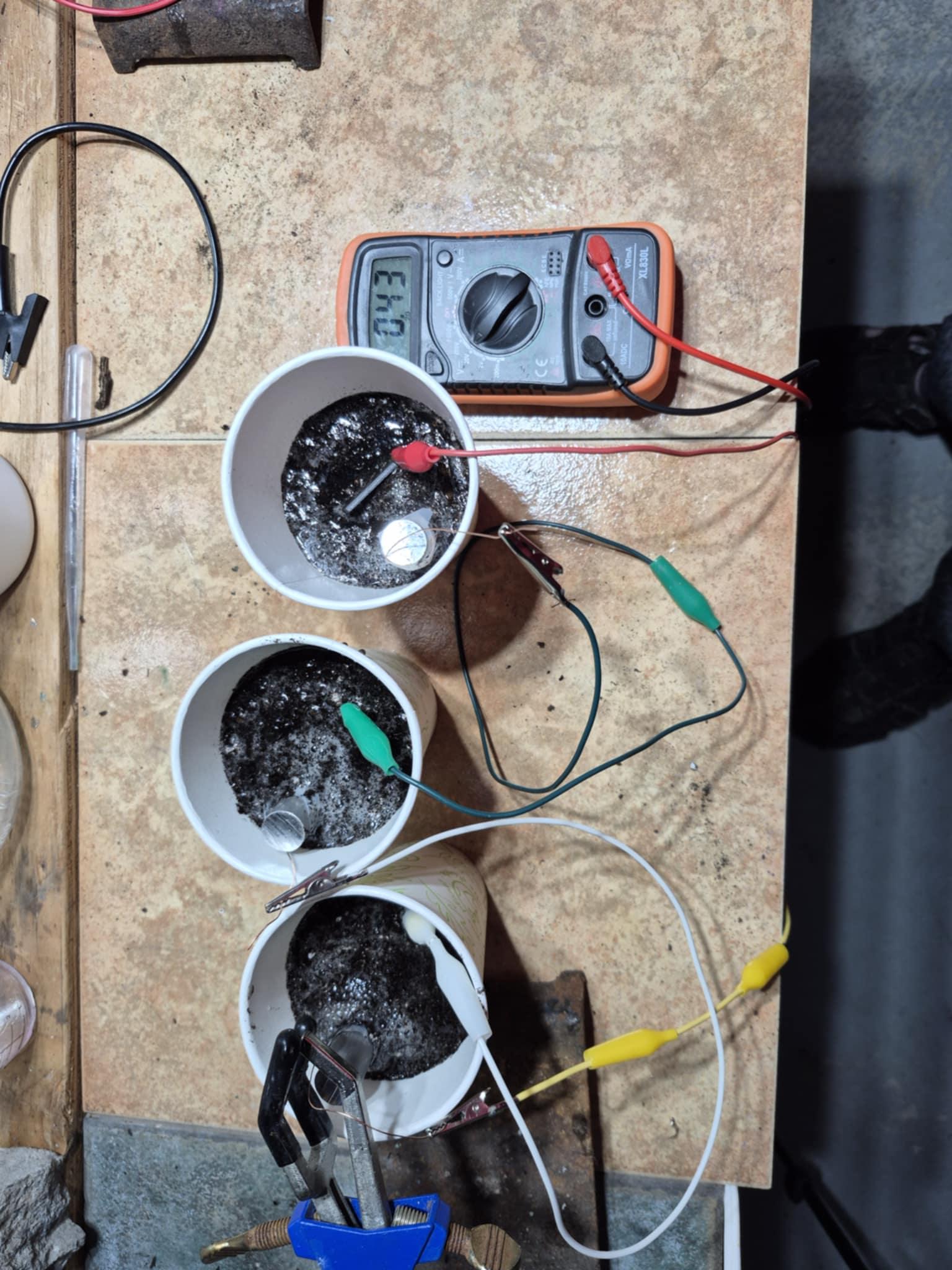
The salt concentration was 20 grams of sea salt per L of water with a very small amount (50 ml of ethanol added) to the battery. Some issues were that the battery bar of Magnesium requires fewer electrolytes.
Second, the sea salt should have been reduced to 1-5 grams of sea salt max per L of water with NO ethanol. Ethanol prevents the salt from dissolving well.
Adding tap water with ethanol and 20 grams of sea salt was too strong an electrolyte! Keep the distilled water near 1 g to 5 g per 1 L of water. As seen in the picture Pic 6 the graphite got coated onto the magnesium metal with some strange results. Quite odd!!
Excel Data Plot
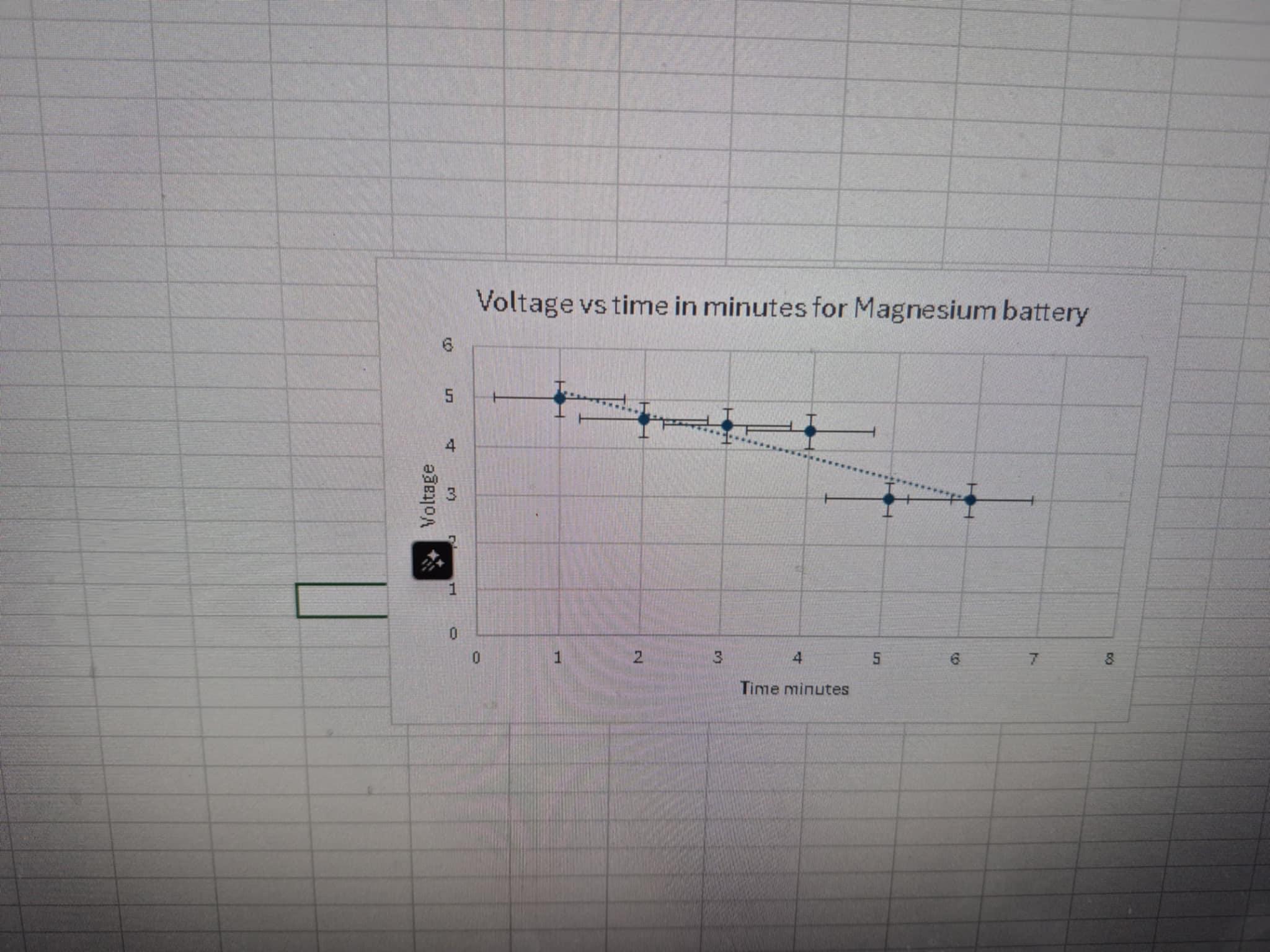
.jpg)
Here some data of the resulting graph time in minutes to voltage.
Time (Minutes)
Voltage
Minutes 1
Voltage 5
Min 2
Voltage 4.6
Minutes 3
4.5
4
4.4
5
3
6
3
7
3
8
2.9
9
2.9
10
2.9
11
2.9
12
2.9
Future Designs
If I were to repeat this, I would add some epoxy or silica gel across the magnesium, but most importantly, leave out the salt water due to reactivity issues. I got 4.5 volts to 5 volts per cell, and this, with no liquid, could work nicely. The current was around 30 mA. Then, got reduced by the saltwater medium.
If I were to use liquid water, it would be distilled water with 1 gram of salt. Distilled water has very few ions except for the 1 gram of sea salt added, if I were going to add water at all.
I think this could work if done in parallel and series (Batteries) with tons of magnesium and soil with graphite, maybe it would be enough current to power a DC to DC converter to light an LED! My cells cannot power this device (Failure!! :(..).
I am not sure the magnesium is pure; maybe 80% Mg and Al 20% (aluminum), which may be an issue.