Ceramic Clay Vase With a Realistic Floral Looks- Aloe Vera
by idellia-creation in Craft > Clay
140 Views, 1 Favorites, 0 Comments
Ceramic Clay Vase With a Realistic Floral Looks- Aloe Vera
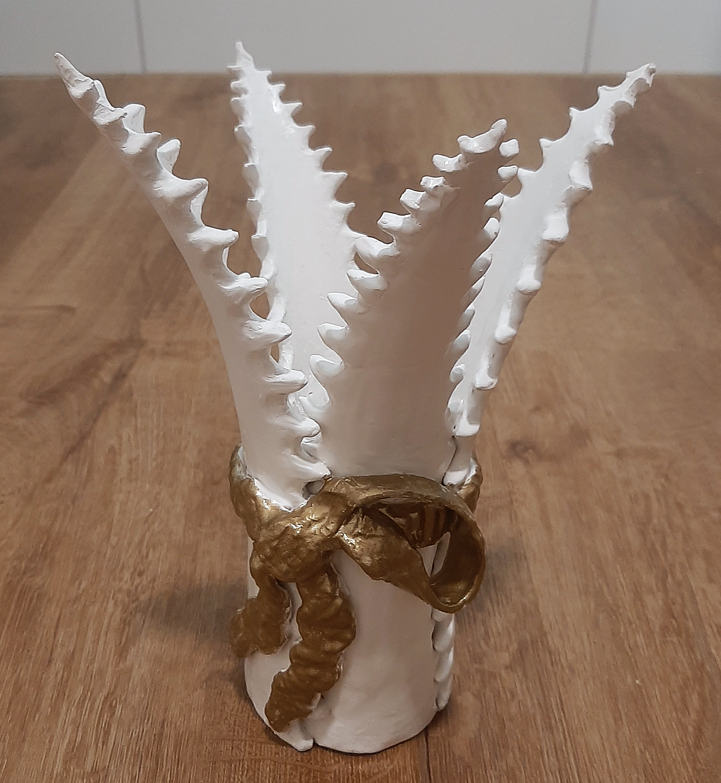
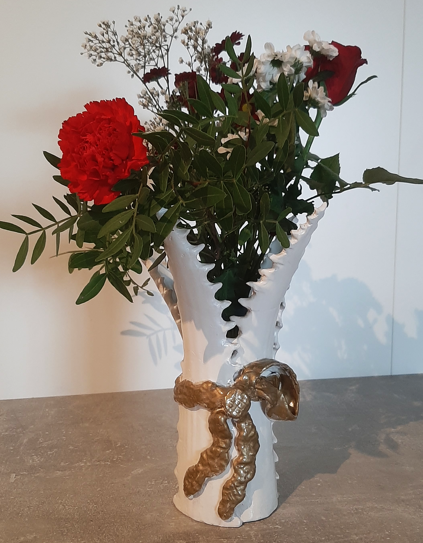
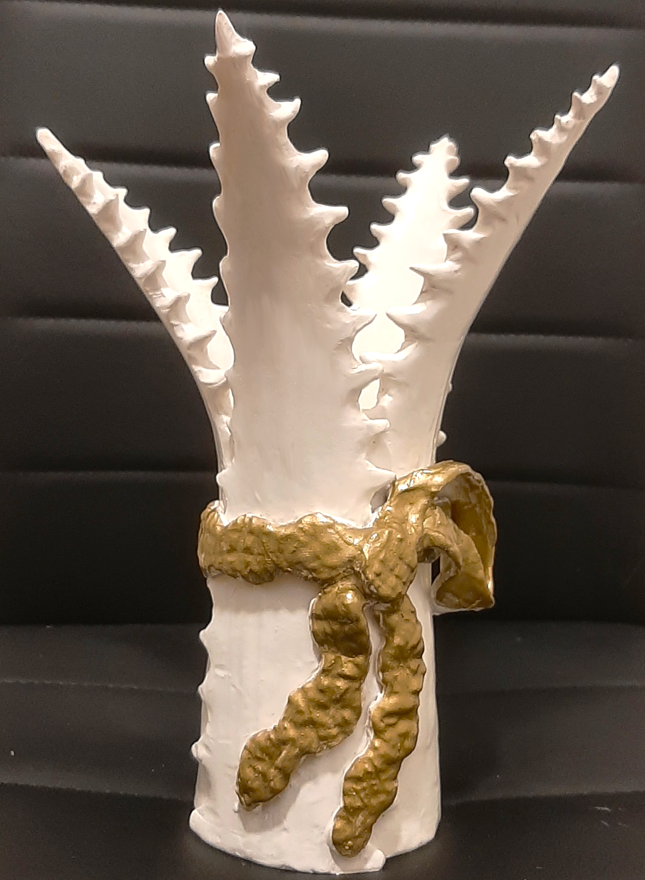
Ceramic Clay Vase With a Realistic Floral Looks- Aloe Vera
Supplies
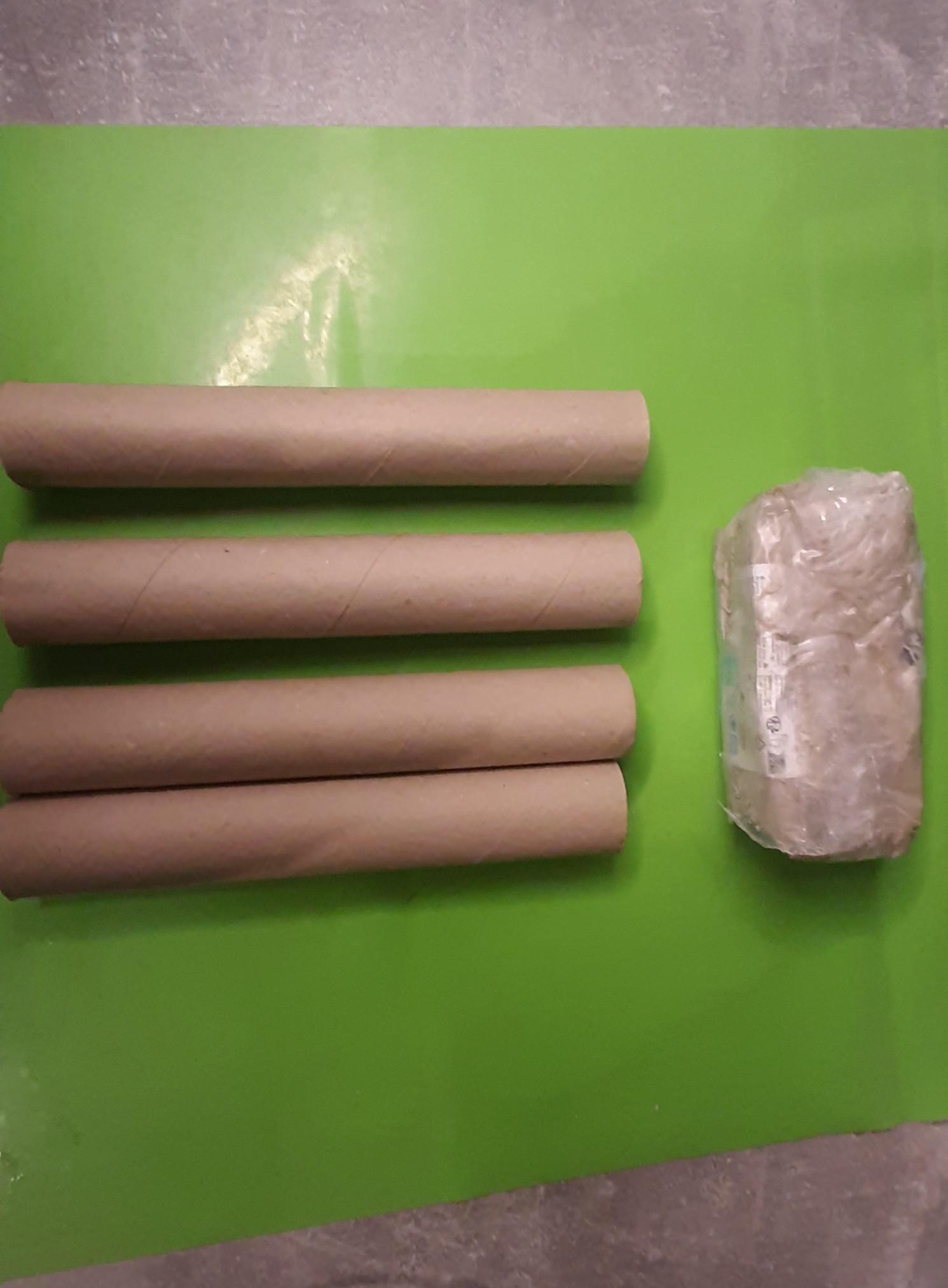

Materials needed: potting clay, 4 rolls of kitchen paper. Some tools used for working with clay, which are in the photo above.
Preparing the Base Material for the Vase.
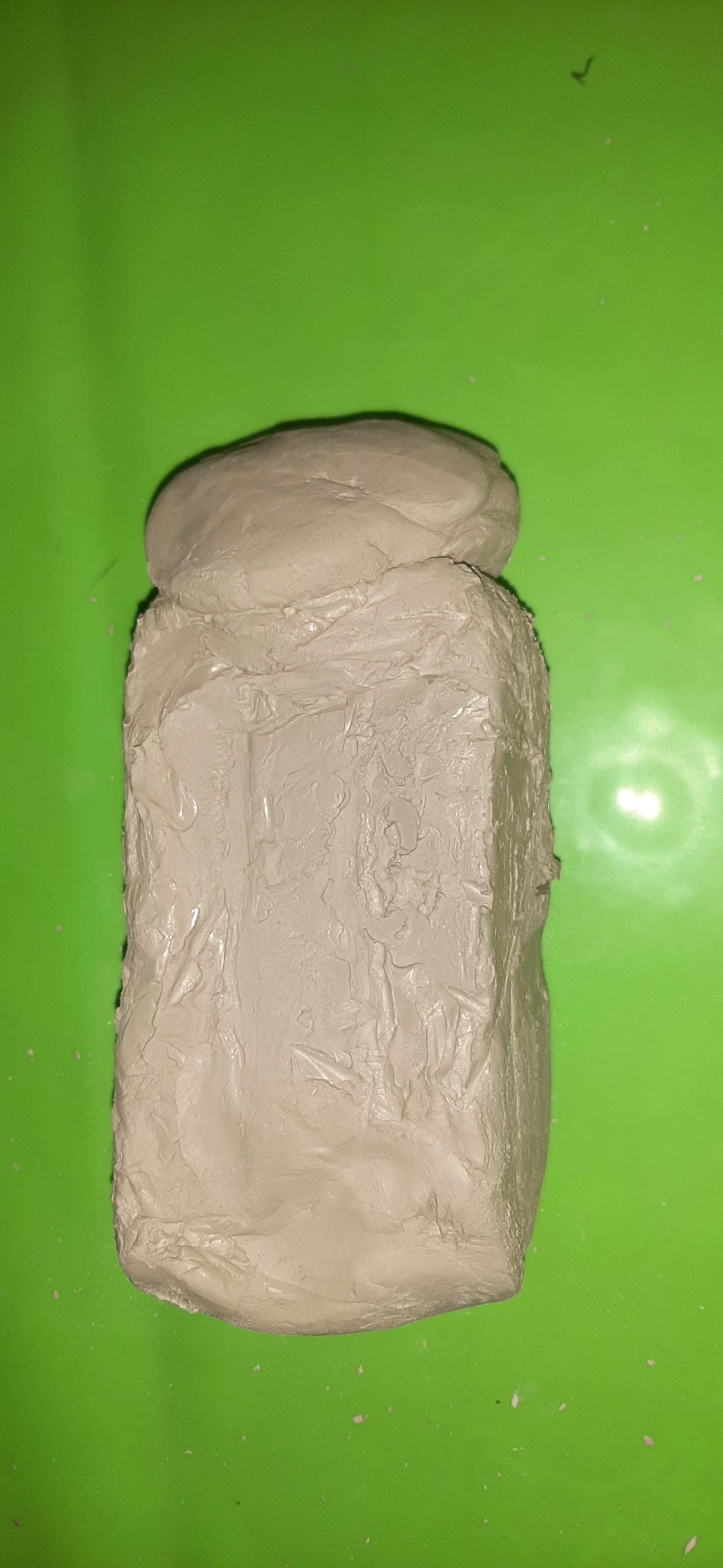
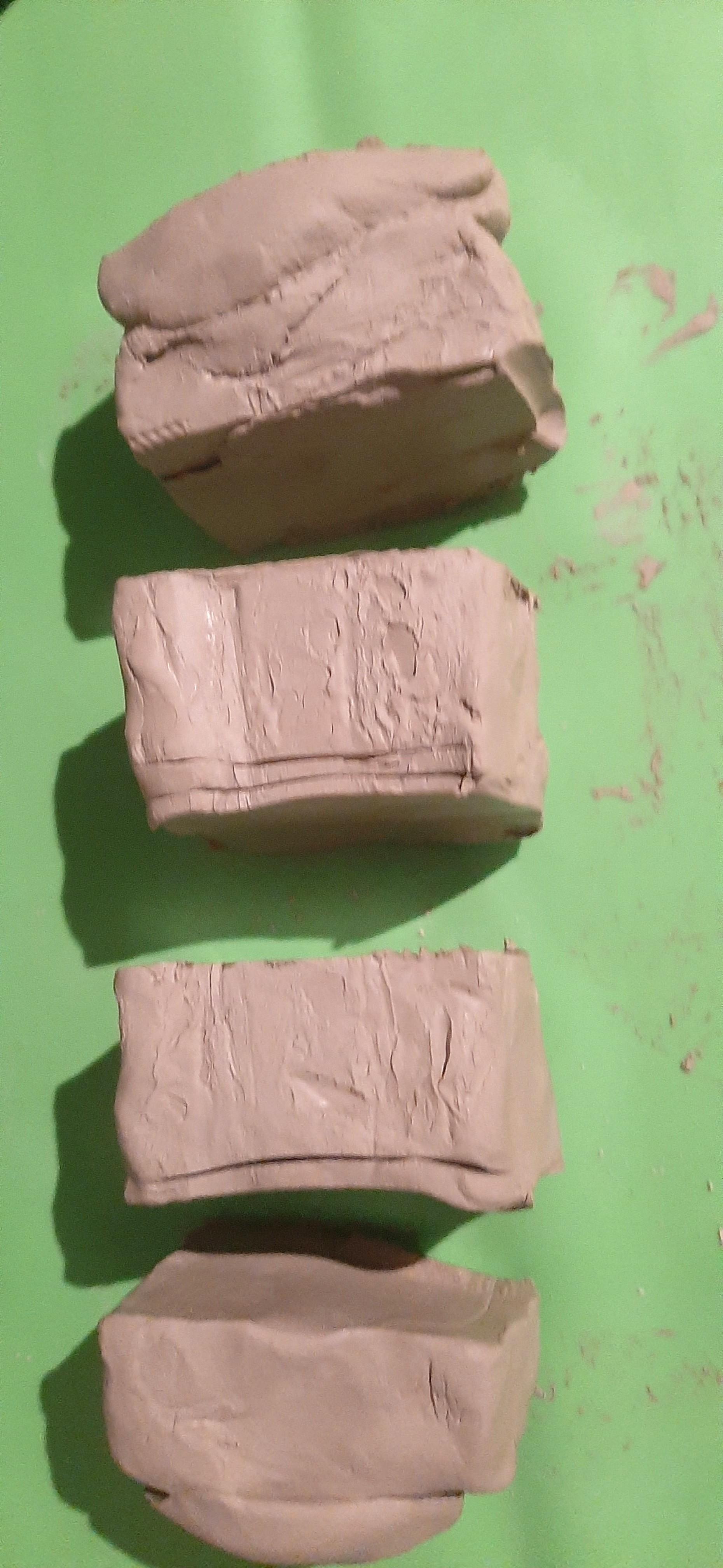
Required amount of clay: about 1 kg - cut into 4 equal pieces.
Cutting a Template From a Roll of Kitchen Paper
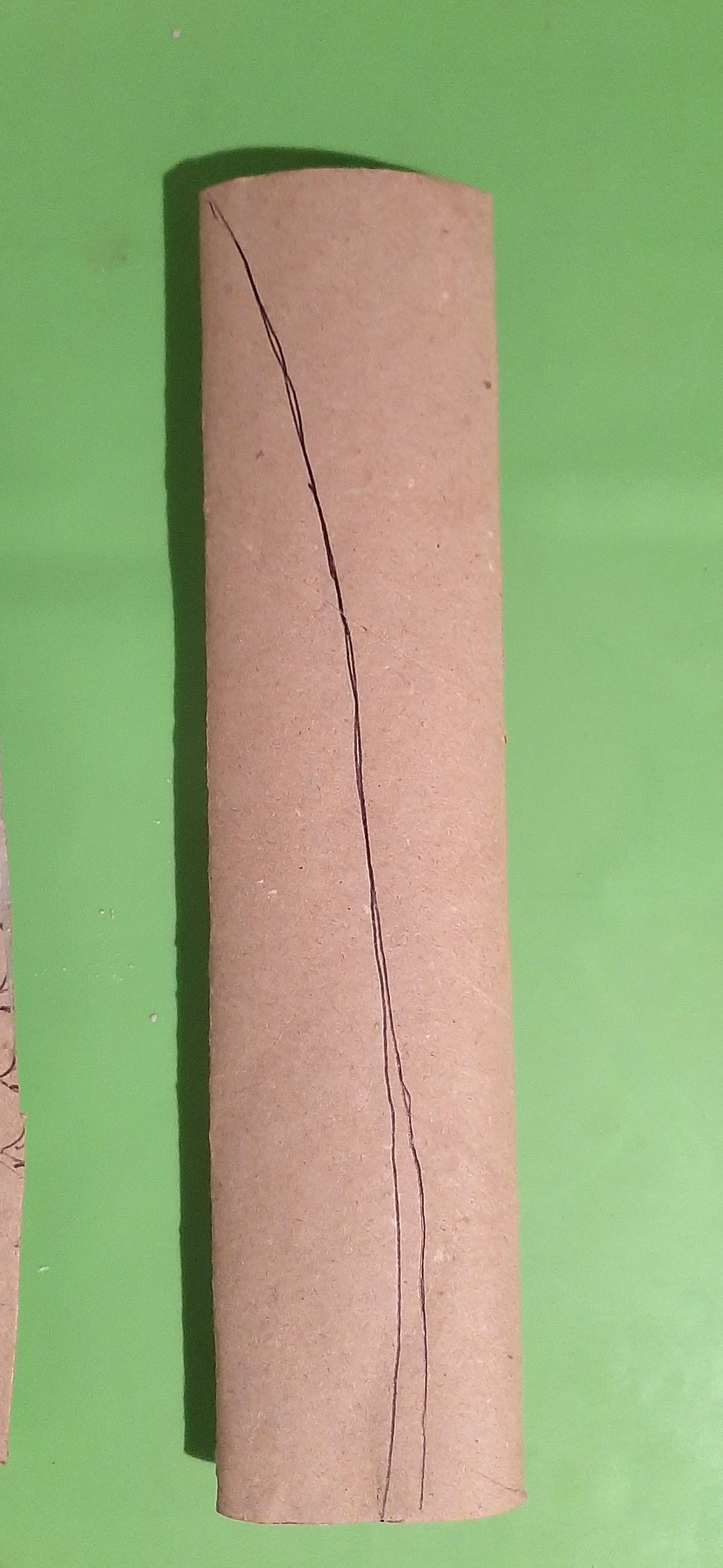
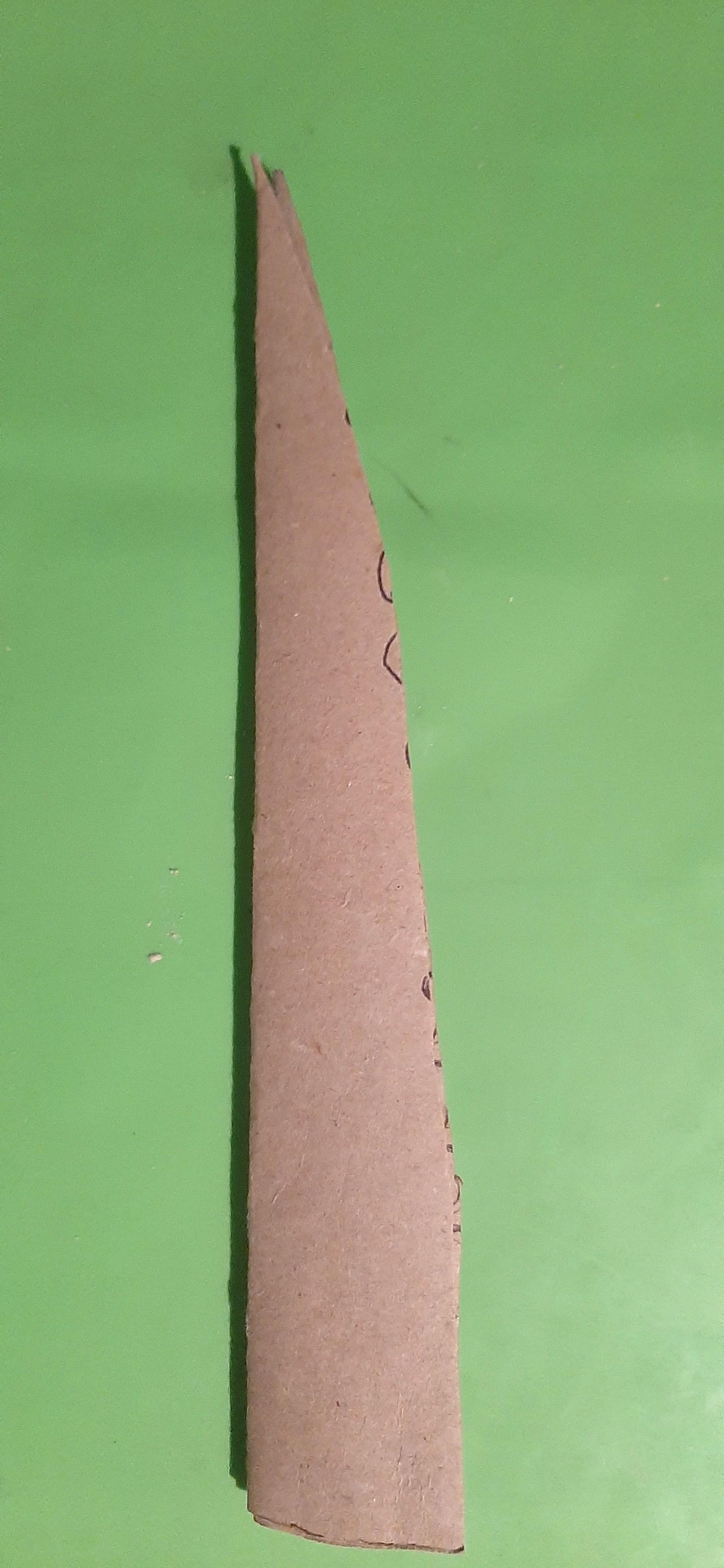

Crush the roll of kitchen paper in two, then use a pencil to outline the shape of an Aloe Vera leaf and cut it out with scissors. I personally prepared 8 pieces from one roll, resulting in 2 templates. The reason is that when it is applied to the clay, which is quite wet at the beginning, the cardboard gets wet, and besides being a template, these cut sheets are also needed for structural support later.
Creating Aloe Vera Leaves
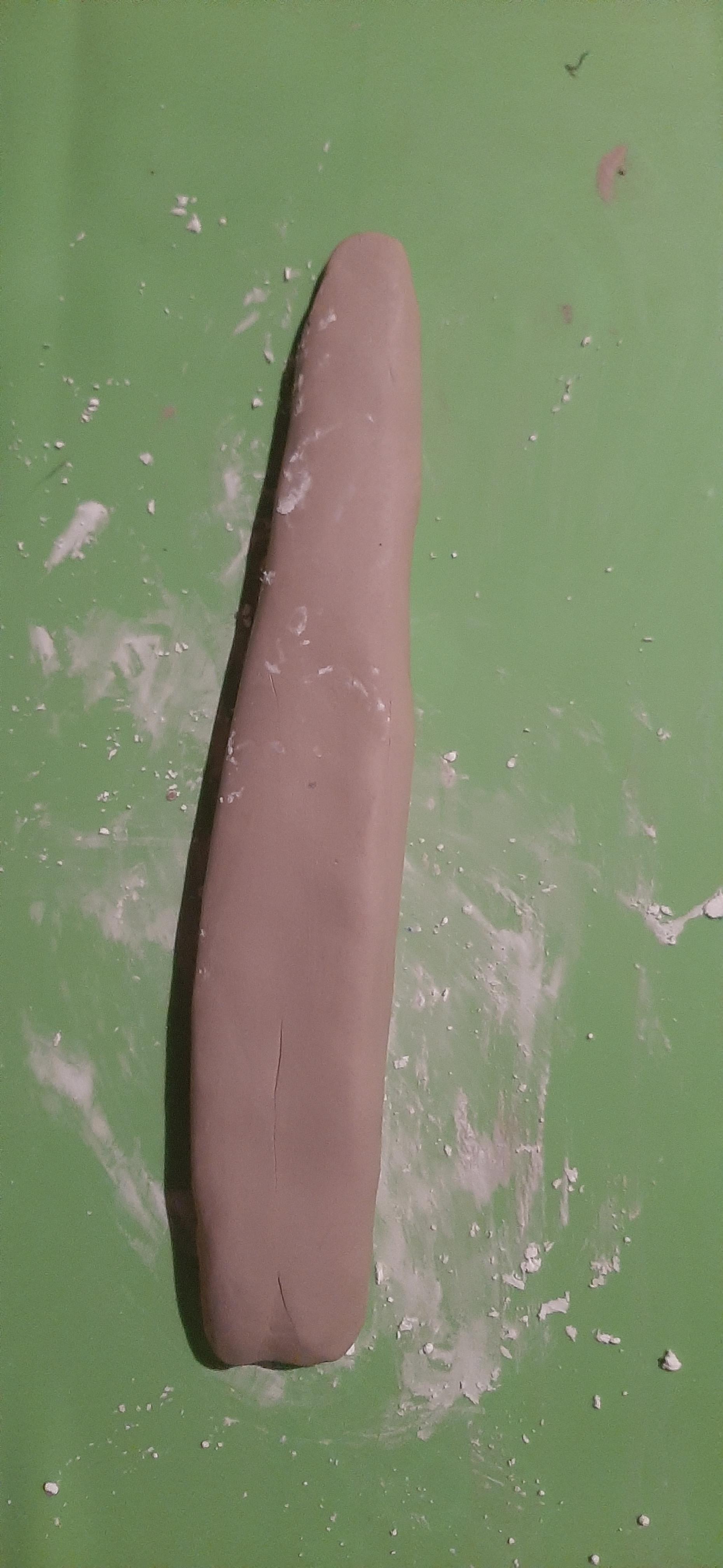
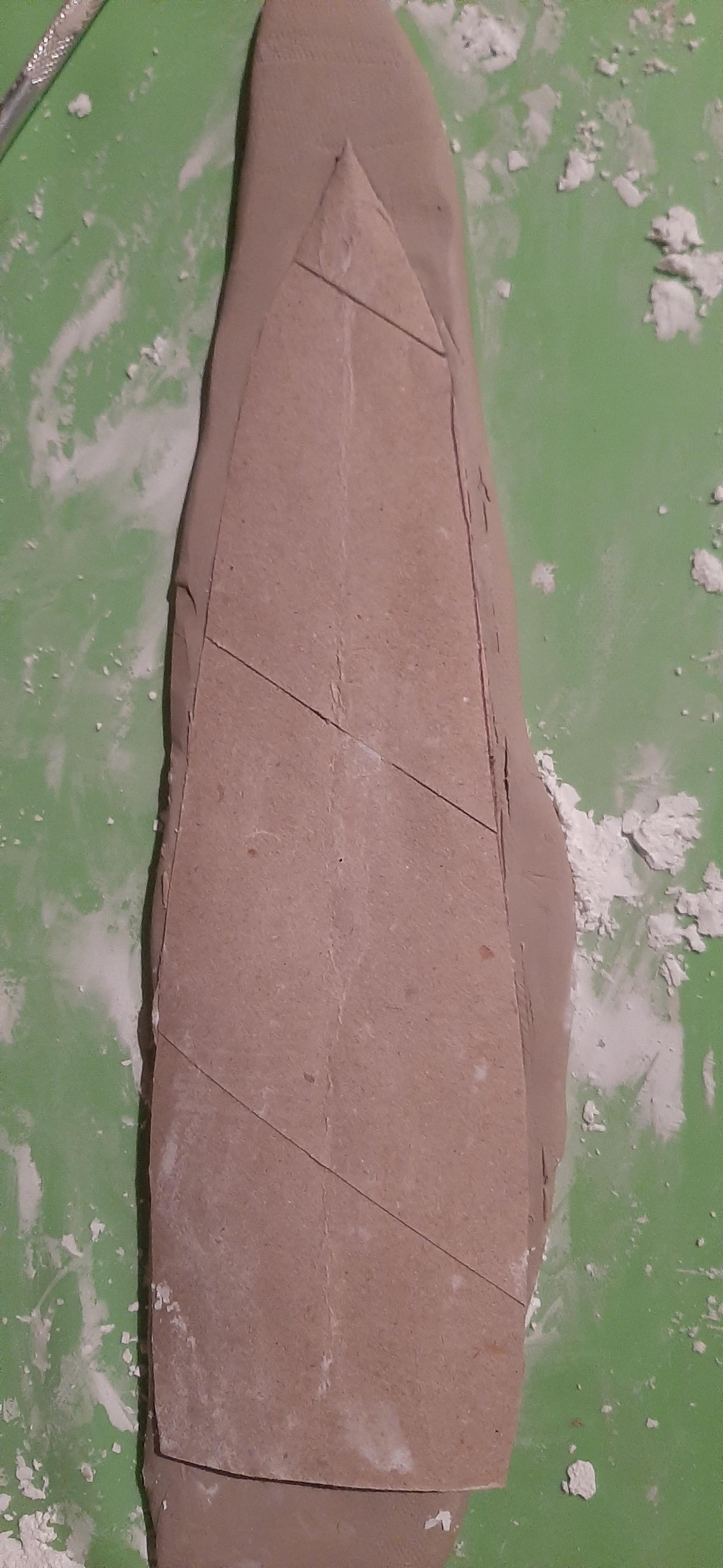
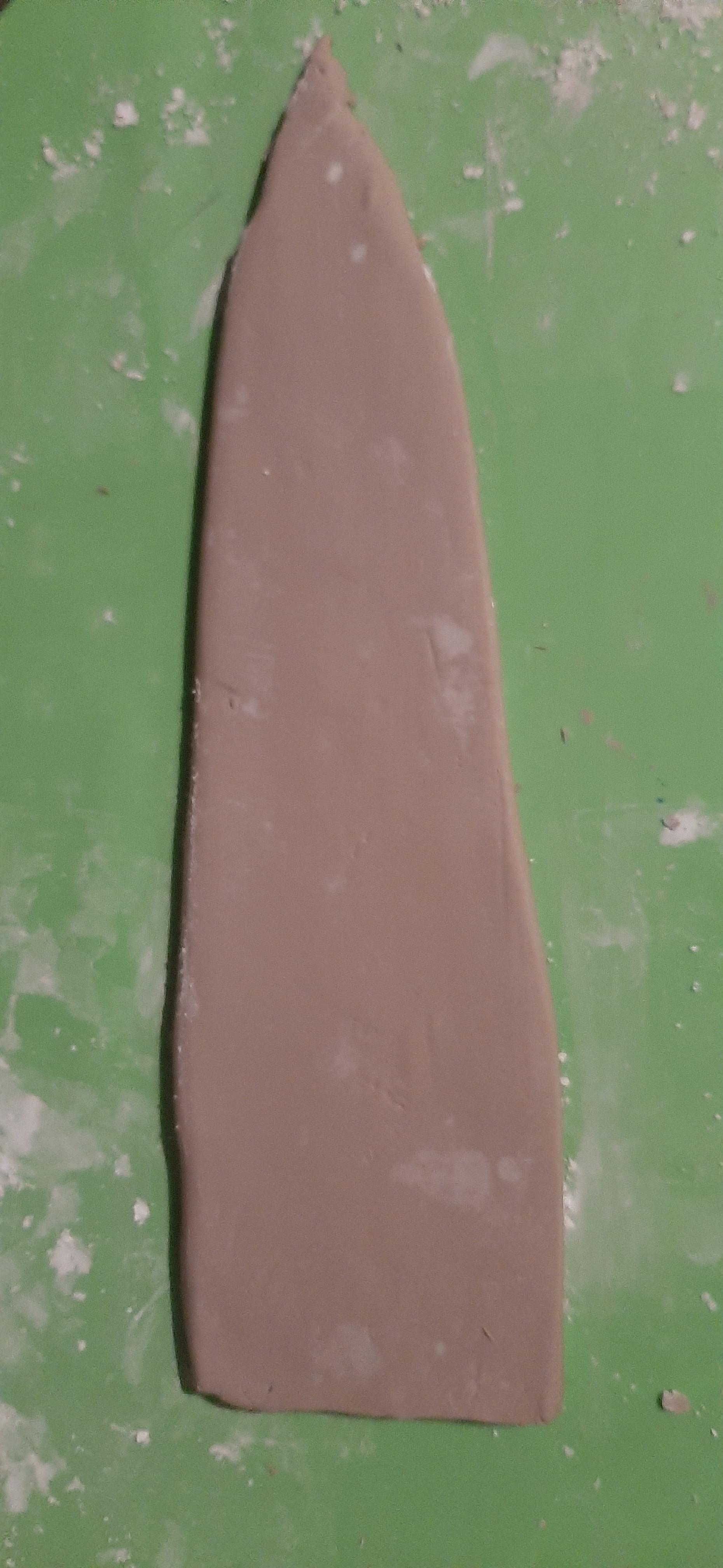
The first piece of clay is crushed with hands to form something like a cone with a length almost as long as the cavity of the template. Then it is rolled either with a rolling pin, or with a roller made of used aluminum foil, it is very convenient to work with it. It is rolled until the layer of clay becomes about 1 cm thick. The leaves should have a structural consistency, so this is achieved by the thickness of the clay.
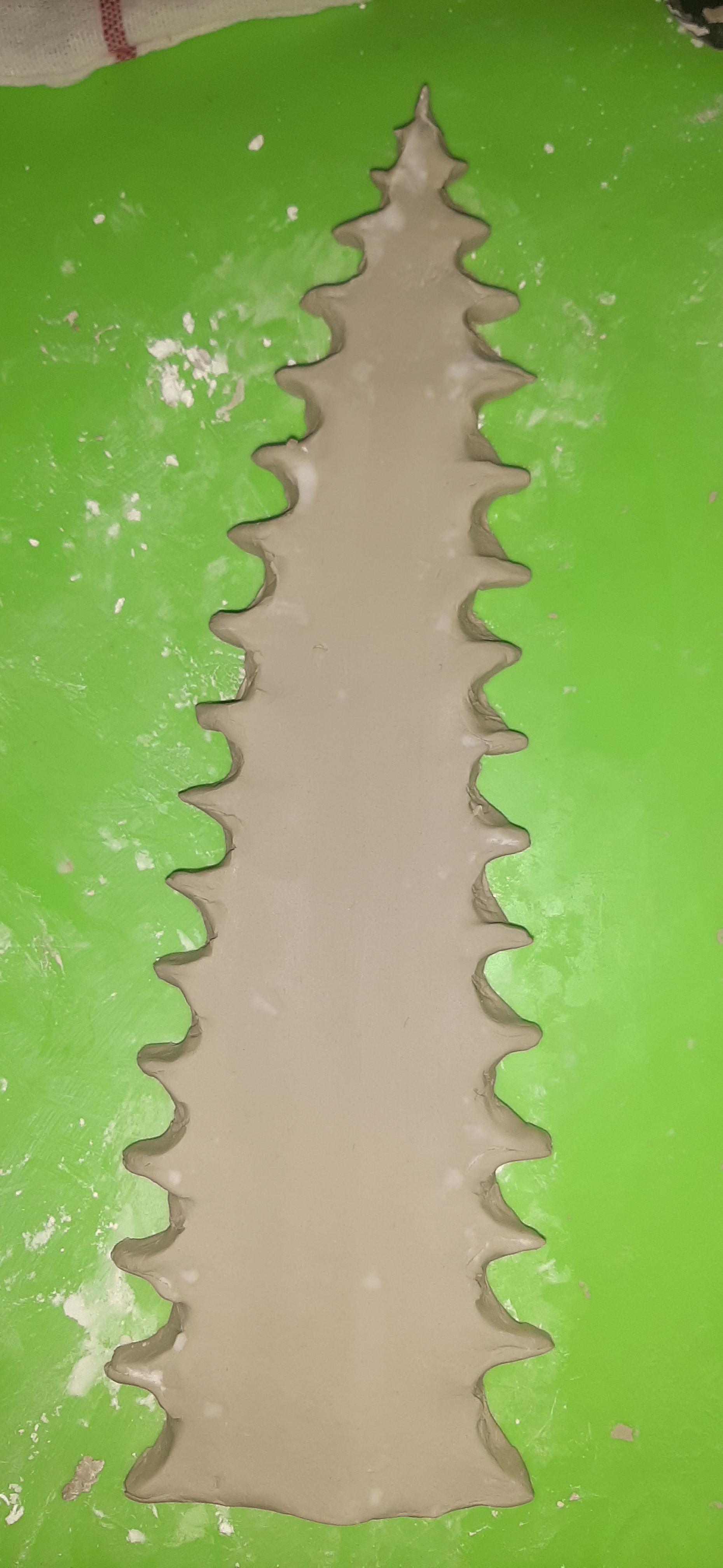
When the shape of the template is cut with the awl, the interesting part begins to create the needles of the Aloe Vera leaf.
The easiest way is to cut small circles in the inner layer of clay and then shape them by hand. After the clay dries, corrections can be made with fine sandpaper to any unevenness.
Shaping the Leaves to Look Realistic
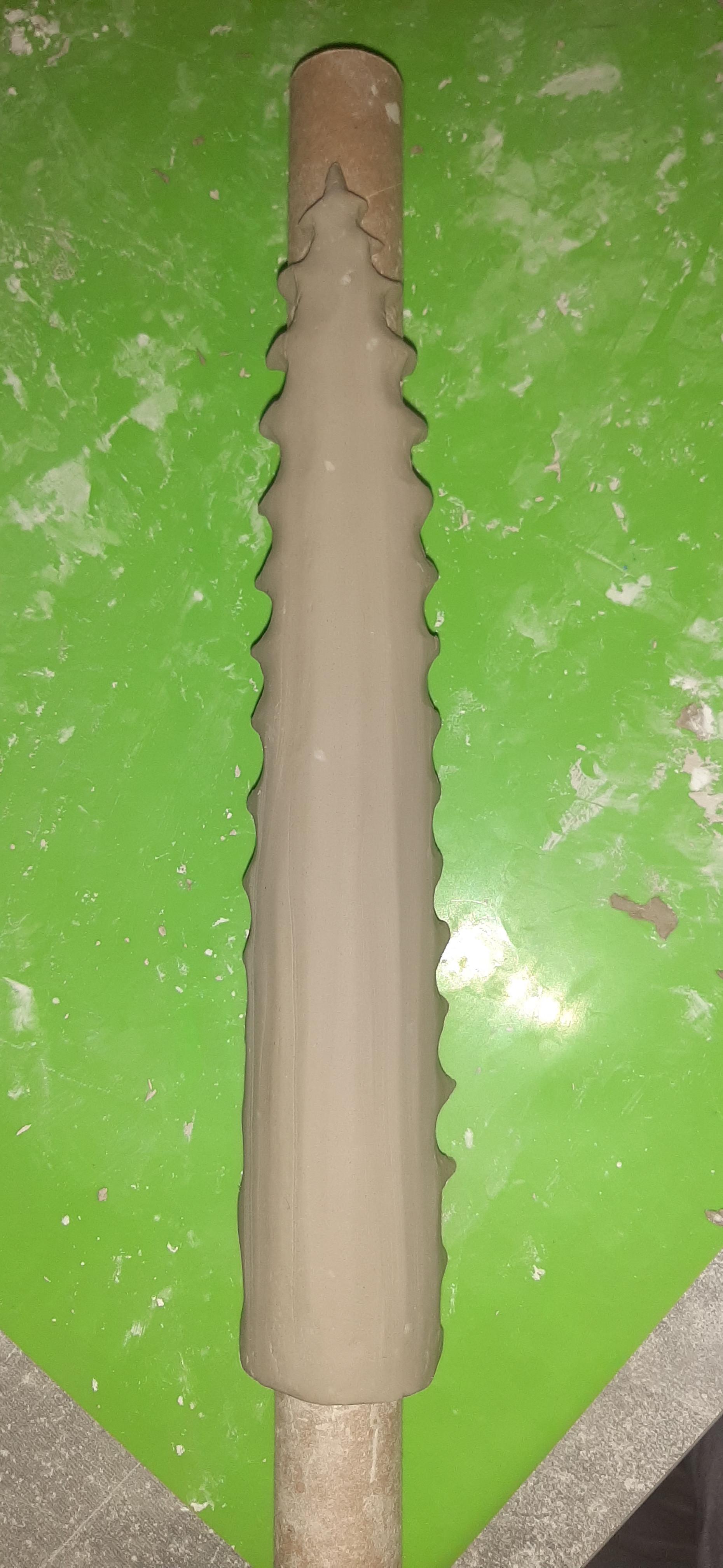
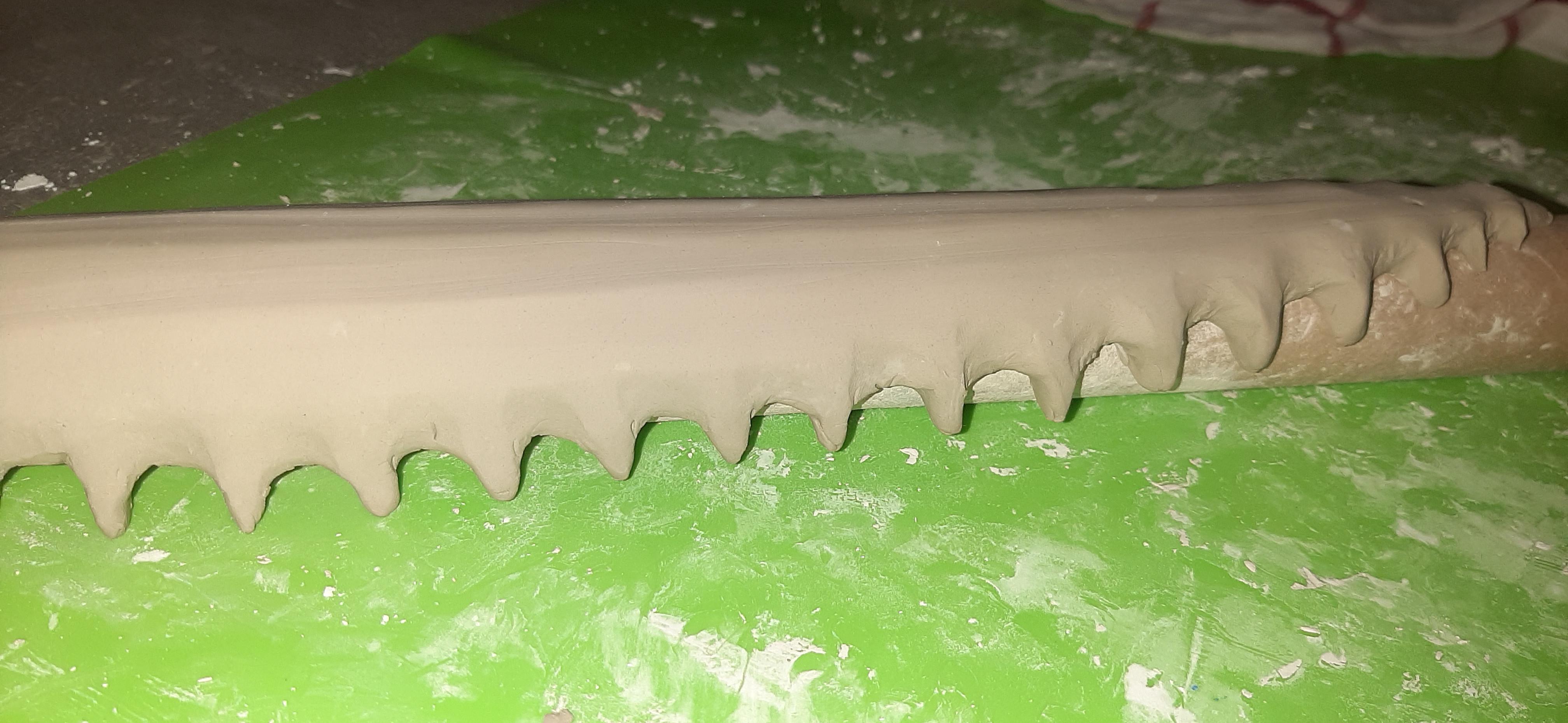
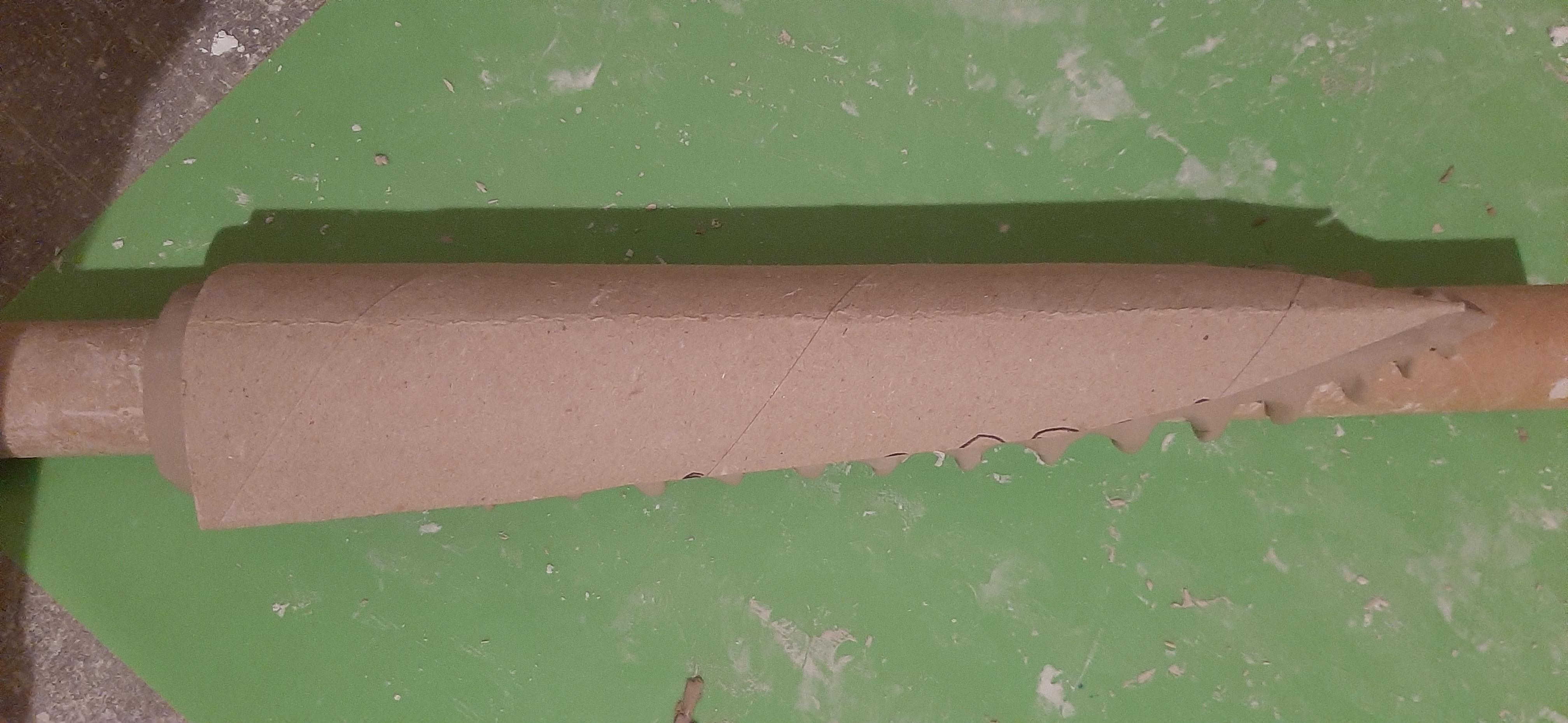
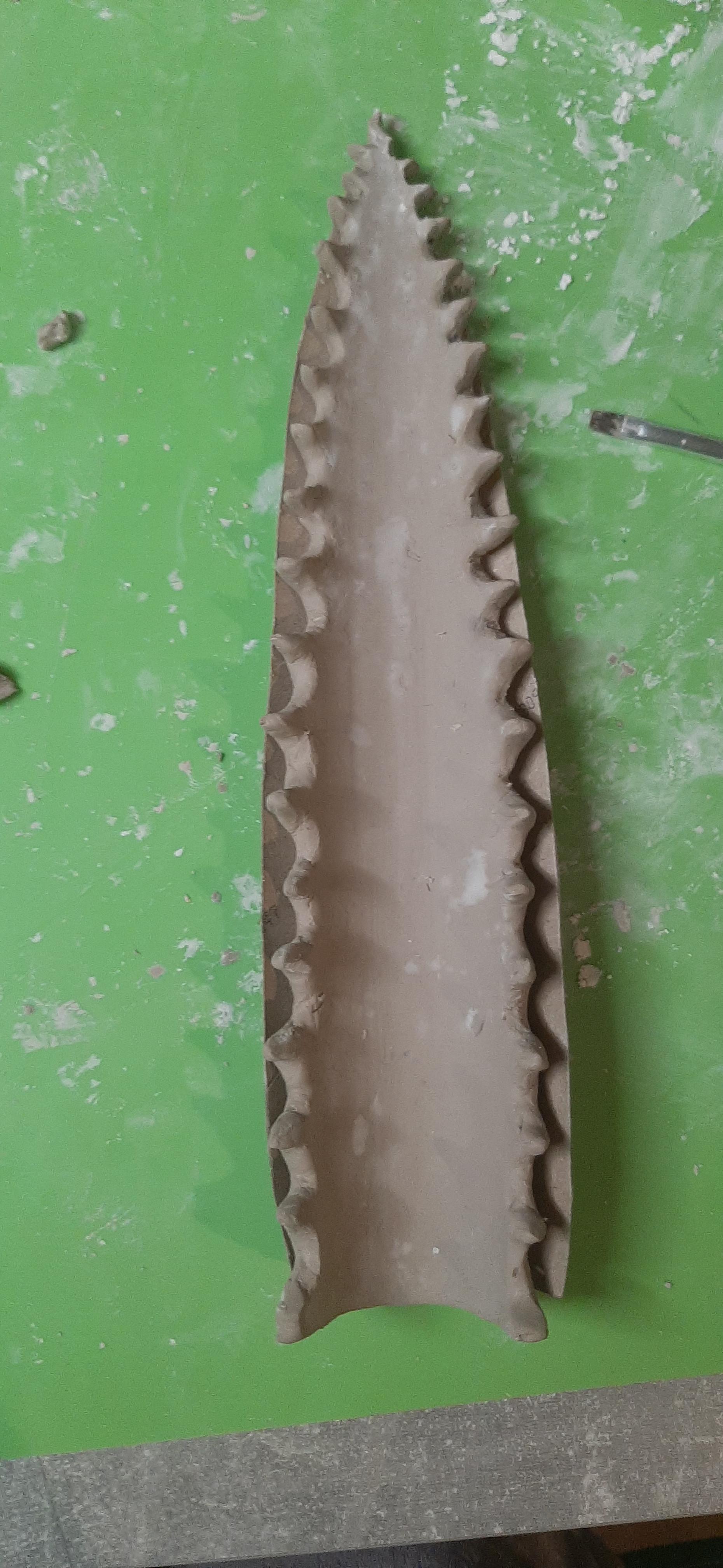

Real Aloe Vera leaves are slightly curled in the middle to achieve this visual effect. I used the rolling pin to place each leaf one by one along its length, curling them along its surface. After completing this process, I used the cut templates for stabilization and let the leaves dry in the position I wanted. The leaves stayed like that for about 1 hour, after which the clay was a bit drier and noticeably harder and I was able to work with it.
Connecting the 4 Leaves to Form the Shape of a Vase
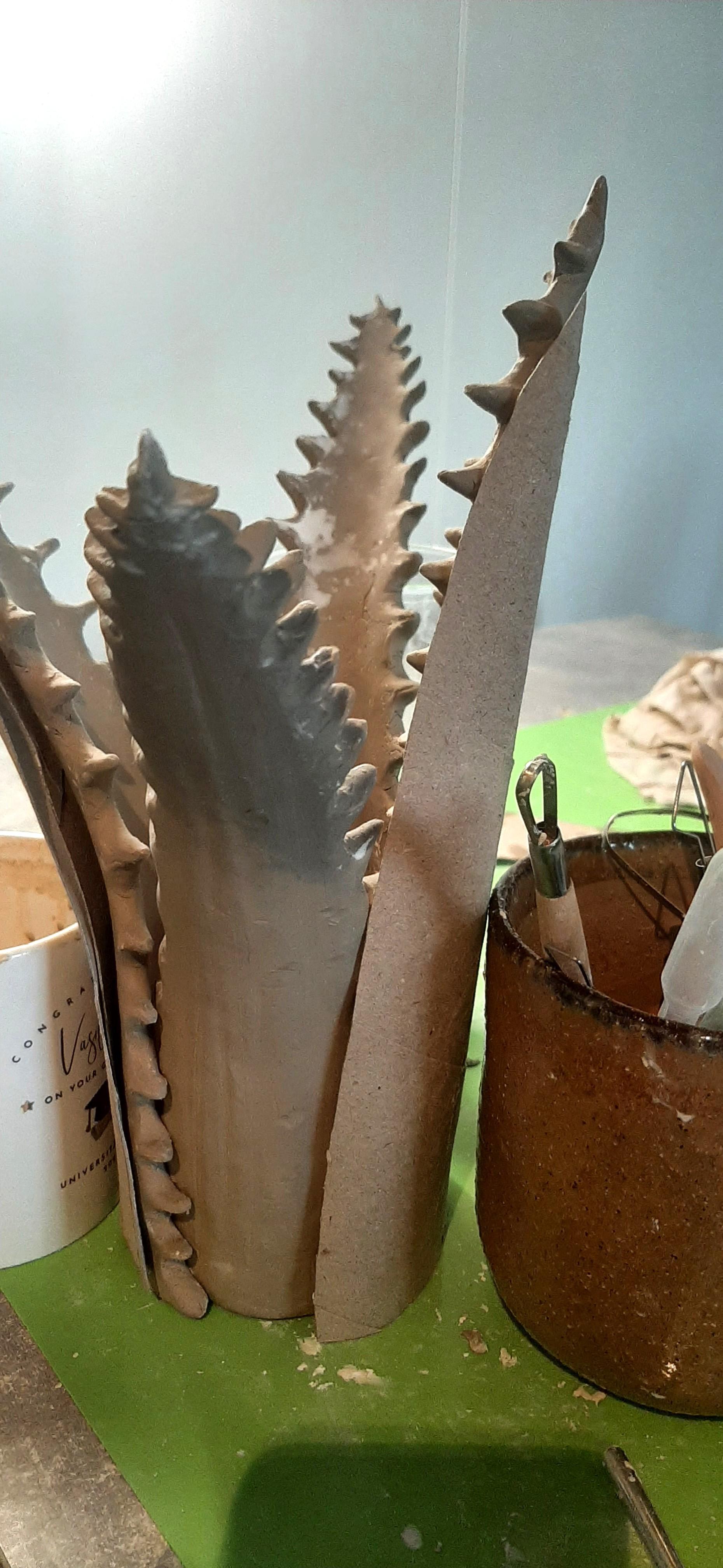
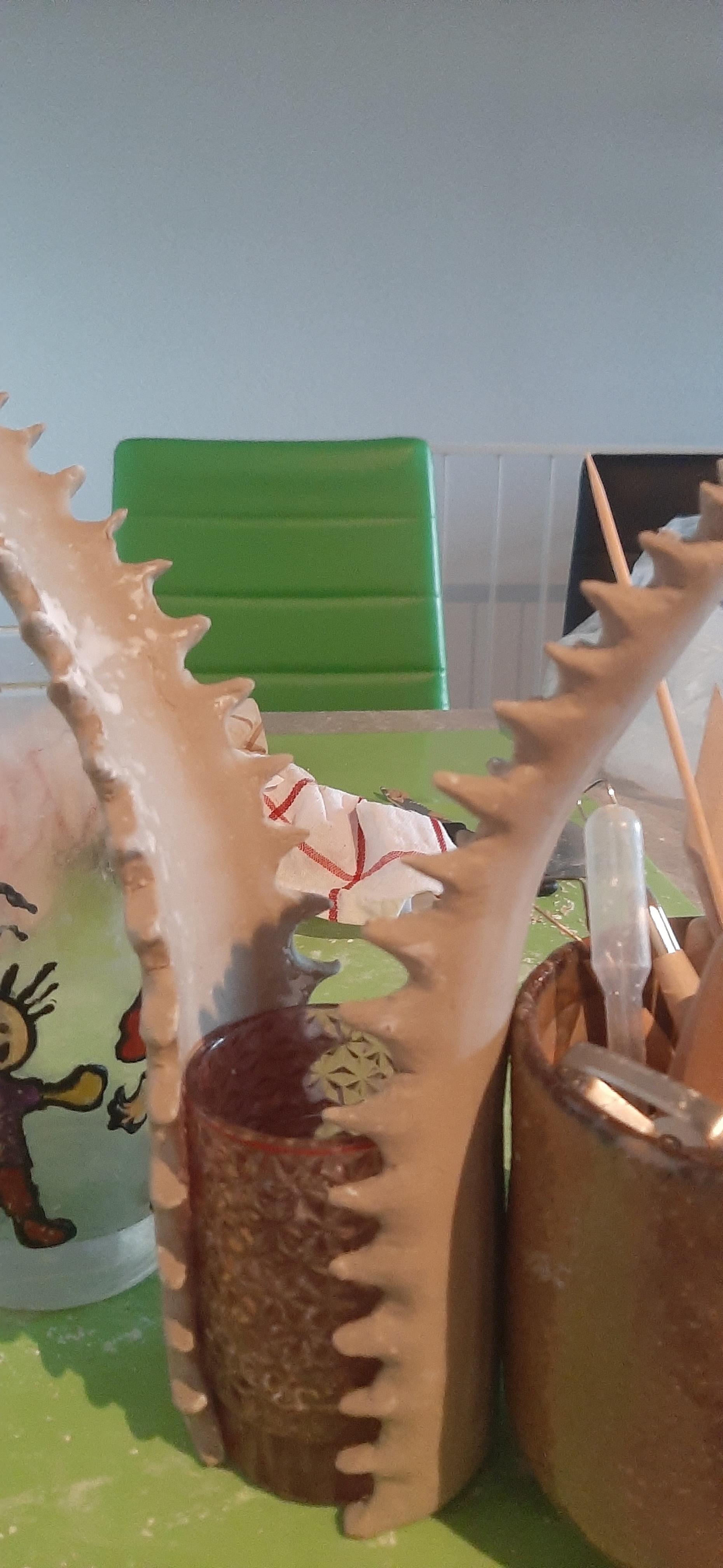
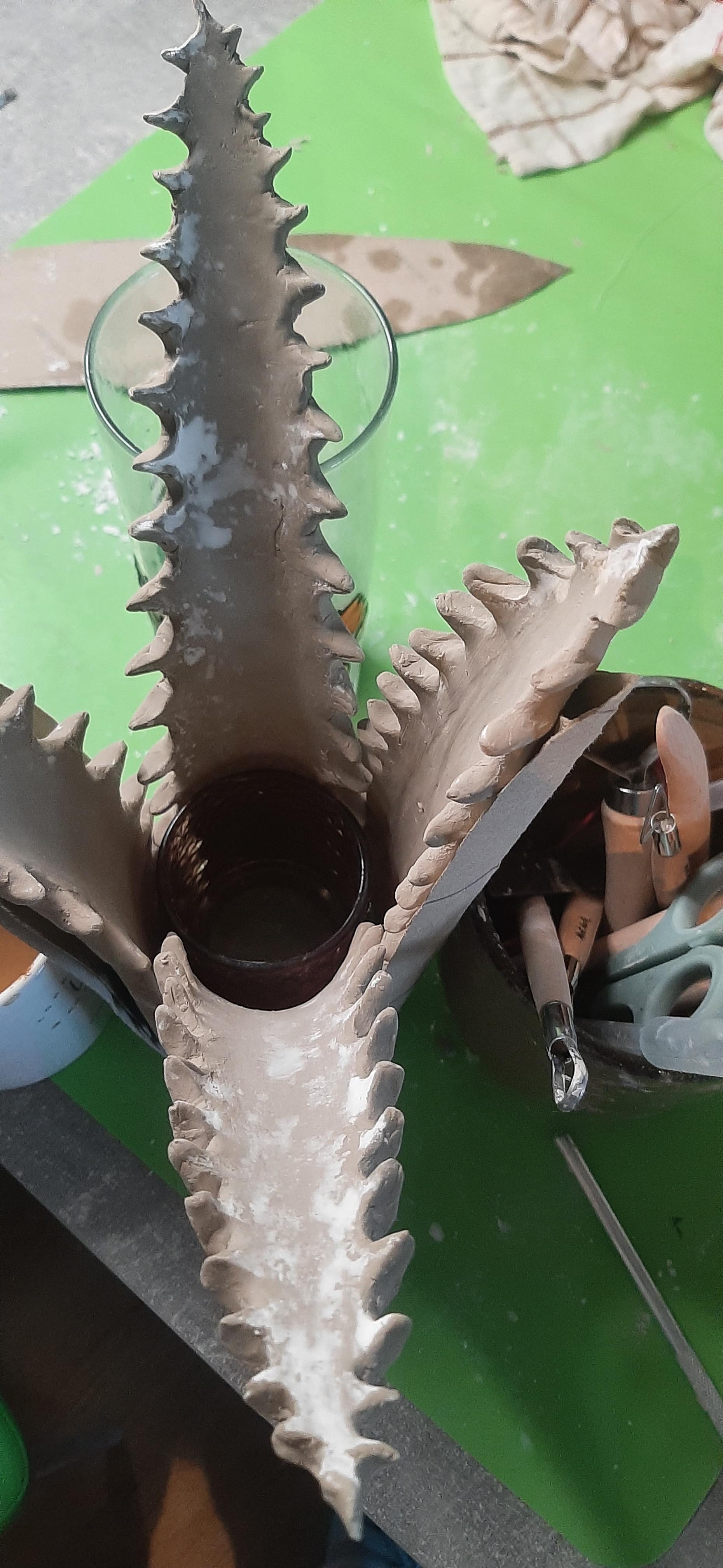
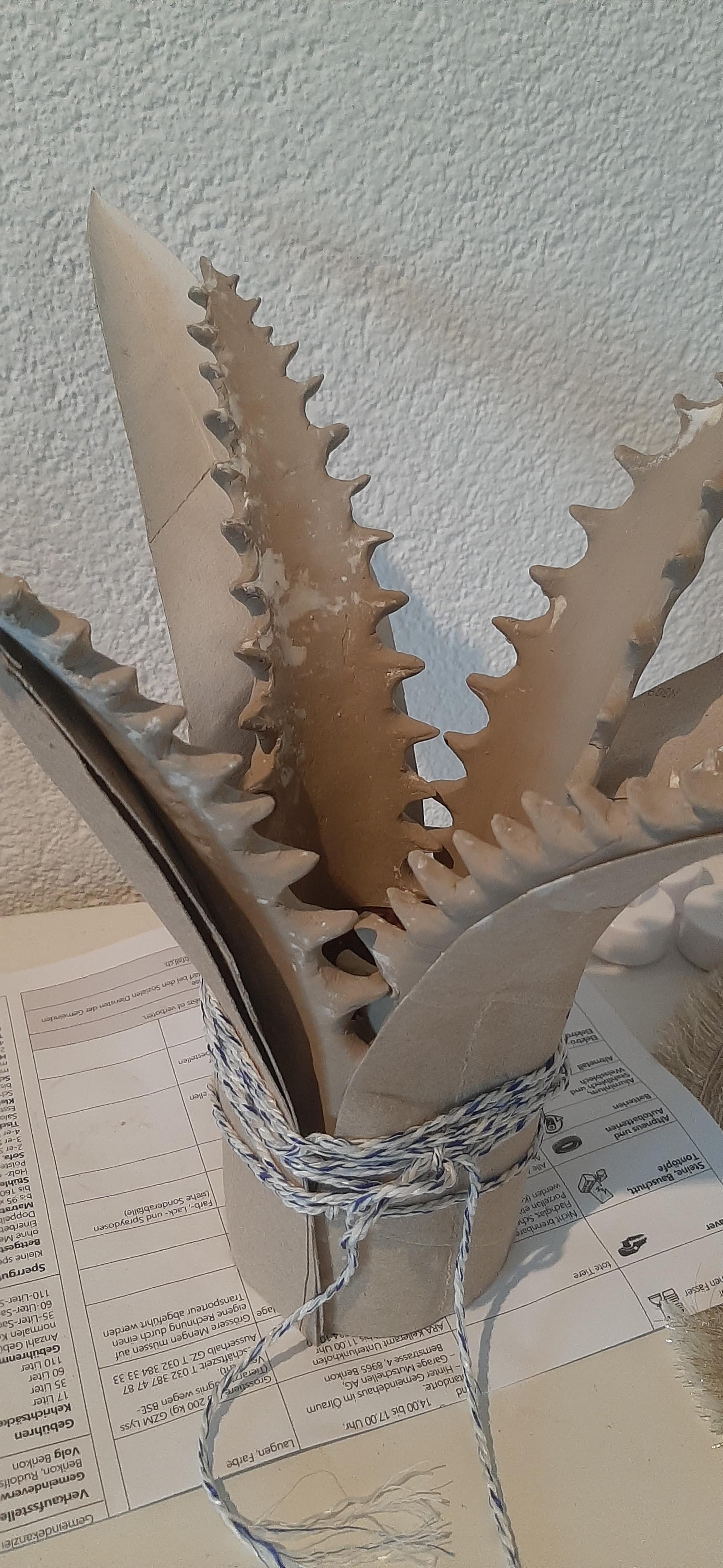
One of the very difficult parts of creating the vase was getting the 4 leaves together in the position they needed to be and securing them in place.
First the two on the inside, then the two on the outside. I had to use whatever materials I had on hand to secure them in that position. I also used the templates to support the structures and tied them with twine to keep them from moving.
Creating the Inner (core) Part of the Vase
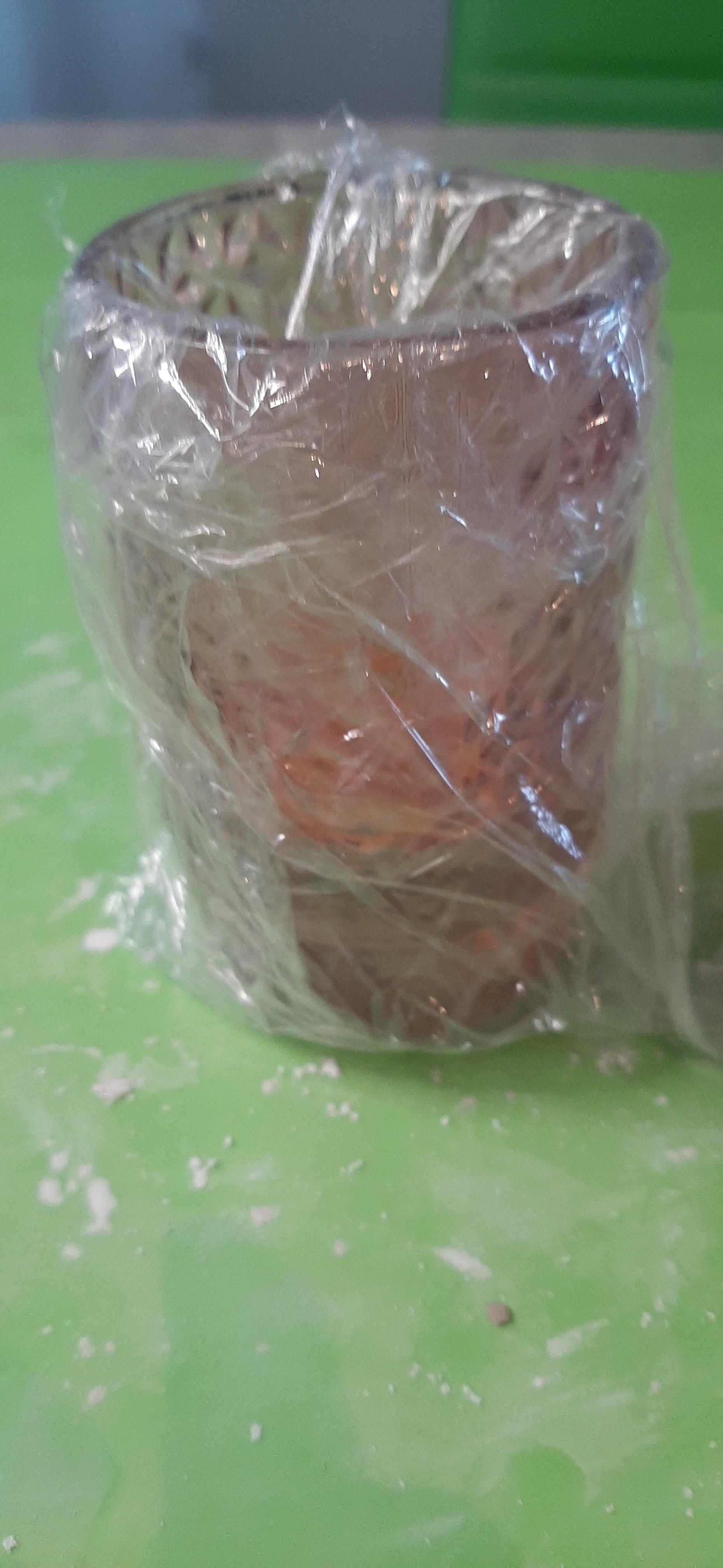
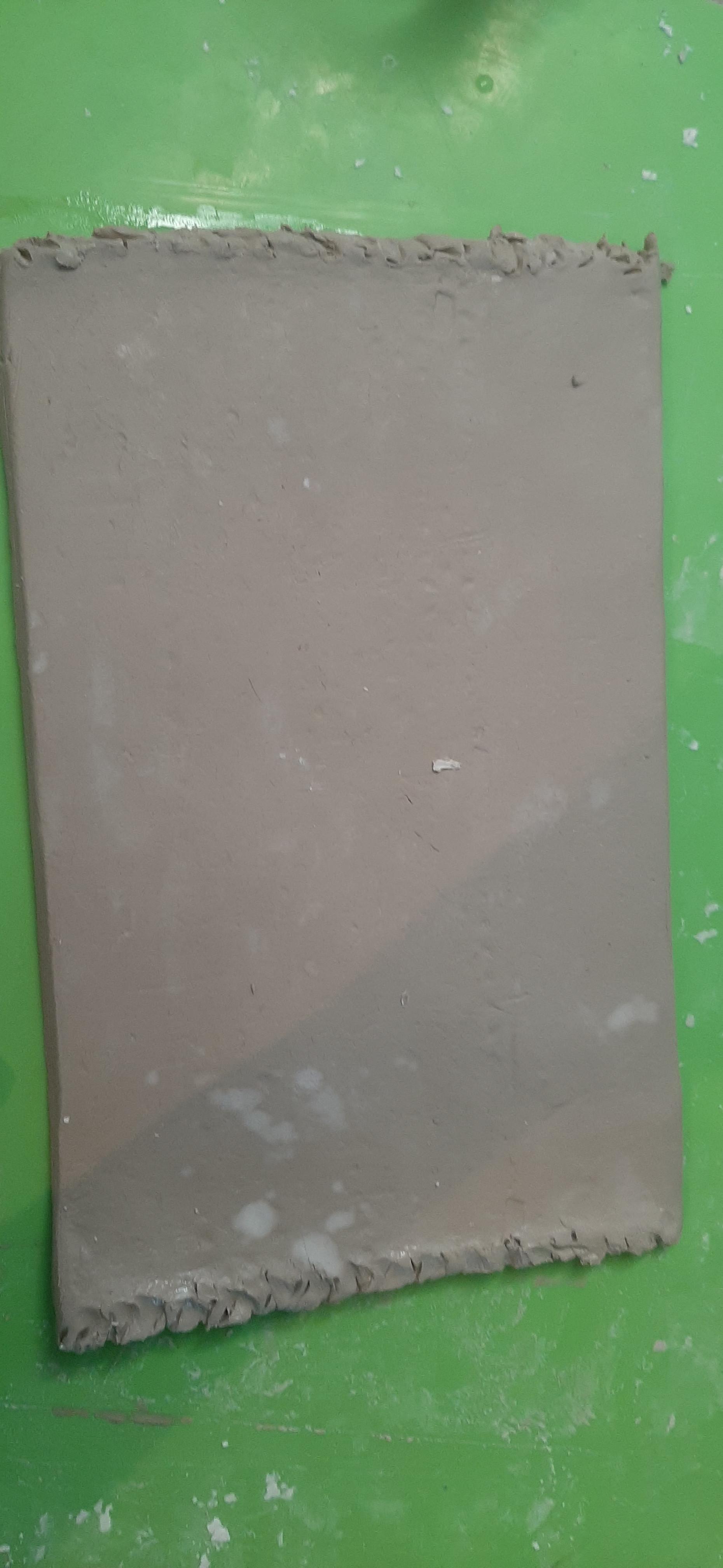
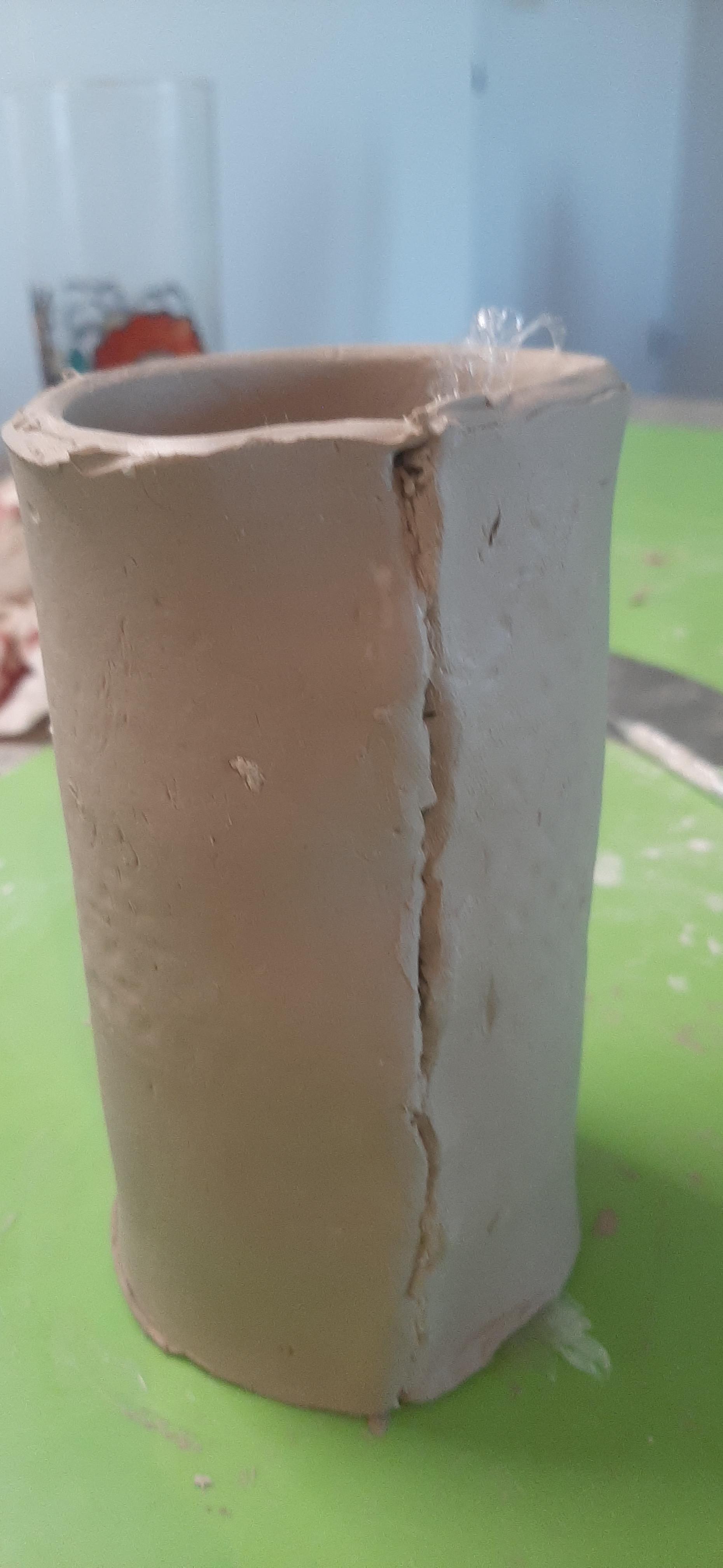
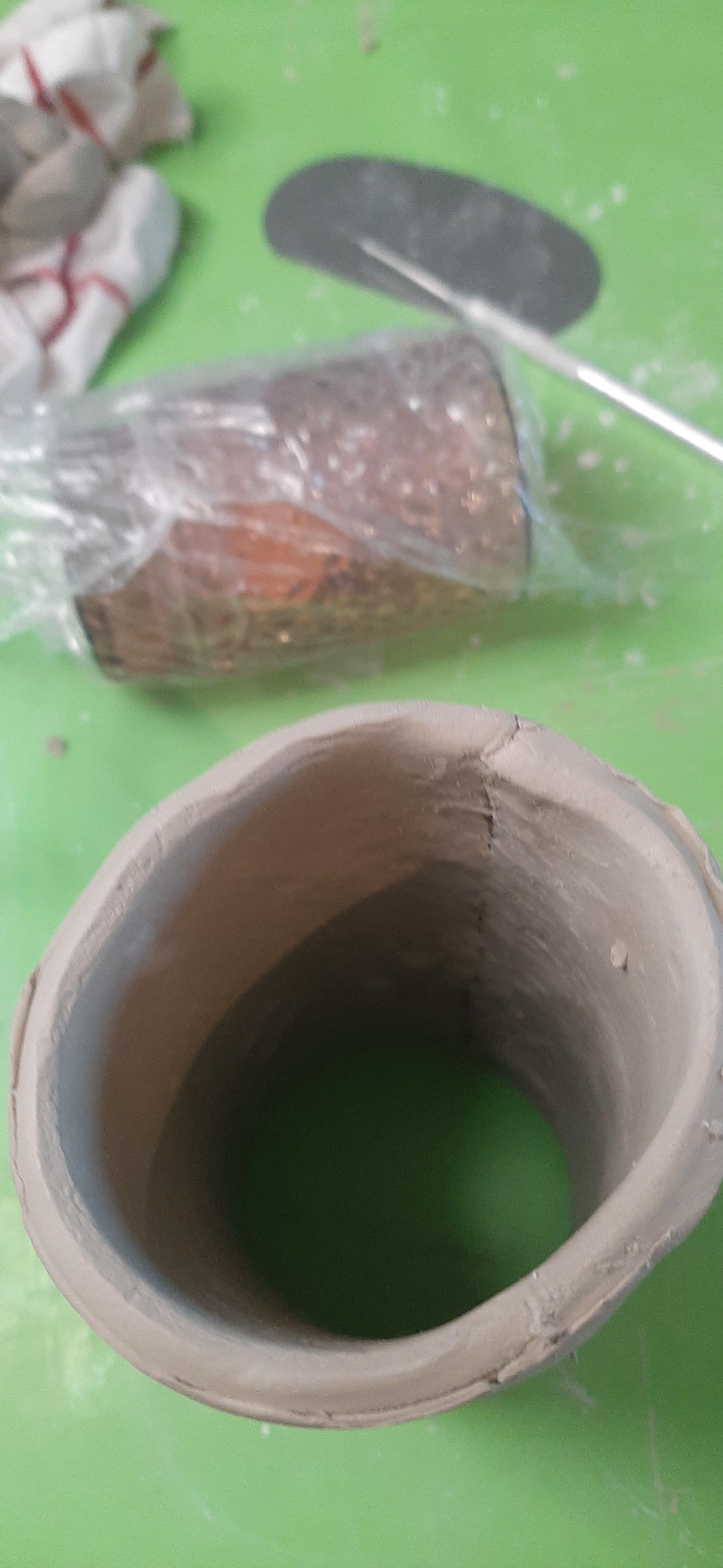
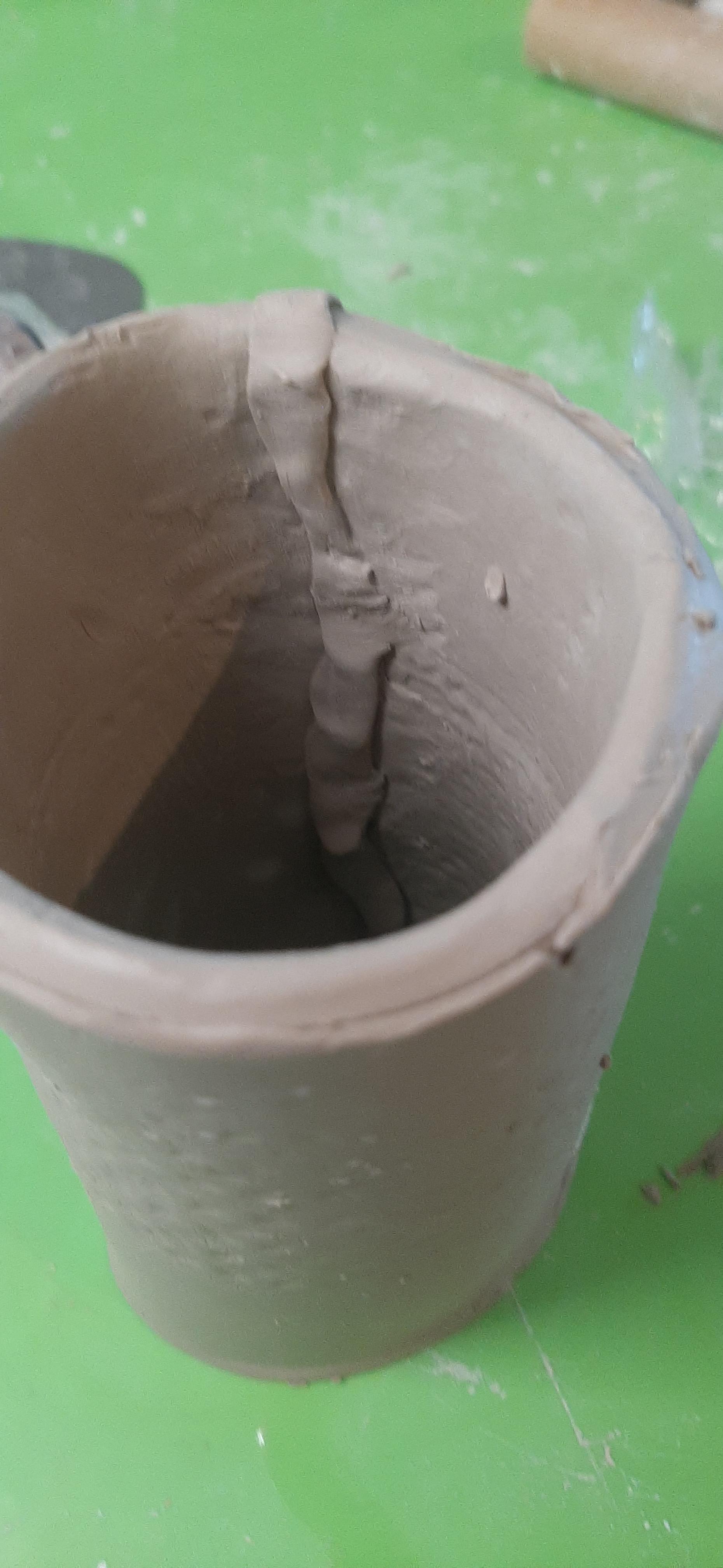
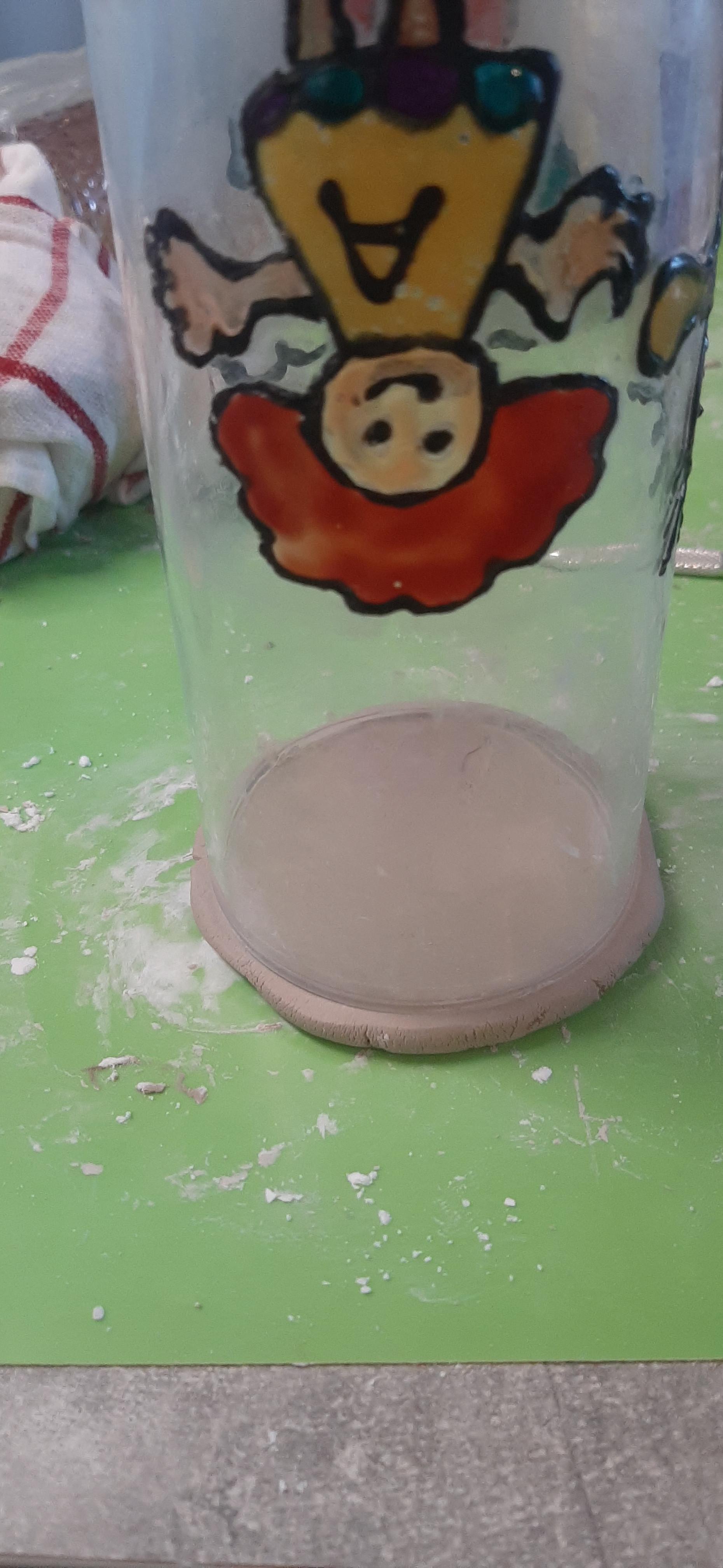
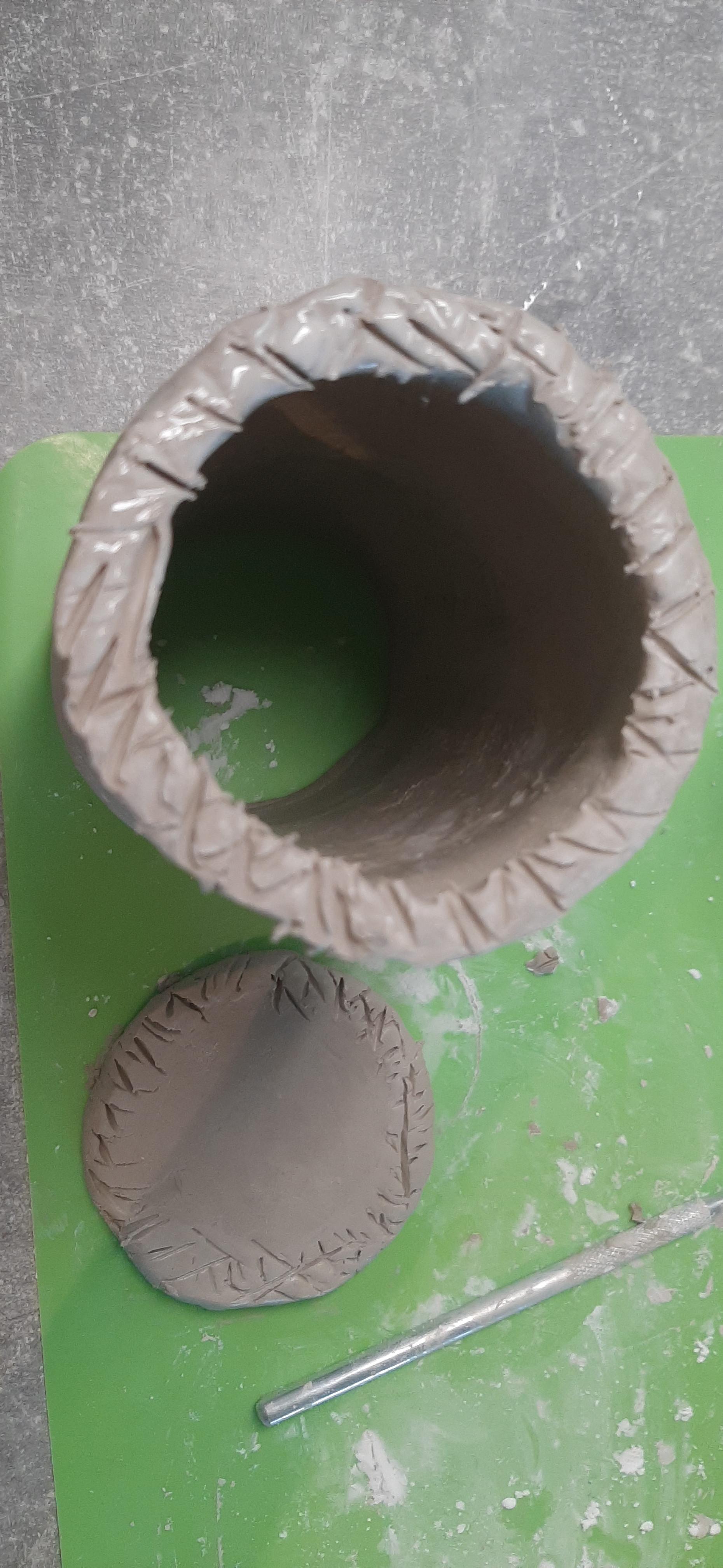
For now the vase is hollow. Only the 4 leaves are connected but the middle is open space so an inner vase had to be made. Sharpening a sheet of clay about 1 cm thick. The edges that will be connected are scratched and smeared with softened clay, gluing the two ends and forming a cylinder, forming the bottom and gluing it to the cylinder.
Connecting All the Parts and Completing the Vase
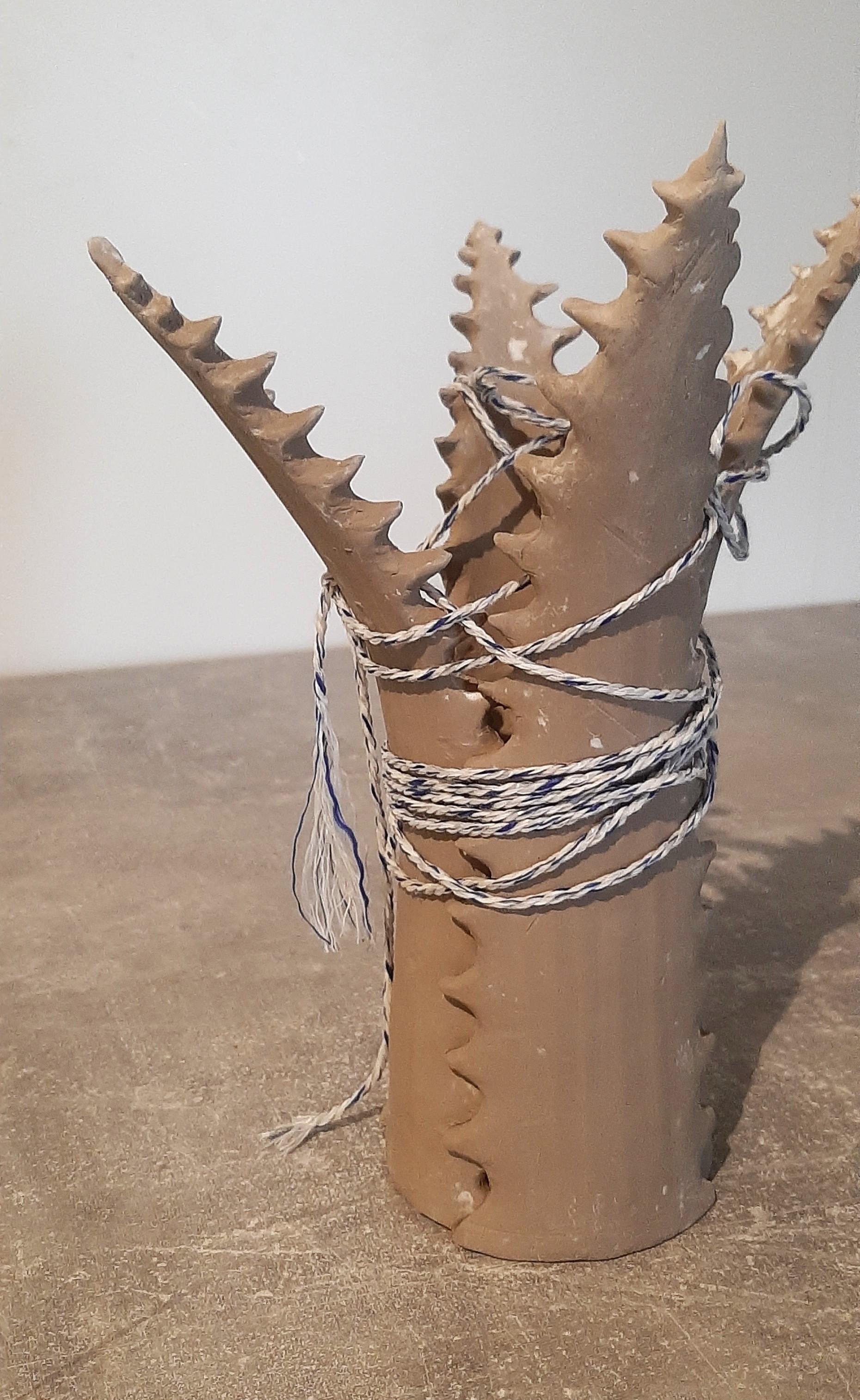
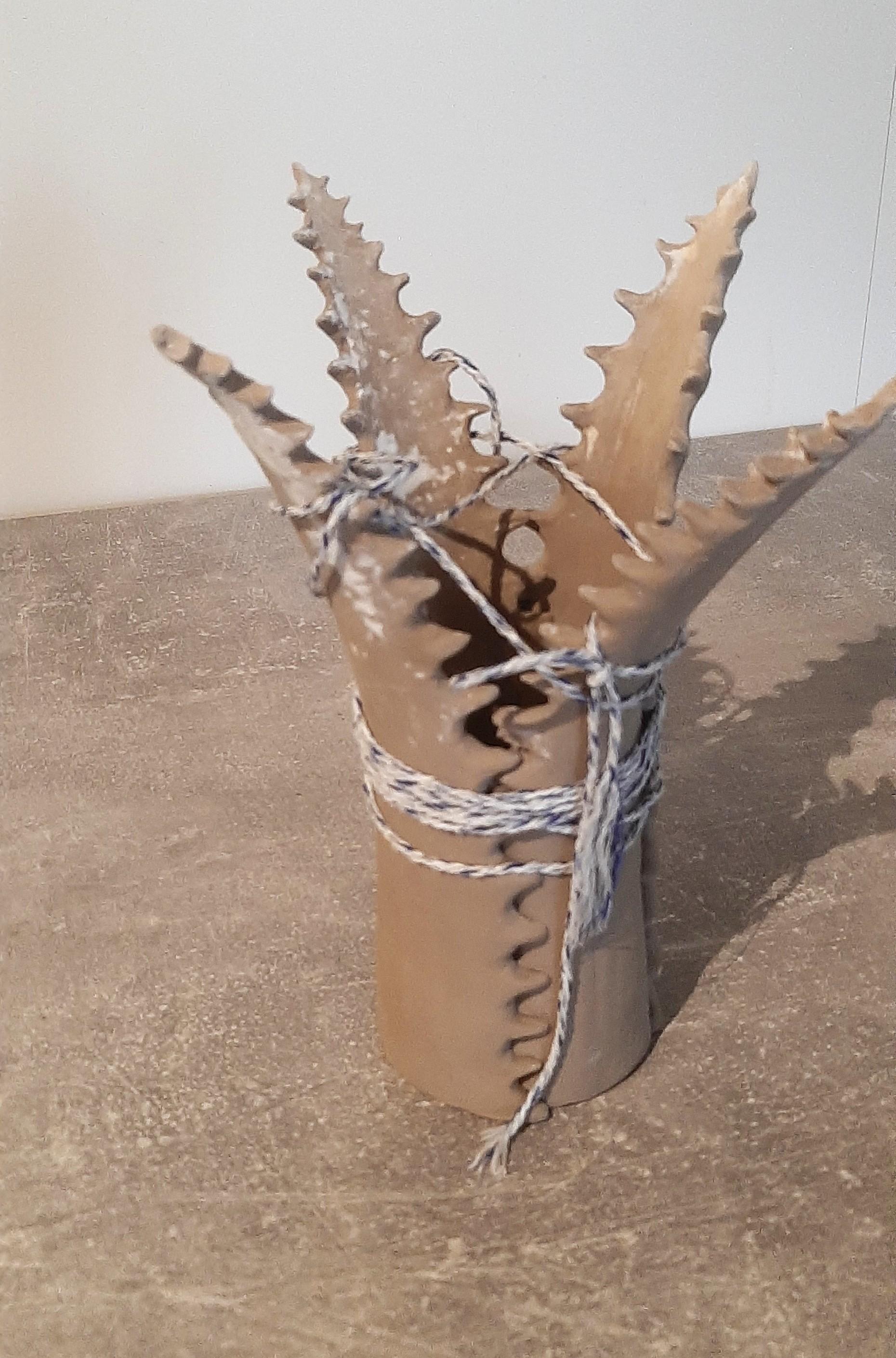
The inner vase created in this way is inserted between the 4 leaves, the vase and each leaf are pressed together to stick together.
Of course, the vase and the leaves are still very plastic and wet. To fix the position of the leaves I used twine. The finished vase will dry for at least 3 days.
After that, it can be sanded in some places if necessary
Finishing
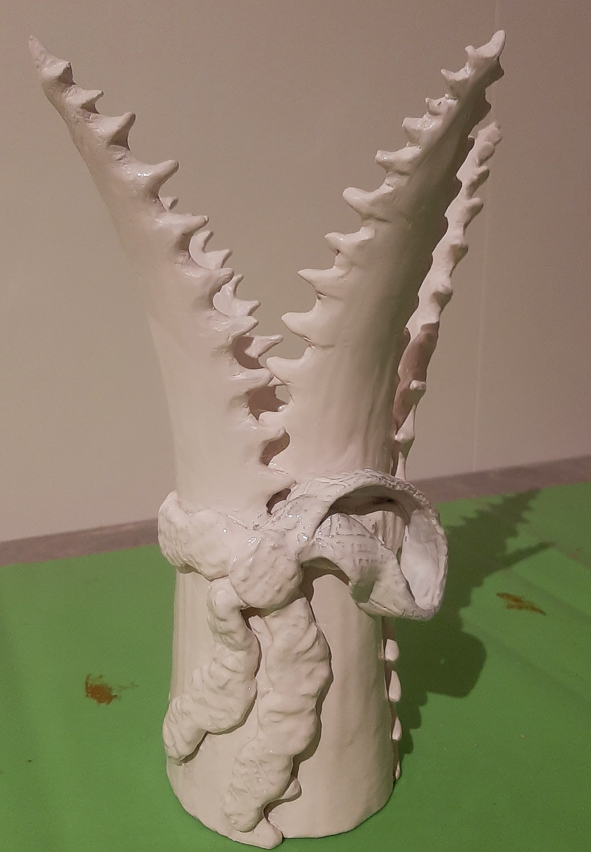
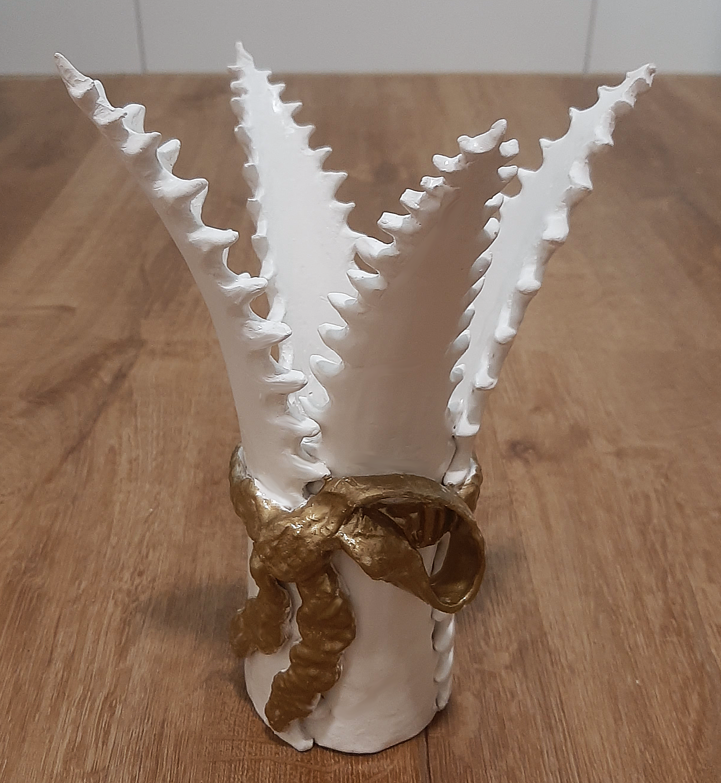
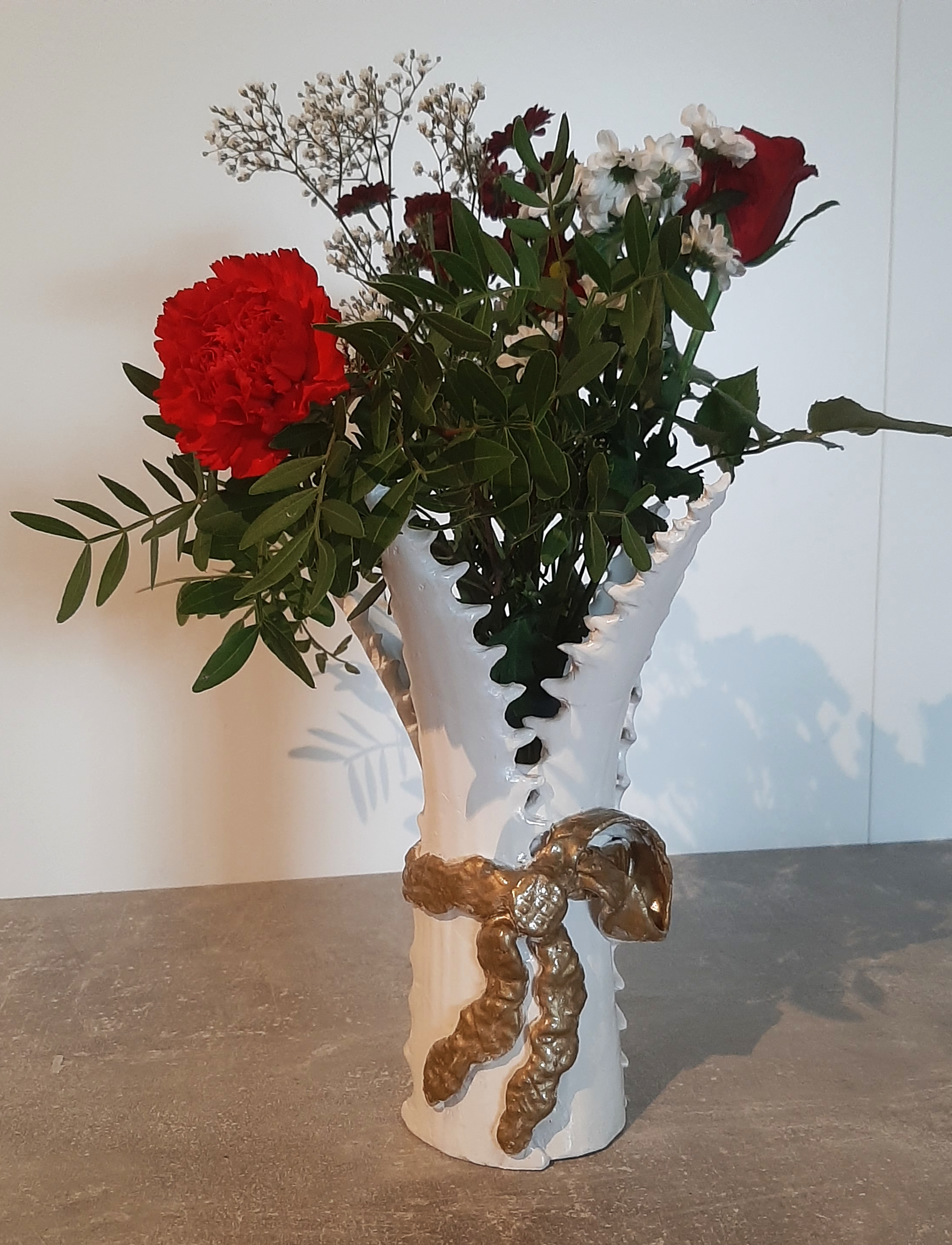
After two firing cycles at 900, 1100 degrees, glazing and finishing work - the result is a 100% functioning vase that can also be a standalone floral interior element in any home.