Curule Chair Project: From Cardboard Model to Finished Furniture
by Kudlas in Workshop > Woodworking
171 Views, 3 Favorites, 0 Comments
Curule Chair Project: From Cardboard Model to Finished Furniture


Curule chairs are one of those designs that instantly catch your eye. They fold, they look elegant, and they feel like something pulled straight out of history. I first noticed them at LARPs and medieval fairs that I attend, where a few people had their own versions. Seeing a chair that was both practical and stylish made me want to try building one myself.
I am more of a hobbyist woodworker than a furniture builder. I had made a hurdy gurdy and a few smaller woodworking projects, but this is my first real attempt at building a full piece of furniture. That made the project equal parts exciting and intimidating.
This build is not about perfect craftsmanship or following professional methods step by step. It is about experimenting, adapting, and learning while doing. Some ideas worked immediately, others failed and forced me to change direction. The process included improvisation, creative problem-solving, and a lot of patience. :-)
Supplies

Below is a list of what I used for this build. The exact dimensions can be adjusted to your own plans, but these worked well for me. I split everything into materials and tools, and whenever something is more advanced, I also mention a lower-cost alternative.
Materials
- Beech wood/beech doorsills
- Main structural material for rails, backrest, and other solid parts. Good balance between price and hardness.
- Beech plywood, 8 mm thick (3 sheets)
- Used for laminated bent legs. Three layers glued together gave roughly 25 mm of thickness.
- Laminated beech doorsills, about 40 mm thick
- Created by gluing pieces together. Used for rails and parts that needed extra strength.
- 4 mm thick leather
- Used for the stamped seat instead of wooden slats. Provides comfort and flexibility.
- D3 PVA wood glue
- Main glue for laminating wood and structural joints.
- Dowels
- Used to join the legs to the rails.
- Metal rods (3D printer rods)
- Used as axes for the folding mechanism.
- Nuts and screws
- Nuts glued into small wooden blocks to secure the threaded axes.
- Wood dye (ethanol-based)
- Coloring the wood before final finishing.
- Oil-based colors
- Used for weathering effects during finishing.
- Leather dye
- To color the stamped leather seat.
- Transfer paper
- For transferring designs onto the backrest.
- Sandpaper (multiple grits)
- Needed for shaping and finishing.
- Masking tape, disposable brushes, mixing cups, and sticks
- Small consumables that make glue-ups and finishing easier.
Tools
- Bandsaw
- Used for cutting leg shapes and jig parts.
- Low-cost alternative: jigsaw or handsaw with extra sanding afterward.
- Belt sander
- For shaping and making multiple parts match.
- Low-cost alternative: sanding block or random orbital sander.
- Router
- Used to soften and round edges on the legs.
- Low-cost alternative: rasp and hand sanding.
- Hand drill
- Main drilling tool, guided by custom jigs.
- 3D printer (optional but very helpful)
- Used to make drilling jigs that ensured accurate holes.
- Low-cost alternative: wooden templates or carefully measured drill guides.
- Clamps (lots of them)
- Essential for laminating plywood, jig work, and glue-ups.
- Angle grinder
- Used to cut metal rods and prepare them for threading.
- Low-cost alternative: hacksaw and file.
- Tap and die tools
- For making threads on the metal axes.
- Chisels and carving tools
- Used to create relief carving on the backrest.
- Low-cost alternative: basic carving knife set.
- X-Acto knife or utility knife
- For cardboard templates and small detail work.
- Hammer
- Used for transferring hole locations with pointed screws.
- Lathe
- Low-cost alternative: handheld drill
Optional extras like leather stamps, transfer paper, and the 3D printed jigs are not strictly required, but they made the final result cleaner and easier to reproduce.
Paper Model From Old Boxes

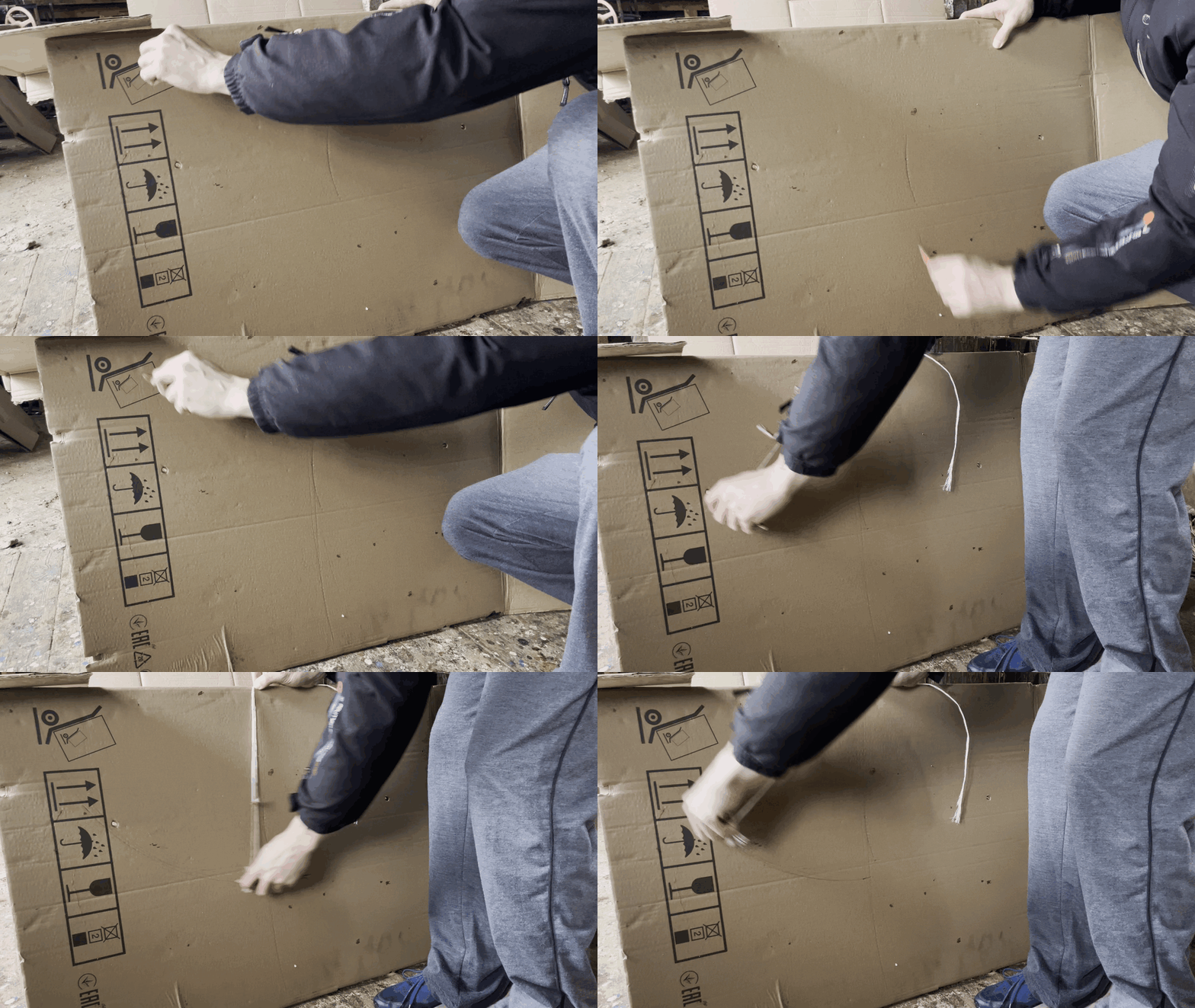
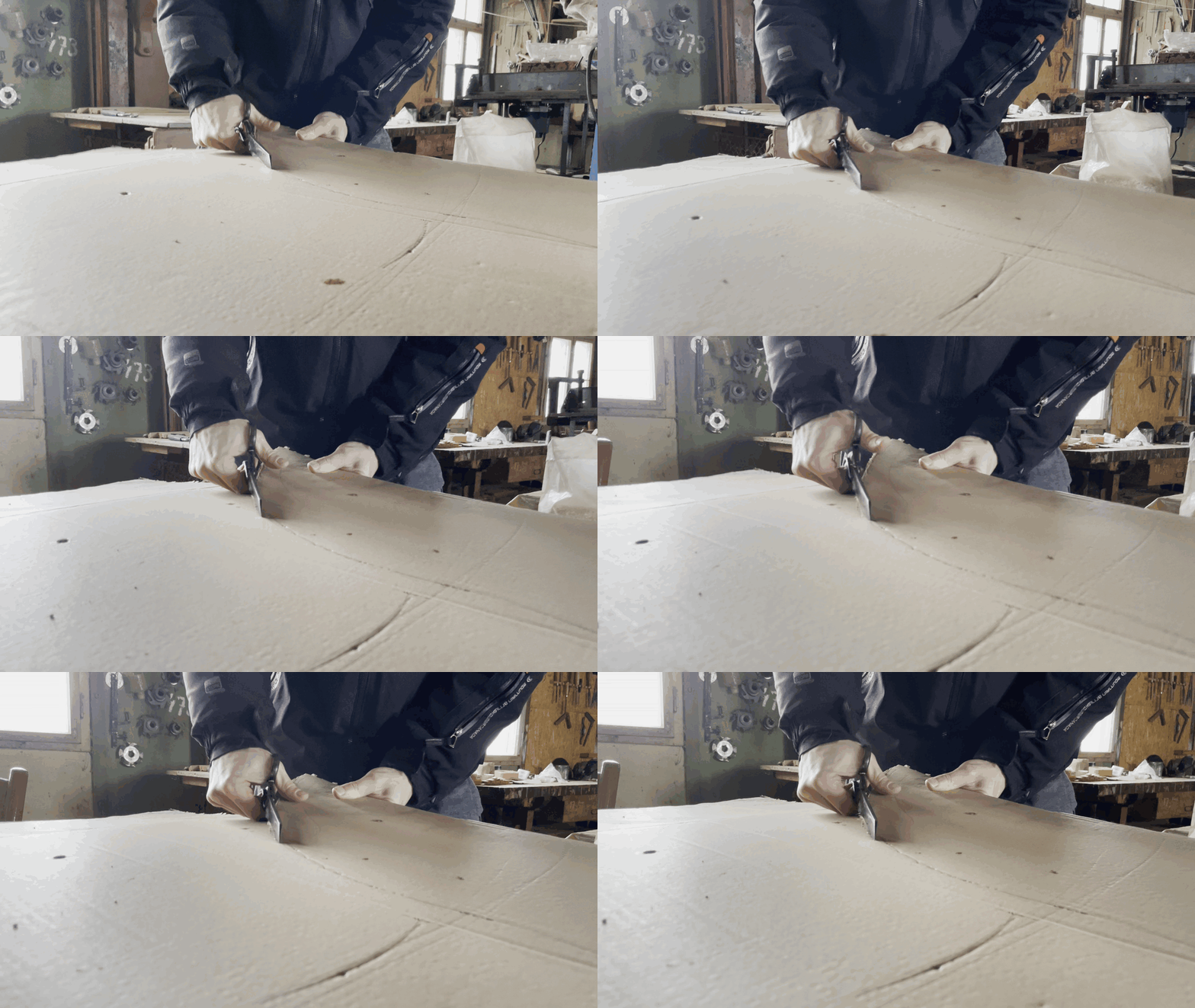
Before touching a single piece of wood, I built a full-size cardboard mockup of the chair. Honestly, I didn’t really know the dimensions yet. I only had a strong visual idea in my head of how the curule chair should look. Making a paper model felt like the safest way to explore that idea without burning through good material or making expensive mistakes.
I used regular cardboard boxes and built the model at real-world scale. This wasn’t just a tiny concept model; it was something I could actually walk around, adjust, and visually feel in the space. The cardboard also gave me freedom to experiment with the final shape before committing to anything permanent.
To start shaping it, I grabbed a wooden stool that already had roughly the right seat height. From there, I taped cardboard pieces onto it to create a rough seat, armrests, and back support. Once the basic form was there, I sketched directly onto the cardboard and carved the shapes using an X-Acto knife. It was very hands-on - lots of cutting, stepping back, looking at it, and changing things again.
The most difficult part was the legs. I had to sketch them first, cut them out, test them, then alter them again… and again. I ended up with multiple versions of the leg piece before anything felt right. But that was exactly the point - failing fast with cardboard is way better than failing with hardwood.
In the end, the paper model gave me a clear sense of scale and how big the chair would actually feel in real life. It also taught me something important: designing a chair like this without a proper CAD model is nearly impossible if you want everything to line up mechanically. So instead of forcing it, I looked up an existing free curule chair model and used it as inspiration, especially for the mechanical parts. The cardboard version became the bridge between my initial idea and a design that could actually be built.
Plans I was inspired by are from a great website called Craftmanspace.com. This is the chair page.
Obtaining Materials From the Hardware Store


With the cardboard model done and the idea starting to feel real, it was time to go shopping for actual materials. I wanted something that felt solid but didn’t destroy the budget, so I went with beech plywood and beech doorsills a compromise between hardness, price, and availability. I bought several pieces because I already knew there might be some trial and error along the way.
The legs were going to be the interesting part. Instead of trying to bend solid wood with steam or boiling water, I had a different plan in mind: laminating thin layers together in a bent shape so they would keep the curve once the glue cured. For that, I picked up three 8 mm sheets of beech plywood. The plans called for around 25mm thick legs, so laminating three layers together would land in that range.
Along with the wood, I grabbed D3 PVA glue for strong joints, ethanol-based wood dye for finishing, and dowels for clean connections. And of course, all the small things you always forget until you’re already in the workshop: several grits of sandpaper, extra clamps, disposable brushes for dye, masking tape, a few wood screws for temporary positioning, mixing cups and sticks for glue, and replacement blades for the X-Acto knife.
When picking the wood, I spent a bit of time checking each piece. Straight boards were the priority, and I tried to avoid knots as much as possible since they can cause problems later, especially on parts that need strength or clean shaping.
Not everything matched the plan perfectly, though. The armrests and the back plates for the legs weren’t available in the thickness I needed. The solution was simple, but added extra work. I glued two pieces of door sills together to reach the required 40 mm thickness. Not ideal, but that’s life.
All together, the material run cost about 3000 CZK (roughly 145 USD). I don't count the unused, but bought, parts.
By the end of the trip, the car was full of wood, and my wallet was slightly lighter. 😂
Build of a Bending Jig
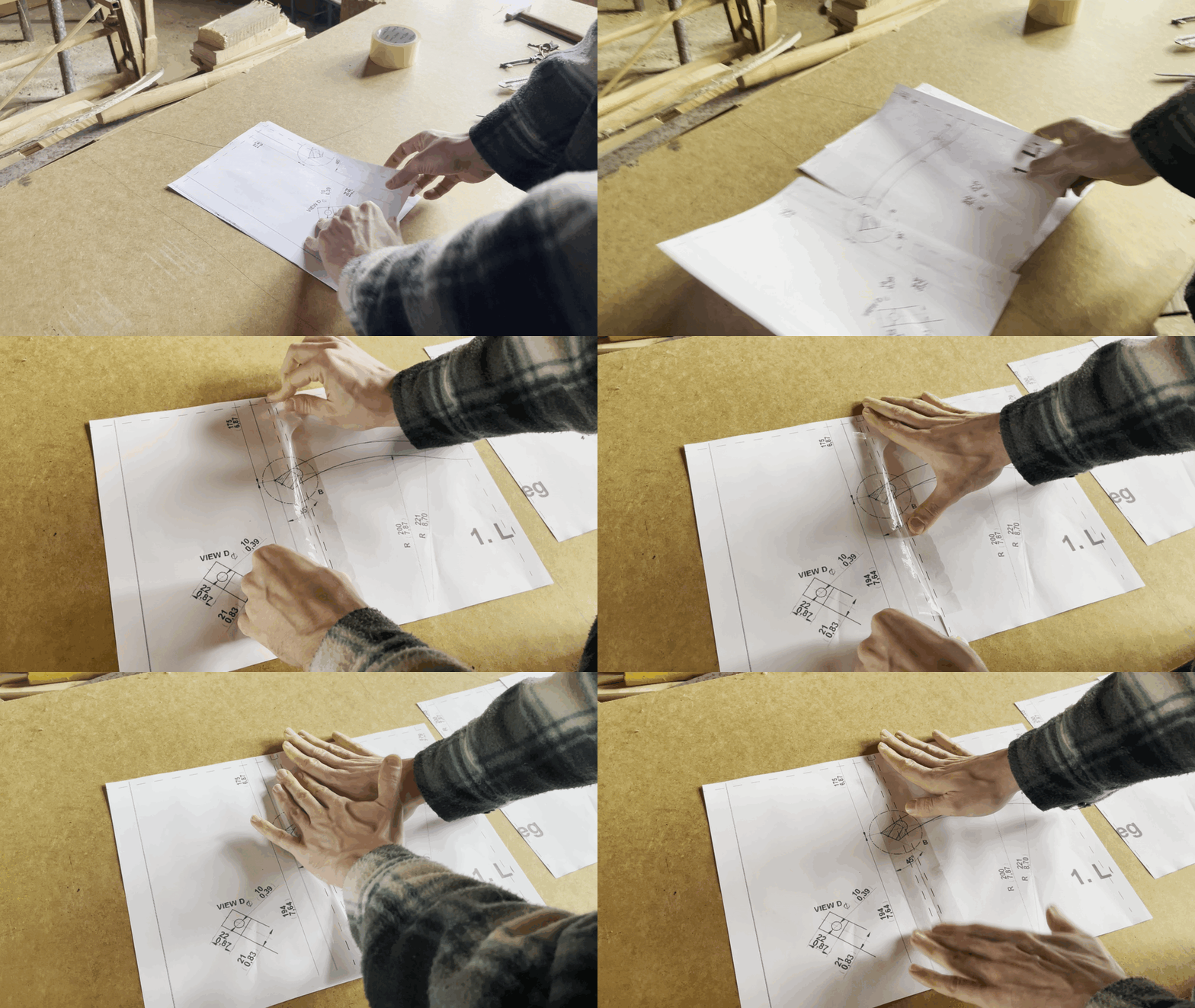

To get accurate shapes, I started by printing a full-size 1:1 template. The website bigprint.js was super helpful here because it let me print the design across multiple A4 sheets at real size, which I could tape together into one large pattern.
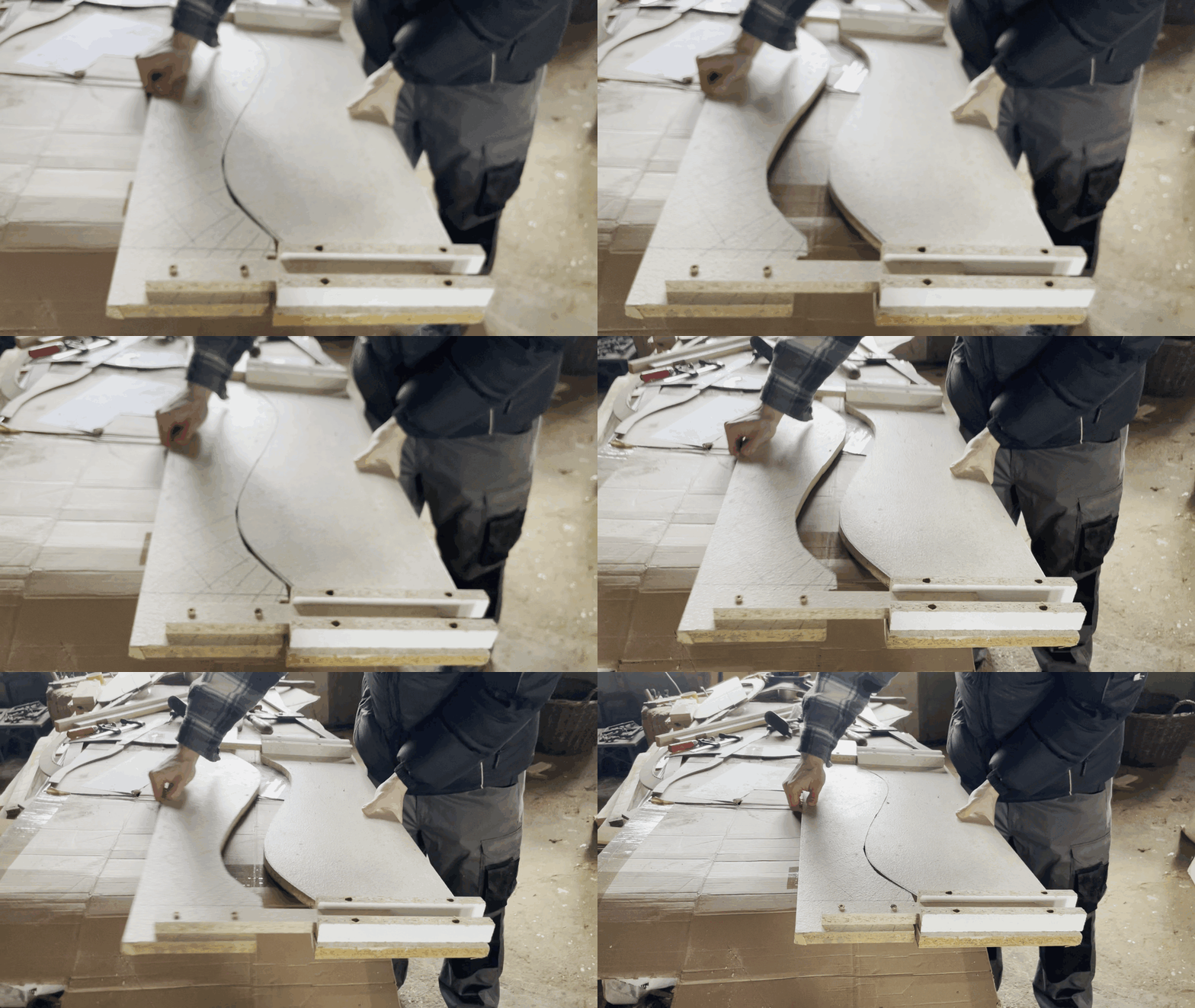
The bending jig was all about one thing: making the curved legs of the chair. The idea sounded simple in theory. The jig had two parts, a top and a bottom, both shaped to match the curve of the leg. The plan was to glue three layers of plywood together and clamp them between these curved forms so the wood would cure and permanently hold the bend.
For the jig itself, I used boards from an old closet from the 1970s that had been lying around. The particleboard was covered in several layers of old wallpaper, so I had to scrape all of that off before the material became usable. Once cleaned up, I cut the curved shapes on my old, trusty bandsaw, which is probably even older than the closet.
I ended up building three jigs with interlocking sections. Originally, I wanted to use drawer slides to guide the movement, but they were way too expensive, so I made a DIY version from the particleboard instead. For clamping, I used regular metal clamps from the workshop and tried to tighten everything evenly along the curve.
The setup looked promising and ready for glue, but the real challenge came during the lamination step.
Laminating the Bent Legs
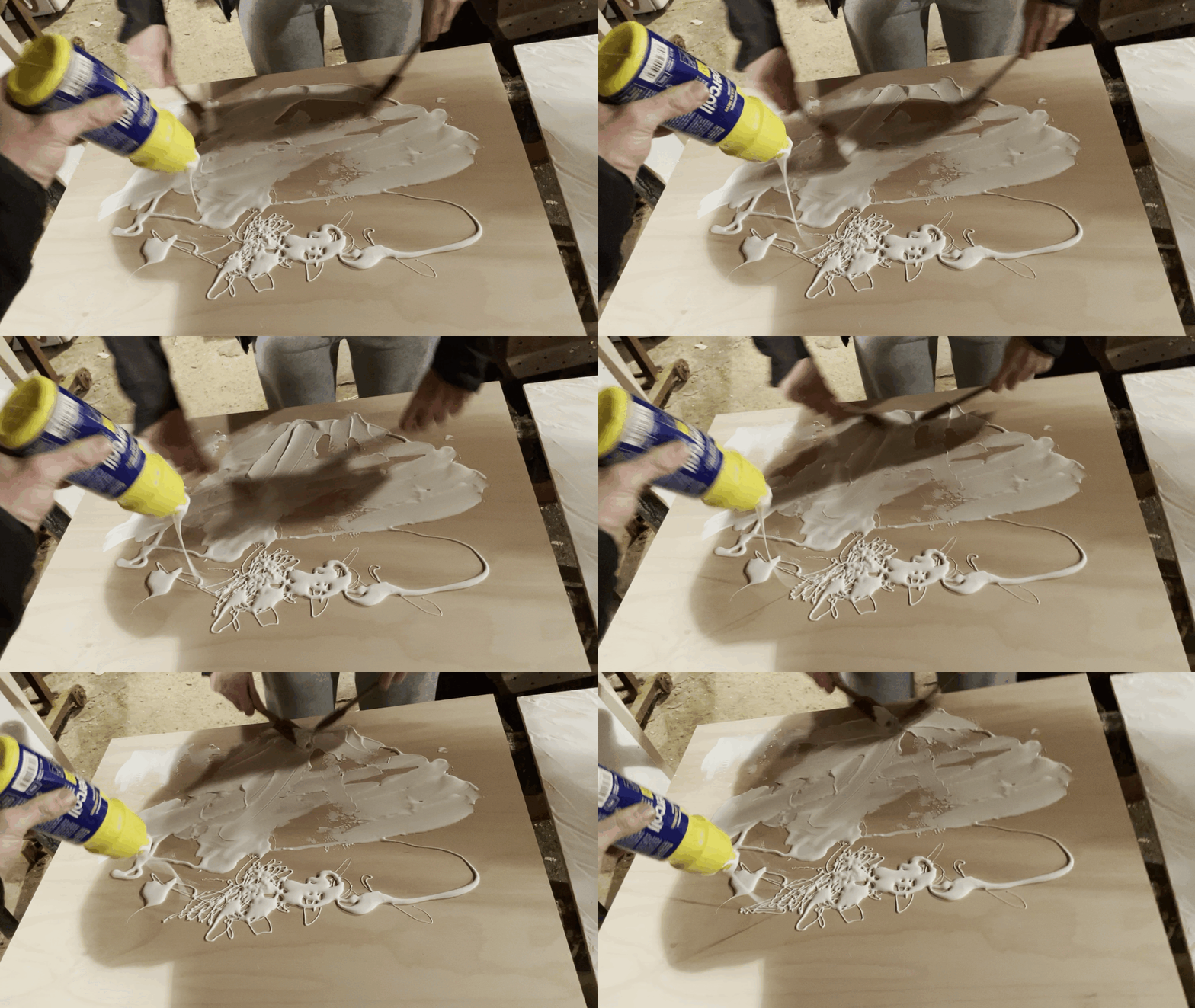
At first, I thought I would cut each leg layer individually, glue them, and then bend them inside the jig. That sounded painfully slow, so I tried to save time by doing something more ambitious, gluing full plywood sheets together and bending the whole block at once.
I applied PVA glue between the sheets, spreading it with an old kitchen spatula. That is where reality hit. Even with all the clamps tightened as much as possible, I simply could not generate enough force to bend the full plywood sheet. The material was too stiff, and despite all the effort, the idea failed. The jig itself worked, but the bending method did not.
The lesson was clear. The plywood was too thick for this kind of bending with the tools I had available. Instead of fighting it, I changed direction. I scraped off the old, semi-set glue, reglued the sheets flat in a straight stack, and let them cure that way.
Once fully cured, I cut the curved leg shapes directly from the laminated block. It was not the elegant solution I imagined at the start, but it worked reliably. Sometimes the real skill is knowing when to change the plan instead of trying to force the material to do something it does not want to do.
Cutting Legs on the Bandsaw


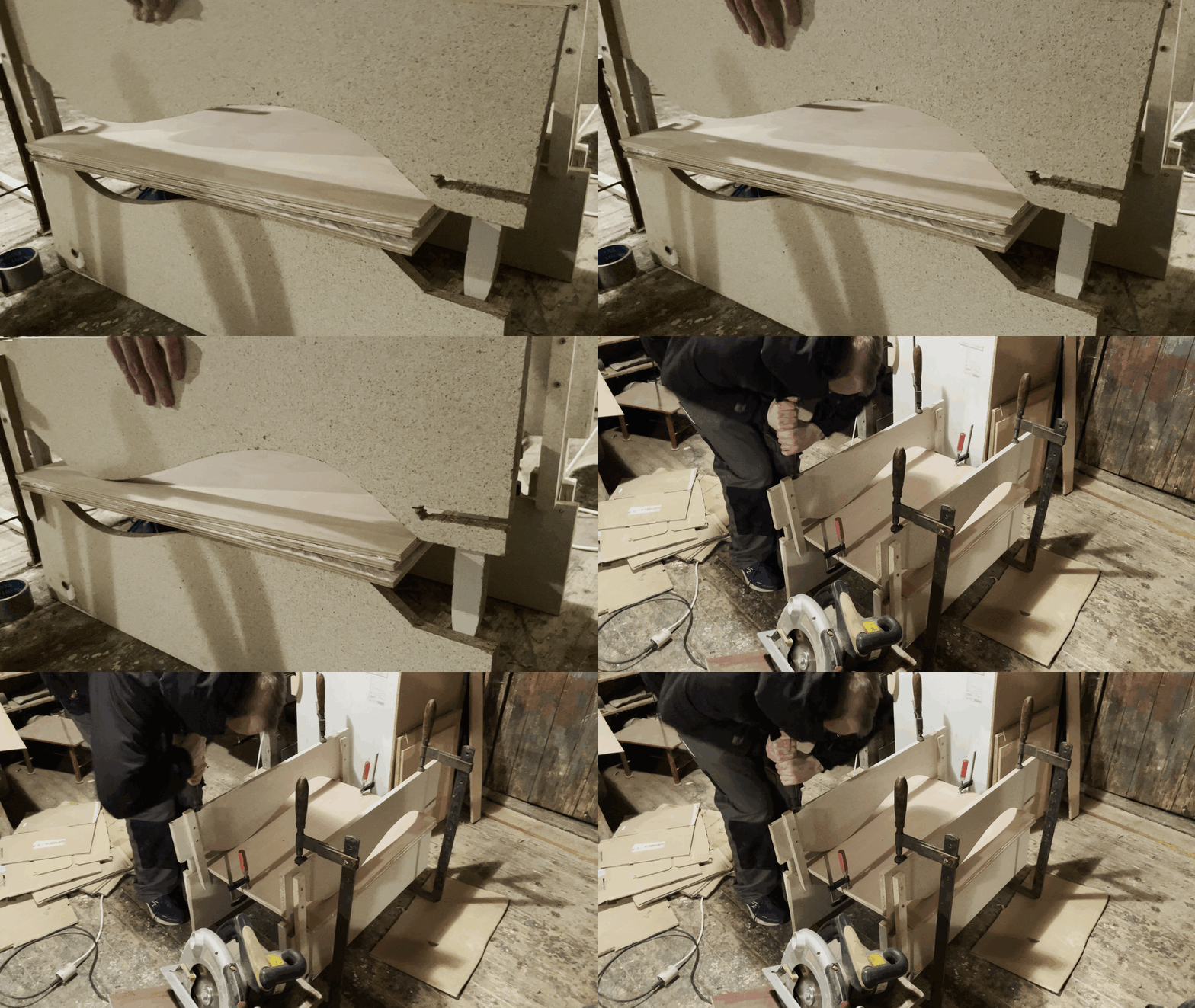
After laminating the plywood and preparing the glued blocks, it was finally time to make the legs look precise and clean.
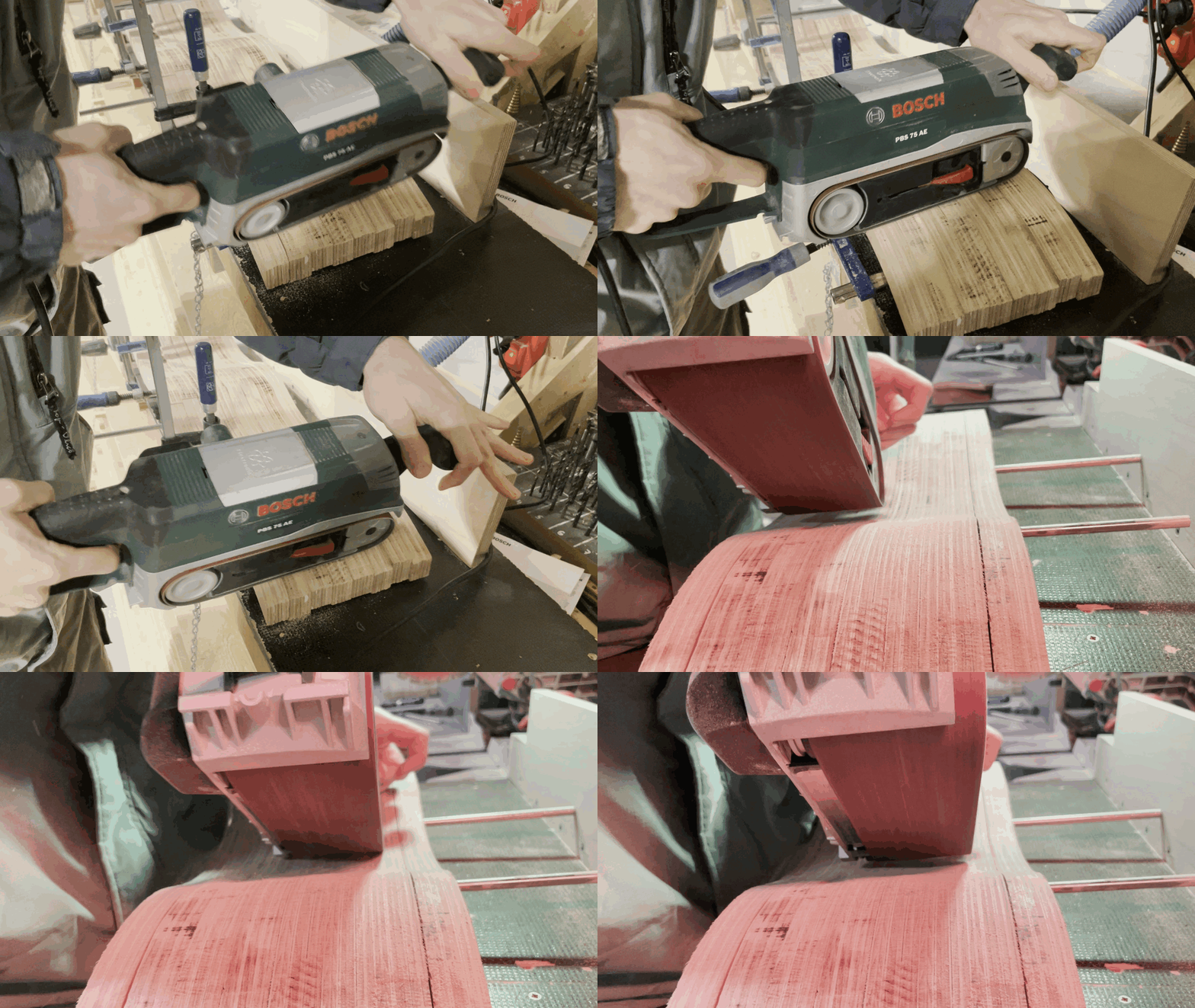
Using the paper template, I cut the first leg on the bandsaw and then refined it on the belt sander until it looked just right. That first clean piece became my master template. I traced it onto the block again and cut the next one on the bandsaw. This process was repeated for all 16 legs, one by one. The block was large enough that I actually ended up with two extra pieces, which turned out to be a lucky accident because it allowed me to experiment a little with shapes and finishing.
Once the rough cutting was finished, I clamped eight legs at a time and sanded them together as a single block. Since there are eight legs per side of the chair, this guaranteed that each set ended up with the same profile. The process took quite a while, and by the time my friends walked into the workshop, they started singing “Do you wanna build a snowman,” because I was completely covered in sawdust and honestly looked like one.
After the sanding marathon, I ran a router along the edges to soften them and give the legs a cleaner, more professional look. At this point, the legs finally looked finished, but there was still one more important step before they were truly ready.
Drilling the Legs and the 3D Printed Jig
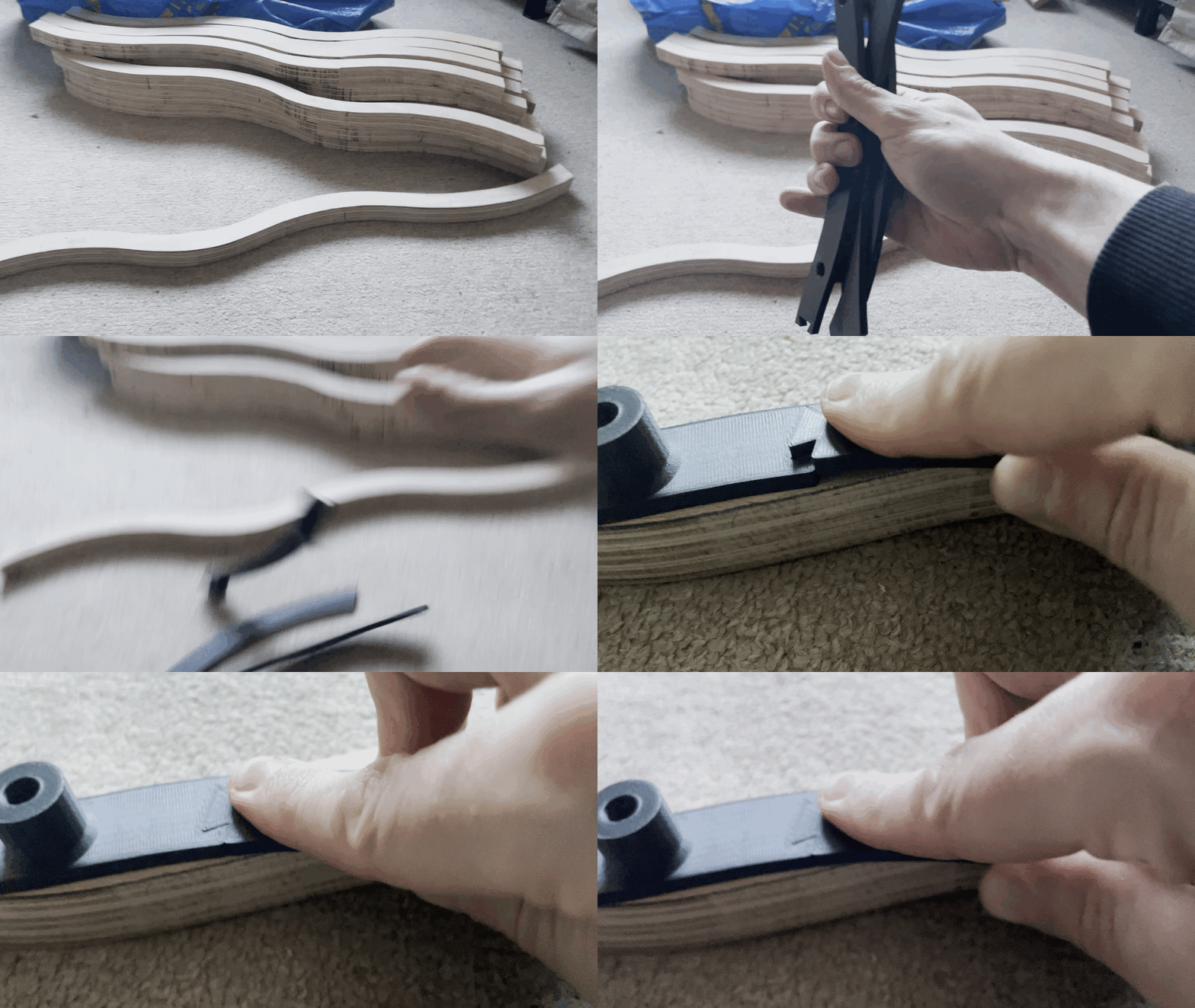

The paper template already included the drilling positions for the axes, but I did not have access to a drill press at the time and did not want to risk freehand drilling. To make sure everything lined up perfectly, I designed and 3D printed a drilling jig, which was in the shape of the leg.
The jig ended up being too large to print in one piece, so I split it into three sections using a jigsaw-style pattern so they could snap together without glue. The jig includes guide tubes that keep the drill bit straight and prevent the holes from wandering. With the jig and a hand drill, it actually was the fastest and easiest option. I am attaching all the printed models, so you can print them too! 😉
I clamped the jig onto my master leg (why do I keep reading "master leg" with videogame boss voice?) and drilled it first. That drilled leg then became the new MASTER template for all the others. My original idea was to clamp three legs together, one to guide the drill, one to be drilled, and one as a backing piece to prevent tear-out while also marking the next leg. In practice, this turned out to be too imprecise, so I switched to clamping only two legs at a time and drilling into a spare sacrificial piece of wood.
Downloads
Chair Backrest

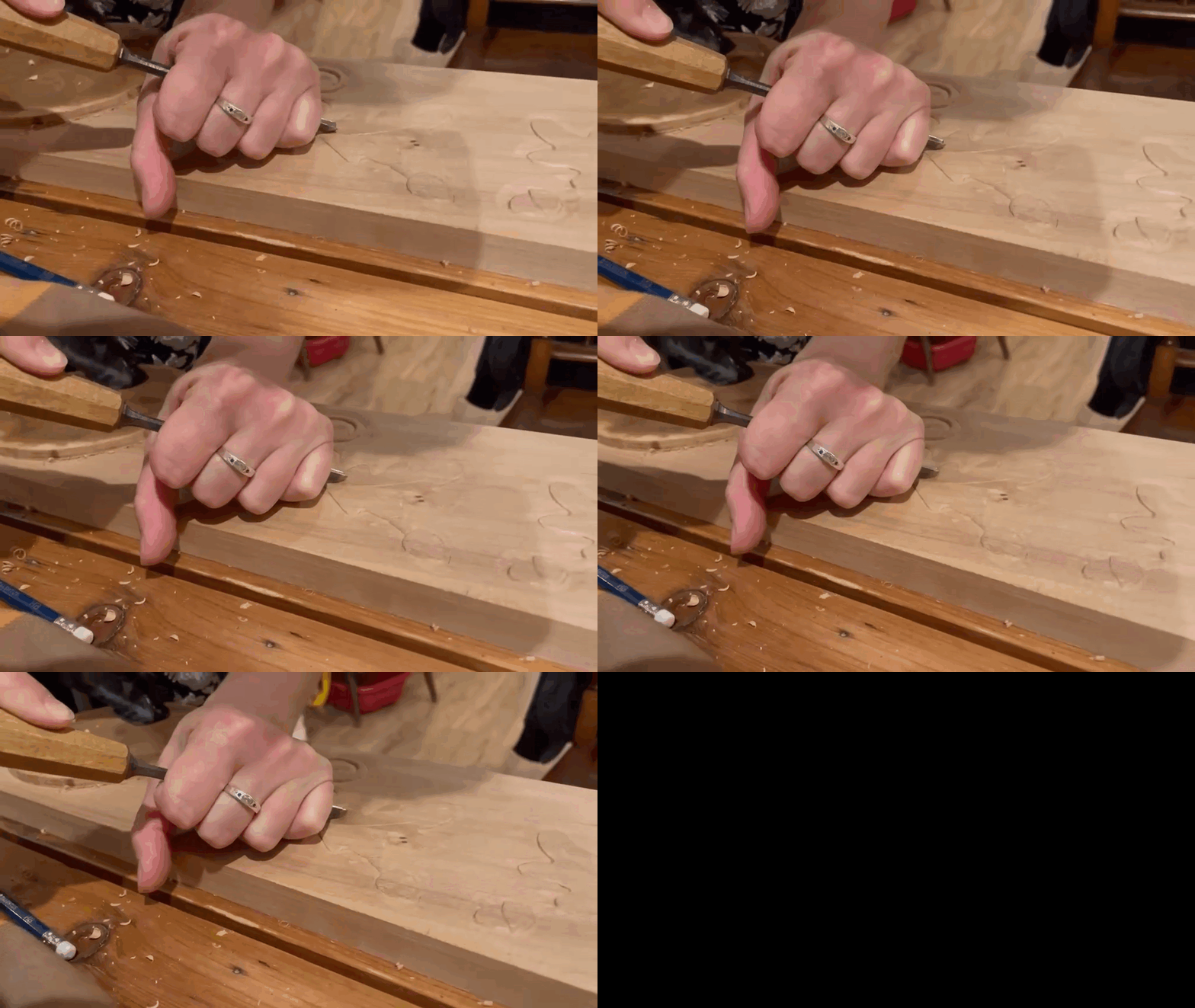
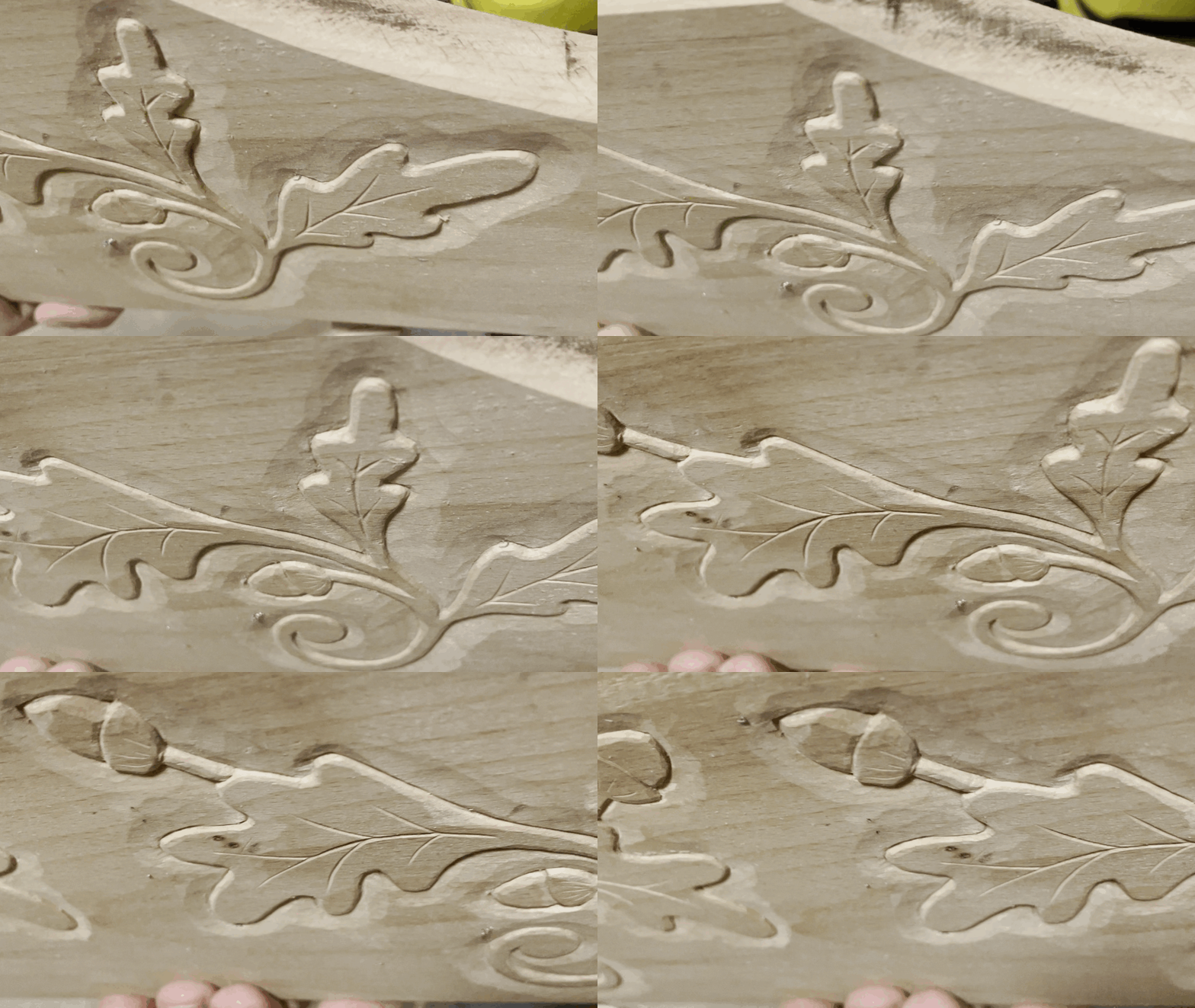
The backrest is made from a beech doorsill, which turned out to be a really nice base material for something that needed both strength and a bit of character. For the design, I went with an oak leaf and acorn motif. Funny enough, it is an oak design carved into beech wood, but the inspiration actually came from my earlier build of a hurdy gurdy, where I experimented with similar decorative elements.
I wanted the decoration to stand out instead of just being painted or burned in, so I decided to have chisels carved reliefs. At the same time, the backrest also needed to stay functional. I drilled the necessary holes so the curule chair could still fold and assemble properly when moving from the folded state into the sitting position.
The design itself started on paper. Once I was happy with the drawing, it was transferred to transfer paper and then onto the wooden piece. This method helped keep the proportions clean and gave me clear lines to follow while carving.
Honestly, the hardest part was not the carving itself but coming up with the design. In the end, the backrest became one of those parts that adds personality to the chair and makes the whole build feel less like pure engineering and more like something handmade.
Turning Wooden Bushings on the Lathe


One issue appeared because the chair was originally designed to have wooden slats between the leg pieces. Without them, the whole structure felt a bit wobbly. To fix this, I made wooden shims, or bushings, that sit between the legs and keep the spacing consistent.
I started by cutting small squares from material that matched the original slat thickness as closely as possible. Each piece was drilled through the center and then shaped on the lathe. To make the process faster, I stacked seven pieces at a time onto a threaded bar and mounted the whole assembly in the lathe. This allowed me to shape multiple bushings at once instead of turning them individually.
After shaping, I disassembled the chair, inserted the new bushings between the legs, and put everything together again. The result was worth the extra step. The bushings fit cleanly, remove the wobble, and allow the folding mechanism to move smoothly while keeping the spacing consistent.
Axes and Assembly
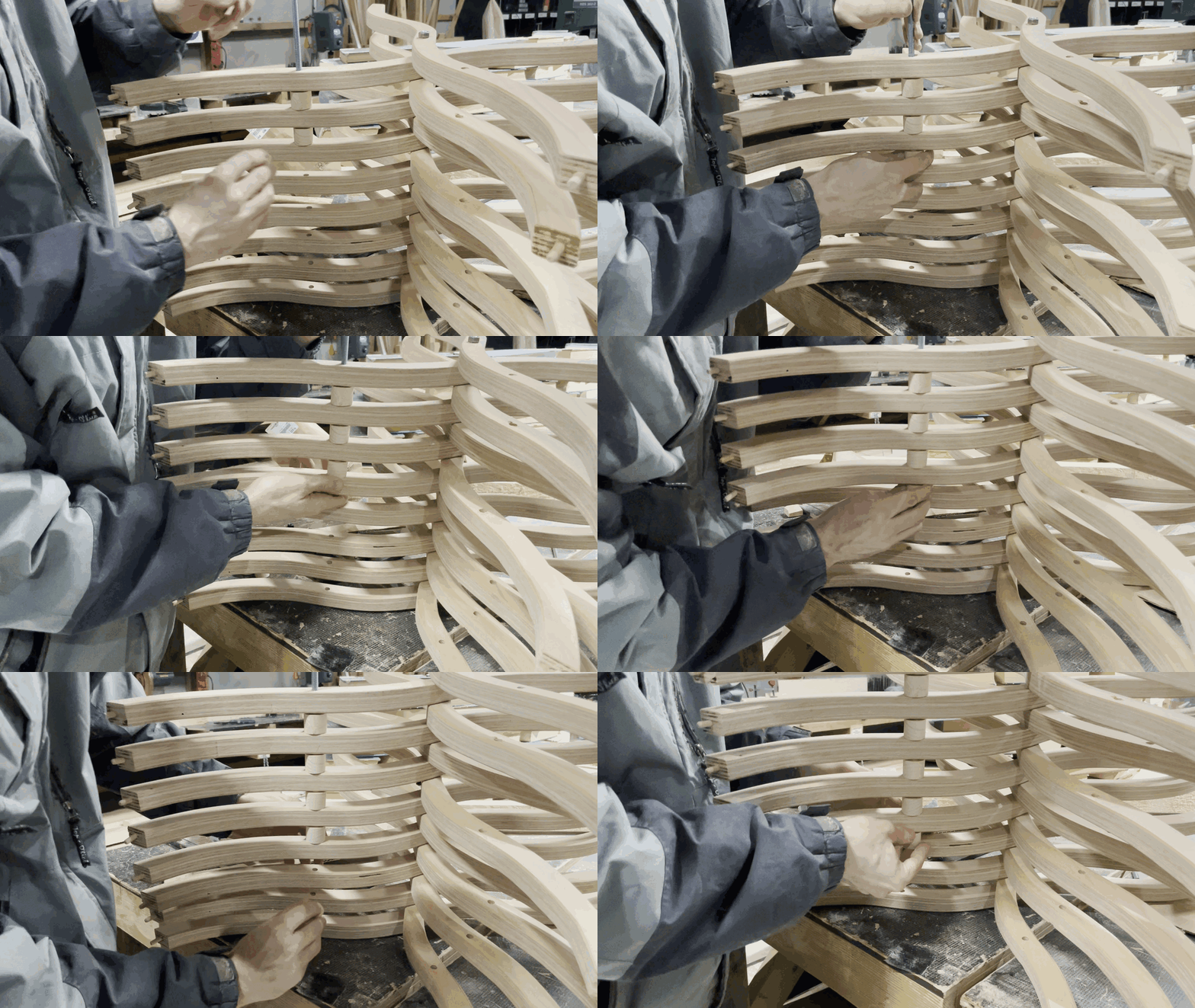


The axes are the metal rods that make the folding mechanism work. They pass through the drilled holes in the bent legs and allow the chair to move smoothly between folded and open positions. At first, I tried using metal rods normally meant for 3D printers. They are straight, strong, and easy to find, which seemed perfect for the job. However, they turned out to be too tight of a fit, which made assembly and unfolding difficult. Making threads on them is also no easy task. In the end, I switched to an 8 mm threaded rod, which was much easier to work with and solved both problems. I cut the axes to length with an angle grinder.
By this stage, the chair had already been assembled multiple times. I had put it together once for making the seat template, another time while figuring out the rails, and several other test fits along the way. This time, though, the goal was final assembly. The axes needed to be secure, so I used standard 8 mm metric nuts on the ends of the threaded rods to keep everything together.
The problem was that bare nuts did not really match the look of the chair. To keep the design consistent, I turned small wooden pieces on the lathe, drilled a hole into each one, and pressed the nuts inside. This way, I created wooden covers that hide the hardware while still allowing the axes to be tightened and secured properly.
These same axes were also useful earlier in the build when shaping the bent legs. I inserted them through the drilled holes and used them to clamp the legs together while sanding, which helped keep everything aligned so all the pieces ended up with the same final shape.
Getting everything to fold smoothly mostly came down to repetition. I assembled and disassembled the chair several times, adjusting and checking alignment until the movement felt right. Each test fit revealed tiny issues that were easier to fix before everything was permanently locked in place.
And when it finally worked as a real folding chair, that was a great moment. After all the experiments, failed attempts, and reworked parts, seeing it open and close smoothly felt like the build had finally come together.
Top and Bottom Rails

The bottom rail is basically the backbone of the chair. All the bent legs connect to it, so getting this part right was critical. Each side of the chair has eight legs, which means a lot of drilling and plenty of chances to make mistakes if things do not line up.
The original plans that inspired my build suggested a fairly complicated jig that required a full board in the size of the leg. I did not really like that approach, so I designed and 3D printed my own jig instead (source files attached in step 4). The jig clipped directly onto each leg and guided the drill bit exactly where it needed to go, which made the process faster and more repeatable. The only downside was that the printed guide slowly wore out after repeated drilling. In hindsight, I should have added metal inserts to make it last longer.
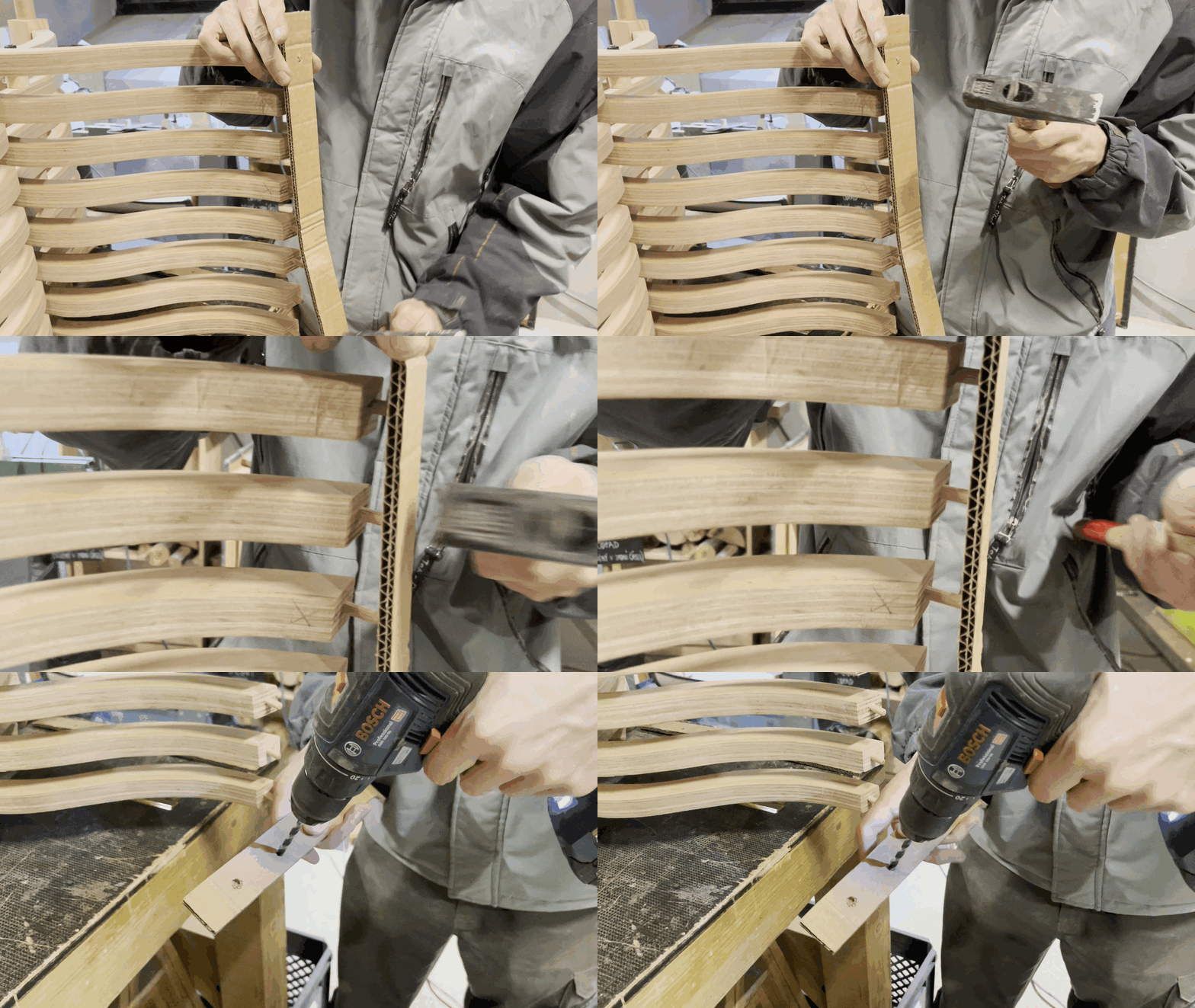
After drilling the legs, I kept using the same template-based workflow as in the rest of the build. I cut strips of cardboard matching the size of the rails and drilled the first reference hole. The cardboard strip was then placed onto the first peg of the leg, and I gently tapped it with a hammer to transfer the remaining hole locations. Once the marks were visible, I made the holes in the cardboard and tested the fit to confirm everything lined up correctly.
After confirming the template worked, I transferred the hole locations from the cardboard onto a spare piece of test wood and drilled it as a second check. Only after that test fit worked perfectly did I transfer the holes onto the real rail material and drill the final version. It took extra time, but it prevented a lot of potential frustration later.
The rails themselves were made from beech doorsills that I had previously glued together to reach about 40 mm in thickness. Once laminated, they were strong enough to handle the stress from all the moving legs and provided enough depth for clean dowel joints.
Rail Assembly and Final Fit
.jpg)
Assembly of the legs onto the bottom rail was done using dowels and glue. It sounds straightforward, but with so many parts coming together at once, it quickly became one of the most stressful stages of the build. Every joint needed to line up at the same time, and once glue is involved, the clock starts ticking. Clamping the wavy legs added another layer of difficulty, although the cold temperature in my workshop actually helped by slowing down the glue curing time.
There is also a top rail connecting the legs, which holds the back support. These were made using exactly the same method. The hole positions were transferred in the same way, drilled, and assembled with dowels and glue to keep everything aligned and symmetrical.
In the end, despite the stress, the rails pulled everything together and made the chair finally feel like a real structure instead of a pile of separate parts. That was a very satisfying moment.
Leather Seat Design and Stamping
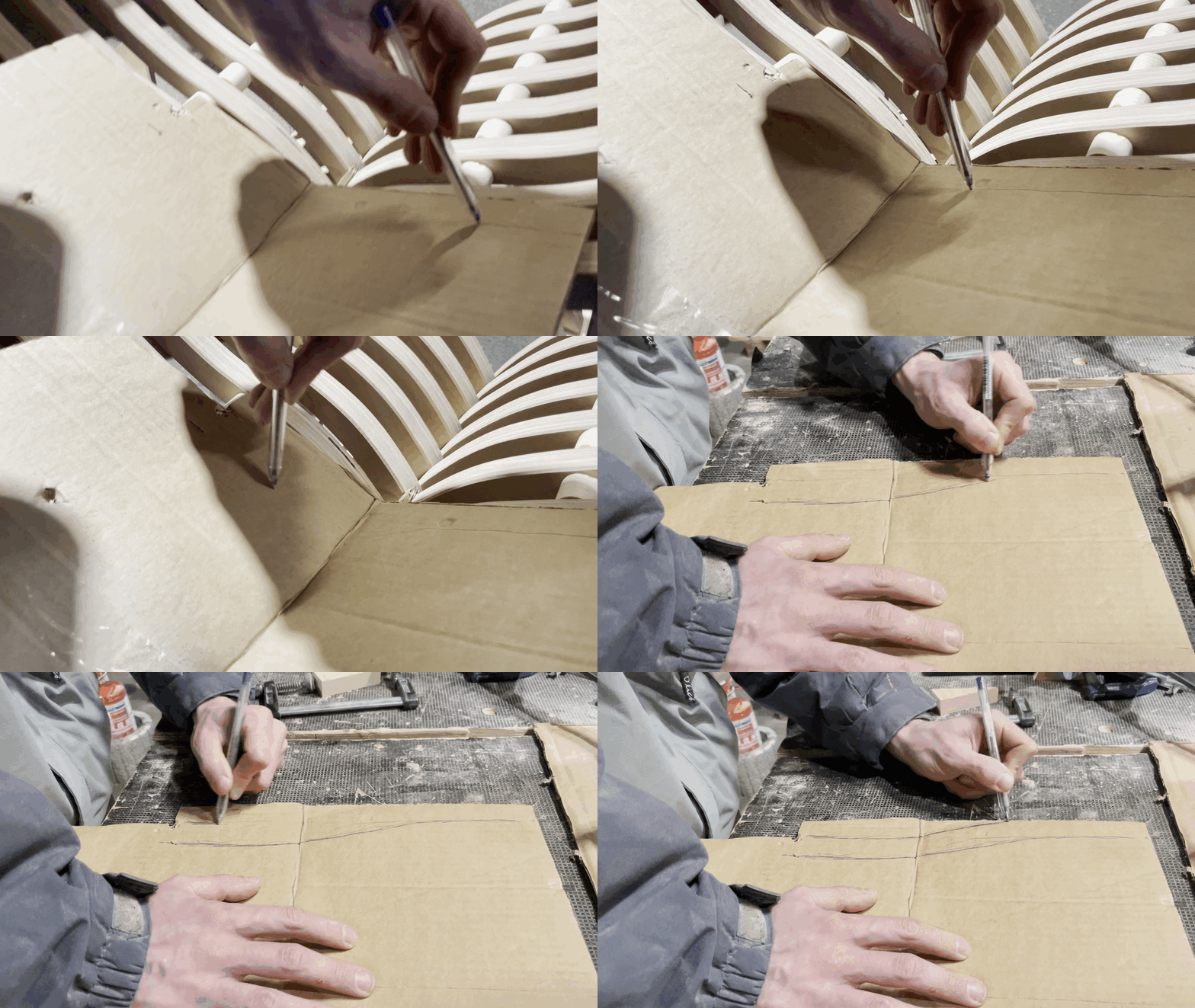


The original plans for the chair used multiple wooden slats that would unfold and create the seat surface. I decided to go in a different direction. Instead of slats, I used strips of 4 mm thick leather. To keep the wavy design language, the strips followed the same flowing shape and were arranged in an interlacing pattern. The idea was to make the seat lighter, more comfortable, and visually connected to the decorated backrest through a stamped pattern.
To get the shape right, I went back to cardboard again. I made a template and adjusted it through trial and error until the strip fit properly between the legs and followed the movement of the folding mechanism. Once the template felt correct, I transferred the outline onto the leather and cut the final pieces.
For decoration, I used a metal leather stamping wheel. The leather was first wetted so it would accept the impressions cleanly, then I rolled the pattern across the surface and later applied leather dye to bring out the details. This gave the seat a handcrafted look and helped it match the style of the carved backrest.
Attaching the leather seat needed to be strong but still flexible enough to work with the folding design. I glued and sewed the strips around the wooden bushings, which gave solid attachment points while keeping the seat slightly flexible under load.
In the end, switching from wooden slats to leather changed the feel of the chair completely. It made the build lighter, added comfort, and tied the decorative elements together in a way that felt natural with the overall look.
Finale
.jpg)
With everything assembled and working, it was time for the final finish. I went through a full round of sanding to smooth out every surface and soften any sharp transitions. At first, I planned to dye the chair to give it a deeper tone, but in the end, I decided against it because I really liked the natural look of the bare beech wood. Instead, I kept the finish simple and added light weathering using oil-based colors to give it a slightly aged look. The goal was not to make it look destroyed, but to make some of the details pop.
The weathering helped highlight the carved details and edges, especially around the backrest and structural parts. It tied together the wood and leather visually and made the chair feel more authentic, especially in a medieval fair setting.
And speaking of that, actually using the chair at medieval fairs is a completely different experience. It is comfortable and adds so much comfort compared to sitting on the ground or on some random log. One thing that surprised me was how squeaky it is; the chair makes all kinds of little sounds when moving, which honestly adds to the charm. It is also heavier than I expected, but that extra weight makes it feel solid and stable once set up.
Looking back at the whole project, I am most proud that I pushed through even when things did not go according to plan. The failed bending jig, the re-glued parts, the stress during assembly, all of it was part of the process. I am also really glad that my friends helped along the way, especially with carving the back support (thanks Anna!). Projects like this are always better when they are shared.
In the end, this chair is more than just a piece of furniture. It is a collection of lessons, adjustments, small victories, and teamwork. And honestly, that is what makes building things worth it.