Excellent Electric Pencil Sharpener
by KarstenHW in Workshop > Tools
433 Views, 3 Favorites, 0 Comments
Excellent Electric Pencil Sharpener

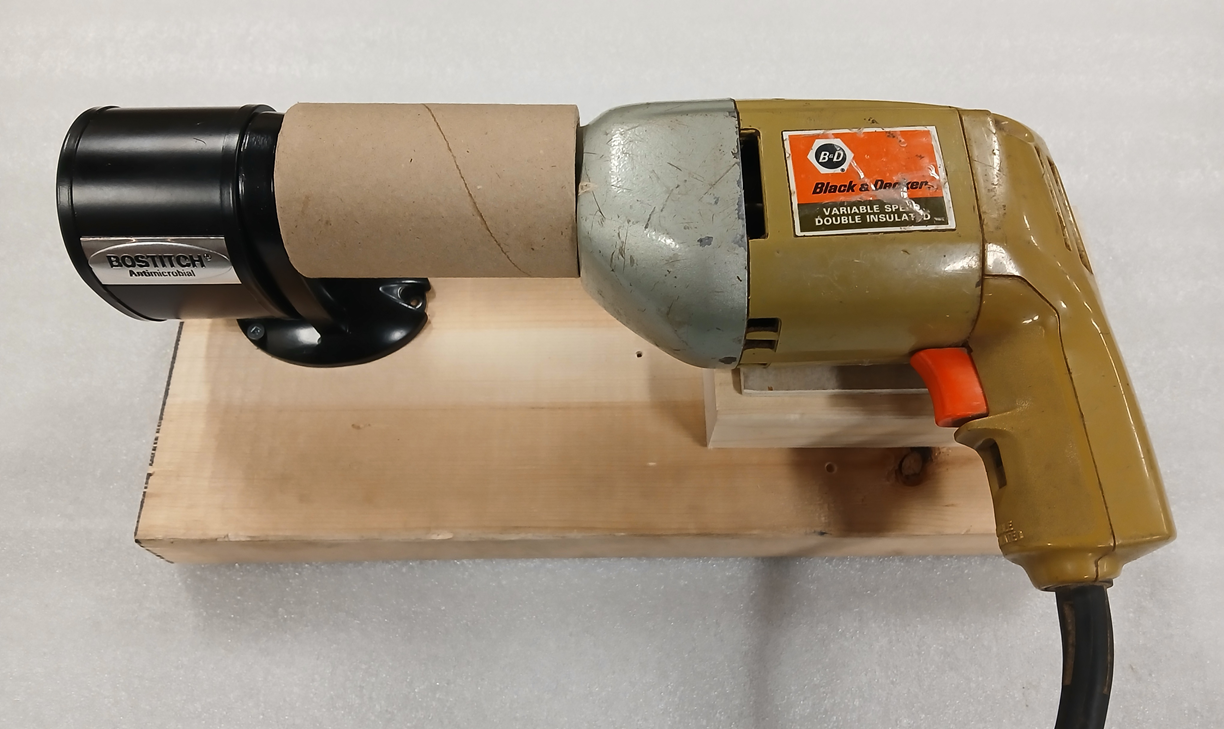

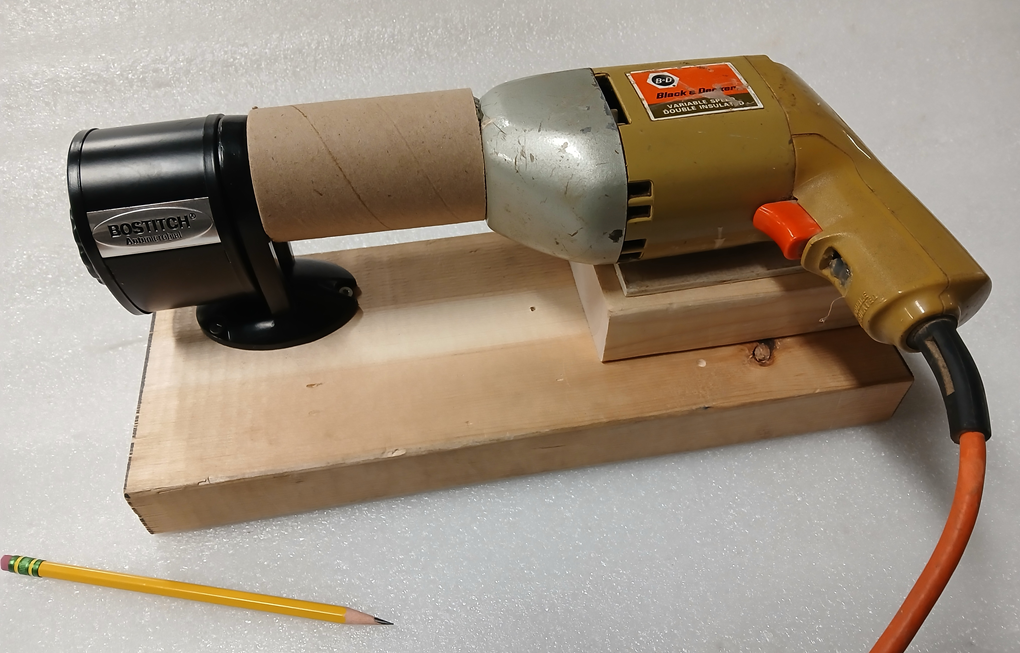
This pencil sharpener uses a manual pencil sharpener which is powered by a corded electric drill. It sharpens pencils very well and impressively fast.
It is simple, powerful, fast, and reliable. Any foreign object stuck inside the sharpener can be removed easily, and dull blades can be replaced. Since you built it, you can also repair it.
In contrast, today's commercially available electric sharpeners contain a lot of plastic parts, inferior cutting blades, and are certainly not designed to be disassembled, serviced, or repaired. If something is stuck inside, that location is very difficult to reach and it is often not possible to remove the obstruction.
In my opinion, the electric pencil sharpener featured here is better than any electric pencil sharpener you can buy.
Supplies
Materials:
- (1) corded electric power drill with about 1200 rpm max.
- (1) Bostitch Manual Pencil Sharpener (from HERE for instance).
- (3) Screws to attach the sharpener to wooden surface, 3/4" long is sufficient (They most likely will be included with the sharpener when you buy one).
- (1) 7/16"- 14 nut
- (1) 11/16" socket for 3/8" drive
- (1) carriage bolt , 5/16" about 2" long
- (4) wood screws, ~2 1/2" long
Tools:
- Power drill or impact driver (for assembly of the base)
- Hot melt glue gun and glue sticks (7/16" size is better than mini; you will need a lot of hot glue at once)
- Screwdriver (for attaching the sharpener to the base)
- Miter Saw
- Hacksaw (to cut the carriage bolt)
- Vice
- Masking tape
- Wood glue
Wood for the base:
- short piece of 2x6 (~16")
- short piece of 2x4 (~5")
- small piece of 1/4 plywood (~3"x5"), depends on the shape of the drill you are using.
Optional:
- For additional safety: ~4" of strong cardboard tube or PVC tube, about 4" long, about 2" in diameter
- Rubber feet
- Clear tape
- Leather gloves
Picking a Drill
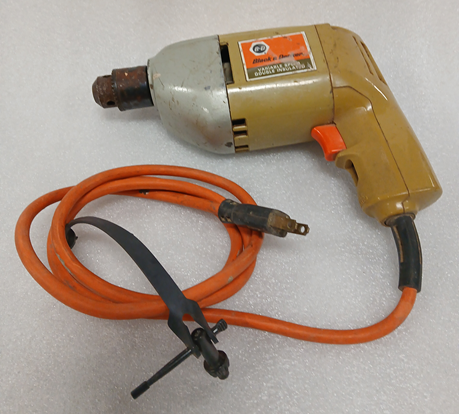
The design of the base depends on the shape of the drill, so start this project by aquiring a corded electric drill first.
Old corded powerdrills can be found in many places. The one featured in this Intructable was purchased at a local thriftstore for $5 (in February 2026). I also bought another one for another project for $10. Not expensive.
Other possible sources are ebay or FB marketplace. Search for "corded drill" and focus on older models as they often run slower. Variable speed drills may work better. I have not built this sharpener with a single speed drill yet although I have seen a single speed drill at a thrift store with 600rpm. Might work just fine.
Note: A manual mechanical pencil sharpener is meant to be cranked by hand and is not designed to spin at high speeds. While the revolving cutting heads are contained in the shavings reservoir during operation, I would not build this sharpener with a drill that spins much faster than 1200rpm. Many older electric drills top out at around 1200rpm, some even lower.
The Bostich Sharpener
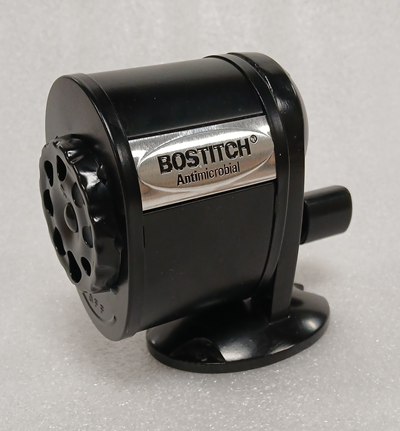
The manual pencil sharpener used in this Instructable has several advantages:
First of all, it works very well and the population I work with has not been able to break one. It is sturdy and it is good.
Another great benefit of this particular manual sharpener is that it can be easily disassembled. It is designed to be repaired! The cutter heads can be purchased seperately and replace worn out or damaged blades. I never had to replace blades but it is nice to know that it is possible.
Prepare the Sharpener
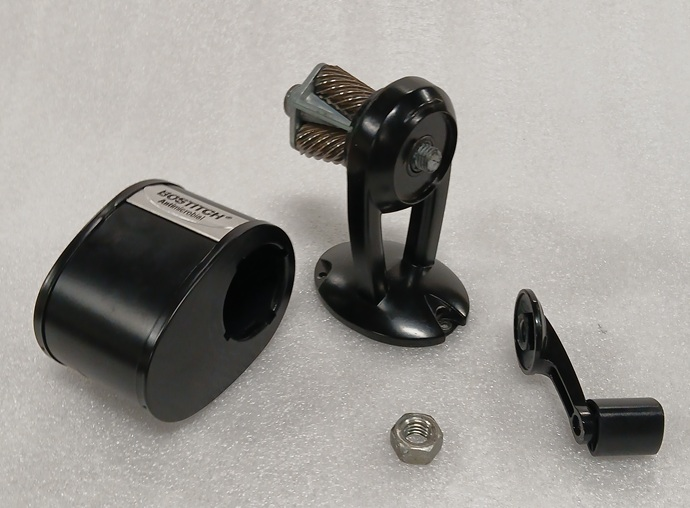
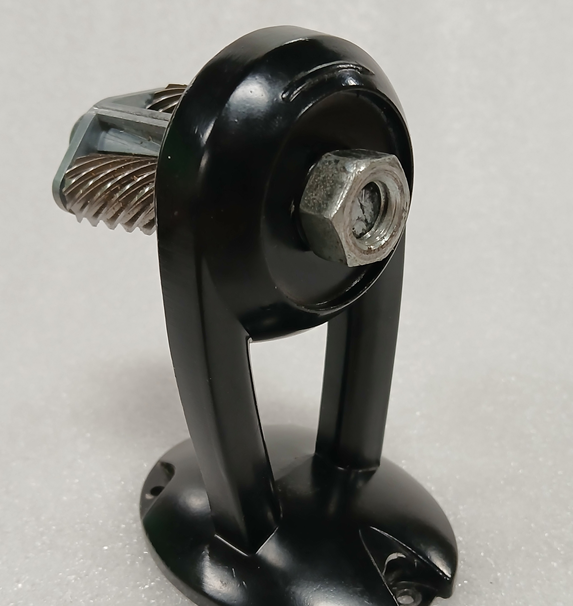
Remove the shavings reservoir.
Remove the crank by restricting the movement of the cutter heads (with leather gloves, soft-jawed pliers, the open(!) jaws of a vice, or just in a gap between two tables) and turning the crank counter-clockwise. The sharpening action of the crank is in clockwise direction, counter-clockwise unscrews the crank. It does not take much force to remove that crank in counter-clockwise direction.
Leave the cutting head where it was when the crank was holding it in place and screw the 7/16" nut on in place of the crank. Hand tight is fine.
NOTE: Don't hold the cutter heads with your bare hands when unscrewing the crank! They are sharp and will cut your hand.
NOTE: Don't damage the cutter heads by grabing them with something hard.
Fit the Socket

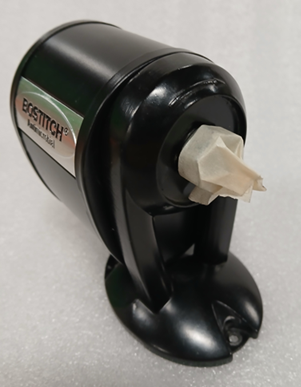
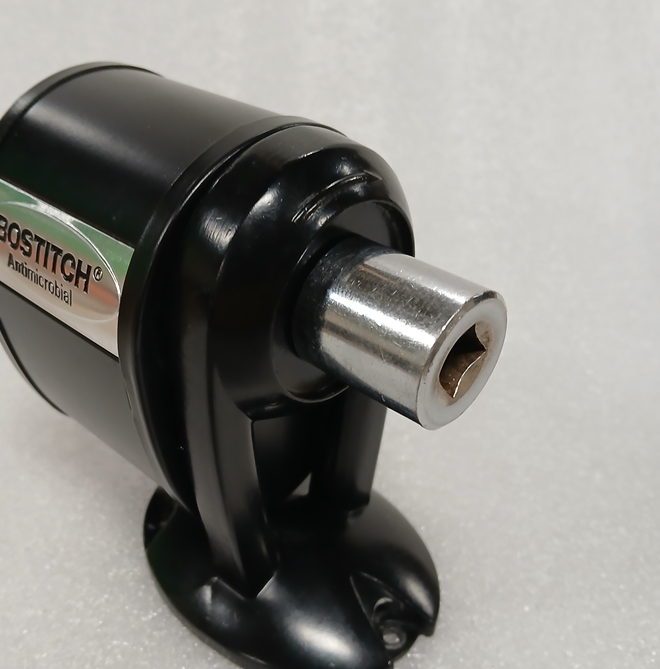
Attach the 11/16" socket to the nut that is now attached to the pencil sharpener.
TIP: Use some masking tape to wrap the nut once or twice to create a tighter fit. It will be beneficial for positioning the assembly later if it stays together a bit better.
Make Socket Adapter

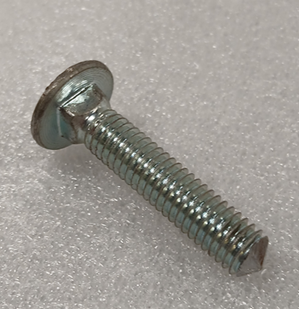
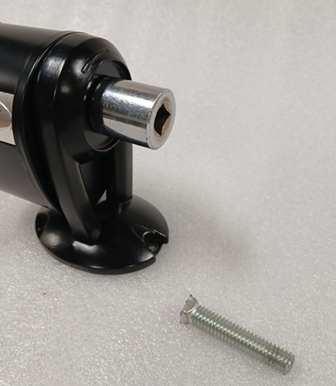
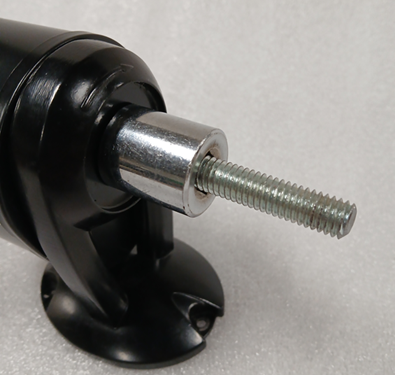
Take the carriage bolt and cut off the domed head with a hacksaw while leaving the square end still on the bolt. You only need the bolt with the square end as it fits nicely into the 3/8" socket that is attached to the sharpener.
Alternatively: Purchase a 1/4" Hex Shank Drill Bit Socket Adapter for 3/8" Sockets and use that instead of the cut carriage bolt. Cost a little more but is less work.
Connect the Drill With the Sharpener


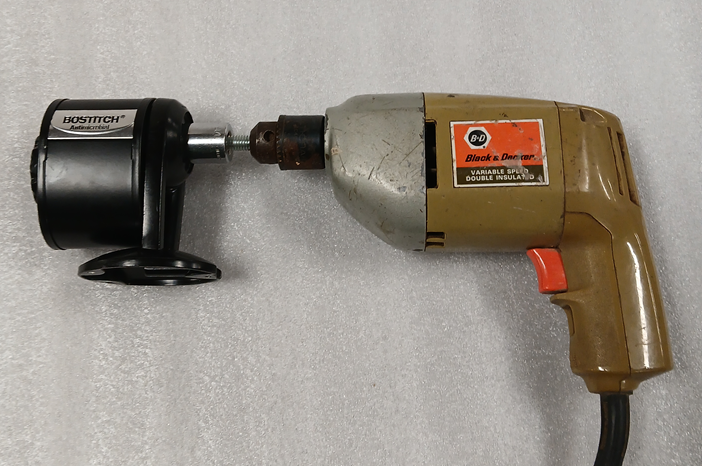
Insert the threaded end of the cut carriage bolt into the drill. Tighten the chuck well! This connection is not meant to come apart again as long as the sharpener is in use.
Insert the square end of the cut carriage bolt into the socket. Wrap some masking tape around the adapter if it fits too loosely in the socket.
Tip: Thrift store drills often don't have the chuck key any longer. If your drill does not have the chuck key, tighten the chuck with channel lock pliers, vice grips, or similar.
Cut the Wood for the Base
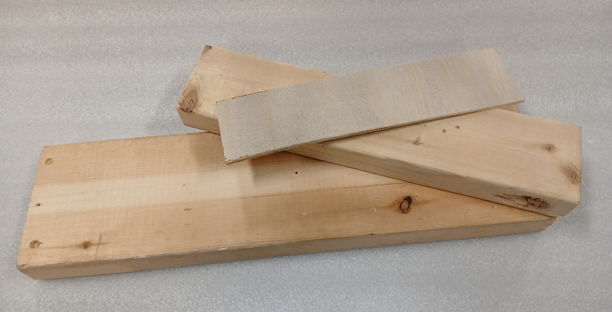
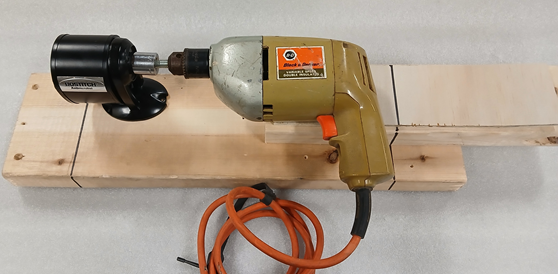

The design and the exact dimensions of the base depend in large part on the shape and size of the drill you will be using and where its housing is cut open for ventilation. While the drill should really not get very hot during regular operation as a pencil sharpener, obstructing the cooling vents is probably not the best idea.
More importantly, the drill will be hot glued to the base and if hot glue gets into the air vents, you may accidentally glue the drill's internal fan blades to the housing and render the drill inoperable.
Hence, layout the base so that the cooling vents of the drill remain unobstructed.
- Cut the 2x6 to length
- Cut the 2x4 to length
- Cut the 1/4" plywood to size
Assemble the Base
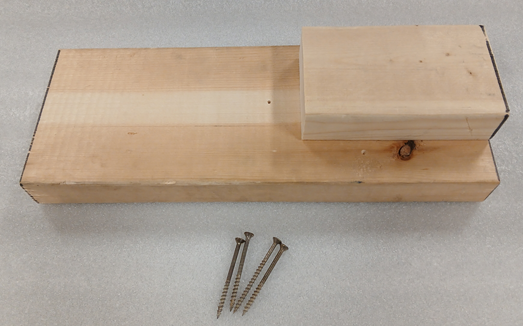
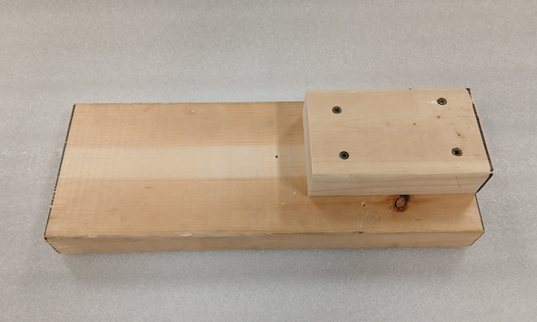

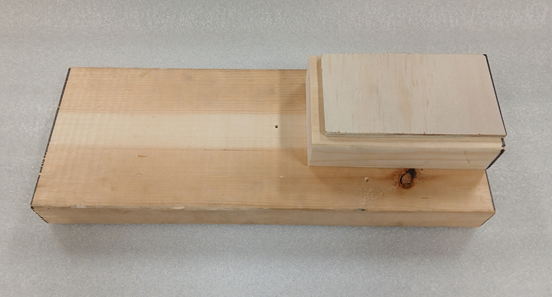
- Place your drill/sharpener assembly on the 2x6 with the 2x4 under the drill.
- Position everything until it is were you want it. Keep the cooling vents of the drill in mind! It is best to not block them with the wood of the base.
- Screw the 2x4 to the 2x6.
- If needed for proper horizontal alignment of the drill with the sharpener, add a piece of 1/4" plywood as a shim. I have made three of these sharpeners now with a different drill every time and I never needed more than one piece for shimming.
- Use some wood glue to glue the plywood where it needs to be.
Note: If you are putting the wood screws close to the edge of the wood or you are using hardwood, you will need to drill pilot holes to prevent the wood from splitting.
Attach Sharpener to the Base

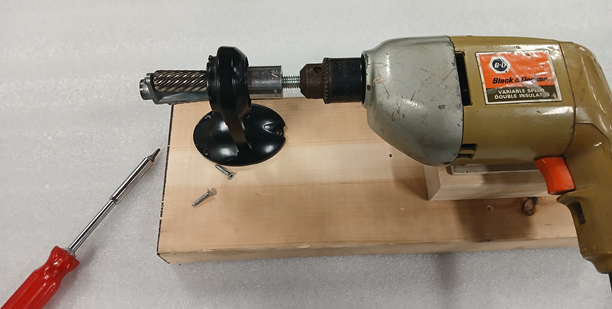


Make sure the shavings reservoir is on the sharpener as this makes it easier to line it up with the edge of the base. It just looks better later.
Position the drill/sharpener assembly on the base.
Once everything is were you want, mark the locations for the holes with a pencil
Remove the shavings reservoir again as it will be in the way for completing this step.
Using a screw driver, attach the sharpener to the base with the wood screws that came with the sharpener. For now, attach the sharpener with only the two screws that are under the shavings reservoir. For the purpose of being able to disassemble everything later, the third screw will be added later.
Reattach the shavings reservoir to prevent your hands from the cutting blades during the following steps.
NOTE: Predrilling may not be necessary as a 2x6 is pretty soft.
Add Safety Shield (optional)

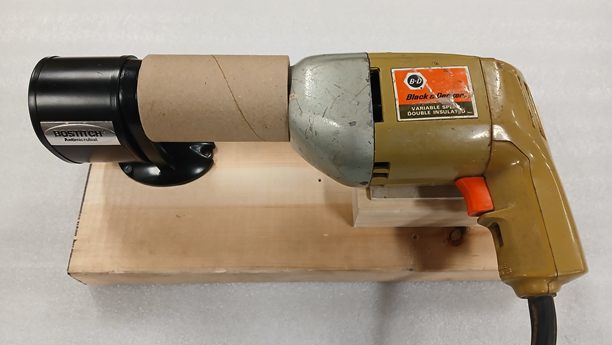
The safety shield is an option. If people with long hair will use this sharpener, I would recommend making and installing one. Long hair can get wrapped around anything that spins and that includes this sharpener.
Basically, you cut a cardboard or PVC tube to the right length so it covers the entire area between the sharpener and the drill and nothing that moves during the operation of the sharpener is exposed. I am using a short piece of a cardboard shipping tube.
The length of the tube depends on the dimensions of your assembly and on the shape of your drill. Every drill is different. Make sure that the safety shield does not touch the drill chuck so that it can spin freely.
Make sure that the drill is properly seated in the socket and that the socket is properly seated on the nut on the sharpener. I usually cut the tube a little too long and then remove a little more until everything fits well.
The safety shield it not attached to anything, it is sandwiched/pinched between the sharpener housing and the drill.
NOTE: Be careful when cutting the tube with the power saw as the tube may start spinning!
Testing the Sharpener
Before glueing the drill in place, test the sharpener!
Plug in the drill, attach it to the shapener, place and hold it where you think it needs to be, and squeeze the trigger.
If everything moves smoothly, try sharpening a pencil.
______________________________________________________________
How To Use The Sharpener:
- Insert pencil with your left hand and hold it firmly to prevent it from spinning.
- Turn on the drill with the right hand by pushing the trigger switch.
- Push the pencil into the sharpener similar to when using a manual sharpener.
- Check for results after a second.
- Very dull or square ended pencils may take a few seconds longer. (See the video at the beginning.)
- Repeat if necessary.
_______________________________________________________________
Note: This will work better once the project is completed but it should already work well.
Make small adjustments as needed.
If you plan to use the optional safety shield, check it for interference with the drill's rotation.
The drill and sharpener should line up in a straight line. Small misalignments are fine but try to get it as straight as possible.
Before continueing, unplug the drill again.
Wrap the Drill in Tape (Optional)
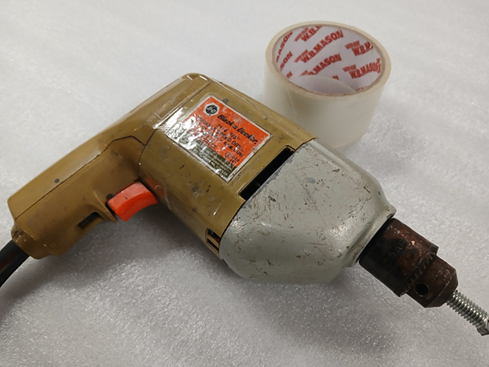
If you plan to maybe use the drill again for something else in the future, you may want to protect it from the hot glue. In that case, wrap it with tape before glueing it. Don't cover the air vents with tape though! I found it is sufficient to cover only the bottom half of the drill in tape.
Tip: If your old drill has a metal housing, I suspect the plastic tape will help with hot glueing the drill. In this case, I would recommend it. Hot glue does not stick well to metal but will stick well to the tape.
Tip: If you wrap the tape around the drill, narrow tape works better. It results in fewer visible wrinkles on top.
Glue the Drill to the Base

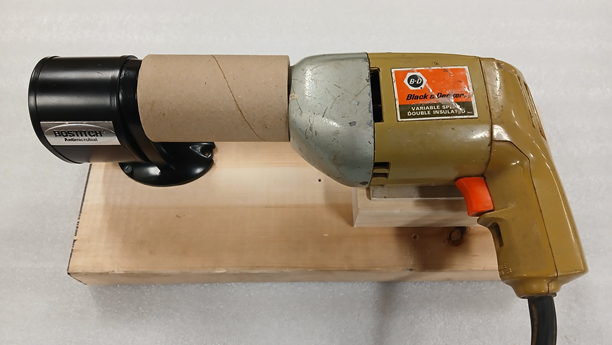
With the sharpener in place and connected to the drill, place your drill where it will be attached to the base.
Mark the area lightly with a pencil so you know where to put the hot glue.
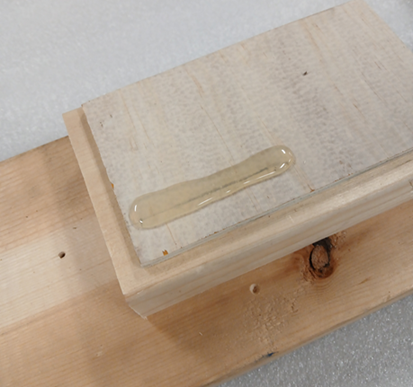
Note the areas that will need more build up of glue to hold the drill well. Very curvy drills will need more hot glue in some areas. Your goal is to create a customized 'bed' of hotglue for the drill to rest in and be held in place. If some areas need building up with glue, lay down some beads of glue on the base where needed and let them cool off. (As seen in the photograph where I put one bead of glue and let that cool off).
Once you are ready for permanently glueing the drill, add the optional safety shield, and make sure the drill is snuggly and properly connected to the sharpener.
Lift the drill a bit from the base, apply a generous amount of hot glue to the proper area, and lay the drill in the still liquid hot glue. Make final adjustments and make sure all is still properly connected before the glue has cooled down. Ideally you do this step only once.
Hold everything in place and still for several minutes since a large amount of hot glue takes a while to cool off.
Tip: If you are using the safety shield, this step is best done with two people. Working alone and removing the drill from the base makes applying the hotglue easy, but the safety shield makes quick reassembly difficult since you cannot see what is going inside of the shield. It just is easier and less stressful to have one person lift the already assembled drill a little off the base and the other person applies the hotglue under the drll and to the base. While a large amount of glue cools slowly, if you take too long to get the drill properly in place, the glue will have cooled off too much and won't hold the drill well.
Tip: Practice quick and proper reassembly before you add the glue.
Add the Third Screw
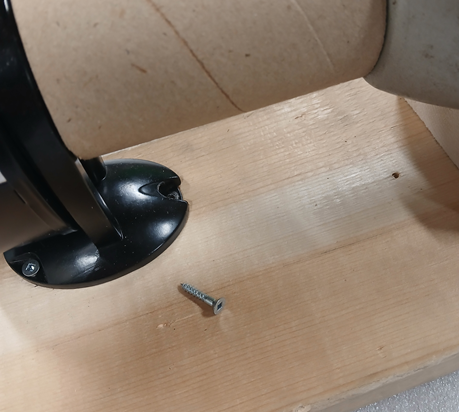
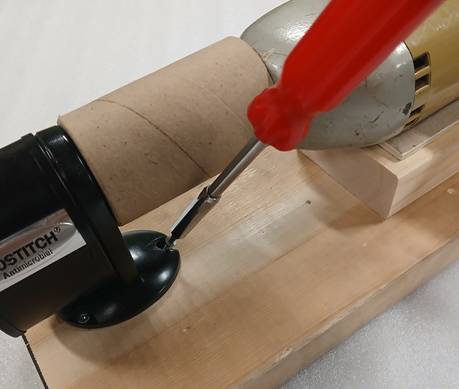
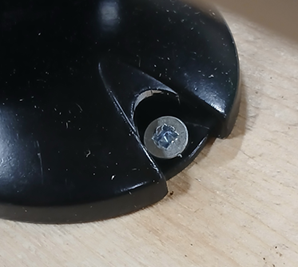
Once the hot glue has cooled off, add the third screw that holds the pencil sharpener in place. You will have to put it in at an angle, but doing this will allow you to remove the sharpener if needed since the two screws you placed earlier can be removed anytime.
Finish


Add the optional rubber feet if desired. Three works best since, in that case, the base won't wobble even if the 2x6 is warped a little. Place two feet near the end where the sharpener is mounted, one foot near the end where the drill is mounted.
Paint or decorate the base if you want to.
Done!
Note: Please be aware that this sharpener will 'eat' an entire pencil in a relatively short amount of time and some individuals will find this entertaining to try.
Enjoy!
Let me know if you built one too!