Forever Home Project: a Cost-Efficient and Impactful Housing Solution
by wmills_92 in Design > Architecture
54 Views, 0 Favorites, 0 Comments
Forever Home Project: a Cost-Efficient and Impactful Housing Solution
.png)

Hello! My name is William Mills and I am a rising senior that is attending Loyola High School of Los Angeles, California. I am a student who is passionate about creation, innovation, and design. For this project, I designed a small, efficient, home using AutoCAD and FreeCAD.
My design addresses the housing crisis that surrounds my school and the broader Los Angeles area. The layout is meant to be repeatable easily and is focused on urban/rural development.
One key element of this design was the open living space, which functions as a place of connection without sacrificing personal privacy.
I am excited to share with you my Forever Home Project, a design that proves affordable housing can be efficient and elegant.
Supplies


I used AutoCAD to create the basic floor plans because it’s great for precise 2D drawing. Then I switched to FreeCAD to build 3D models and add features like adjustable walls and storage. FreeCAD also helped me see how sunlight would enter the space. Using both tools made the design clearer and more practical.
What's the Problem???


Every day I drive by MacArthur Park, and to my dismay, I see dozens of unhoused individuals trying to survive in inhumane conditions.
It’s not just heartbreaking and downright unacceptable. I’ve always been passionate about helping people in need, especially those who’ve been failed by the system. This project comes from that drive. I want to be part of the solution and working to eliminate the homeless industrial complex that profits from suffering instead of solving it. I believe we can design smarter, more humane alternatives that actually get people housed, not just managed.
Using the Brain
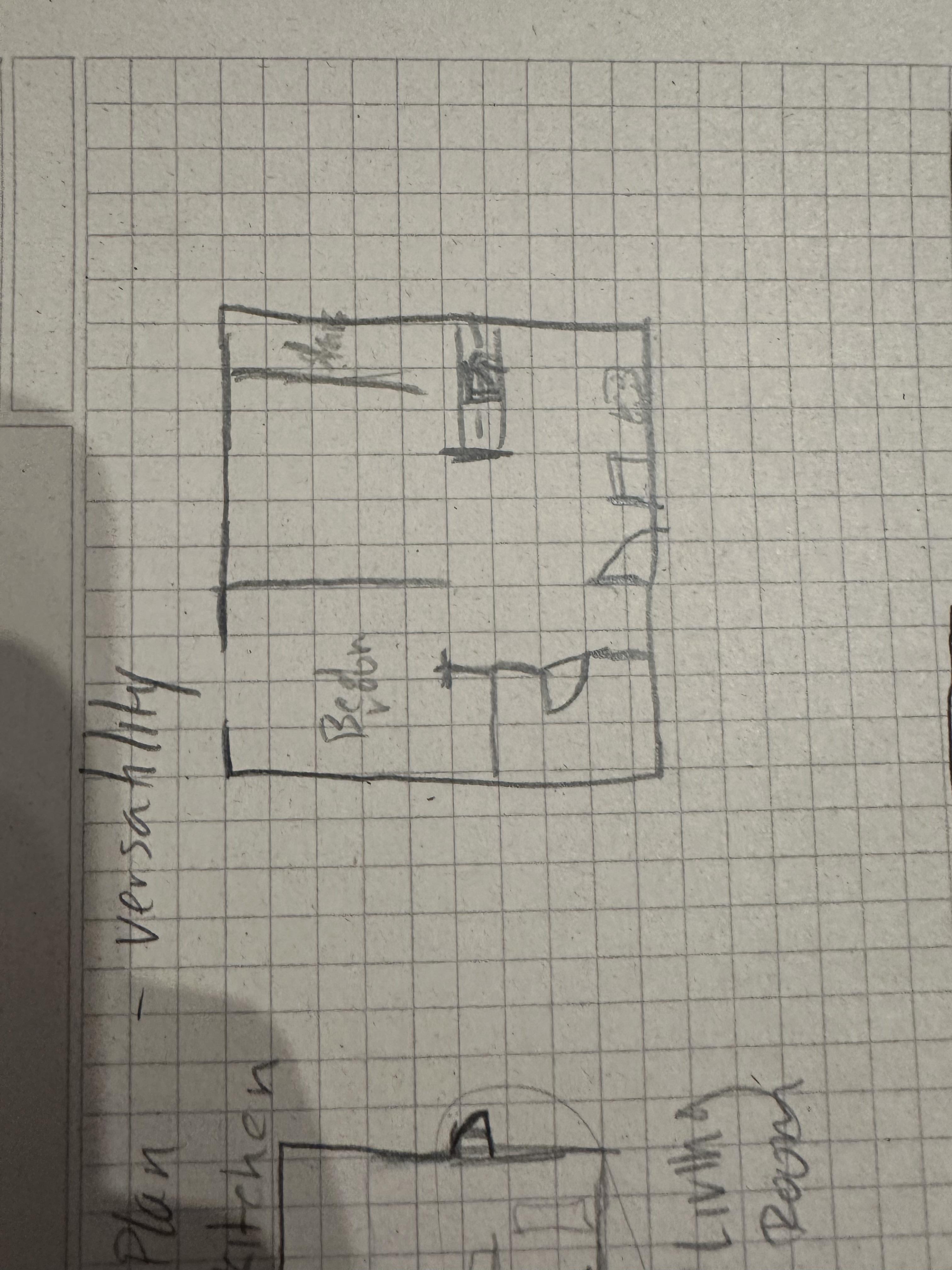
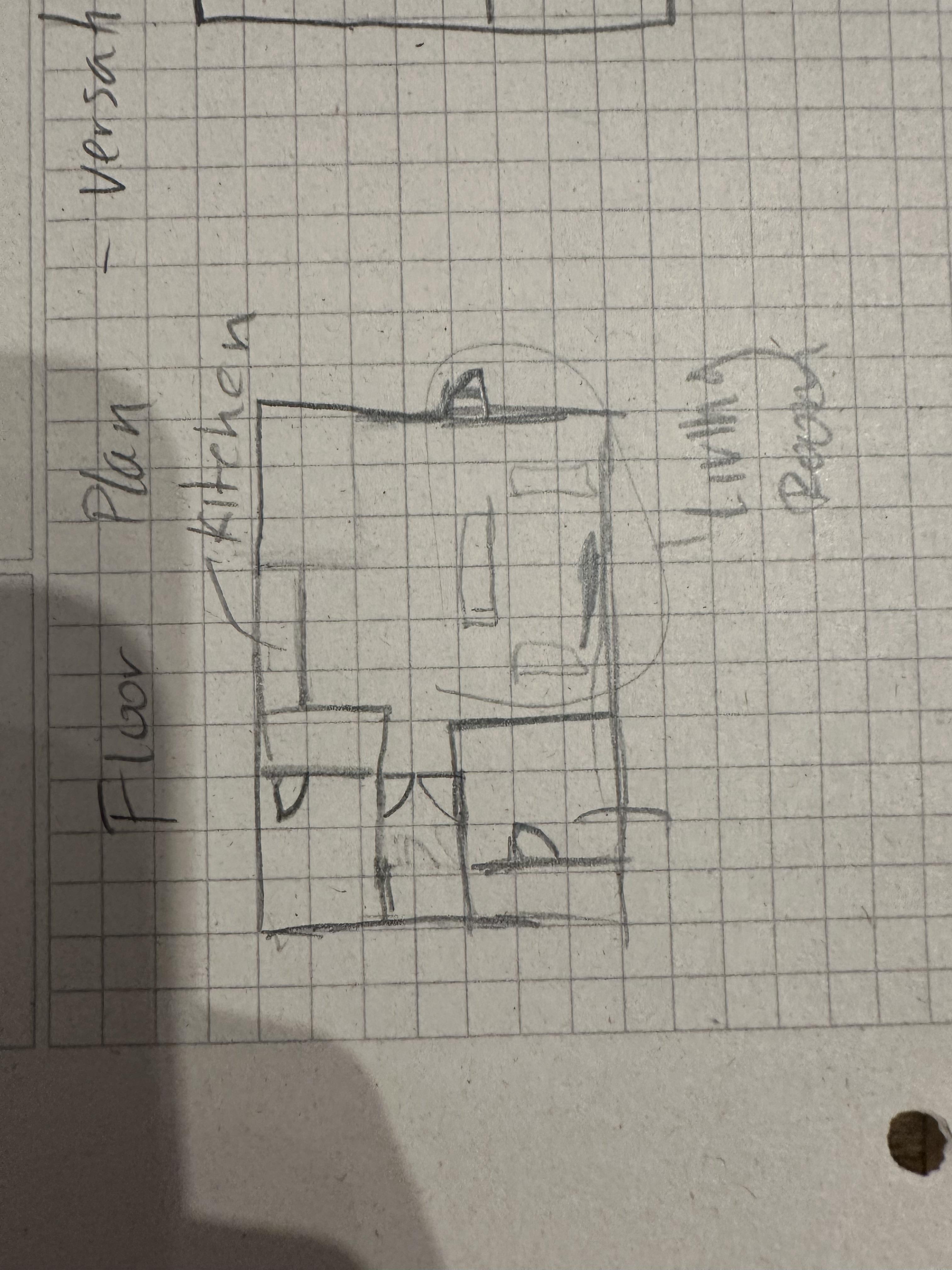
After recognizing the depth of the problem, I began brainstorming some ways to create real and affordable housing.
I focused on something that was simple, scalable, and humane. I sketched out ideas for small homes, modular shelters, and layouts that could be built quickly with minimal resources.
But beyond just shelter, I wanted to design spaces where people could reconnect with each other and with a sense of purpose. I quickly figured out that a shelter is more that protection from the rain but a place to connect with friends and family. This helps creates an environment of love and belonging.
So to accomplish this, I really focused on the living room. I truly believe that if we as a society spent more time together that most social problems would be eliminated. I thought deeply about how design could promote connection, reduce isolation, and give people the dignity of belonging again. This stage was about imagining not just homes, but hope.
Picking the Perfect (Abandoned) Spot


Because I wanted this project to make a real impact, I chose a location right at the heart of the crisis. An abandoned Rite Aid near MacArthur Park. On my way to school, without failure, this spot has sat empty for years.
The location is accessible by transit, and surrounded by people who actually need support. It just made sense. Turning a space once used for profit into one used for people felt like reclaiming it for the people.
Additionally, this spot was chosen because it is close towards grocery stores. This address another common problem with affordable housing which is "food deserts".
CAD Creation

I started designing the building in AutoCAD, keeping the layout simple but thoughtful. There are small private units where people can rest and feel safe, surrounded by shared spaces where they can connect, cook, and build community. My goal was to make the design efficient, affordable, and easy to build with common materials.
As I worked more on the project, I wanted to add some features like adjustable walls so rooms could change size, and built-in shelves to help maximize storage in tight spaces. That’s when I switched over to FreeCAD. It let me create 3D models that I could easily adjust and even test how sunlight would come through windows during the day.
Moving to FreeCAD helped me make the design feel more real and practical. It’s still simple, but now it’s smarter and better suited to the people who will live there.
How Much Would It Cost???


I wanted to get a realistic idea of how much it would cost to build this project, so I broke it down by the size of each unit, the number of units, and the shared spaces where people gather. I looked up typical costs per square foot for basic construction in California, using affordable materials and simple methods to keep things doable.
After doing the math, the cost per unit is around $50,000. It’s not exact, but it’s a solid estimate that shows this project can actually happen without breaking the bank. Knowing this helped me see where I might need to adjust the design or materials to keep everything realistic and affordable for the people who need it most.
Conclusion
This project started because I couldn’t ignore the reality I see every day near MacArthur Park. Designing affordable, humane housing isn’t just about building structures, it’s about restoring hope and community to people who’ve been left behind. While the challenges are big, I believe thoughtful design, careful planning, and a focus on shared spaces can make a real difference. With this plan, I hope to turn an abandoned spot into a place people can finally call home.