Generative Organic Planter


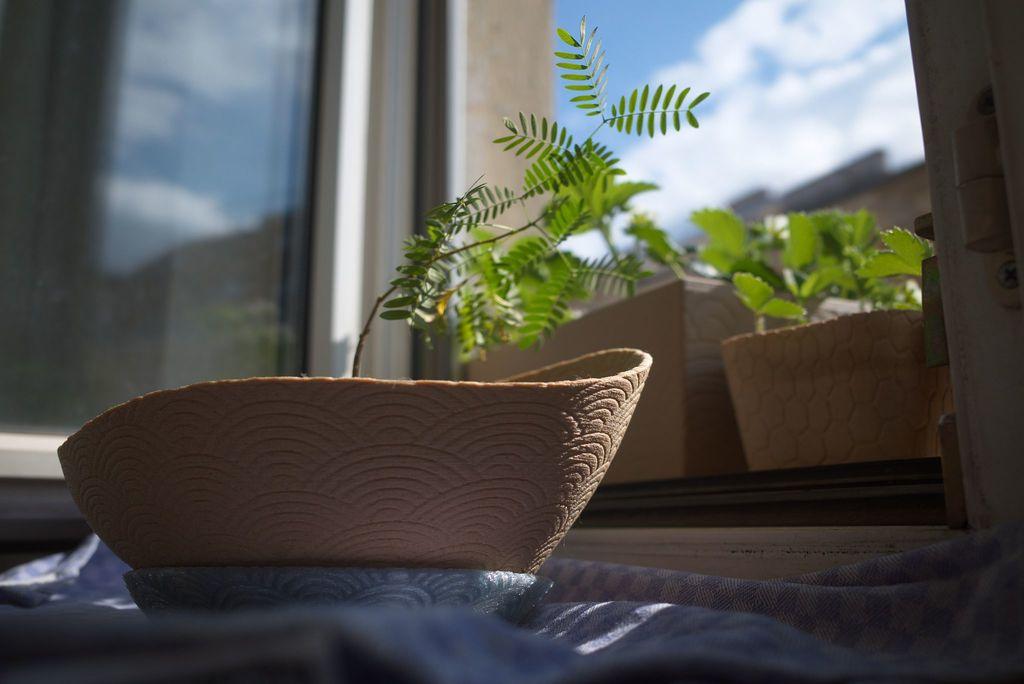
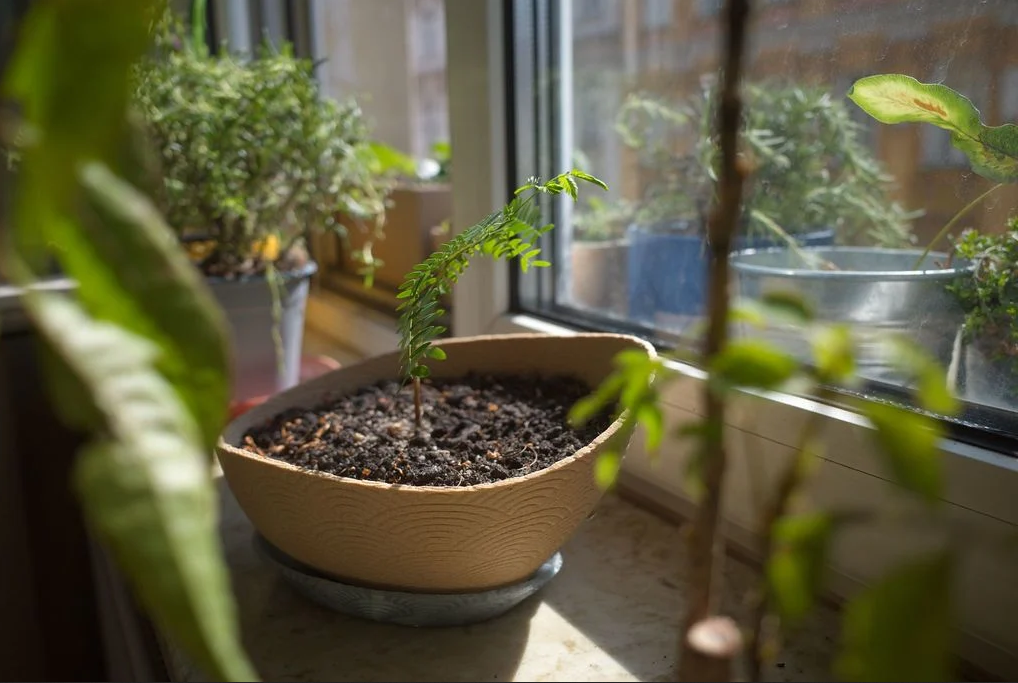
The Bio-Lattice: An Organic Japanese-Inspired Planter
I’ve always been bored by the plastic, geometric pots you find at big-box stores. They feel clinical. I wanted something that looked like it grew out of the ground rather than being popped out of a mold. This is a "Voronoi" structure, which is basically a math-generated version of the patterns you see in dried mud, dragonfly wings, or bone tissue.
The Design Philosophy: Modern Wabi-Sabi
This project is heavily influenced by the Japanese concept of Wabi-Sabi—finding beauty in things that are natural, imperfect, and complex. In Japan, there’s a term called Komorebi, which describes how sunlight filters through the leaves of trees. Because of the "webbed" walls of this pot, it creates those same dappled shadows on your desk as the sun moves across the room. It’s less of a "product" and more of a piece of living art.
Supplies
3D Printer: FDM (Filament) or Resin (SLA).
Filament: Matte White PLA or "Marble" PLA works best for an organic look.
Support Removal Tools: Needle-nose pliers and a hobby knife (X-Acto).
Internal Liner: A standard 4-inch nursery pot or a custom-cut plastic liner.
Finish (Optional): Clear matte UV-resistant spray.
Download the STL
Download the .STL file for 3D Printing
Supports are not required!
Downloads
Prepare for 3D Printing
Open your slicer (e.g., Cura).
Import the planter STL file.
Orientation:
- Ensure the planter is sitting flat on the build plate.
- Organic planters usually have an open top — make sure the opening faces up.
Basic recommended settings:
- Layer height: 0.2 mm
- Infill: 10 – 20%
- Supports: none (if the model is designed well)
- Wall count: 2–3 shells
Preview and slice the model.
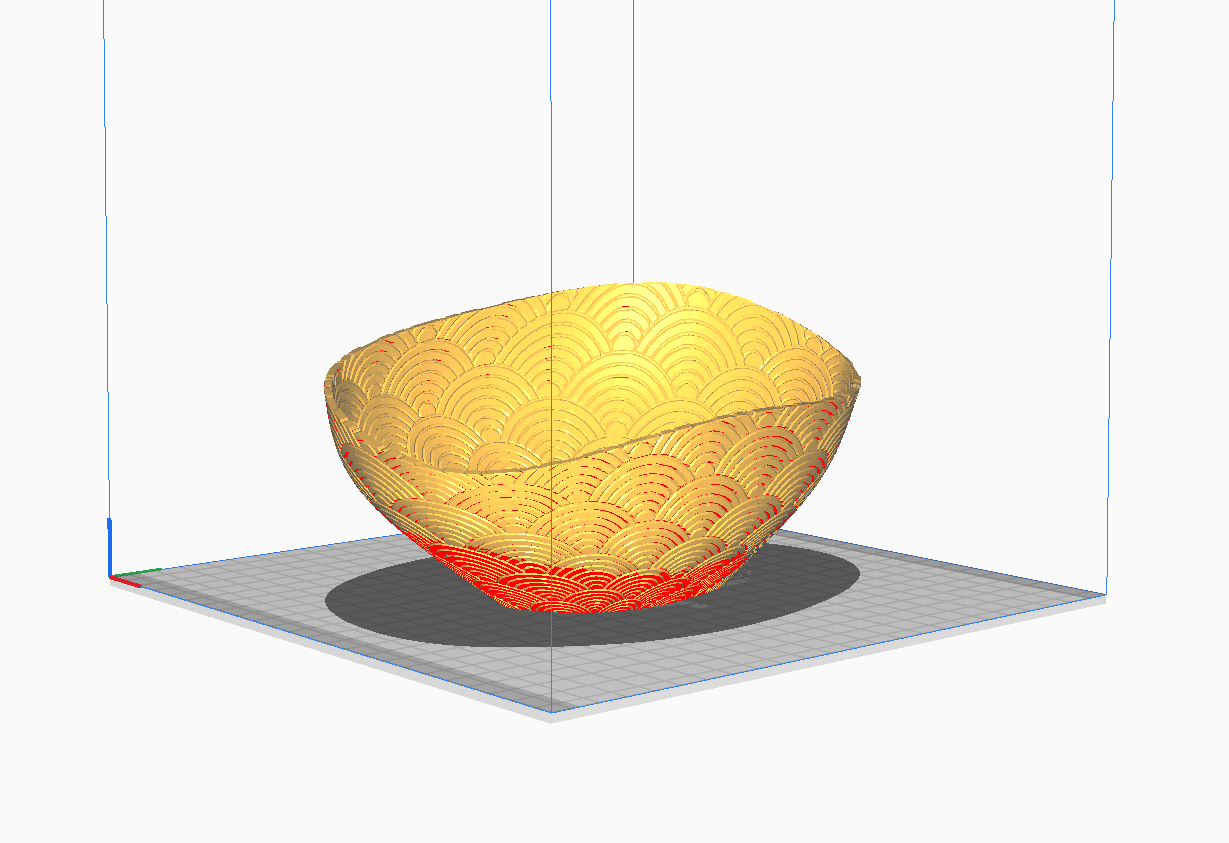
The Sliced Model
Finishing Touches
Once printed:
- Remove the model from the build plate.
- Optionally sand rough spots.
- Clean out any loose filament strings.
Texture and Surface Finish
Stone Textures: Use a "stone-look" spray paint. These paints have tiny flecks of black and grey that break up the visual surface, making the planter look like it was carved from a single piece of granite or limestone.
Terracotta Hack: You can actually paint the print with a mixture of acrylic paint and baking soda. This creates a gritty, matte texture that mimics ancient earthenware.
The Moss Method: If you’re feeling adventurous, you can smear a little bit of "moss slurry" (blended moss and buttermilk) into the crevices of the 3D print. If kept in a humid spot, actual moss will begin to grow in the shadows of the lattice, giving you a truly living piece of Japanese-inspired art.
That's It!