Homemade Wind Tunnel

Finding out how something reacts when placed in the wind can be a challenging task. I was curious to see how aerodynamic items around the house were, so I created my own wind tunnel. The tunnel uses dry ice and water to help visualize the air and an 80mm computer fan to move it.
Supplies

Materials:
80mm computer fan
1mm plexiglass( I used two 4x6in sheets from Amazon)
black paper(optional)
packing tape
glass cup for dry ice chunk
dry ice
small stack of magnets(or simmilar)
sponge
test objects(hot wheels car, snickers bar, model plane, etc.)
usb to 4 pin fan adapter with variable speed control
usb wall adapter(not pictured)
warm water
3d model: https://www.printables.com/model/1544102-homemade-wind-tunnel
Tools:
3D printer
cooking tongs
padded or insulated gloves
safety glasses
scissors
Marker
Be Careful!

Because dry ice will be used in this project, it is very important to know safety rules for handling. The most important rules are written in bold.
- Extreme Cold Hazard: Dry ice is extremely cold (-109°F / -78°C) and can cause severe frostbite or burns upon contact. ALWAYS handle with insulated gloves or tongs.
- Asphyxiation Hazard: Dry ice constantly releases heavy carbon dioxide gas, which can displace oxygen in enclosed spaces. Use and store only in well-ventilated areas.
- Explosion Hazard: NEVER place dry ice in an airtight container (e.g., sealed plastic bottle, glass jar, or unvented cooler), as the buildup of gas pressure can cause it to rupture or explode.
- Keep Out of Reach: Keep away from children and pets. Dry ice is not a toy and must never be eaten or swallowed.
- Disposal: Allow dry ice to fully sublimate (evaporate) in a well-ventilated area. Do not dispose of it in a sink, toilet, or trash chute, as the temperature difference can damage plumbing.
Along with those, the attached video is a very good in providing education for hazards that come with dry ice and what should be done to avoid any issues arising.
With that being said, let’s get into building it!
3D Printing

Attached is the stl file for the model I created. I had success printing this part with 15% infill, tree supports, and draft mode on Bambu labs a1. If you are looking to get into 3d modeling, specifically with fusion 360, I have found that the best way to learn is to hover over options in the software and see what they do. For example, I had no idea what constraints did until hovering over them and reading the description. It may take time, but you will get a better understanding of the software by setting out to design something and figuring it out.
https://www.printables.com/model/1544102-homemade-wind-tunnel
Assembly Part 1(fan)

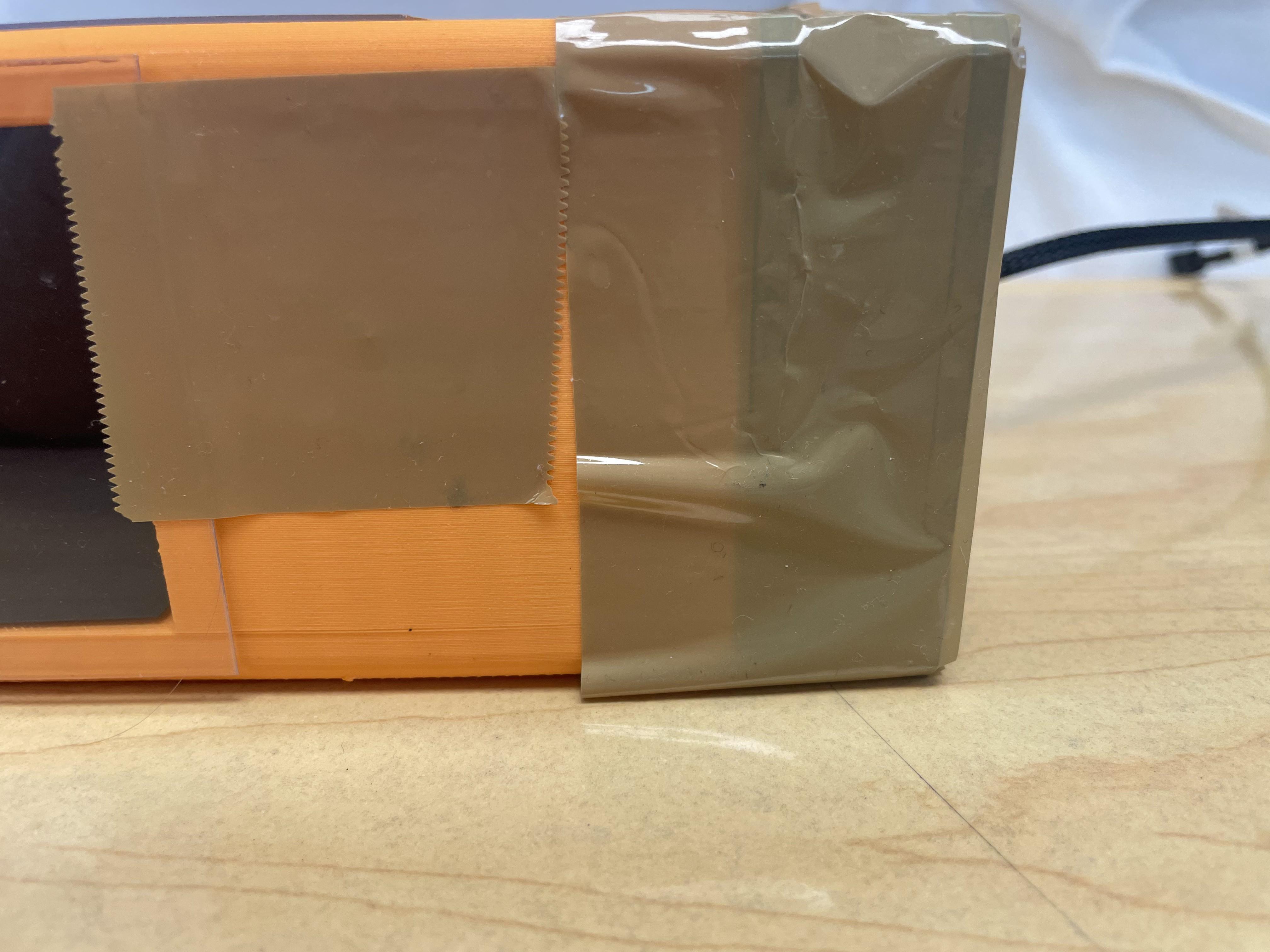
In this step, the fan, adapter, 3D printed shell, and tape will be needed.
To complete this step, place the fan on the end of the shell with the large hole and use the packing tape to form a seal around the gap between the fan and the shell. It is important to make sure that the fan is taking air out instead of pushing it in. This can be determined by the arrow on the fan housing. Then, plug the fan into the usb adapter.
Assembly Part 2(interior)

This step requires the black paper and tape.
While this is not necessary if you chose a darker filament, black paper should be added to the inside of the wind tunnel so the co2 can be seen easier. I found this very helpful for my wind tunnel since I chose a bright orange. The paper should be taped down so that it does not get sucked up by the fan.
Assembly Part 3(Exterior)
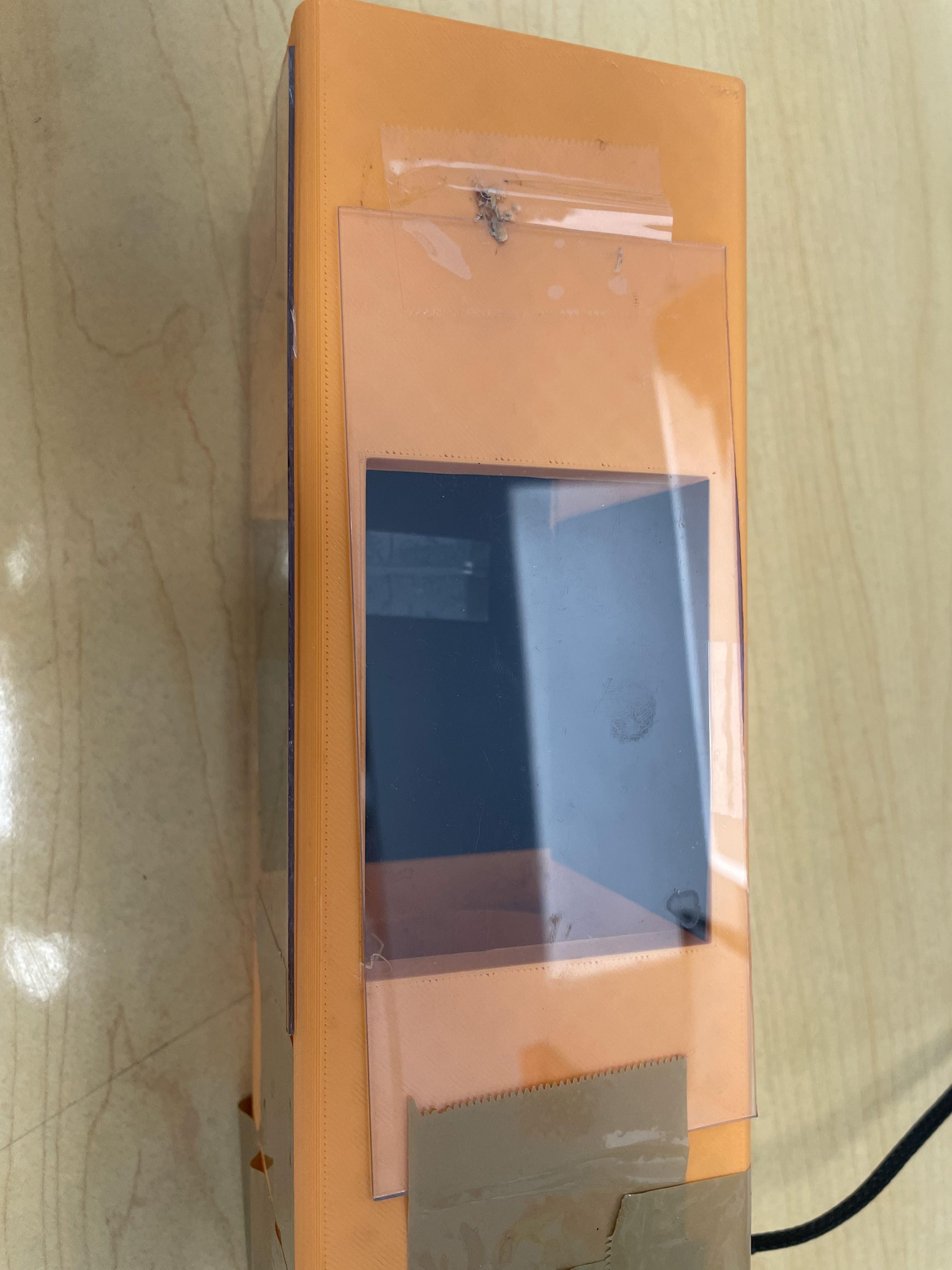

This step requires the tape, plexiglass, marker, and scissors.
At this point, the wind tunnel is almost ready for use. All that is needed to do now is add the plexiglass on the outside. For both pieces, set them on the wind tunnel and mark where you want to cut. Because of the thickness of the plexiglass, you should be able to cut it with scissors. When finished, tape both pieces to cover the holes. On the side piece, only one piece of tape should be used on each end. This piece will be the door to the testing area.
Dry Ice

*Again, please use the highest caution when handling dry ice. Serious injuries can occur if used incorrectly. Be safe!
I went through lots of trial and error, but finally found an effective way to make the dry ice release a lot of co2 gas. To start, break the dry ice into smaller chunks if in a block. This can be done by dropping it while in the bag or by hitting it with a hammer or mallet like described in the video. I had the most success by putting about 1-2 cubic inches(see picture) of dry ice in a small dish and pouring warm water over it. I found that the perfect water comes from letting the sink reach its hottest point and then soaking a sponge in it. After this, squeeze the sponge once into the cup and go immediately to the tunnel.
Using the Wind Tunnel

This step requires the completed wind tunnel, the wall adapter, dry ice, glass cup, and any safety equipment for the dry ice.
First, plug the wind tunnel into the wall and set it to a low speed. You may change this later, but low speeds are usually the best speeds. Next, get the dry ice into the cup and make it start smoking by using the method listed in step 6. Put the car on top of the magnets and then adjust the height based on the height of the car.(see picture) The sublimating cup of dry ice can now be placed in front of the vent to the wind tunnel so the aerodynamics of the object can be seen.
What Was Learned?


When I started testing the wind tunnel, I found it very interesting to see how the different car types affected their aerodynamics. For example, we can see that the truck and van have a lot more space on the front which blocks the air and makes the car have more wind resistance. The thin race car, on the other hand, doesn't have nearly as much space on the front for the air to be stopped, so we can assume that it will have the ability to go quicker. Additionally, we can see that the snickers bar has no aerodynamics at all.(See more images of items in the wind tunnel by clicking on more images under the van picture)