How to Build a Glowing Epoxy River Coffee Table
by jeremyhoffpauir in Workshop > Furniture
670 Views, 5 Favorites, 0 Comments
How to Build a Glowing Epoxy River Coffee Table
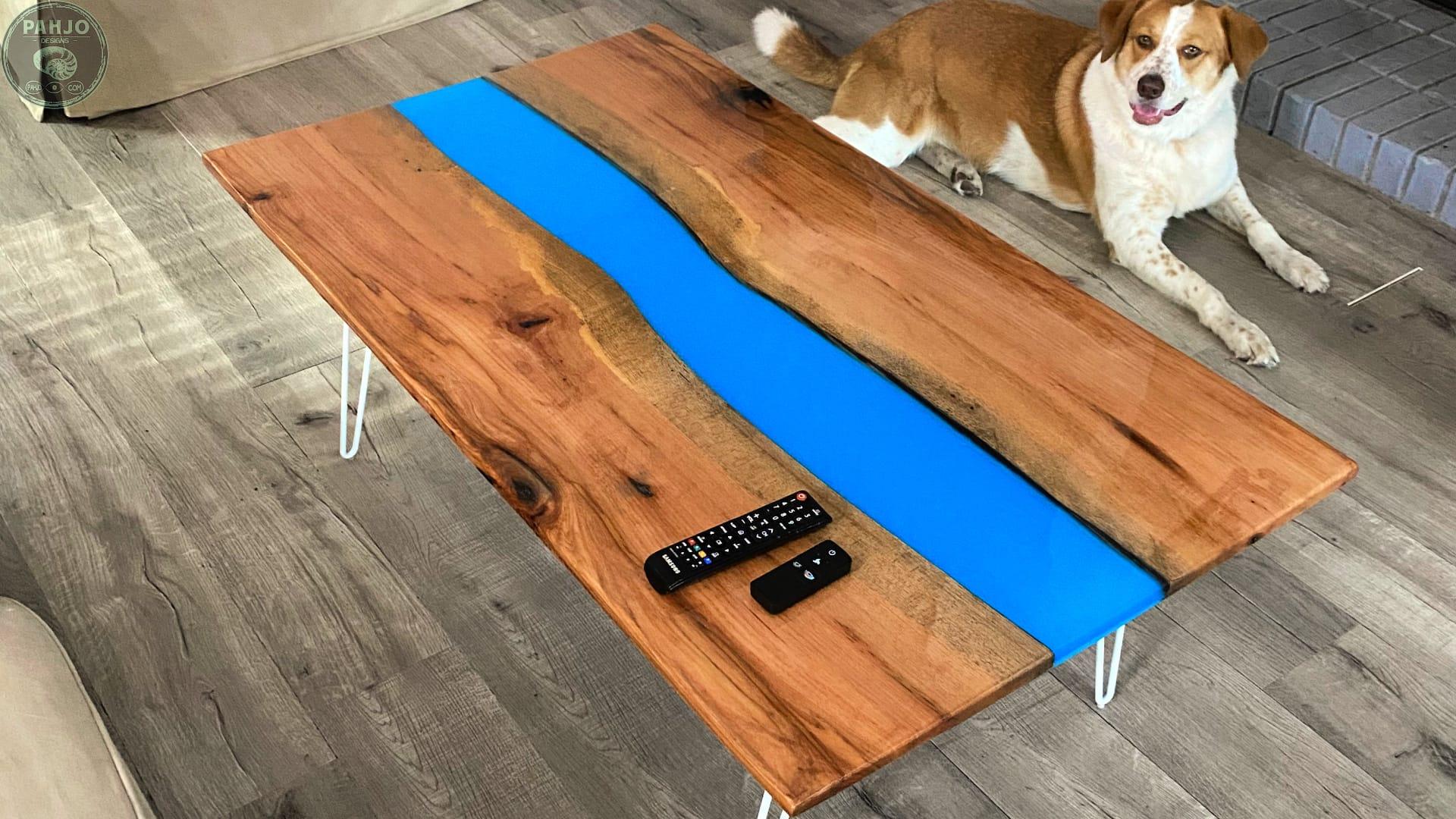
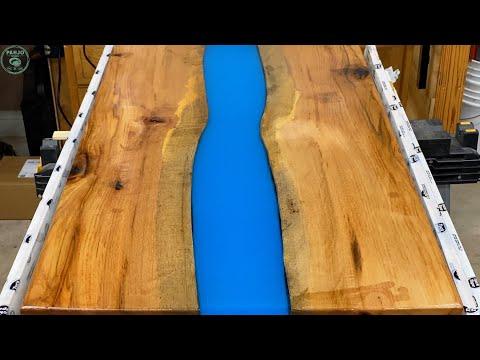
In this instructable, I show you how to build a DIY epoxy river coffee table with live edge wood that glows in the dark.
There are many things which are difficult to explain with words and images, so be sure to checkout the video tutorial below.
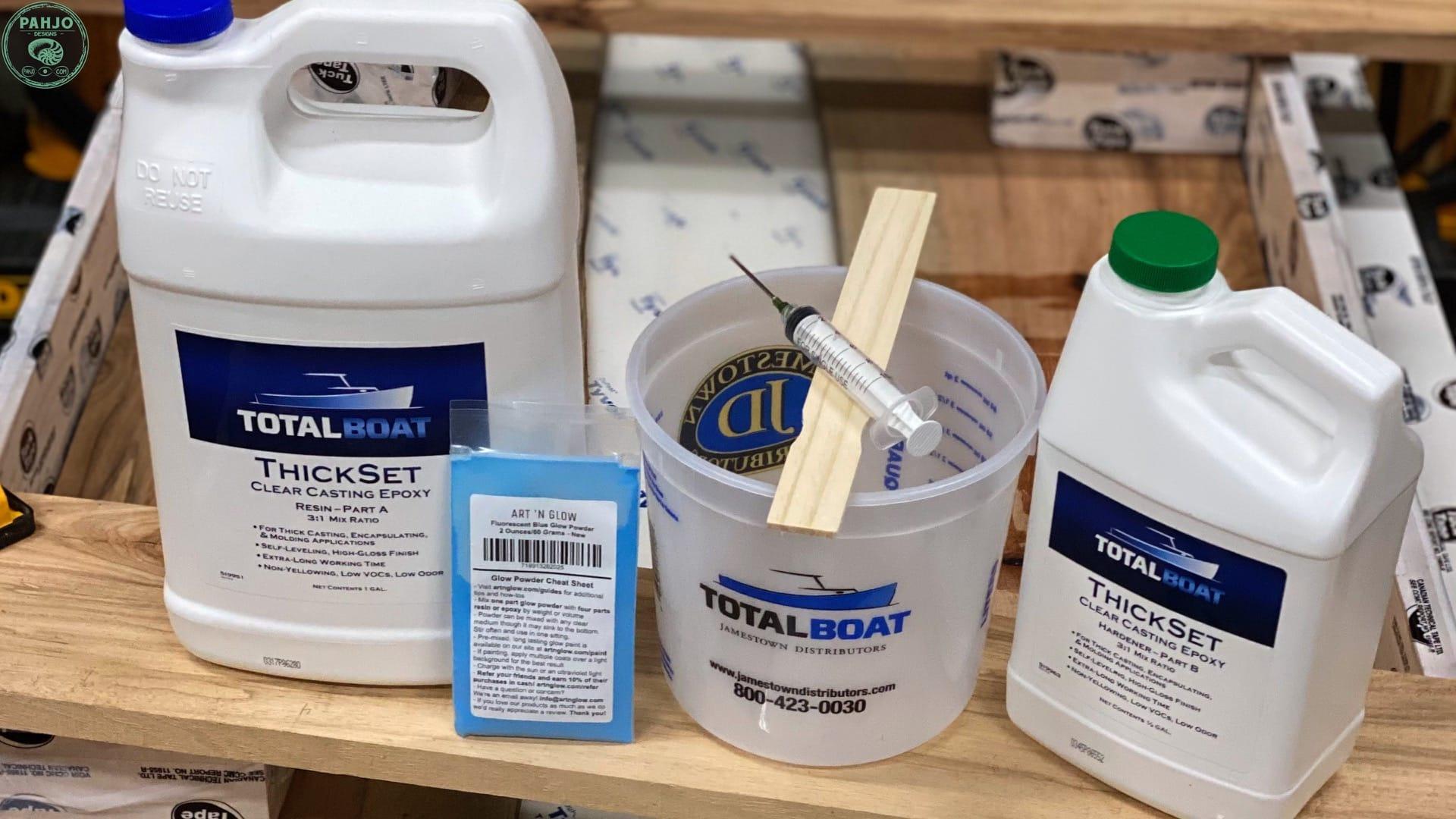
Supplies
Sand Rough Wood
Each slab of wood had one live edge and measured 50" x 10" x 1.25" (L x W x Thickness). The final dimensions of this epoxy resin coffee table is 46" x 28" x 1 ⅛" (L x W x Thickness).
These wooden planks contained one live edge, which make each piece of wood perfect for a river table. The wood imperfections and age added unique qualities many refer to as rustic.
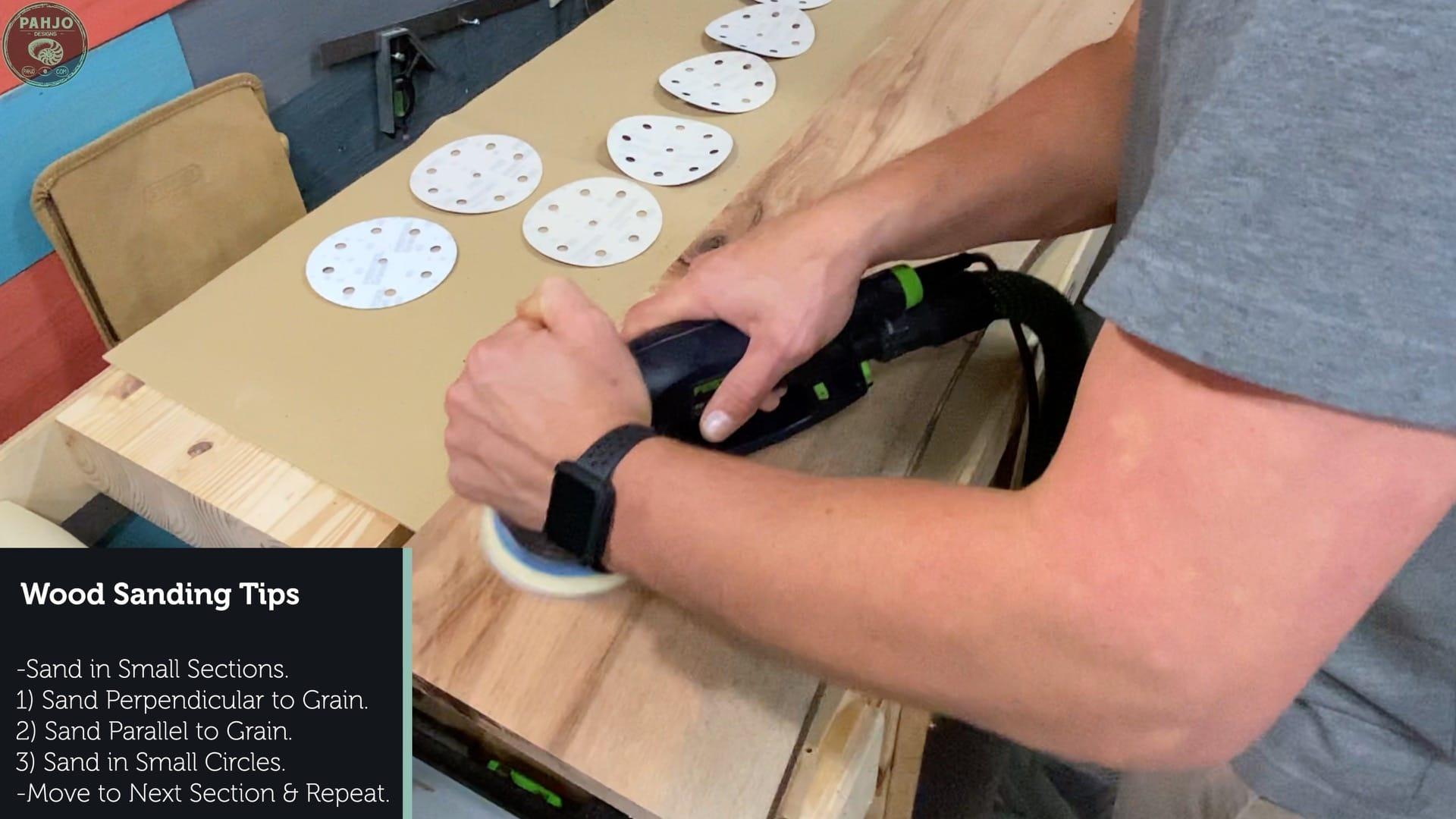
In order to get the best results on any wood and epoxy projects, I hit these with my proven technique to avoid swirls and get a perfectly smooth finish.
Use a dual-action sander on high speed, starting at 24 grit (these were beat up) up to 220.
First, sand a small section with cross-grain overlaps. Then, sand parallel with grain and finish with circles.
Repeat this process for every sandpaper grit.
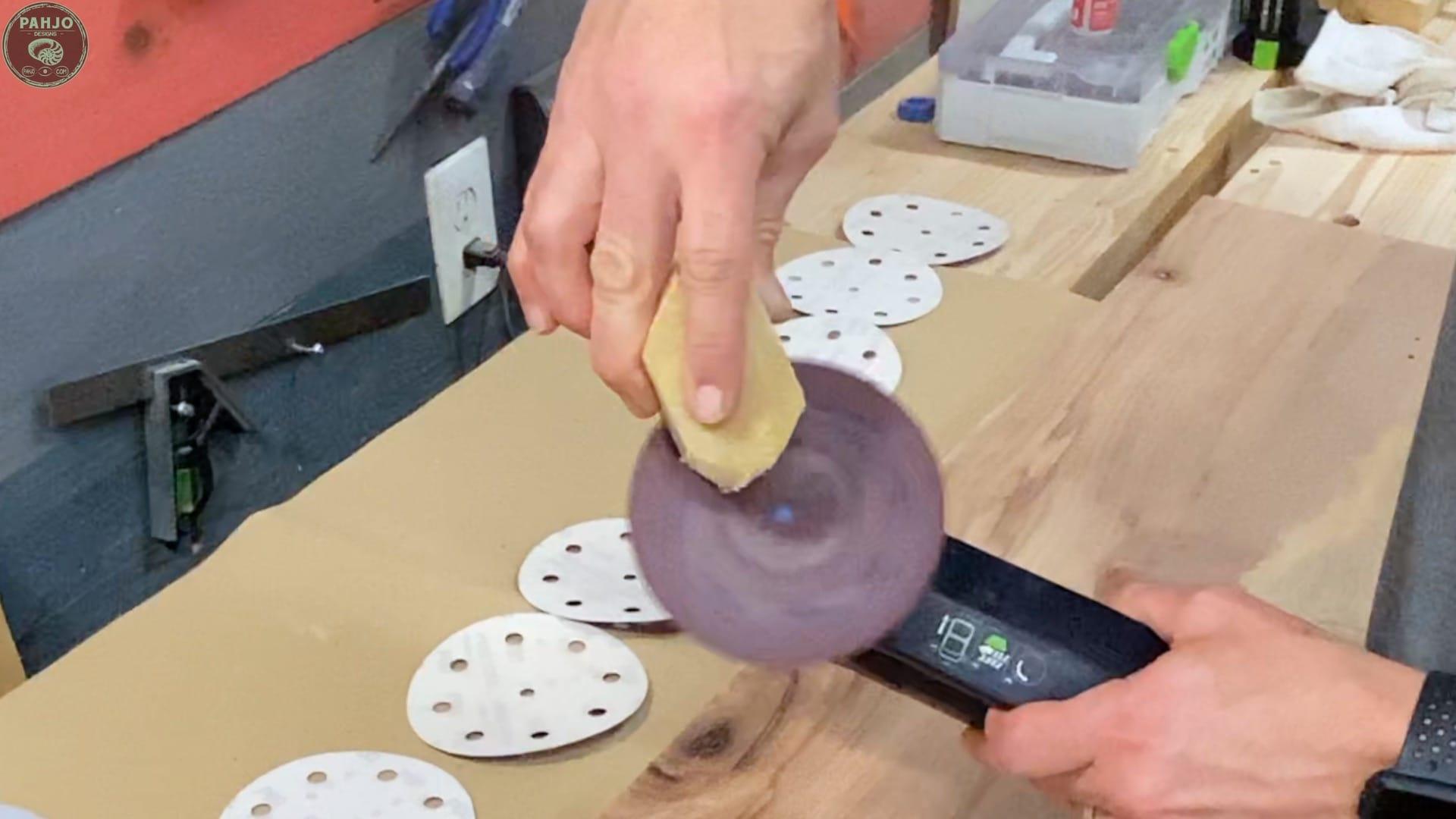
Next, clean sandpaper with an abrasive stick to make it last and prevent material build-up.
Build an Epoxy Mold
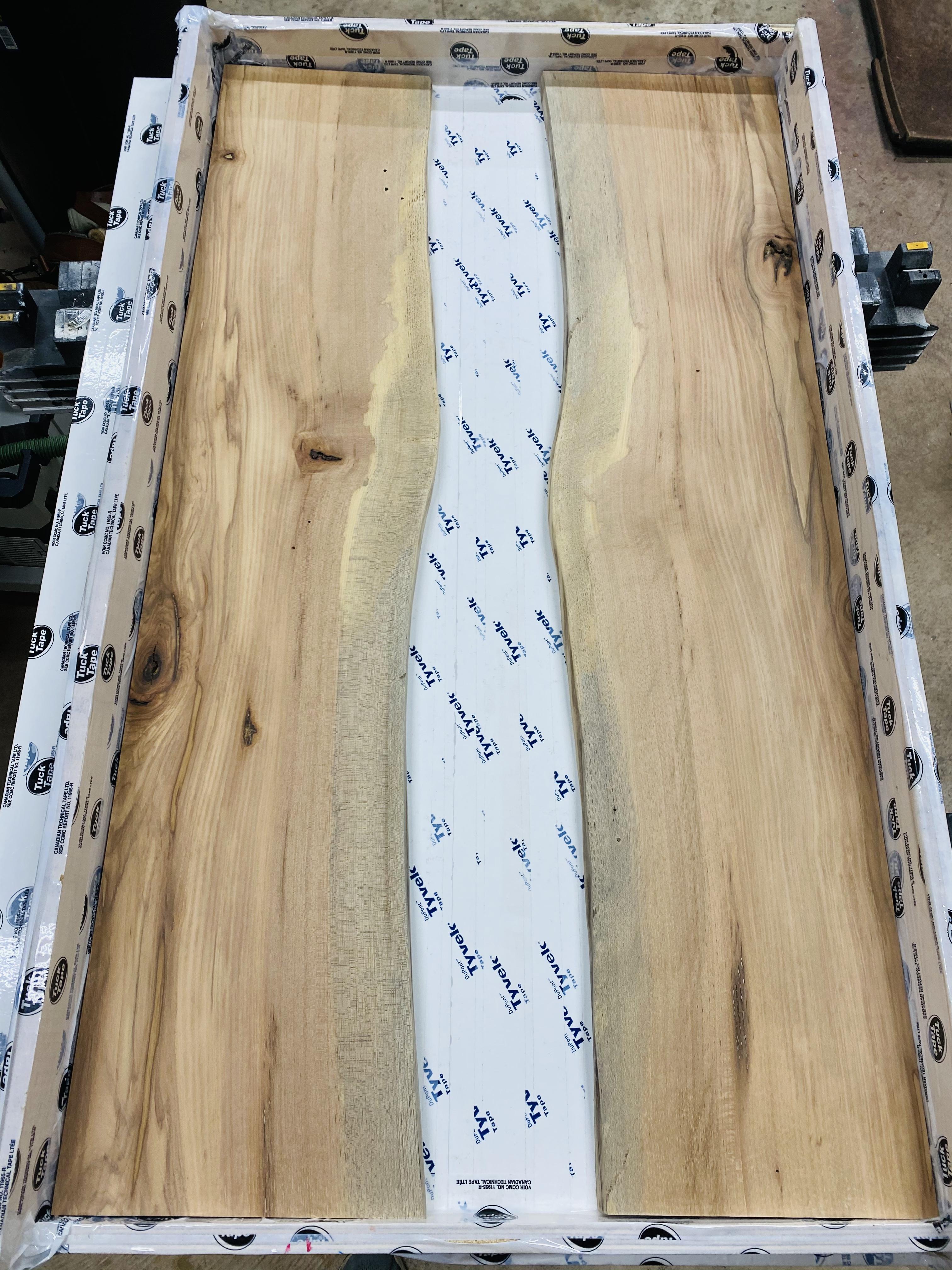
Build an epoxy mold with sheathing tape to contain the pours. I forgot to take a pictures of the process of building the mold. It's basically a piece of plywood with strips cut out for the sides and ends covered in sheathing tape to make the epoxy table easy to remove.
Refer to my instructable here on how to build a simple epoxy mold.
First Epoxy Pour
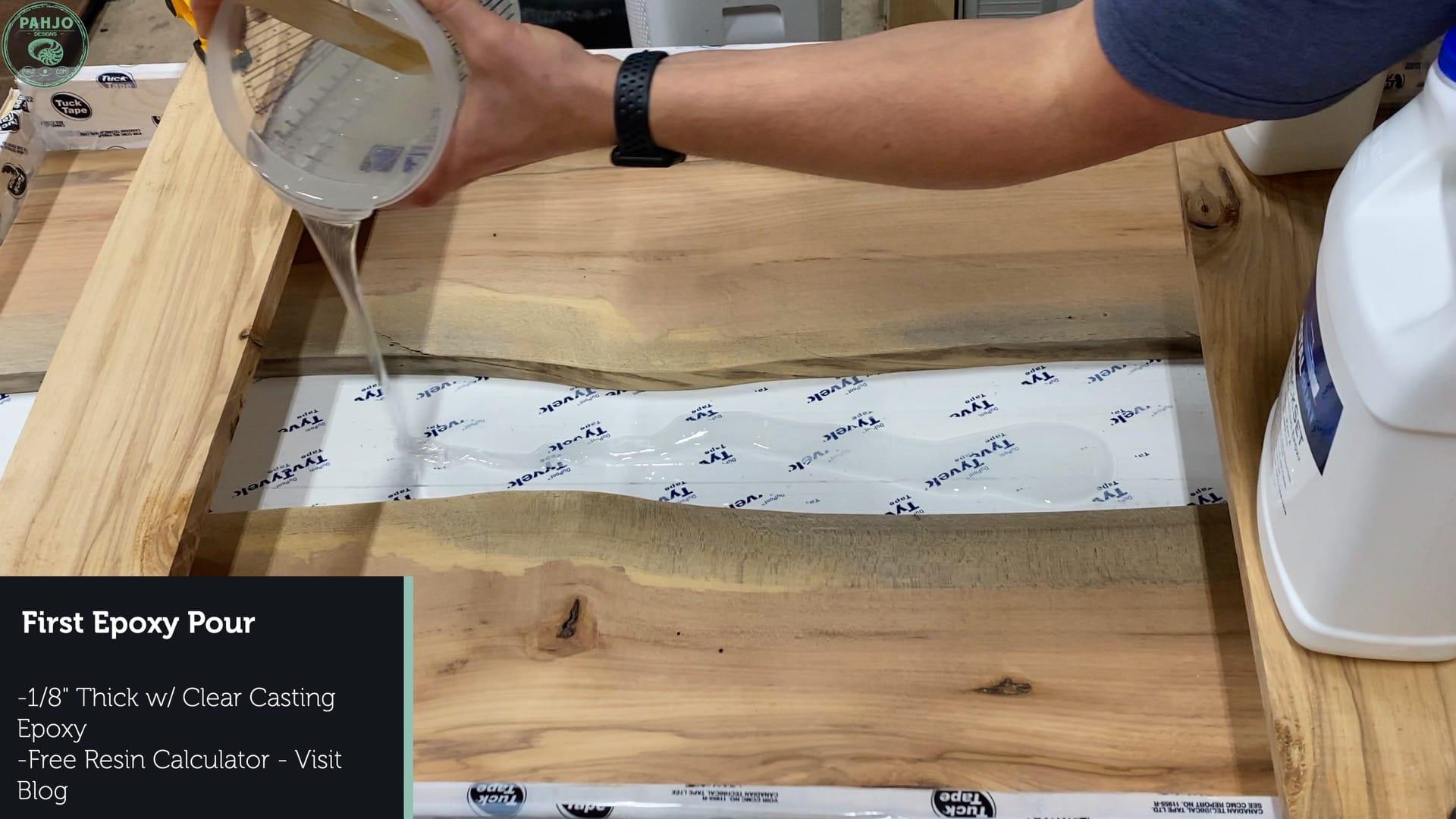
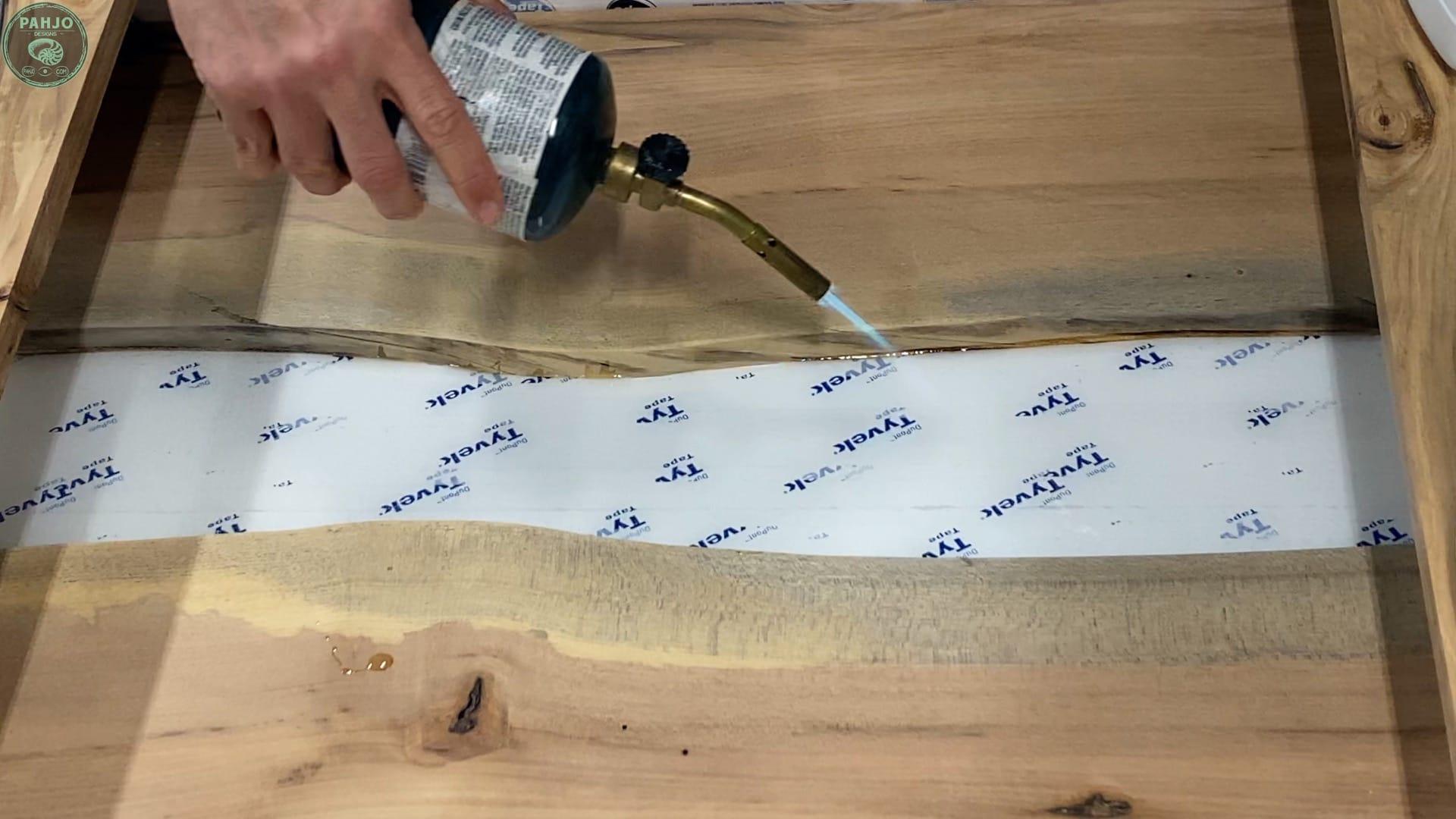
Mix the TotalBoat casting epoxy in a 2:1 ratio to fill the river area about ⅛ inch deep. This initial layer seals the wood and protects the glow layer that comes next.
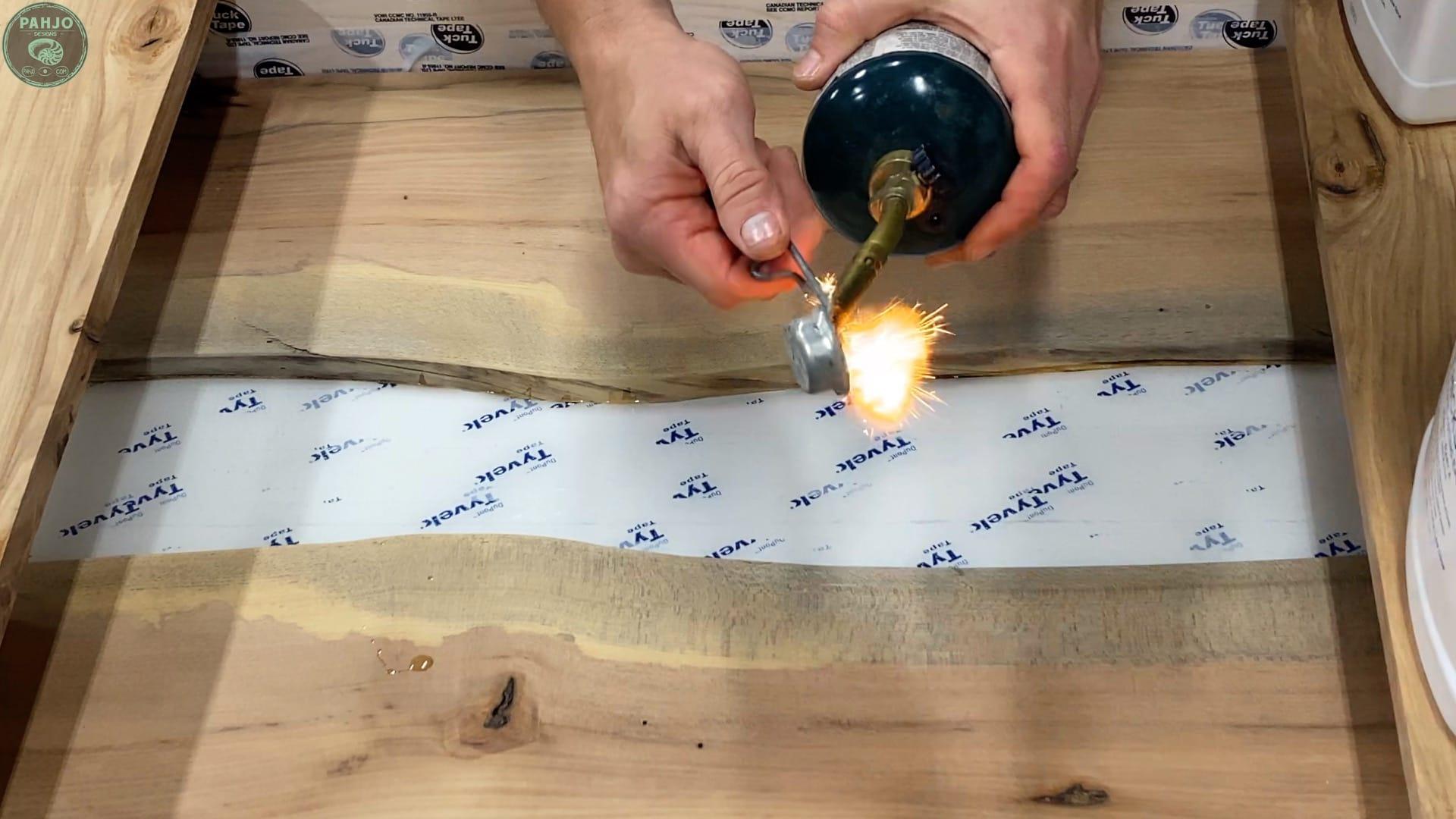
Pour the epoxy slowly and use a torch with a lighter to pop any bubbles that form. Fill any knots deep using a syringe to prevent leaks.
Allow it to cure until it passes the fingerprint test, meaning it's tacky but doesn't leave a print when you touch it.
Fill Knots With Epoxy
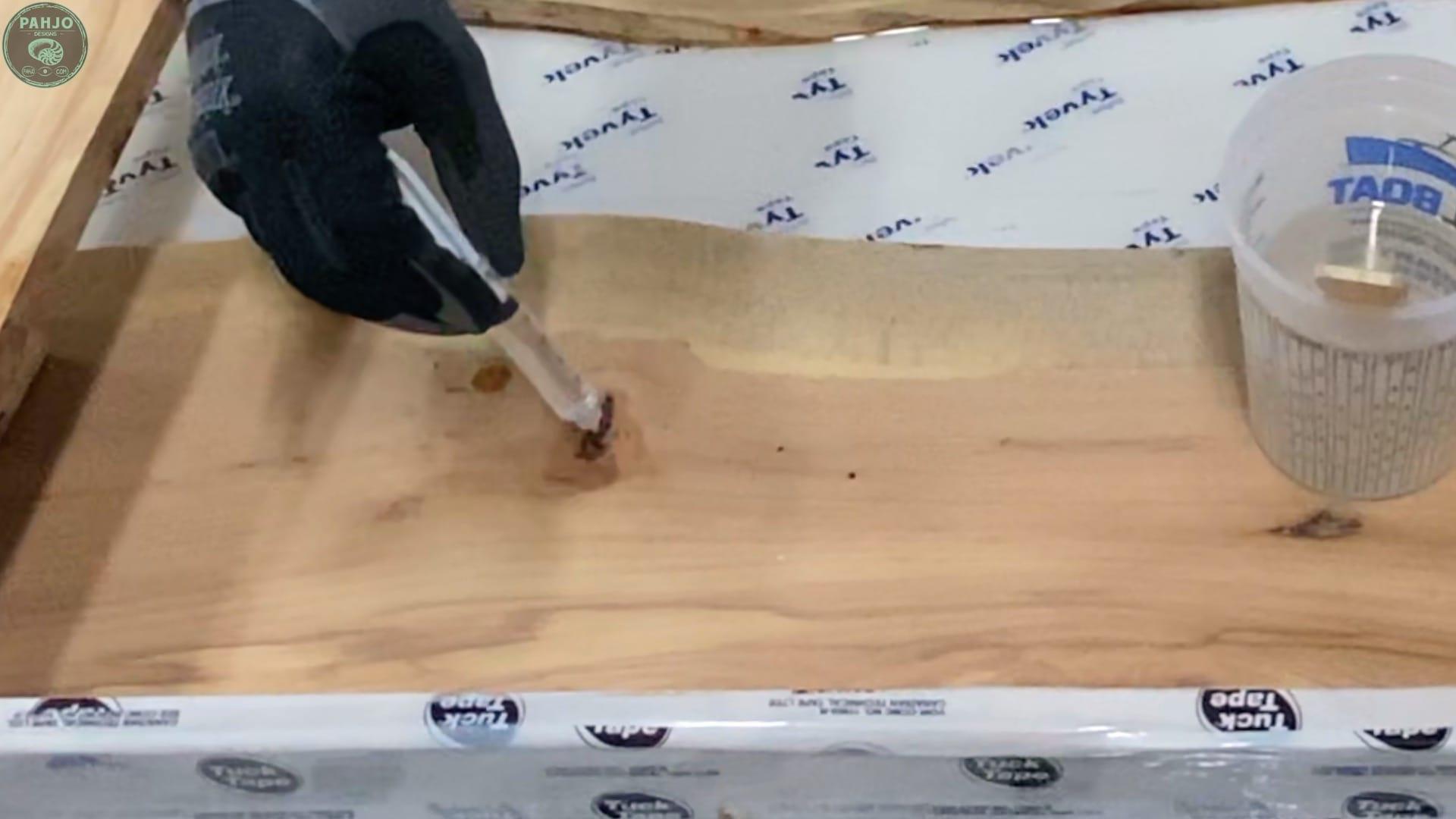
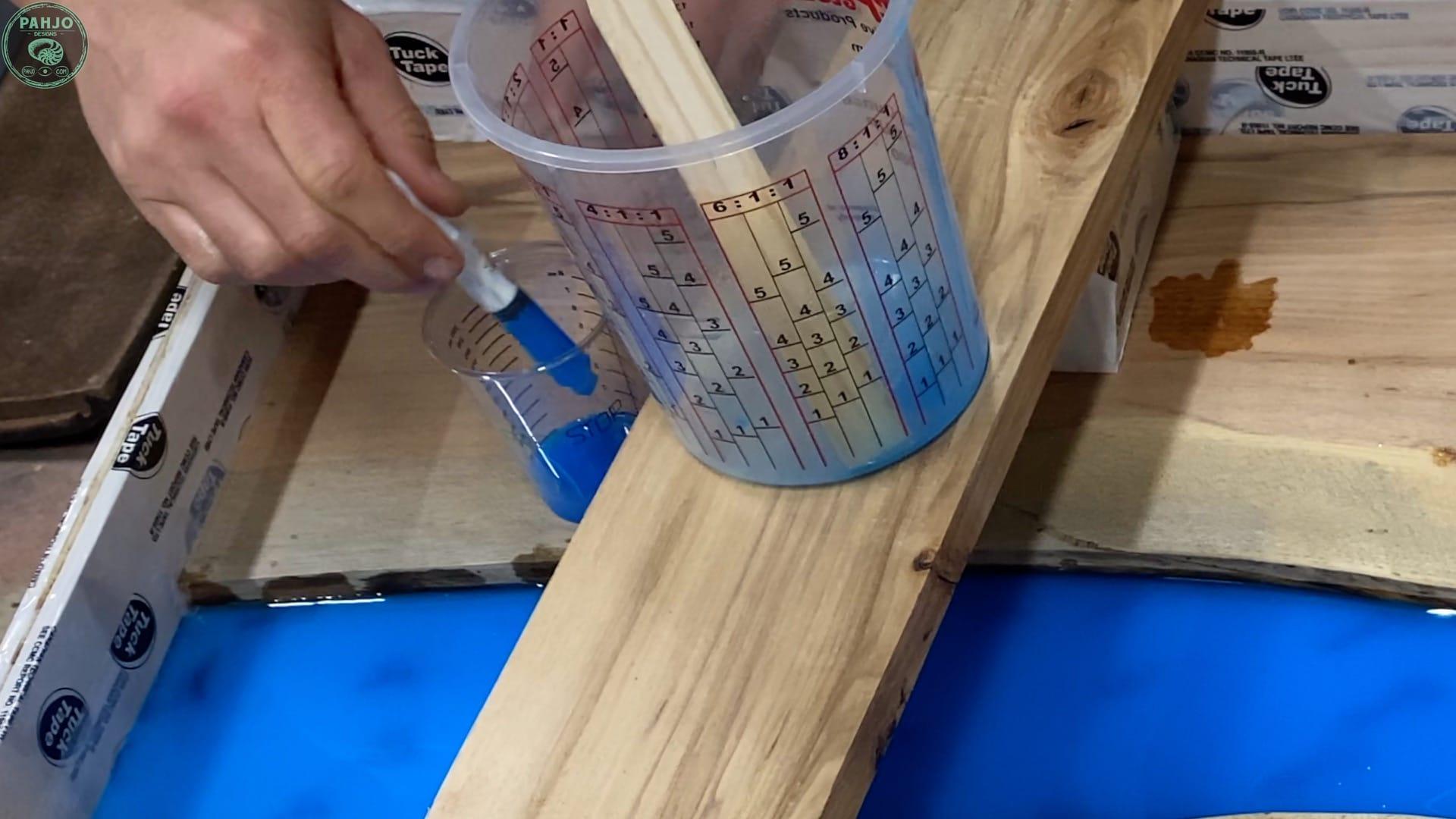
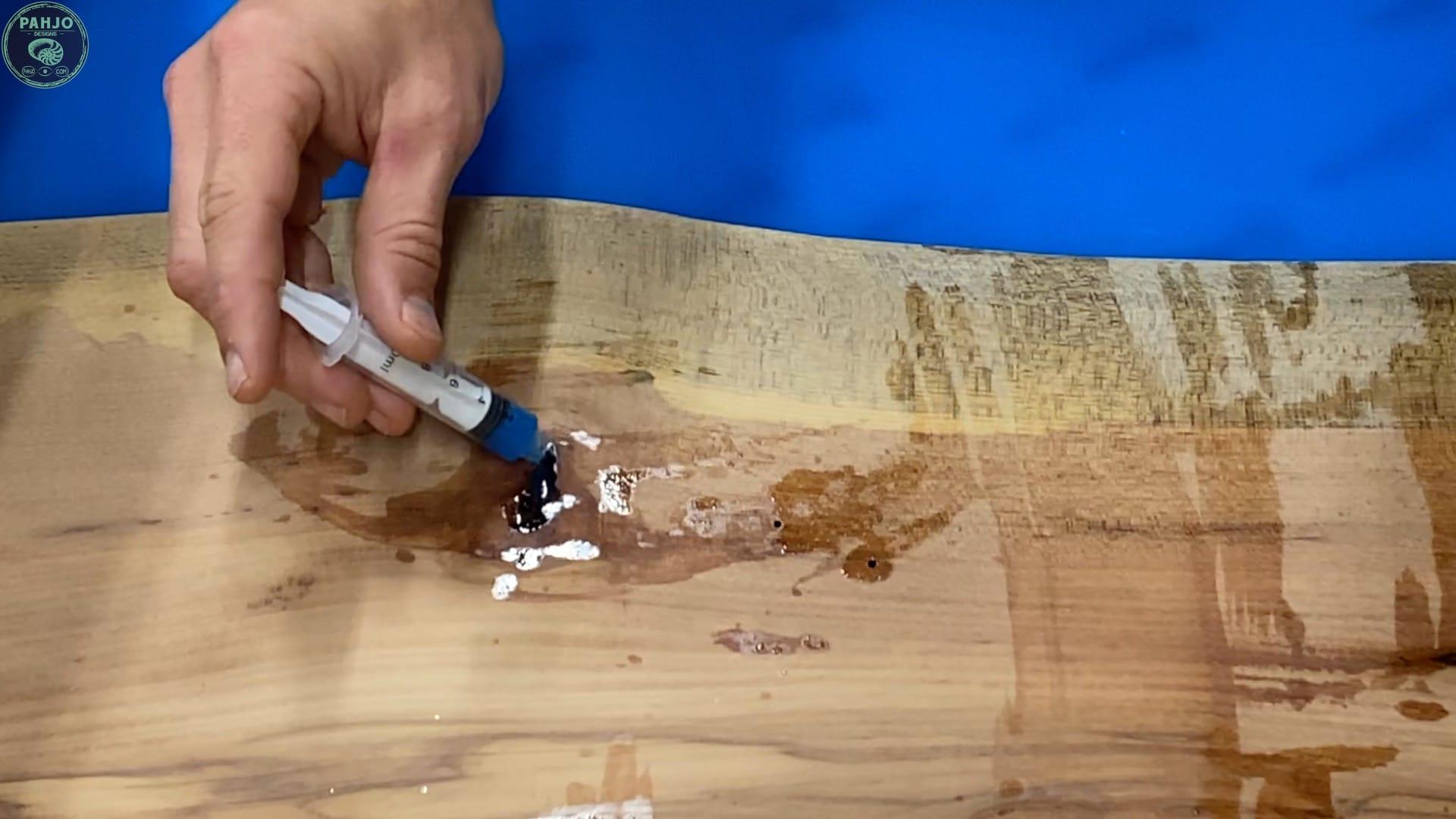
Use a syringe to force epoxy resin deep into the wood knots or any other wood defects to properly seal them.
This stabilizes the area and prevents issues in the future. For an added touch, mix pigment or even epoxy glow powder into the epoxy before filling the wood defects.
Mix Glow Powder
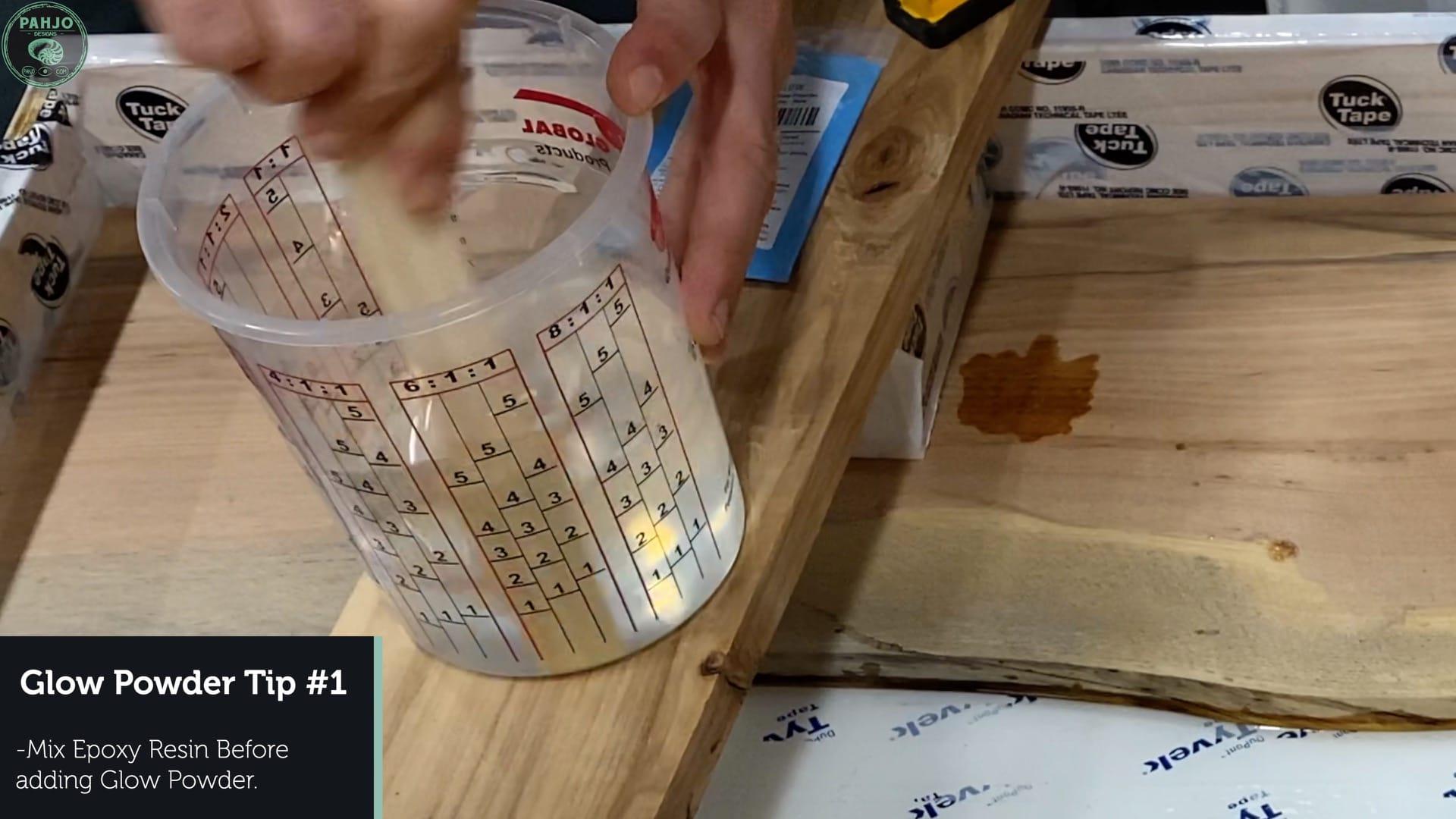
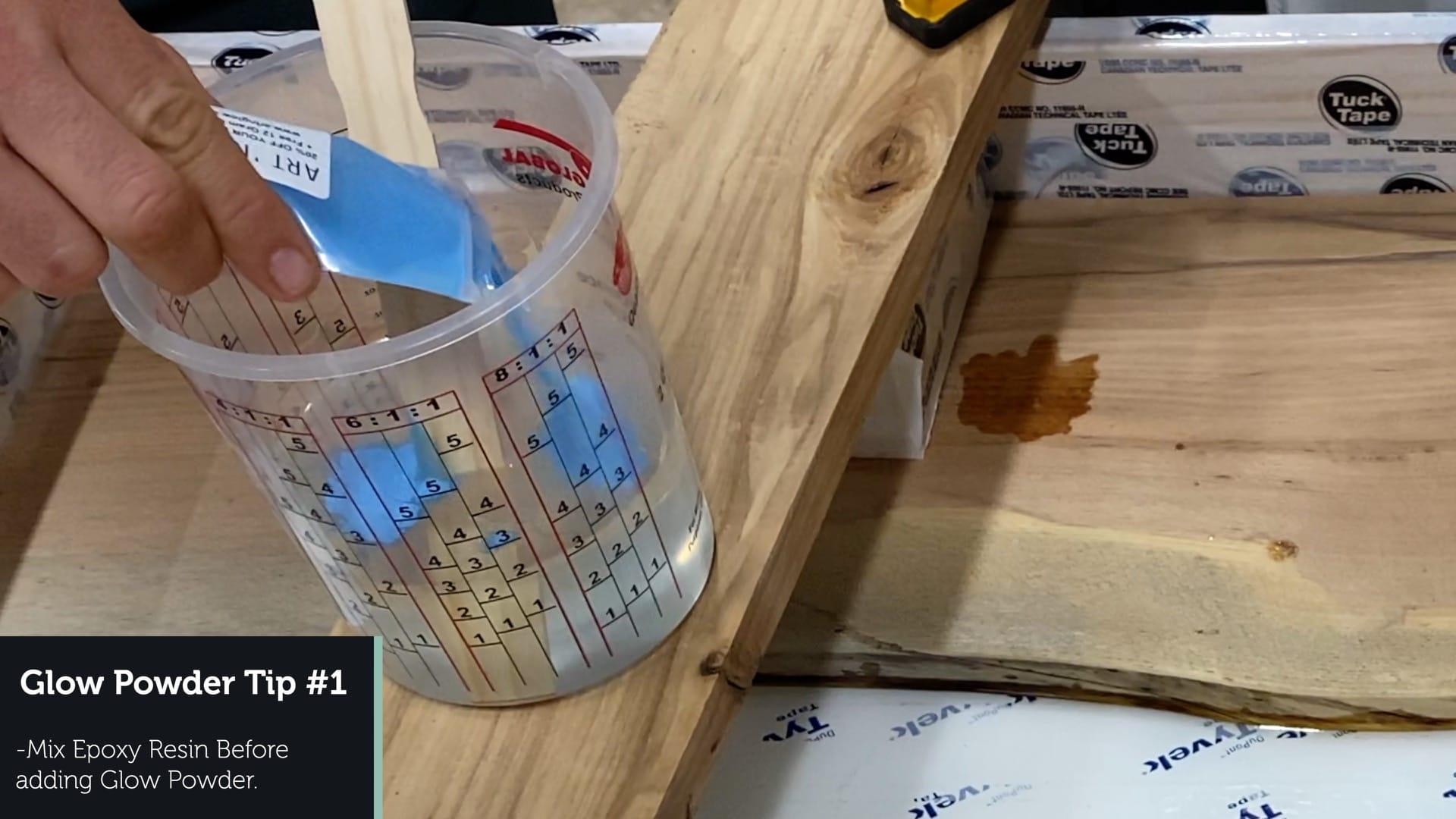


For that cool blue glow in the river, start by mixing the epoxy clear first.
Then, add 8 ounces of blue glow powder and stir vigorously, scraping the sides to ensure even color distribution.
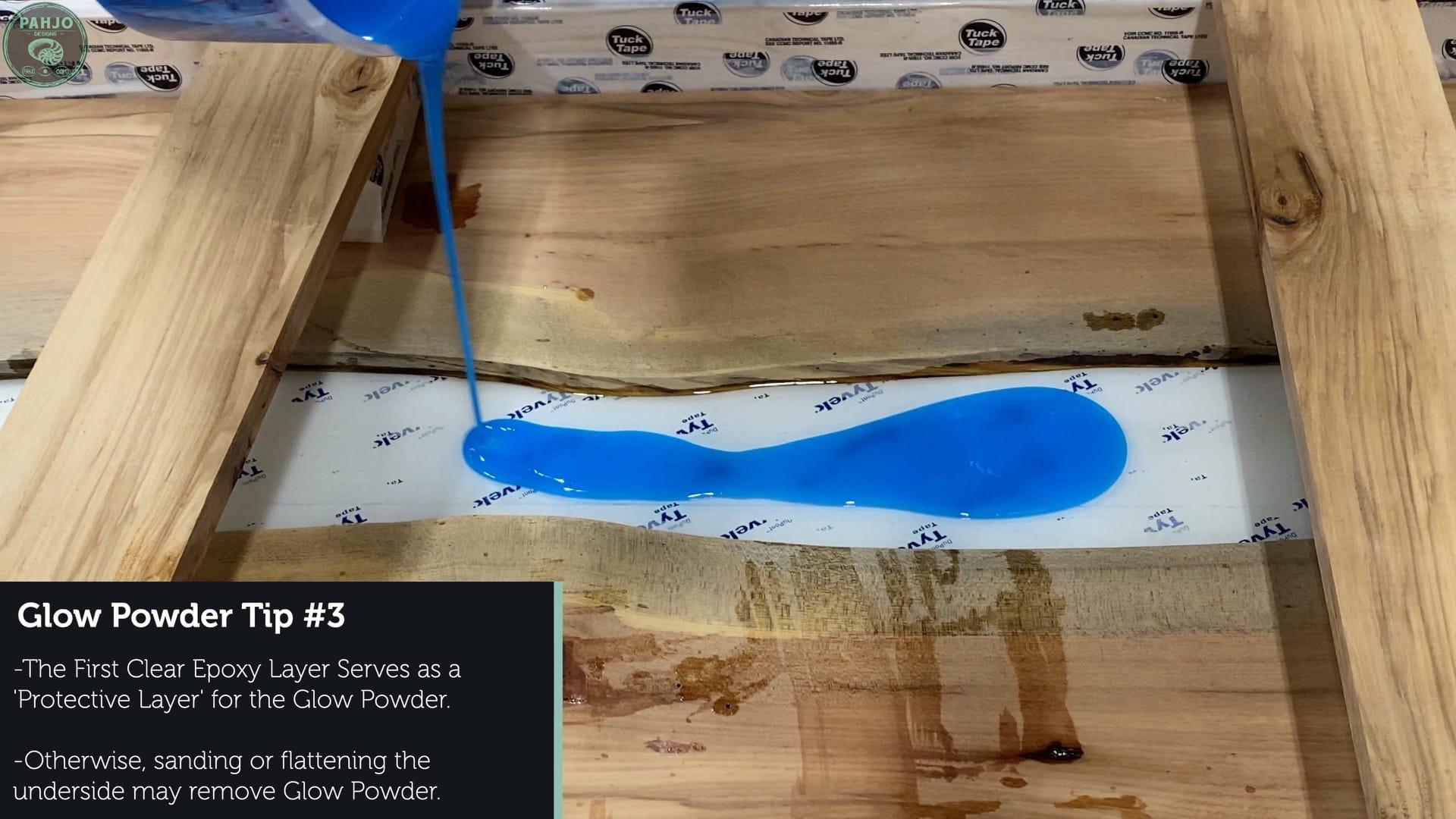
Pour this mixture to about ¾ inch depth, saving some for filling knots. Make sure to leave ⅛ inch of space at the top for the final clear coat.
Let it cure for 24 hours.
Test Glowing River

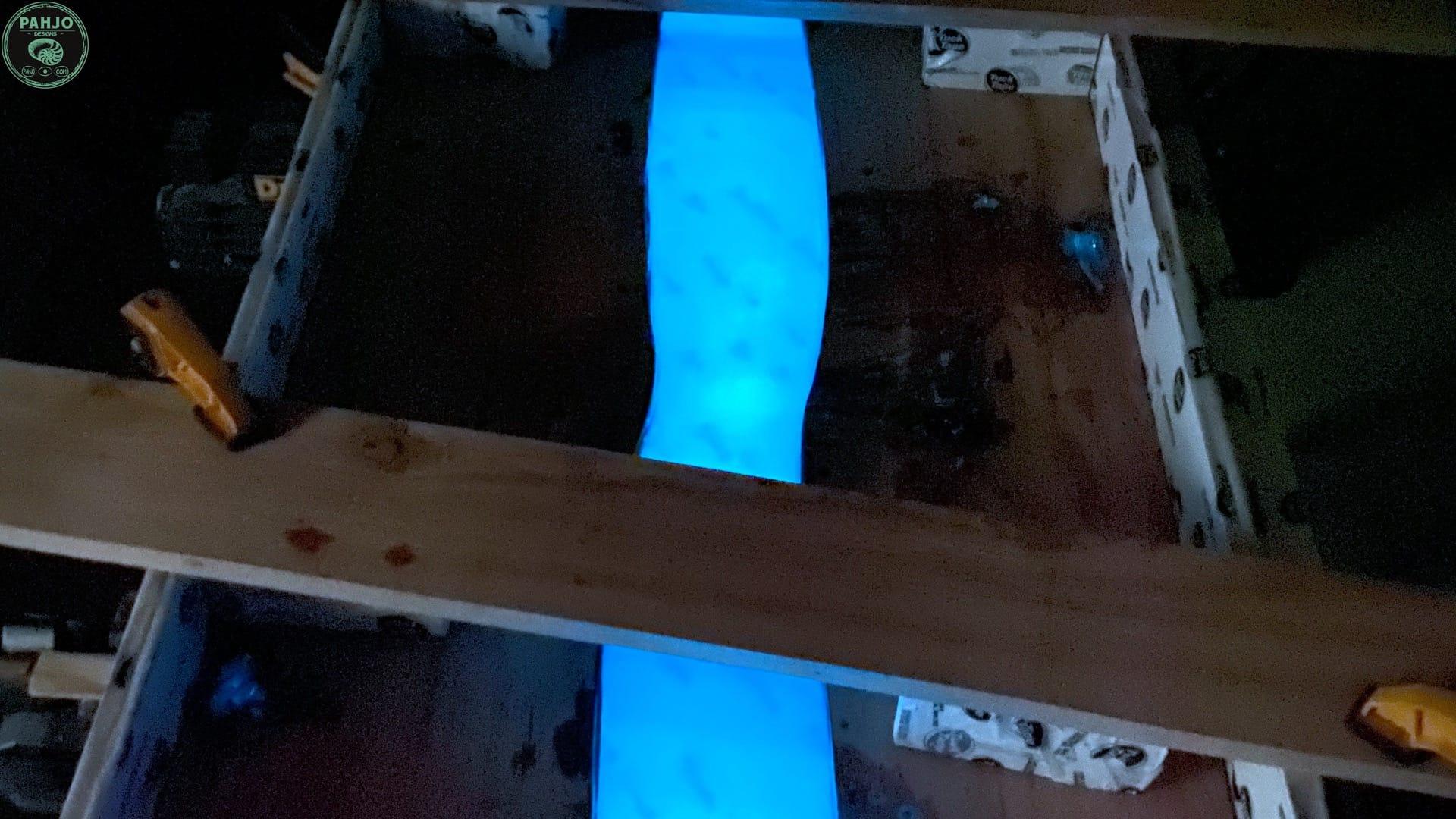
To test the glow, charge it under lights for about 4 hours, then turn off the lights—it's going to look epic.
Final Clear Epoxy Pour

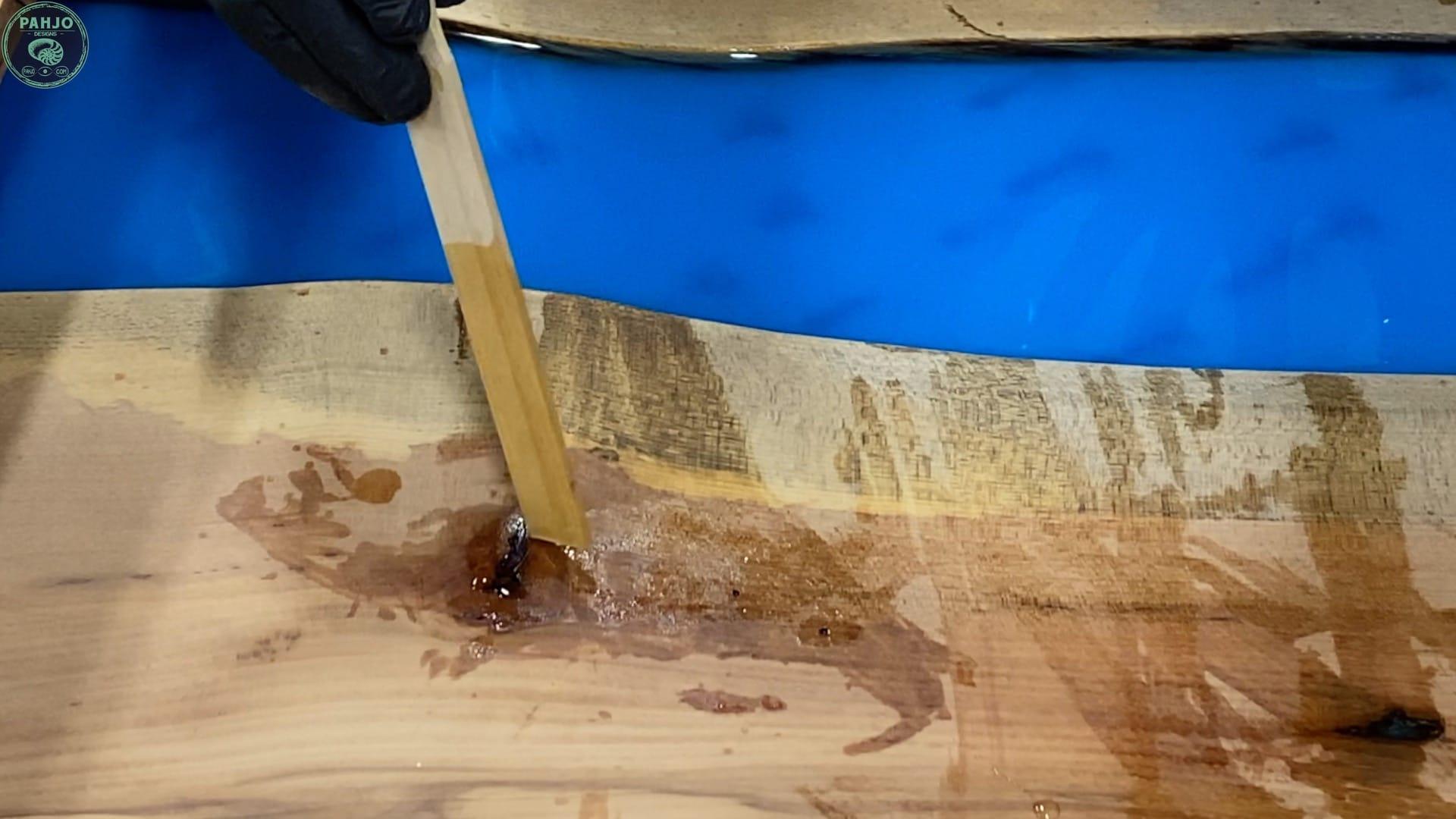
Mix and pour the clear casting epoxy to fill the space completely. Fill any knots with clear epoxy as well. Use the torch to eliminate bubbles.
Allow it to cure fully before demolding.
Demold and Cut to Size
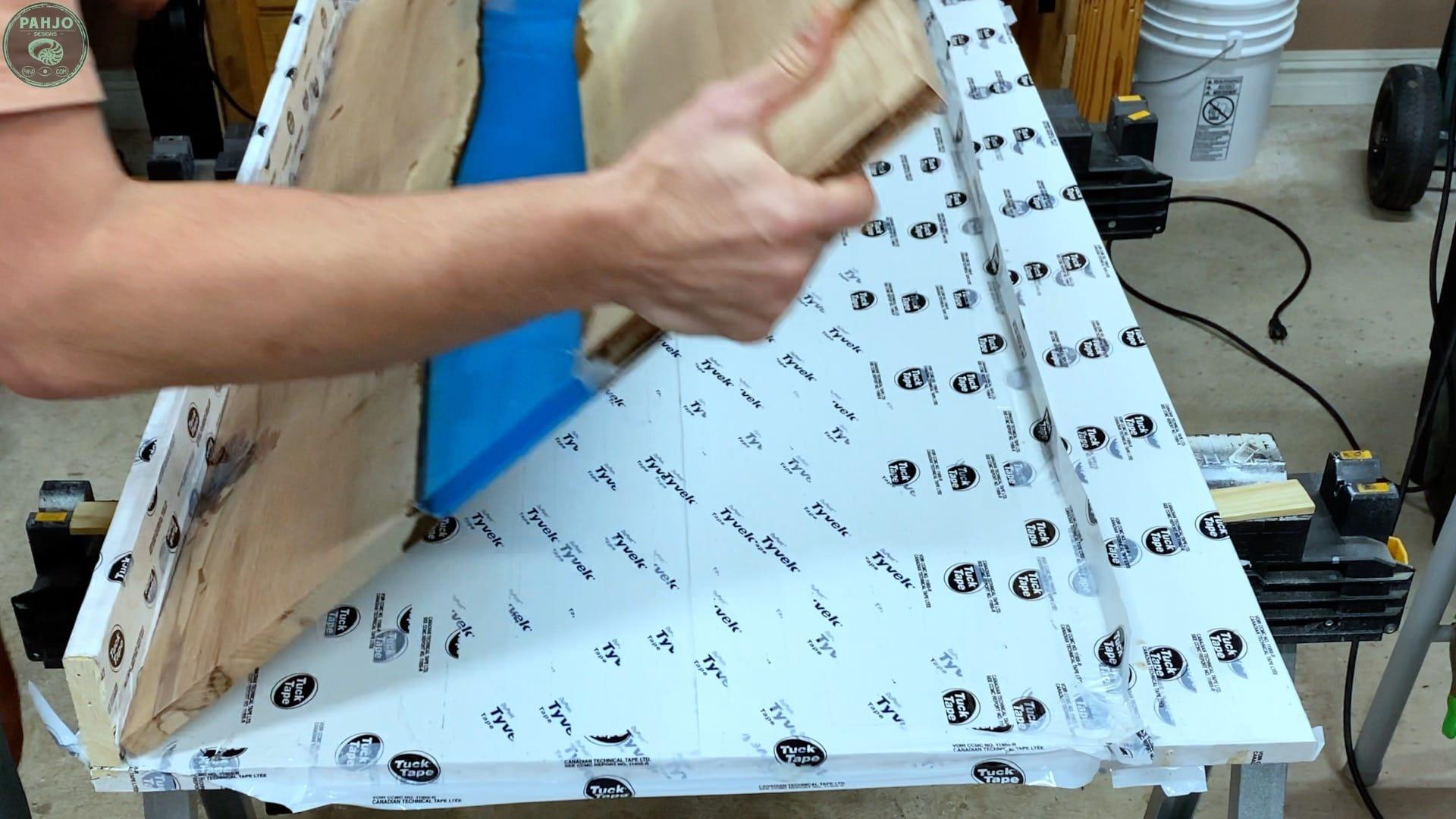

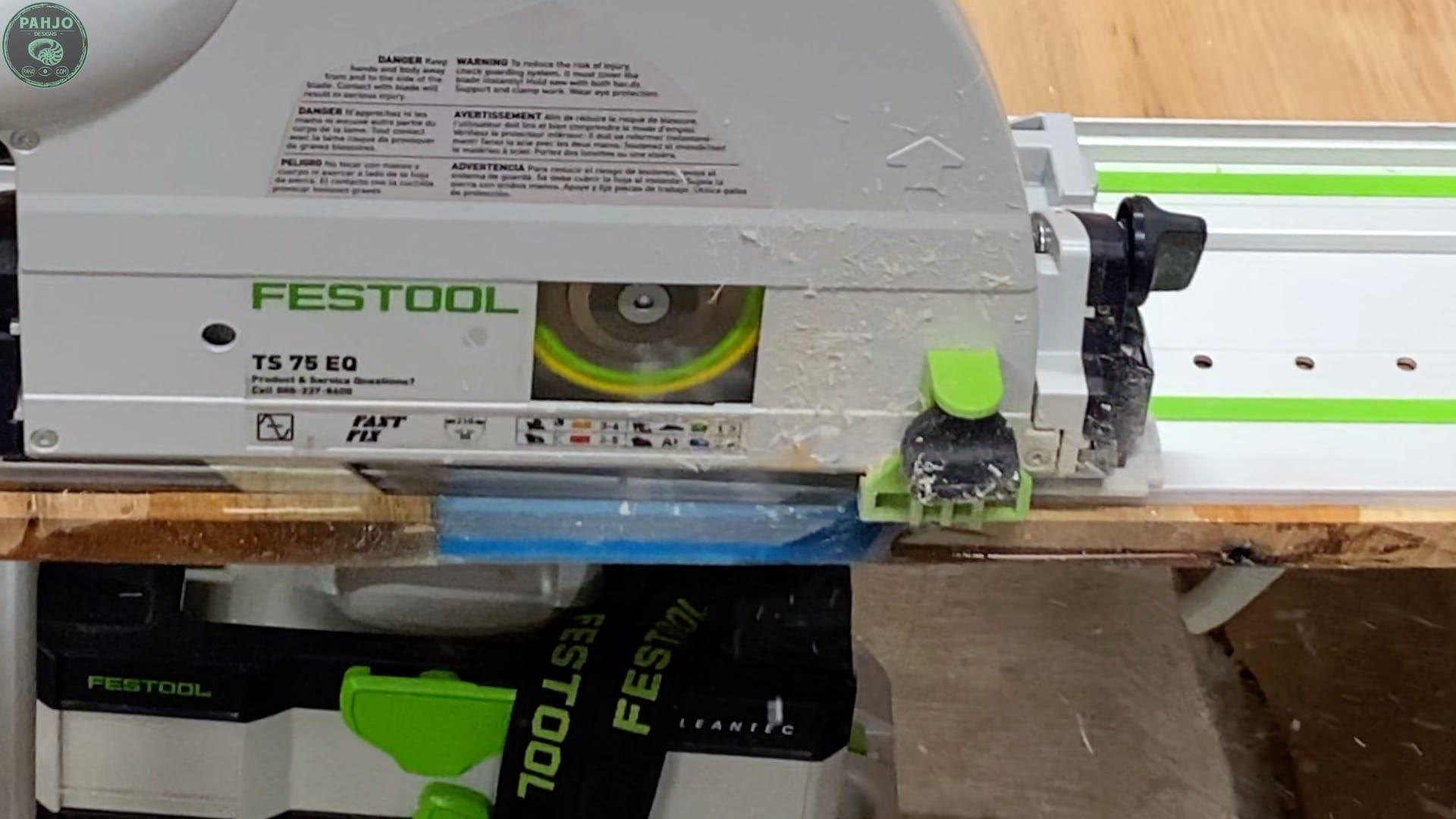
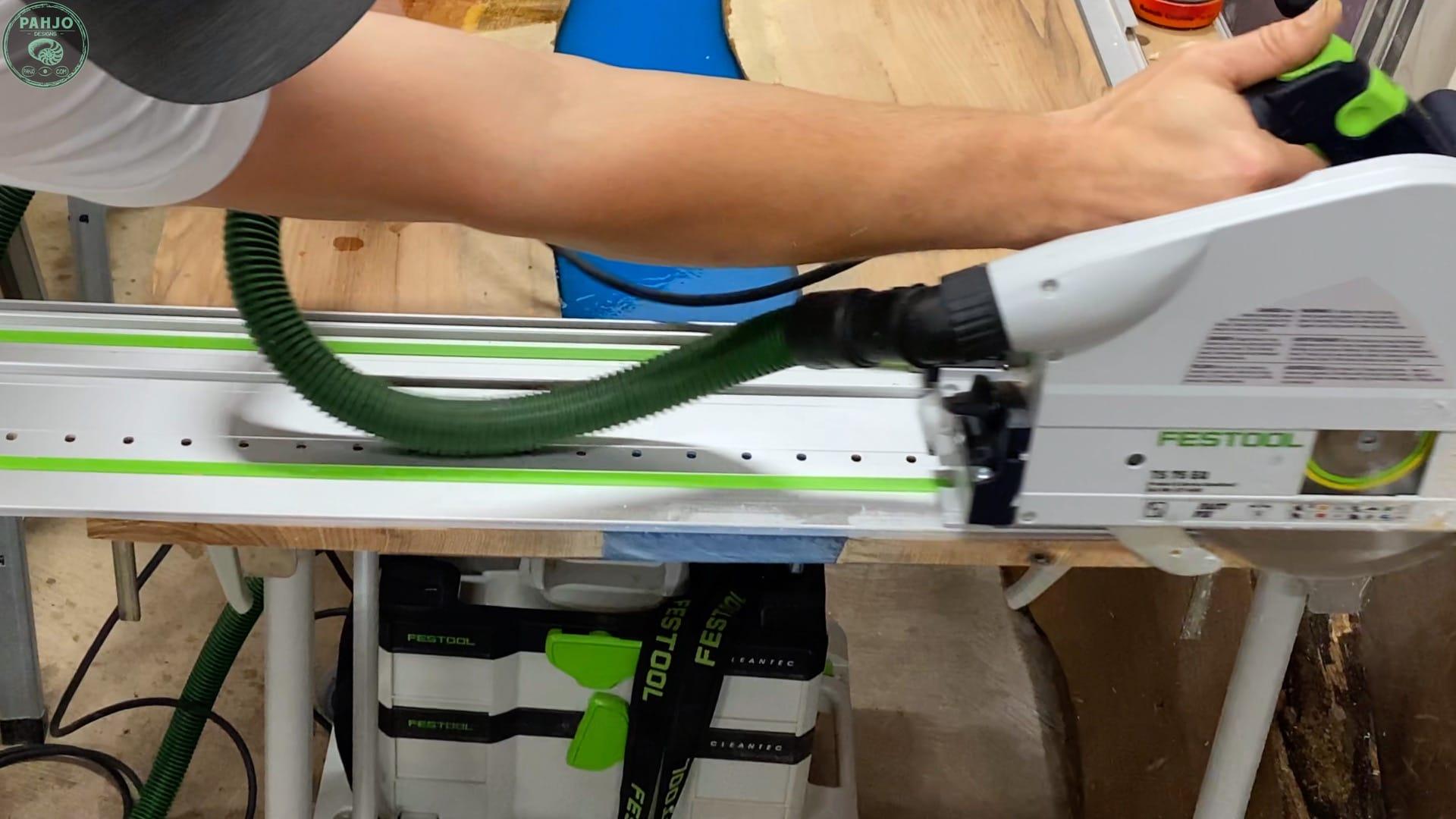
Once cured, pop the table out of the mold easily.
Flip it so the underside is up, then use the track saw to cut the ends and sides to your final dimensions. This way, you avoid scratching the top surface with the track.
Epoxy Top Coat Finish
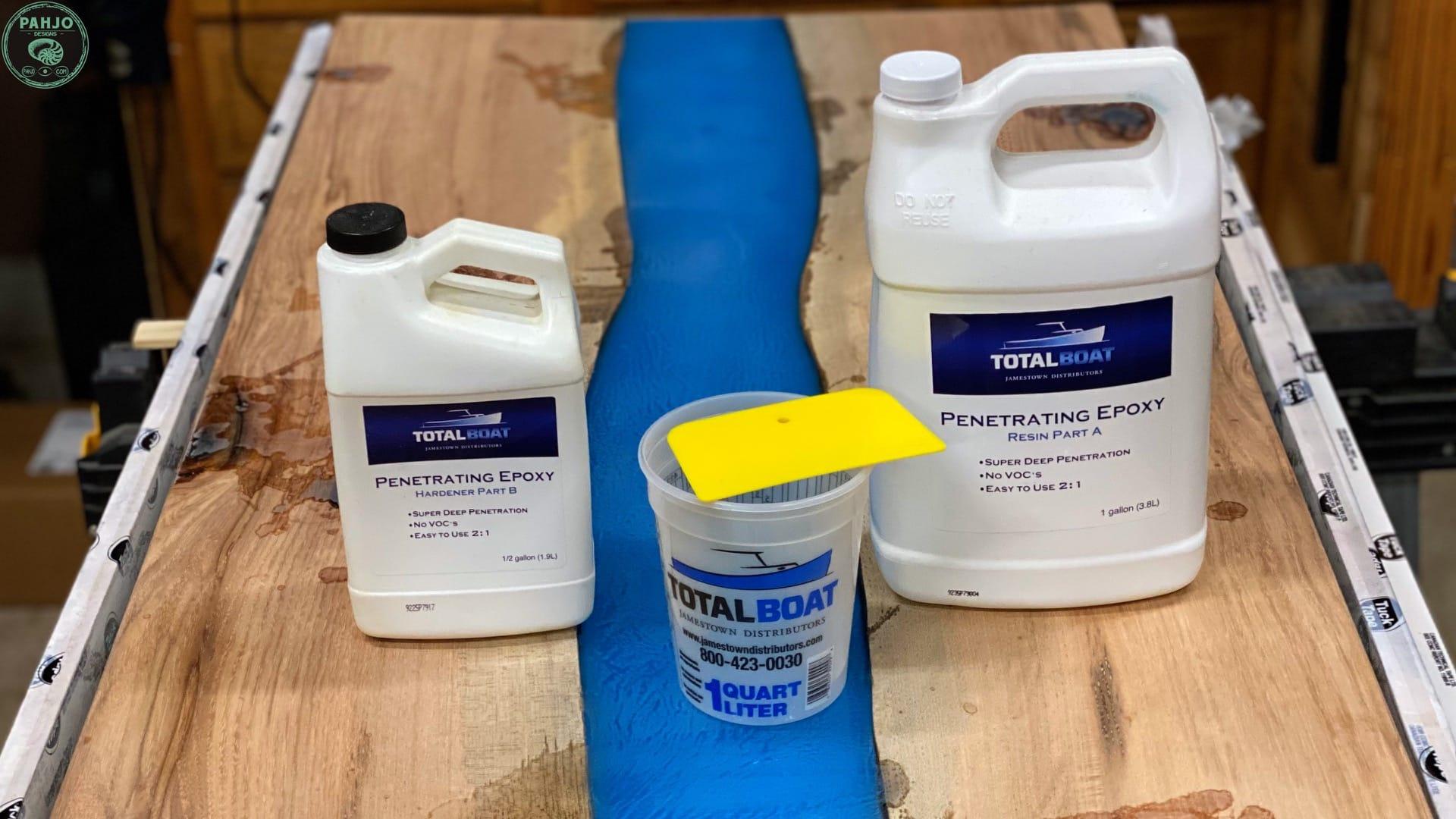
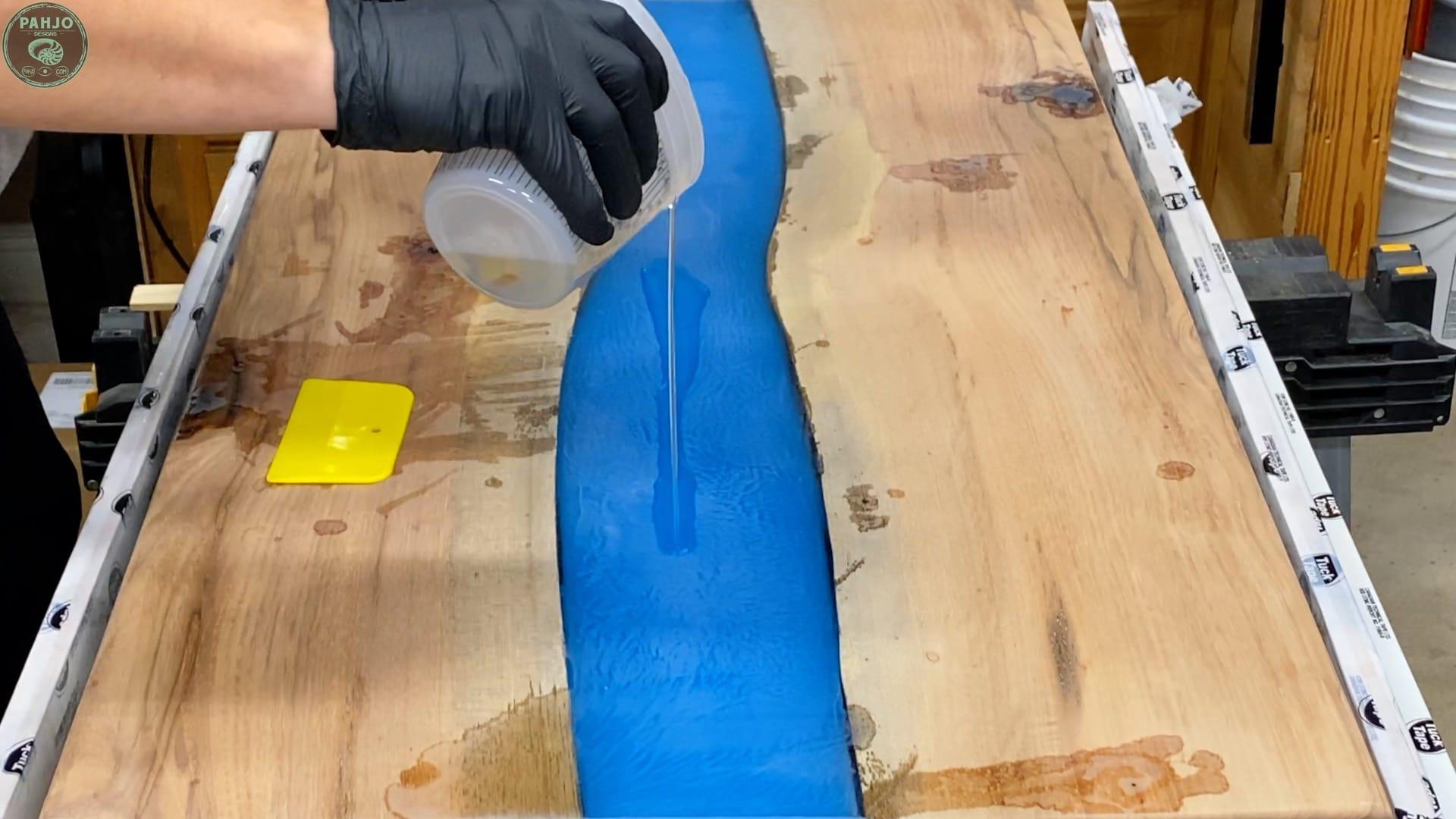
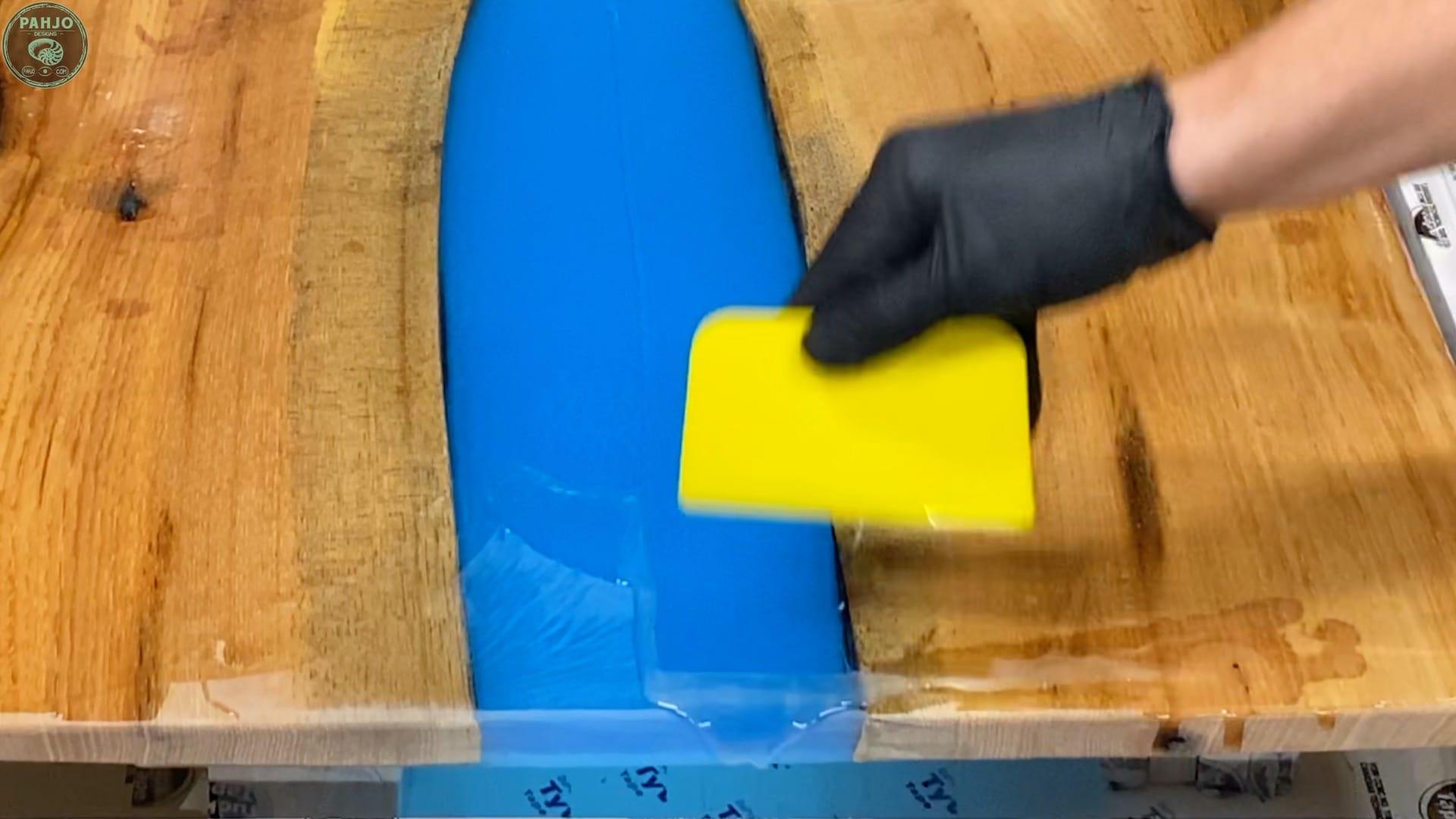
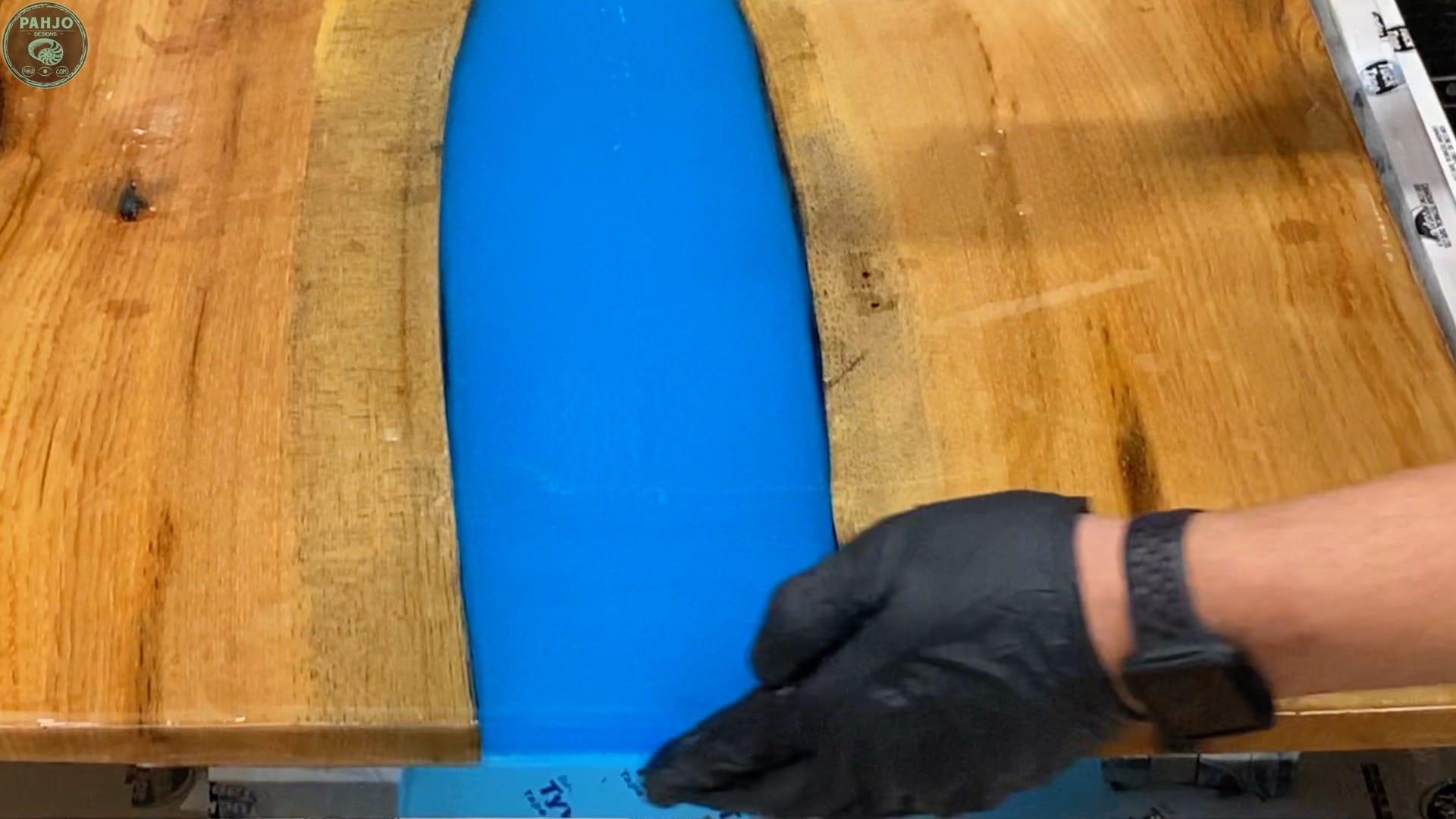
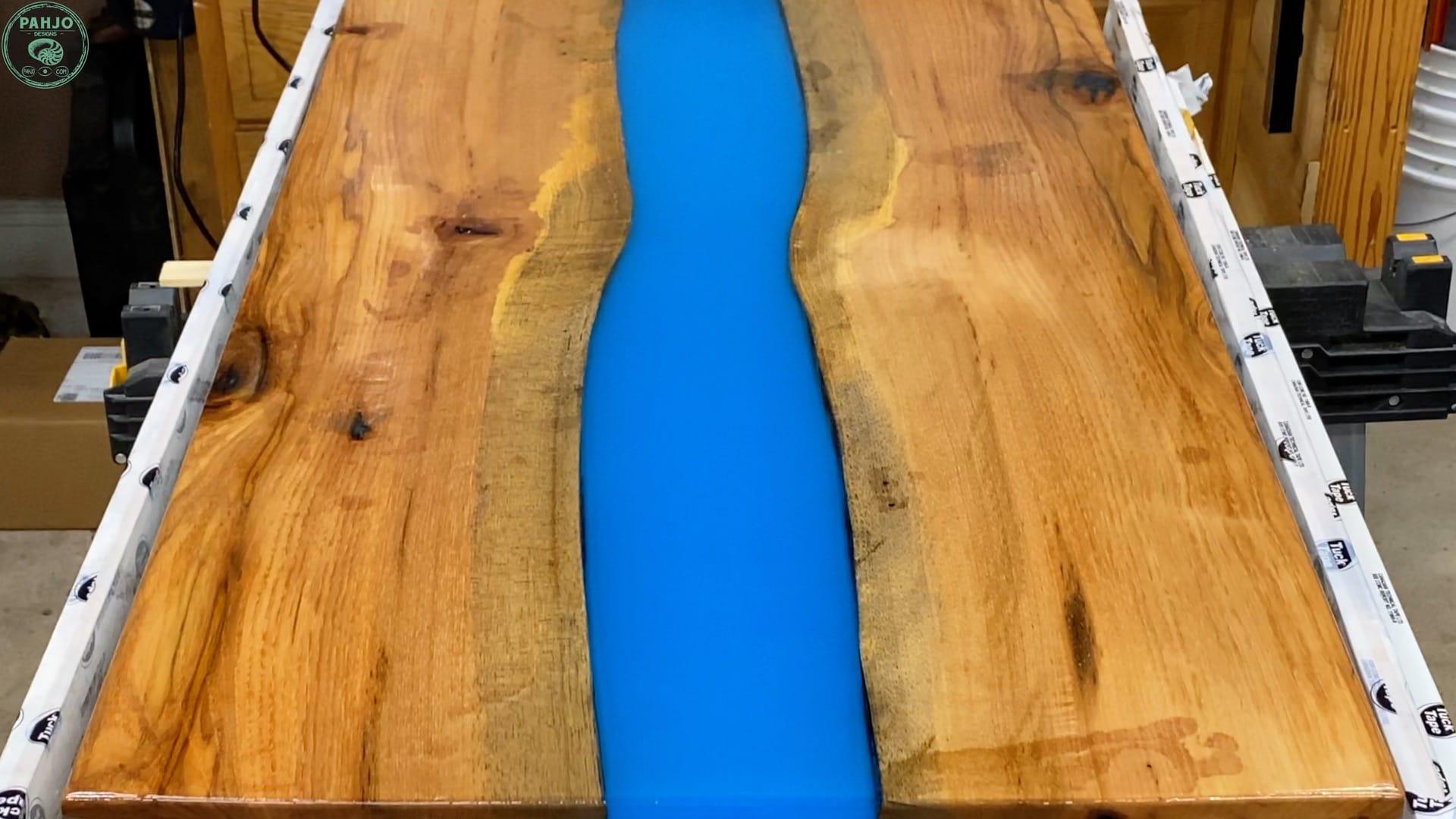
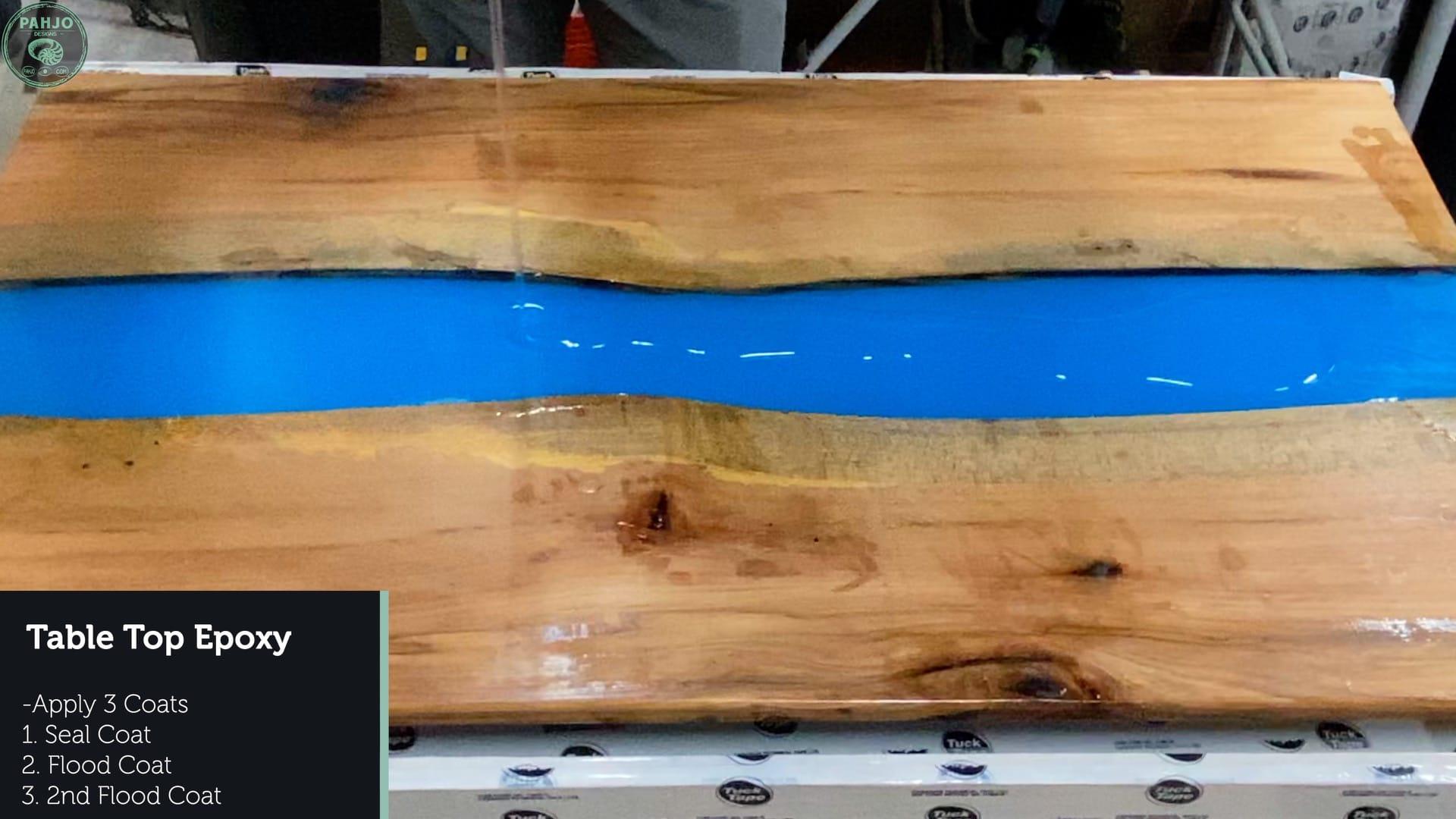
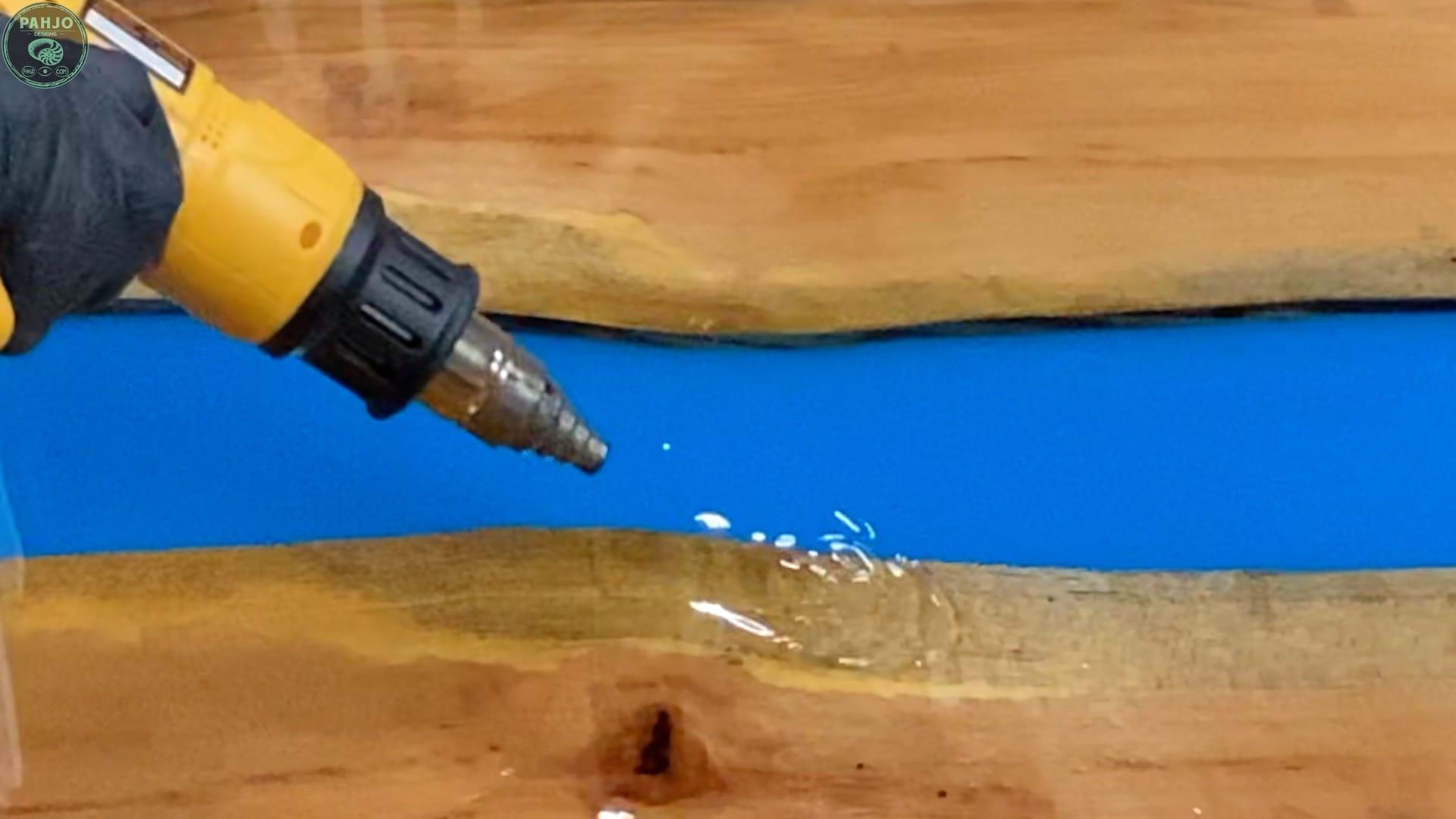
I chose an epoxy finish for this epoxy coffee table. I prefer not to use this finish, but the person I built this table for requested it.
For a high gloss look, start by sealing with Penetrating Epoxy mixed in a 2:1 ratio and spread it with a plastic tool.
Coat the top, sides, and ends.
Apply a second coat after the first becomes tacky, then let it cure for 24 hours.
Next, apply two flood coats of Table Top Epoxy in a 1:1 mix. Pour it on and use a heat gun to spread if necessary. Wait 6 hours between coats and allow 72 hours for full cure.
To protect from dust, wrap it in plastic over scrap wood frames.
Protect From Dust

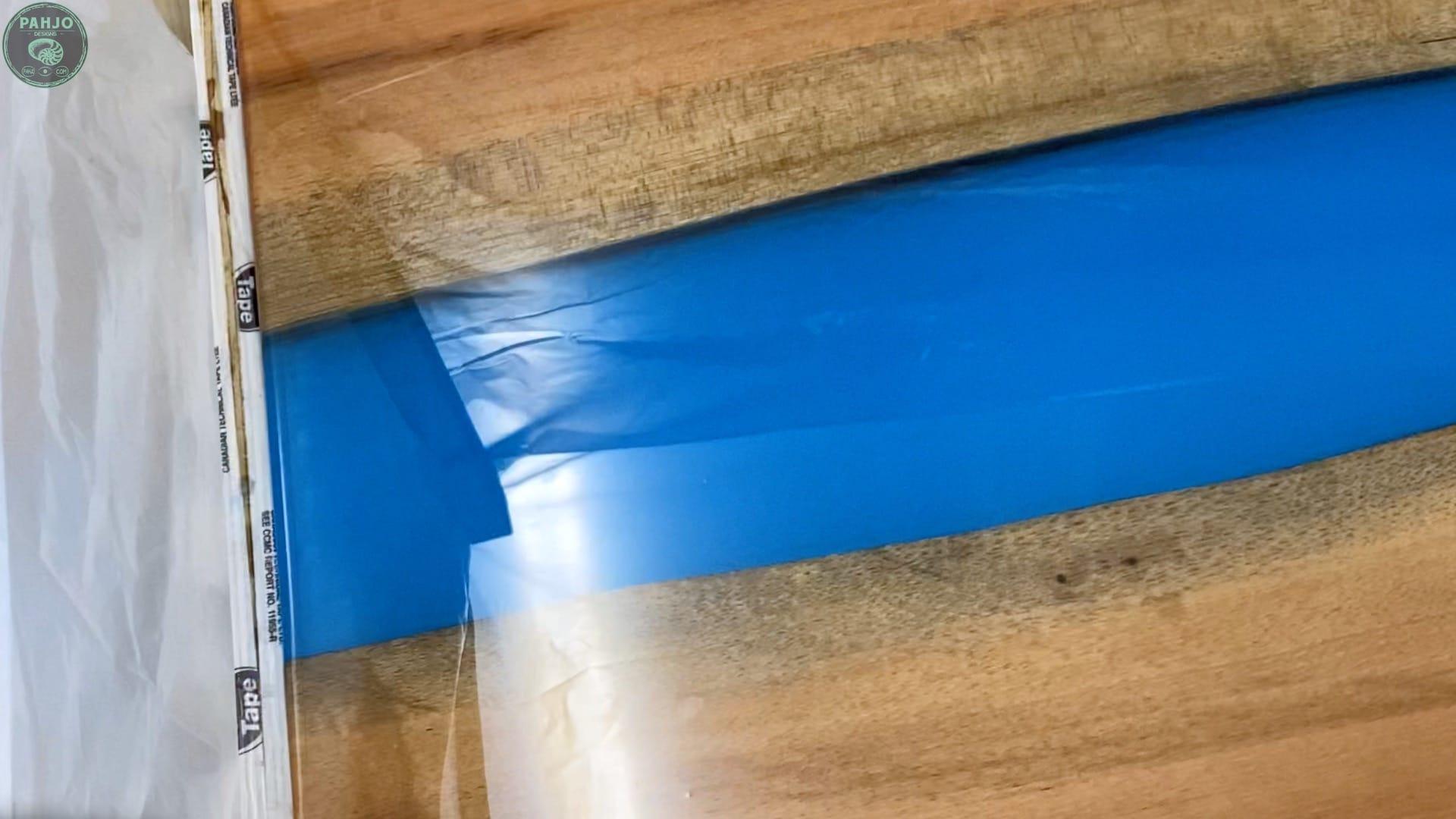
To protect from dust, wrap it in plastic over scrap wood frames.
Finish Underside (Optional Step)
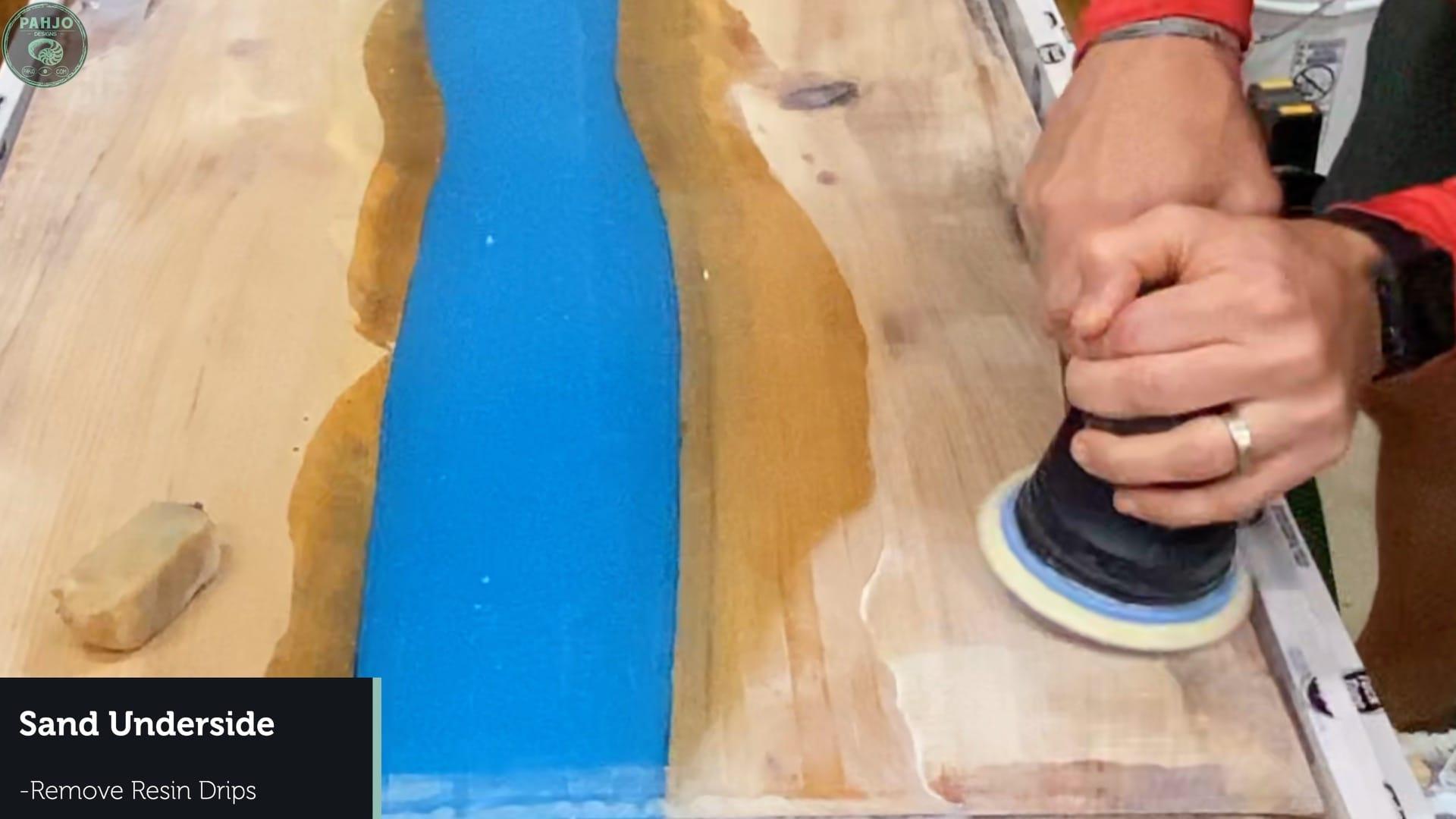
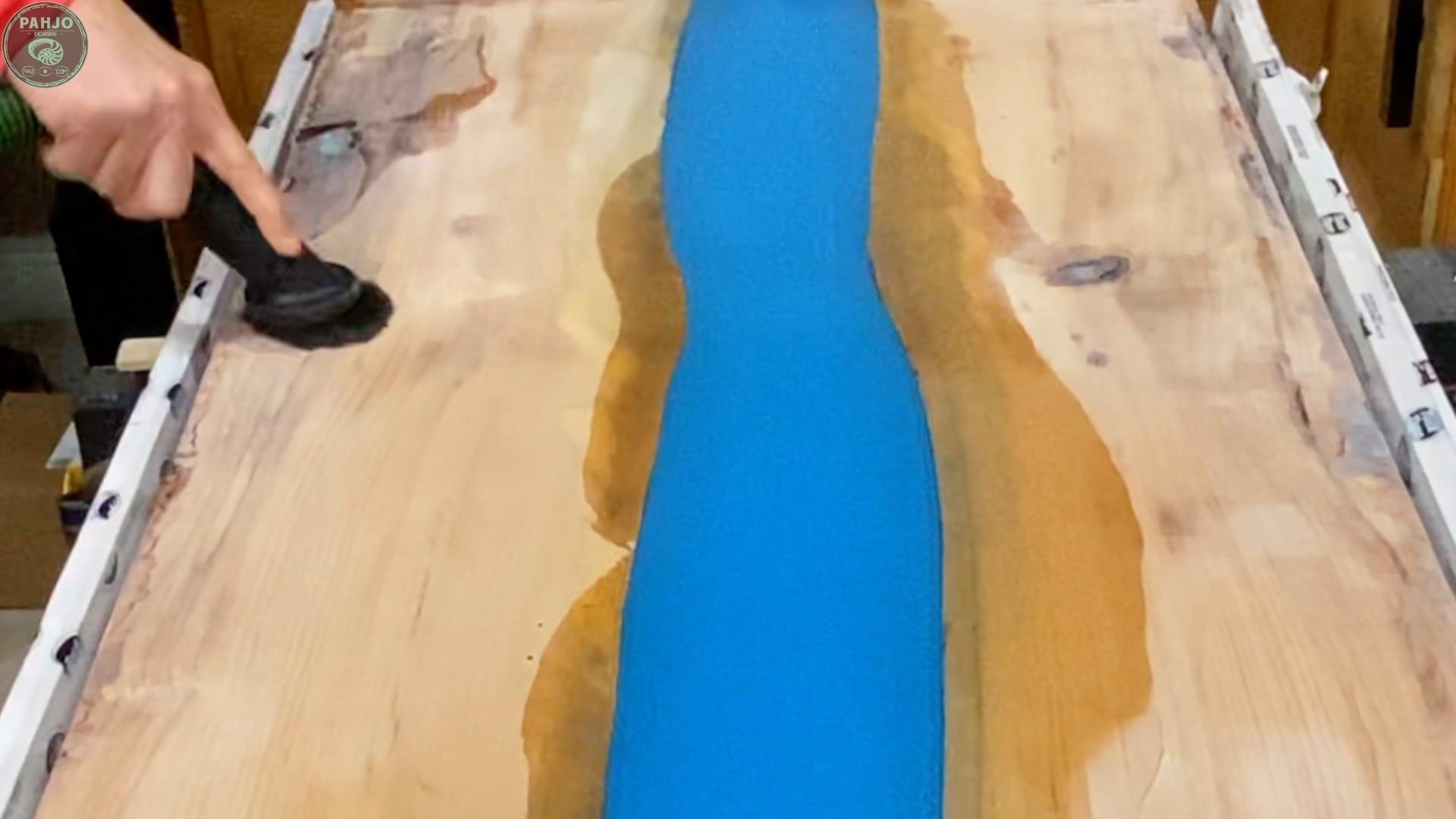
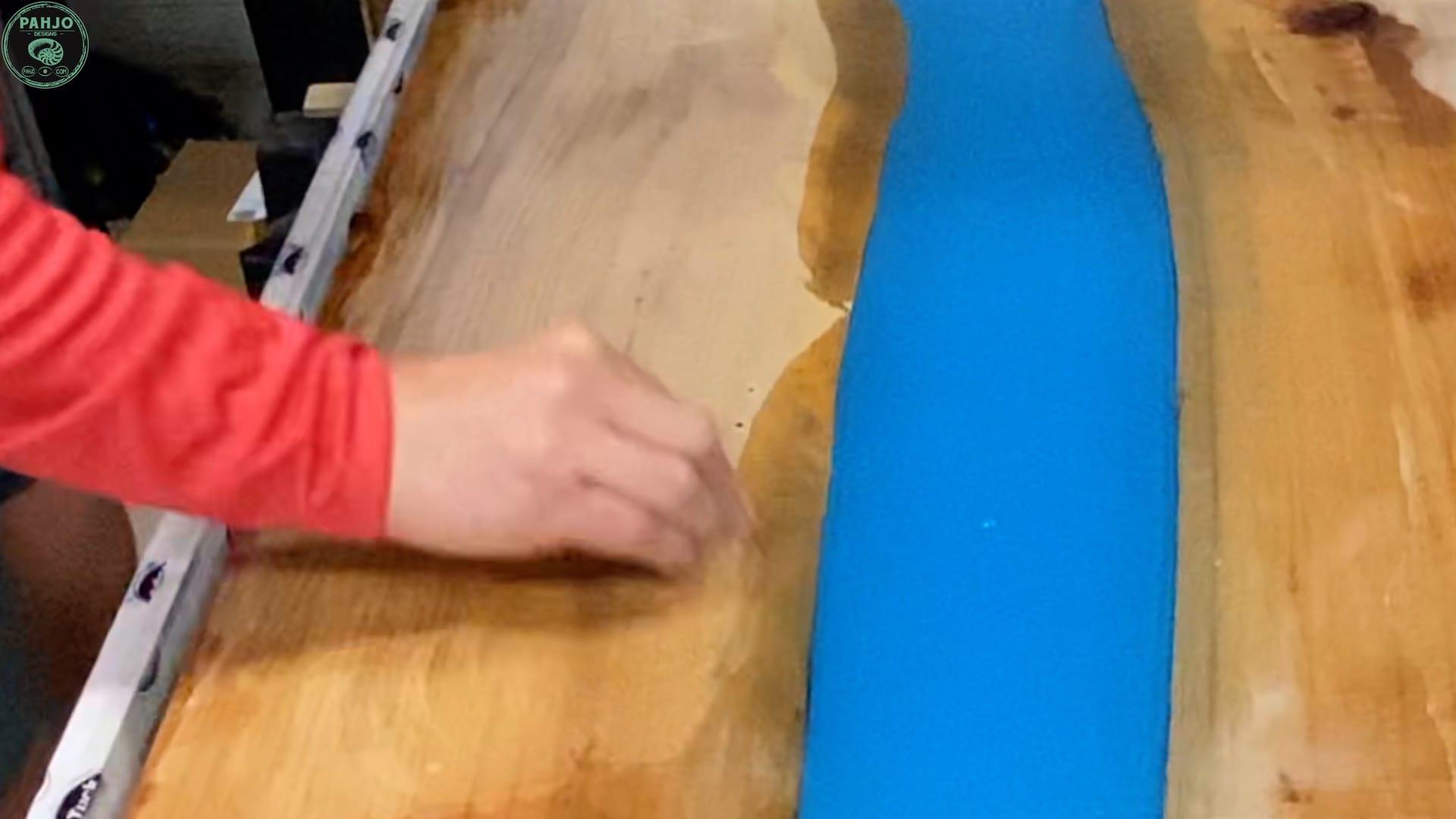
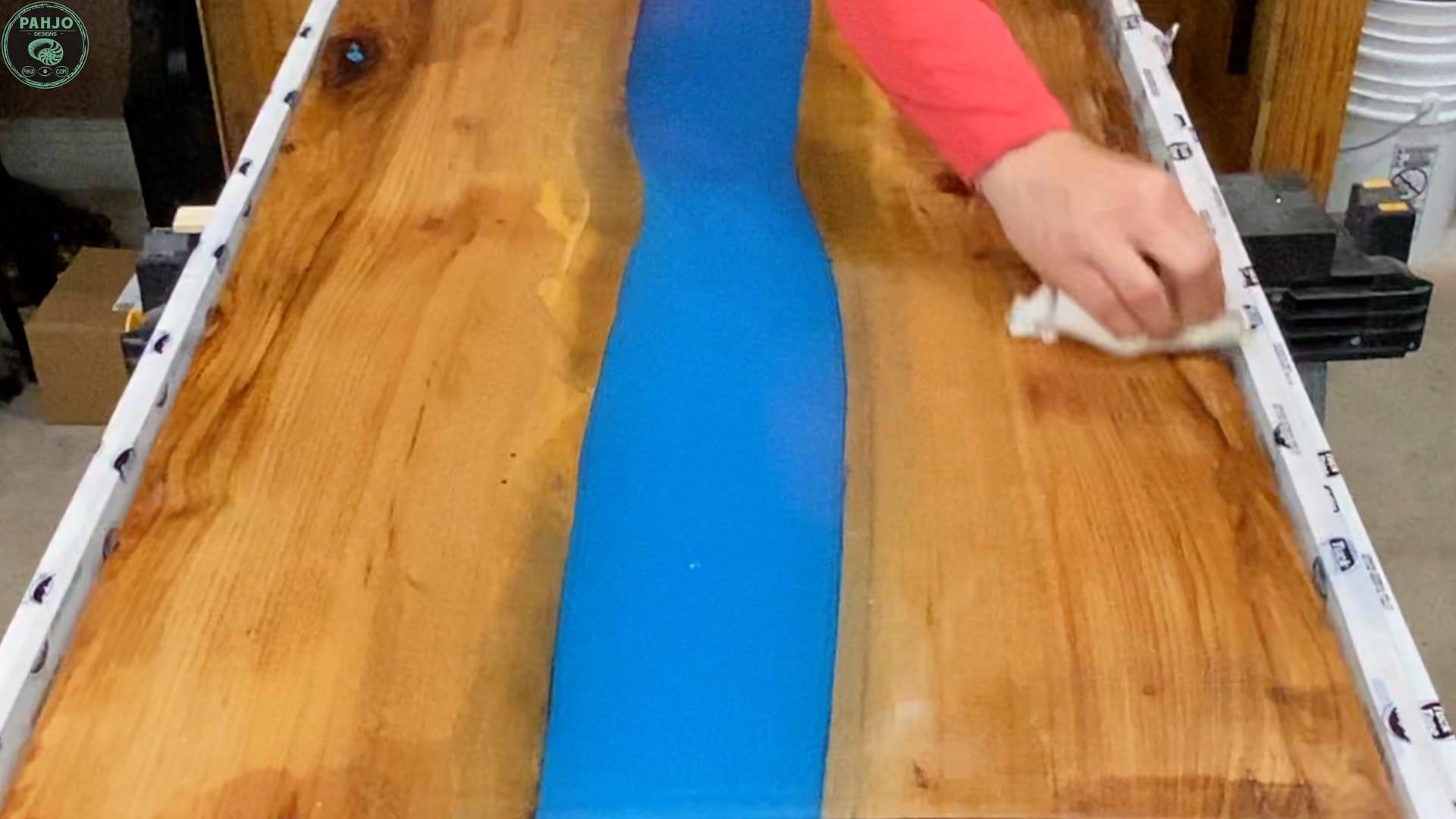
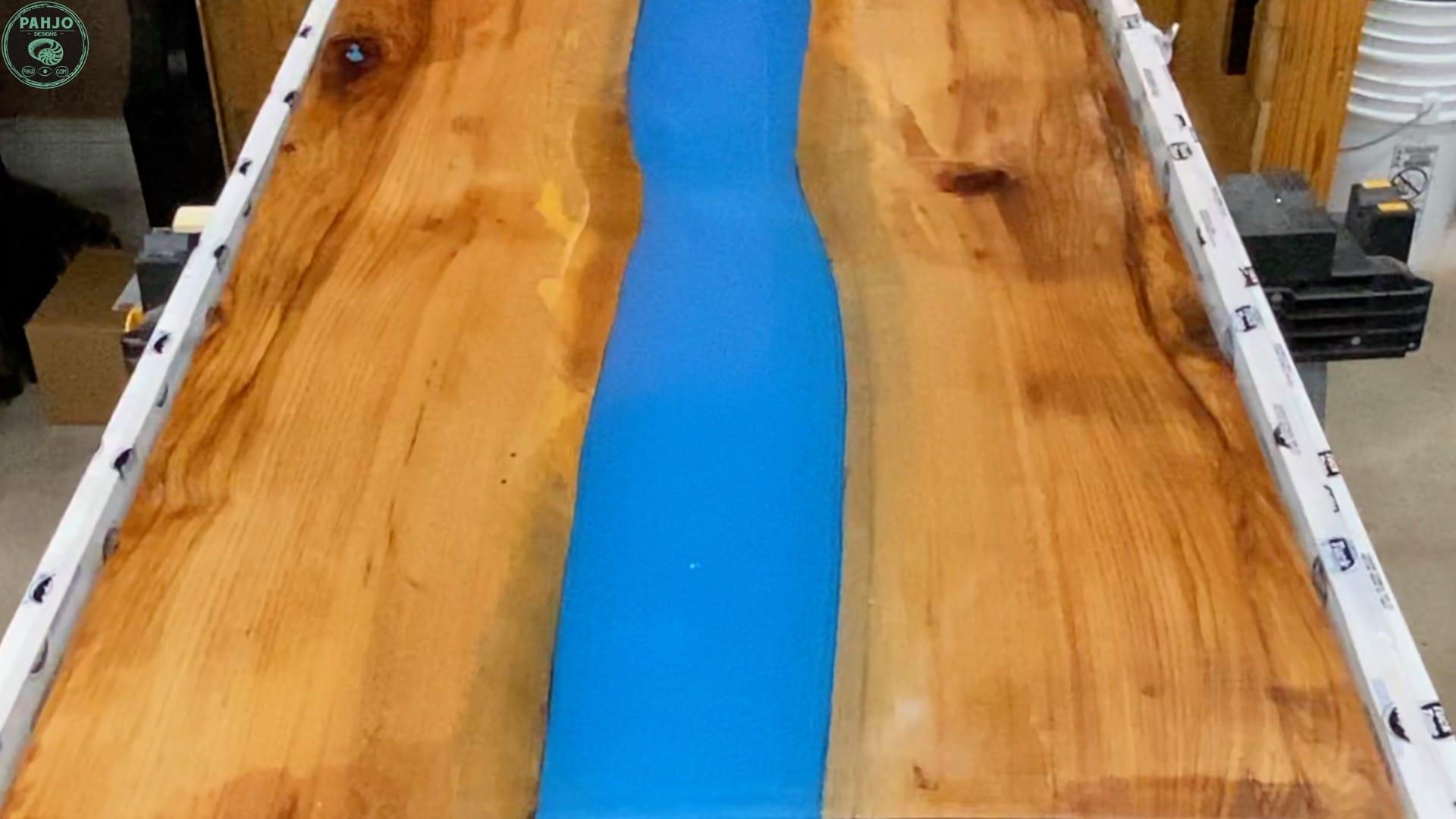
For the underside as an optional step, sand off any drips at 120 grit and vacuum away the dust. Next, apply Odie's Oil with a pad.
Wipe off the excess after 45 minutes for a satin finish that looks natural.
Extra Wood Project

I decided to make a surfboard towel rack with the extra white oak wood. I sell these on my Etsy store in various shapes, colors, and sizes.
Conclusion
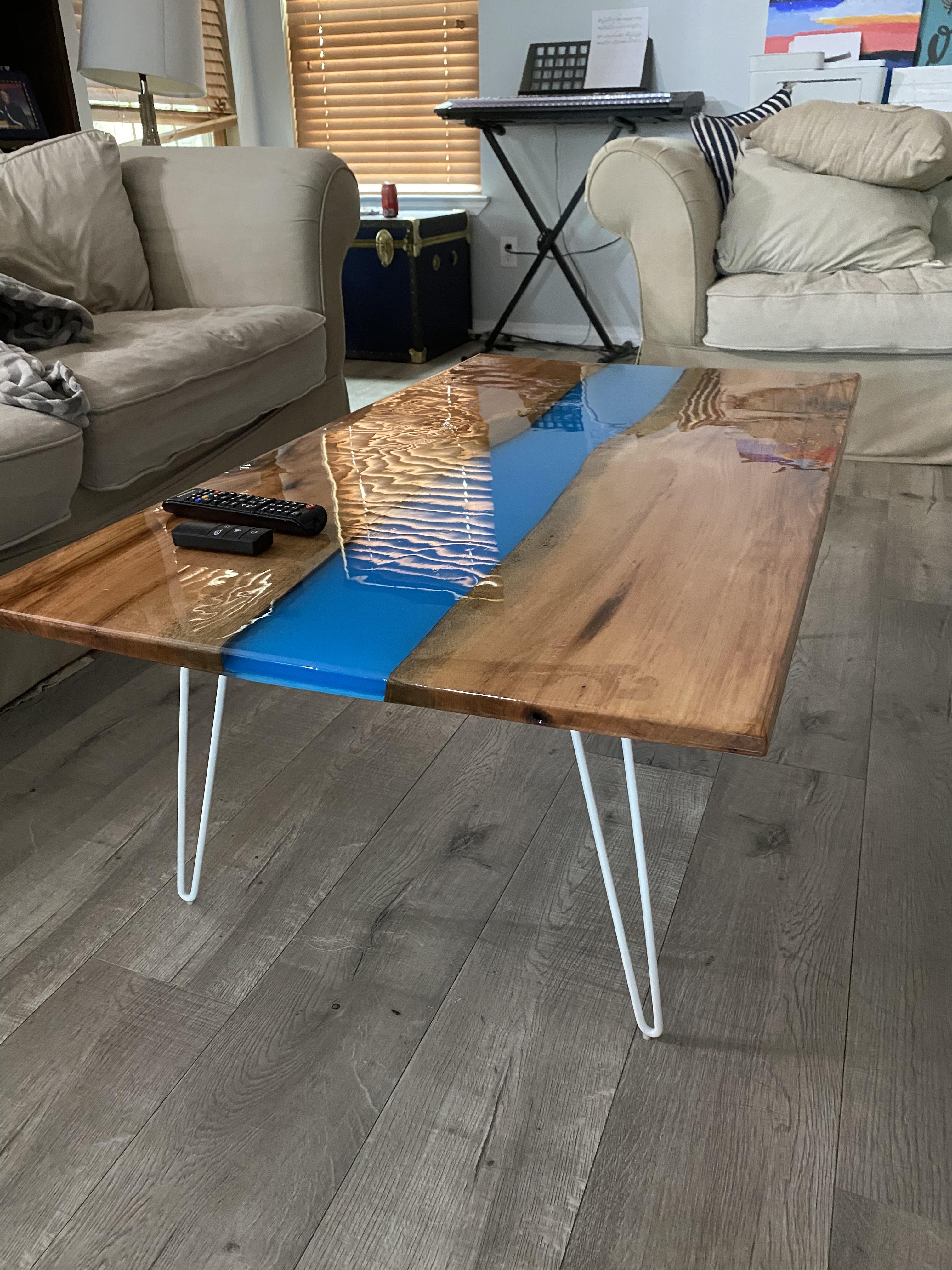
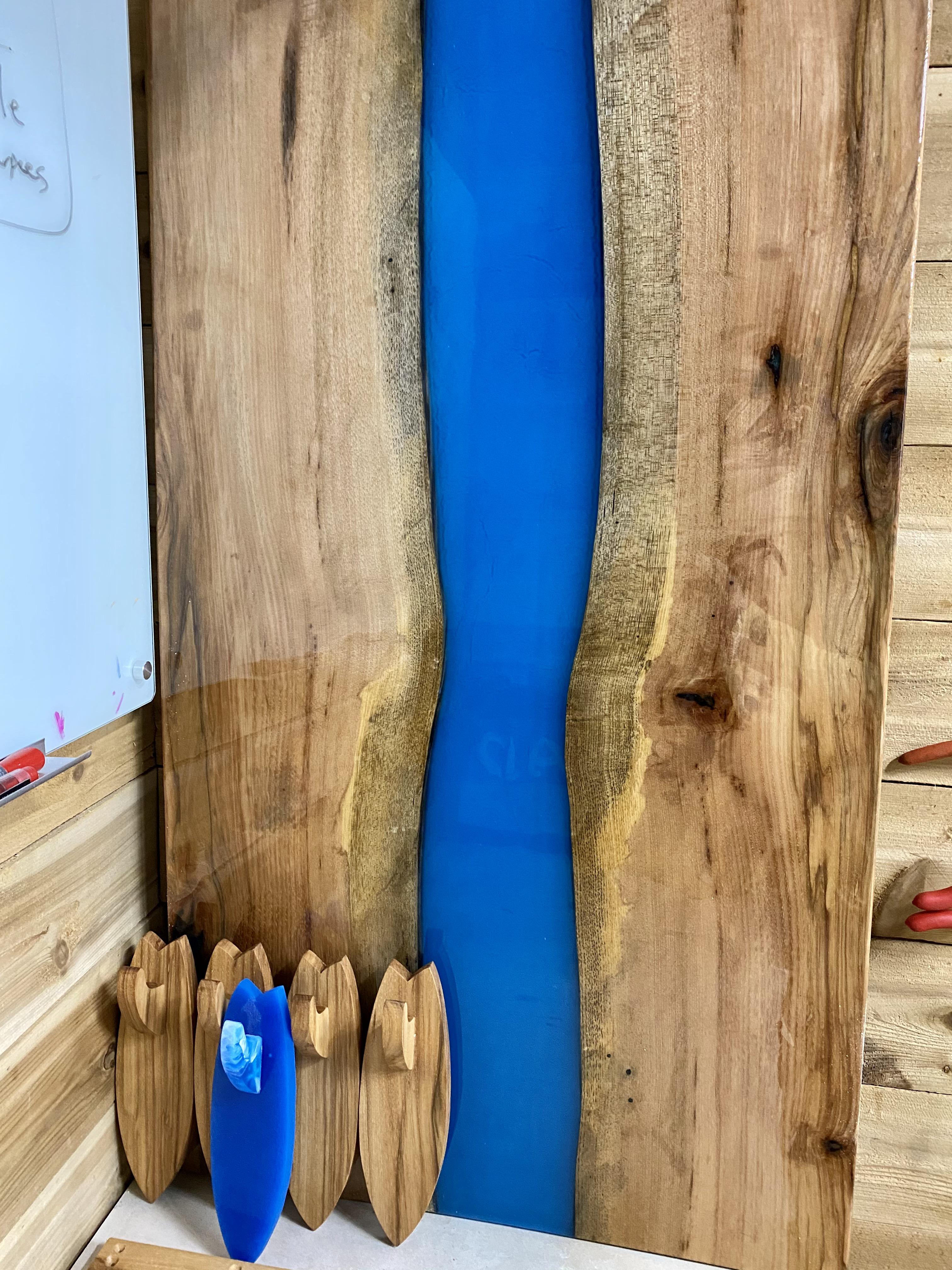
I hope this instructable provided you with value. Please feel free to leave a comment if you have any questions - I'm happy to help.
Be sure to checkout my YouTube channel and my website for more DIY tutorials.