Tiny House Made From Free Recycled Pallets
by NewsonsElectronics in Living > Homesteading
10178 Views, 65 Favorites, 0 Comments
Tiny House Made From Free Recycled Pallets

)
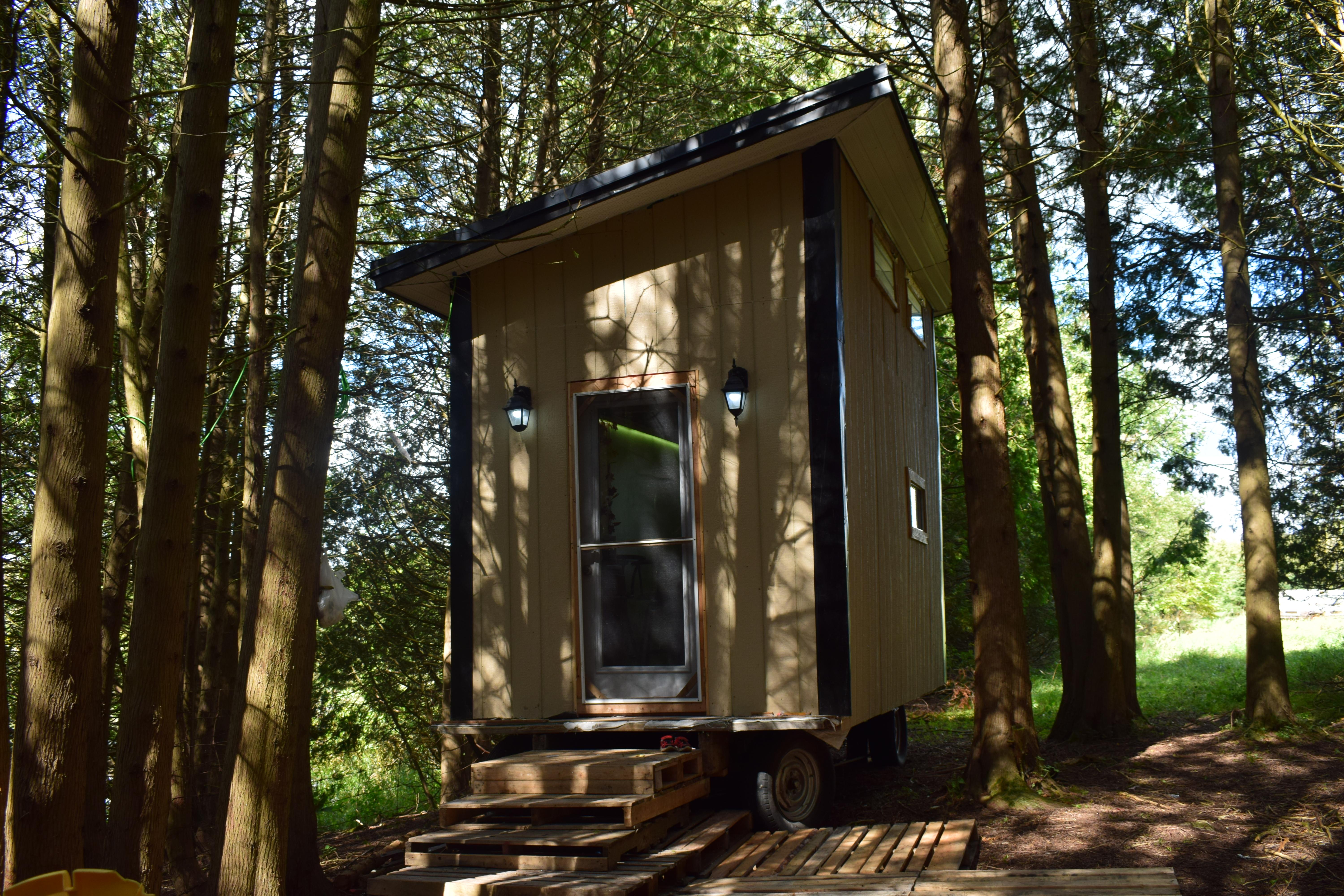

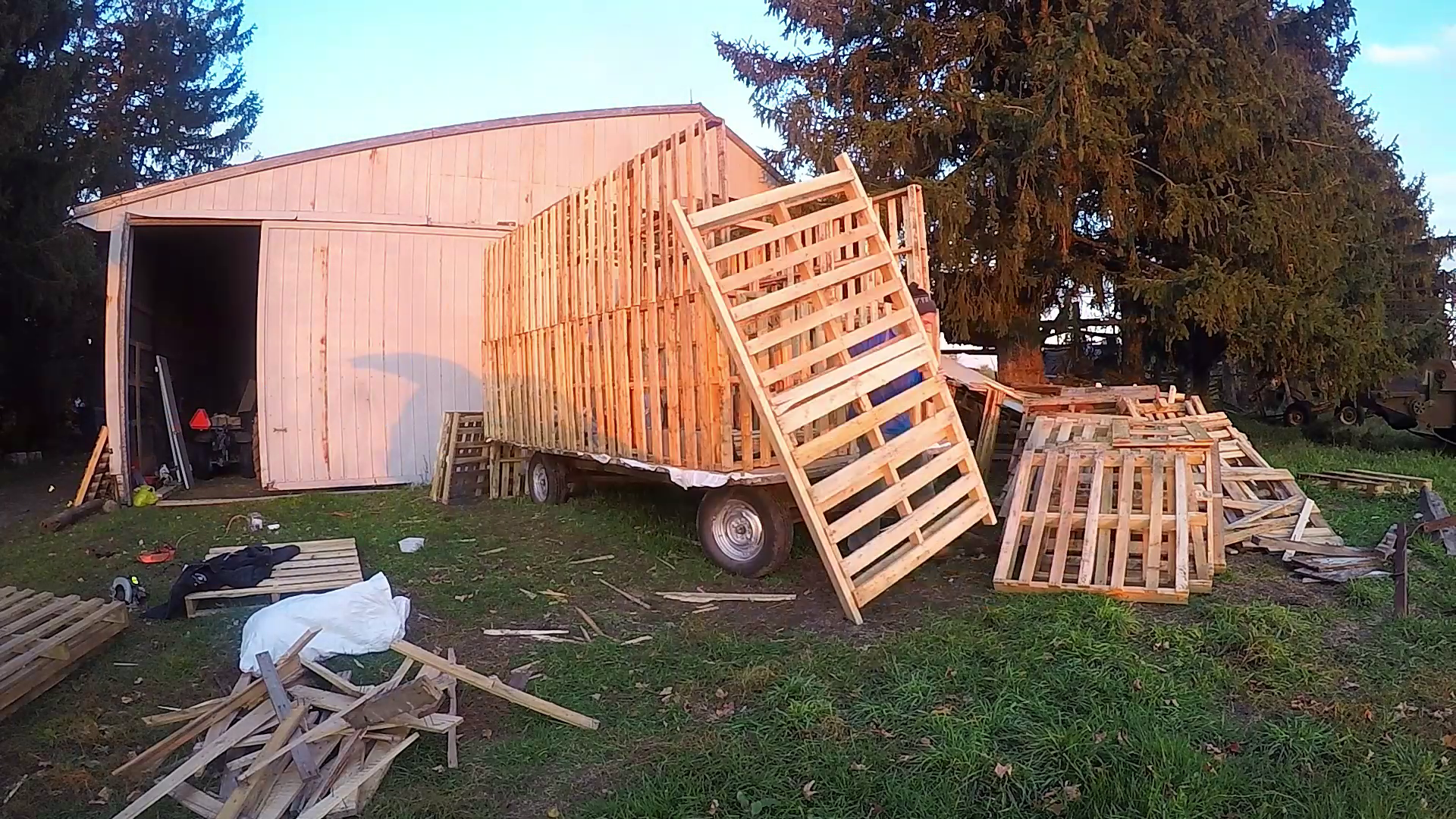
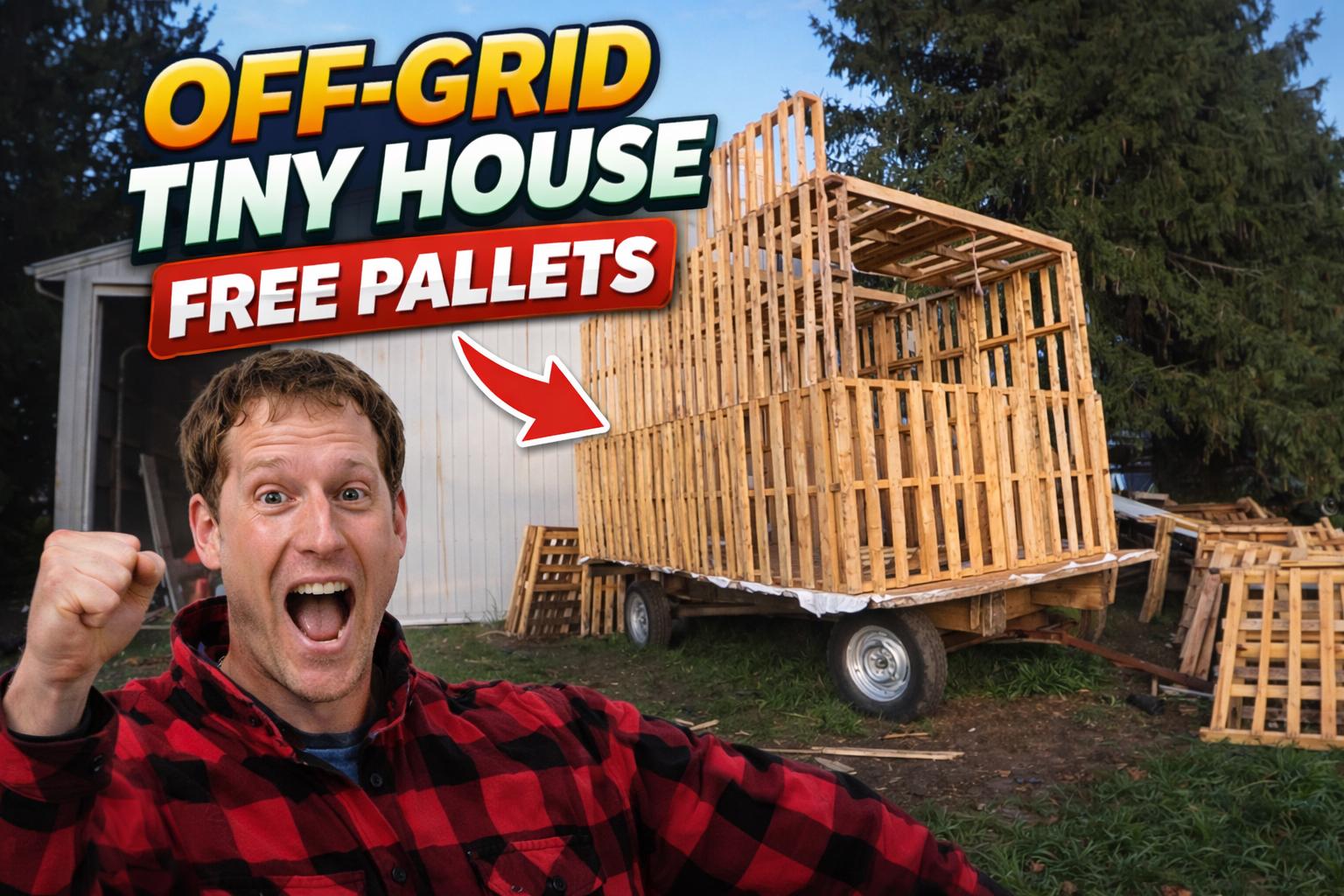
Ever wondered if you could build a tiny house without spending a fortune? In this build, I transform free pallets into a fully functional off-grid tiny house on a wagon—all in just 10 working days! From the structure and roofing to the lights and doors, I show the entire step-by-step process, including tips, tricks, and mistakes to avoid.
To watch the video
Supplies



Main Building Materials:
- Used pallets – about 80 pallets, collected slowly over time.
- Base – an old hay wagon.
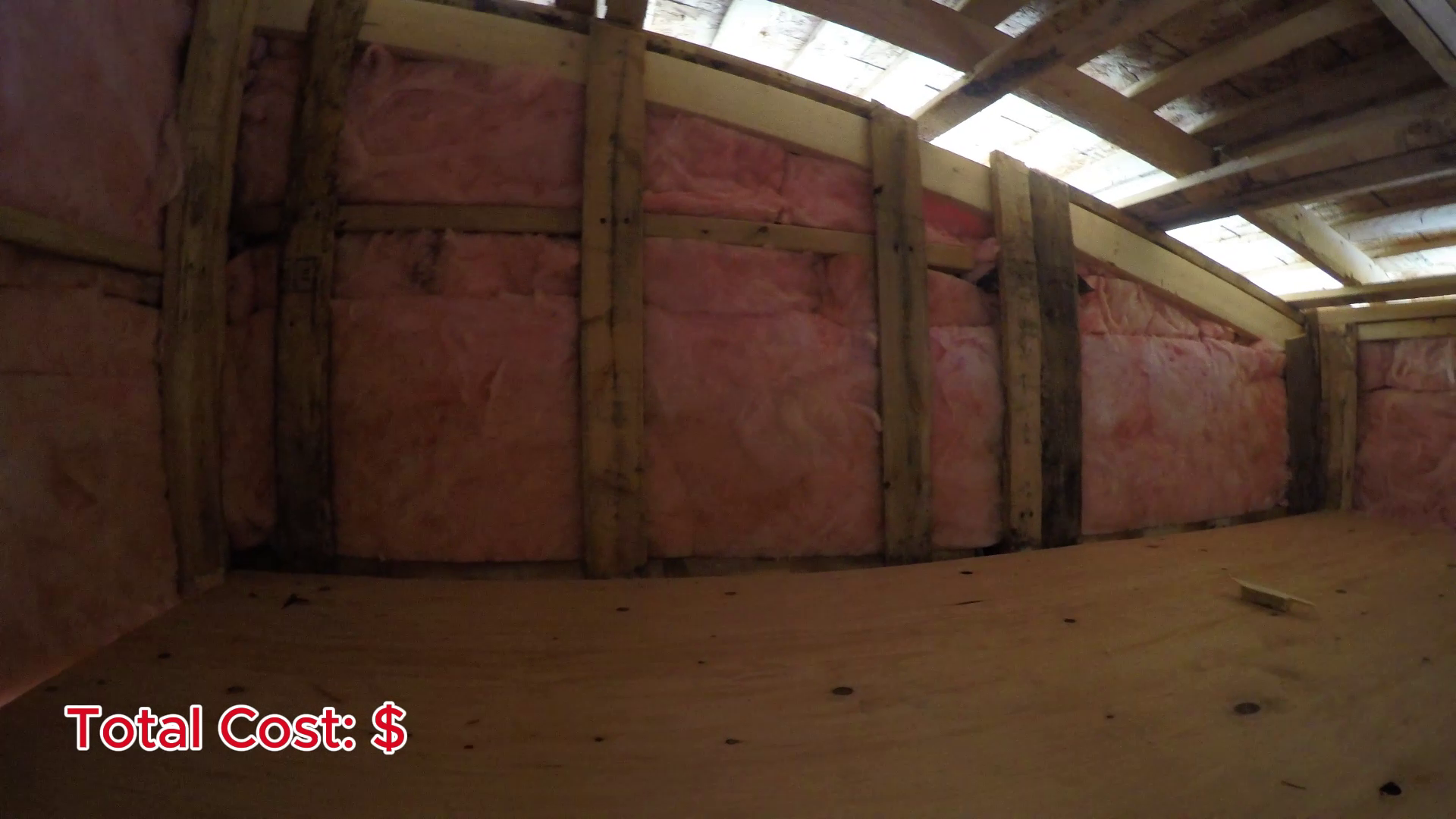
- Insulation – optional depending on your location; I used about 5 bags of R12 insulation (Canada).
- Roofing – 2 bags of shingles.
- Windows – 2 large windows (I got mine cheaply from Habitat for Humanity).
- Door – inexpensive second-hand door.
- Support lumber – a few 2x4s for extra support; I used 4 for the loft.
- Plywood/Particle Board – 3/8" sheets for flooring and walls.
- Drywall – for interior walls and finishing.
Electrical:
- 12V battery/inverter
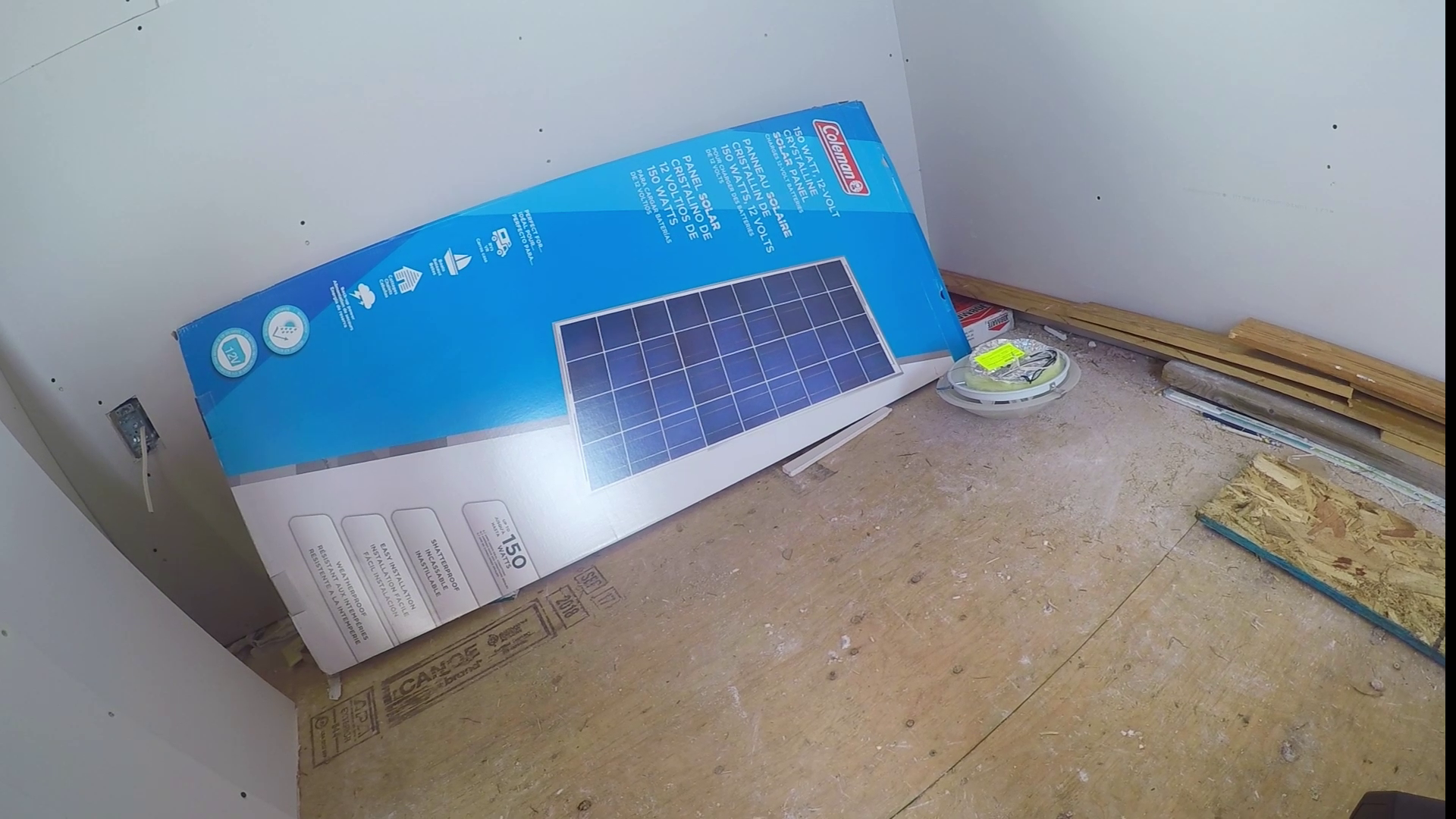
- Solar panel for charging
- 12 LED strips
- Switches
- Power plugs
- Electrical wire
Tools:
- Hammer & Nails – I recycled nails from the pallets to reduce waste.
- Drill & Screws
- Circular/Skill Saw
- Table Saw
Tip: Reusing materials like pallets, second-hand windows, and nails helps save money and keeps your tiny house eco-friendly.
Wagon and Pallets


Step 1: Collect and Prepare Pallets
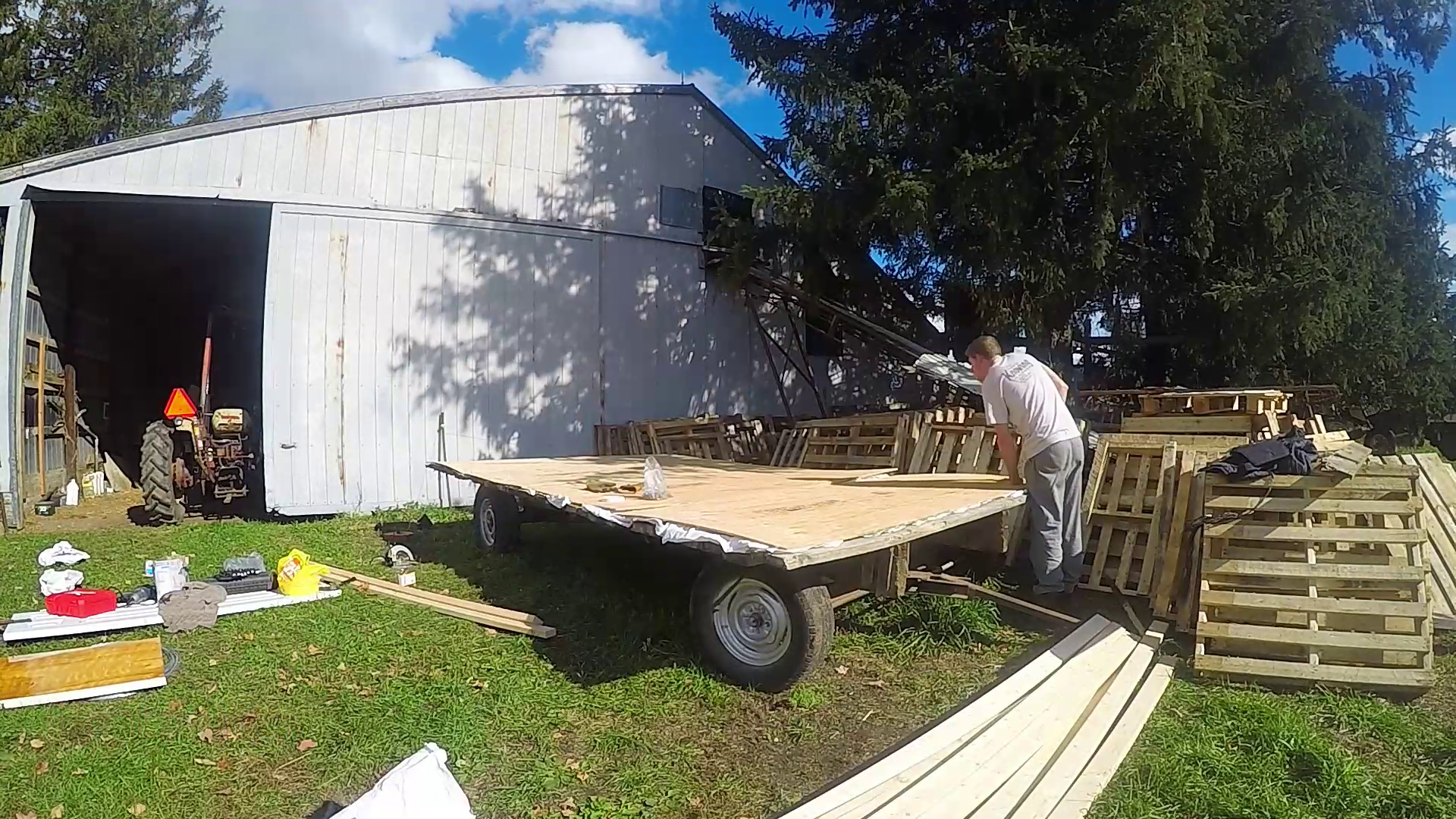
The first step is to collect a lot of pallets. Make sure they are consistently the same dimensions—this makes the build much easier and ensures the walls fit together neatly. I found some really good pallets that used treated 2x4s, which were especially useful for joining the walls together.
Depending on the condition of your wagon, you may need to add some plywood flooring to create a smooth, even surface before building.
💡 Tip: Take your time selecting pallets—strong, uniform pallets will save you a lot of effort during construction.
Build the Walls



Step 2: Assemble the Walls
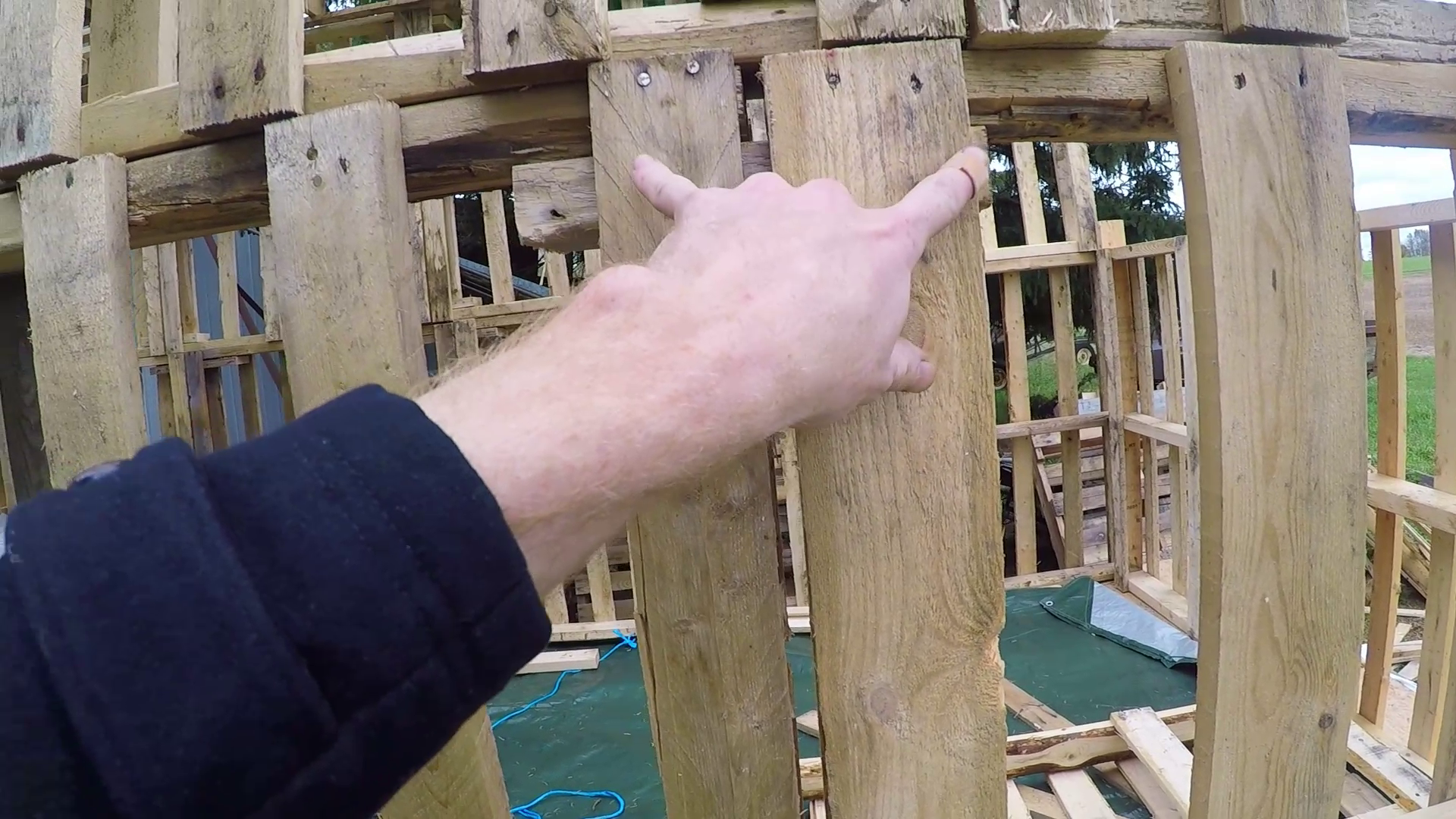
Place the pallets horizontally so the main beams can be easily joined together. I used a small piece of 2x4 to connect the pallets at the corners, then stacked the walls two pallets high using screws or long spike nails.
For my wagon, the walls were 4 pallets wide by 2 high. For the loft, I used half a pallet high on one side and a full pallet high on the other side to create extra headroom.
💡 Tip: Make sure the pallets are securely fastened before stacking the next layer to ensure a stable structure.
Build the Loft


tep 3: Build the Loft
For the loft, I placed a 2x4 across two pallets to provide extra strength. Then, I extended the pallets horizontally between the two walls to form the loft floor.
- The larger loft used 4 pallets.
- The smaller loft used 2 pallets.
💡 Tip: Make sure the 2x4 supports are secure and level, as they carry most of the loft’s weight.
Build the Roof


Step 4: Build the Roof
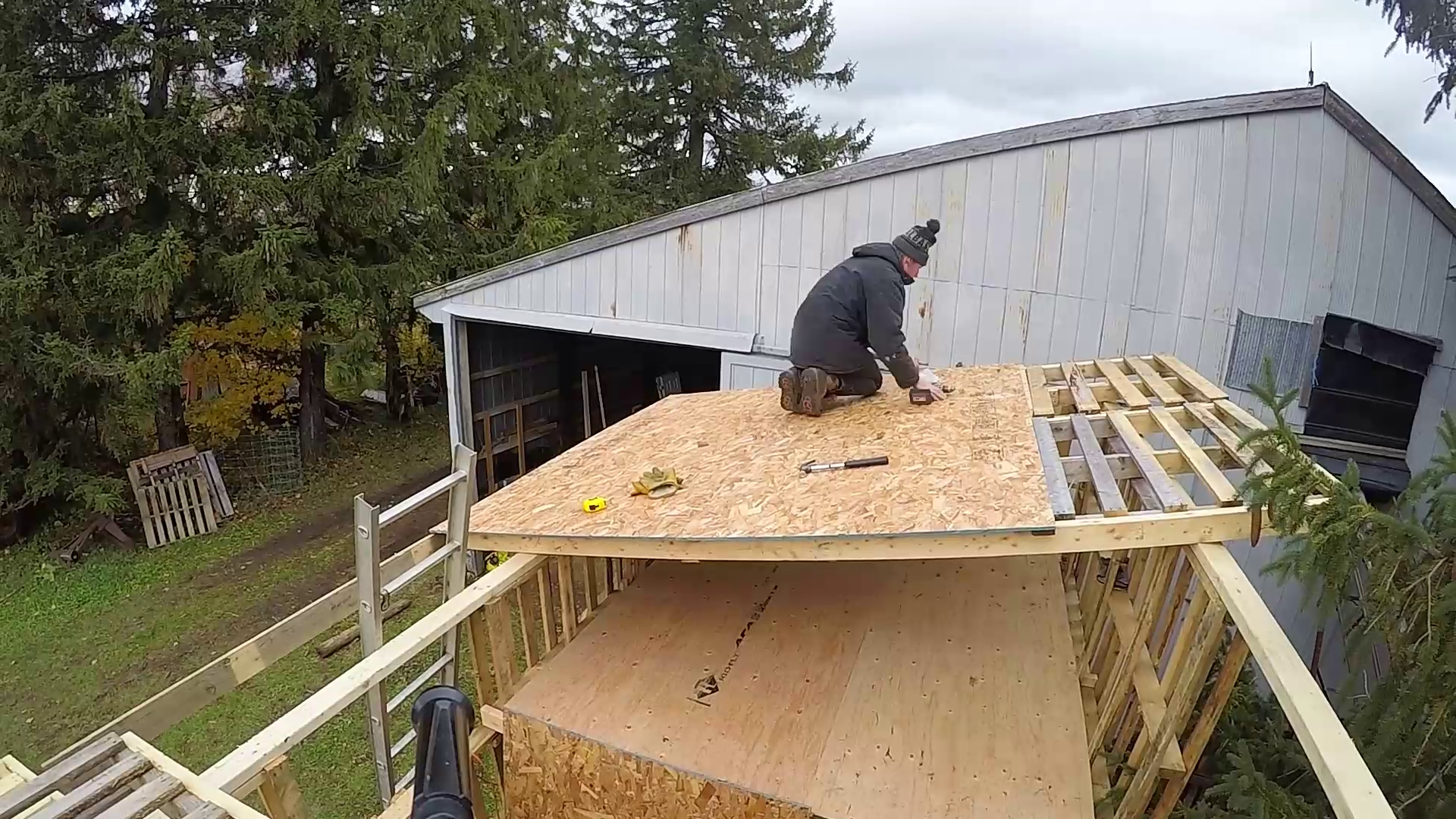
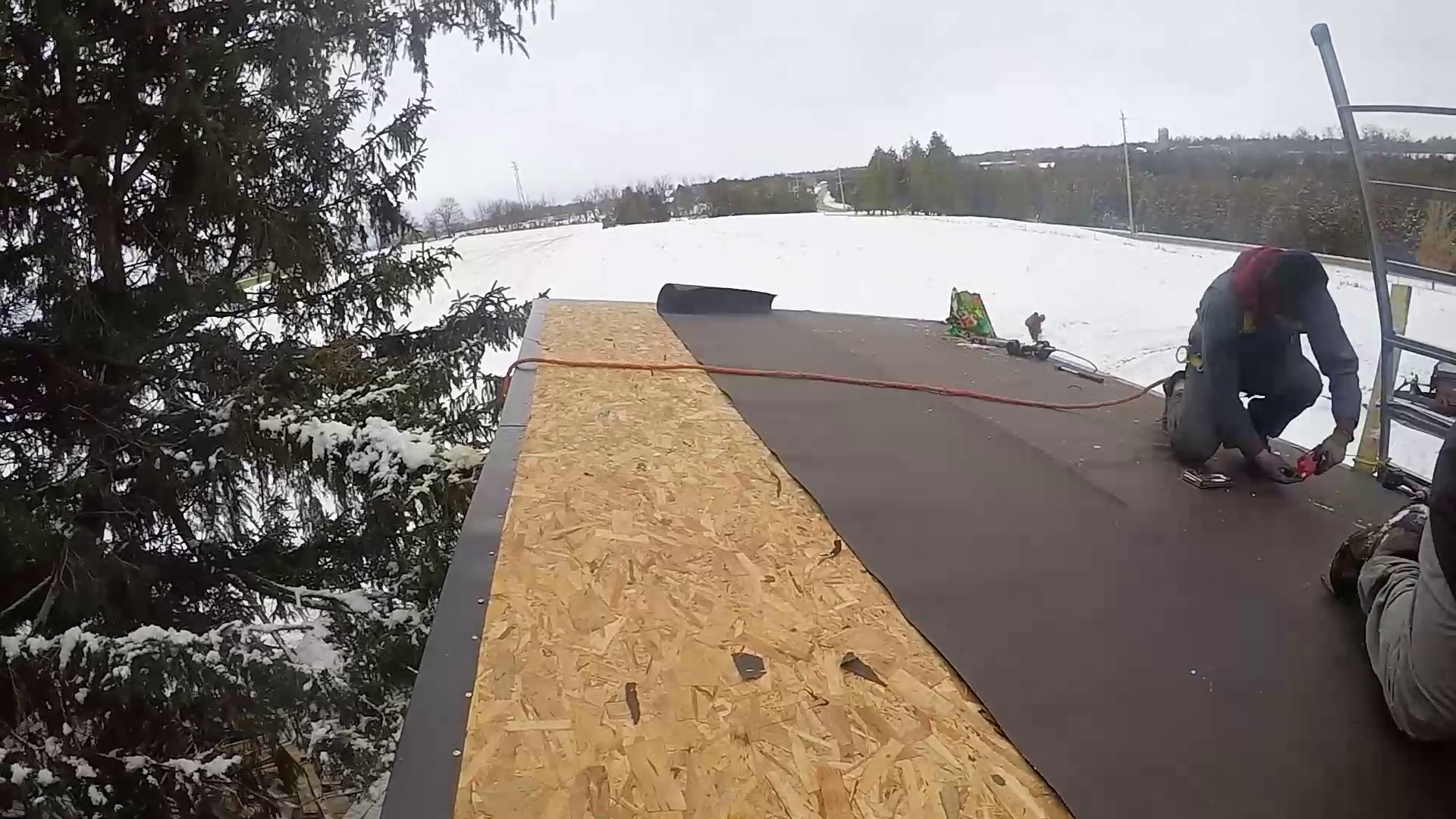
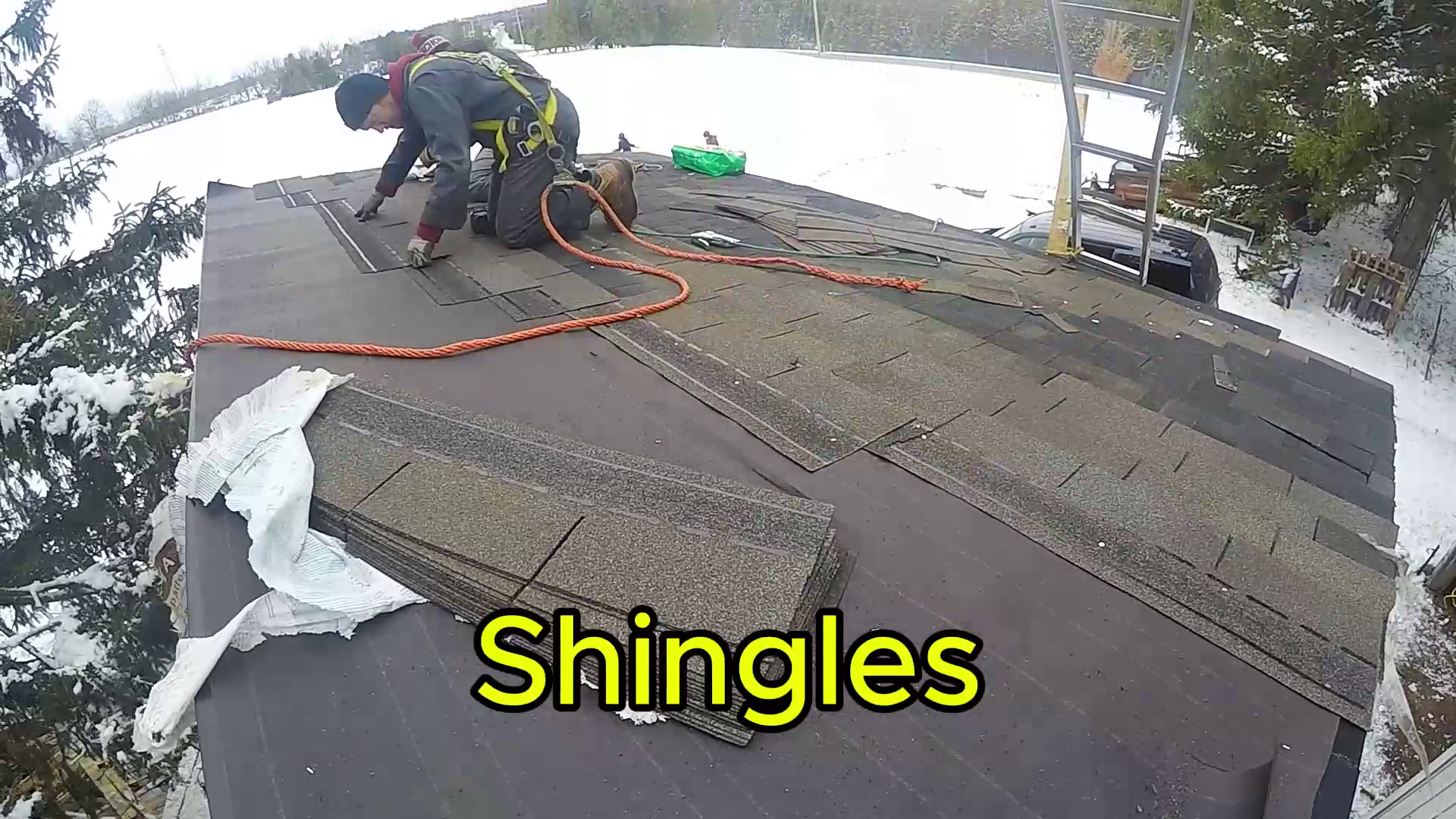
For the roof, I used 3/8" particle board and screwed it directly to the pallets. Pallets are great framing materials, but if the joints of the plywood don’t align perfectly, you can add a few small strippings under the pallets to have something solid to screw into.
After securing the plywood, I added roofing felt for waterproofing, followed by shingles to finish the roof.
💡 Tip: Make sure the roof has a slight slope to allow rainwater to run off easily. Proper alignment and support will make the roof much stronger and longer-lasting.
Siding


Step 5: Add the Siding
For the siding, I first used reclaimed wood tarps to create a waterproof barrier over the pallet walls. Then, I attached 3/8" grooved siding boards on top for a finished look and added protection from the elements.
Note: It’s important to install the siding vertically, as this adds extra strength by effectively joining two vertical pallets together.
💡 Tip: Make sure the siding boards are evenly spaced and securely fastened to prevent water from seeping in. The grooved boards also help rainwater run off more efficiently.
Interior, Windows, and Electrical




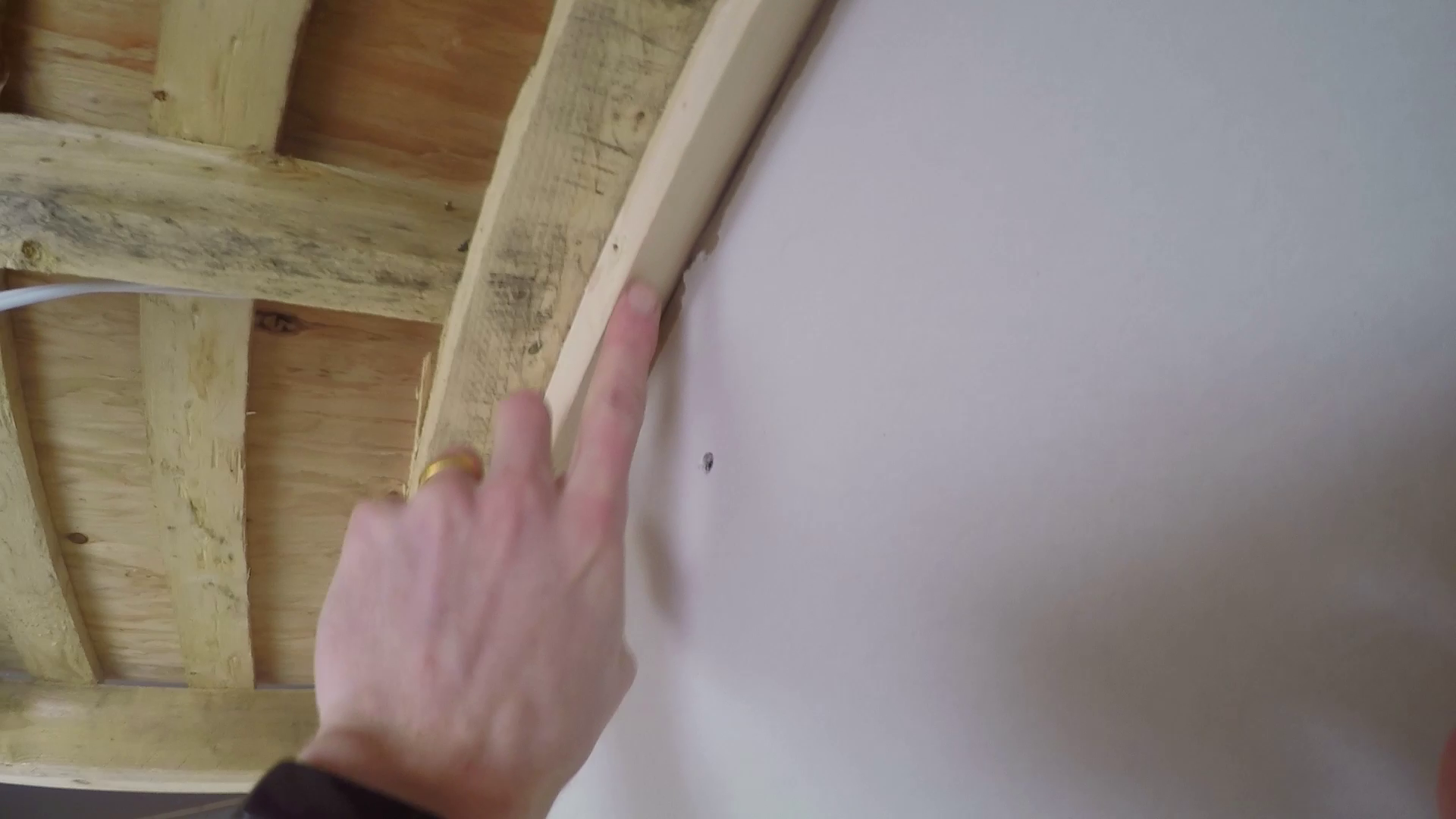

Step 6: Interior, Windows, and Electrical
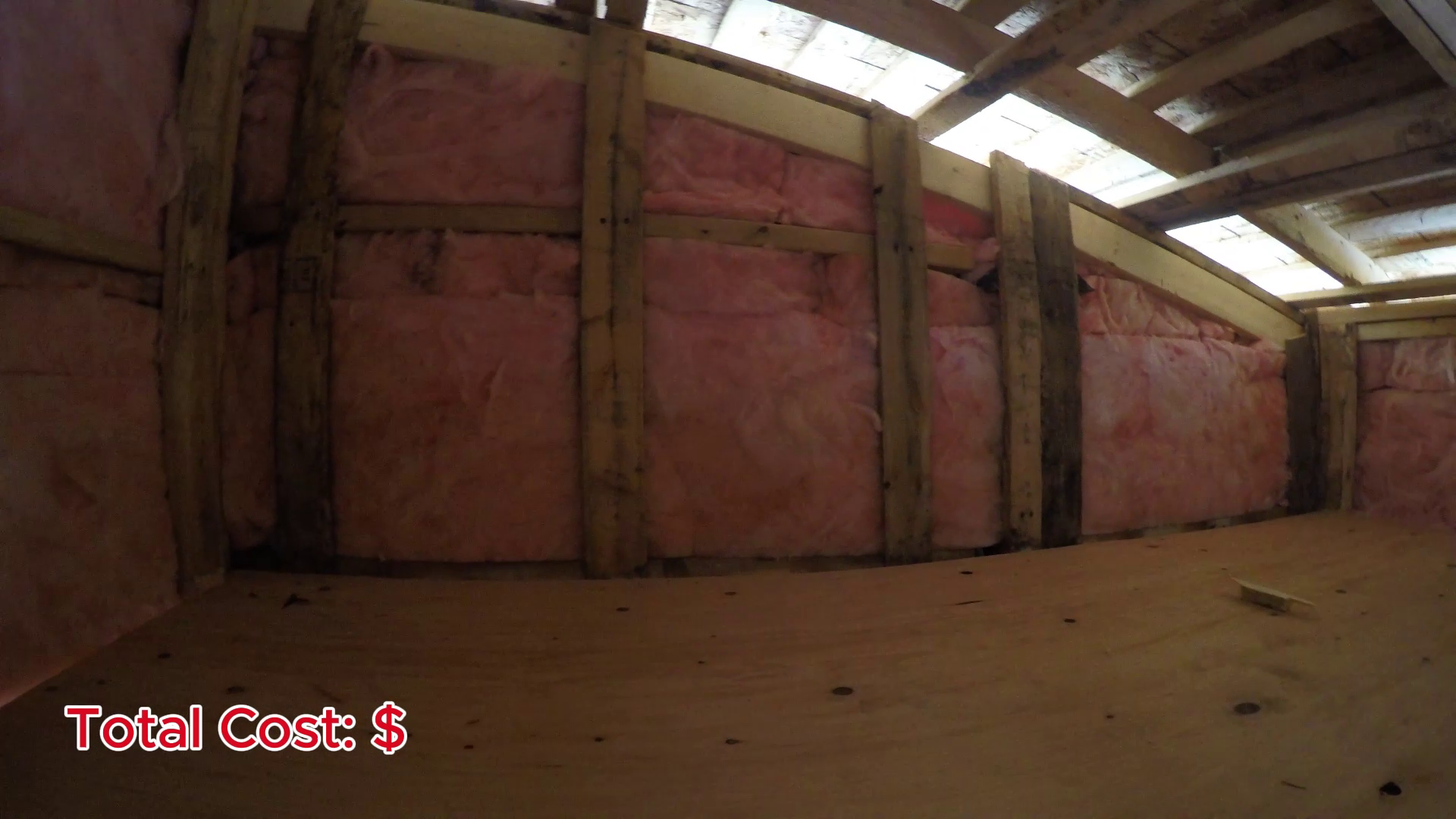
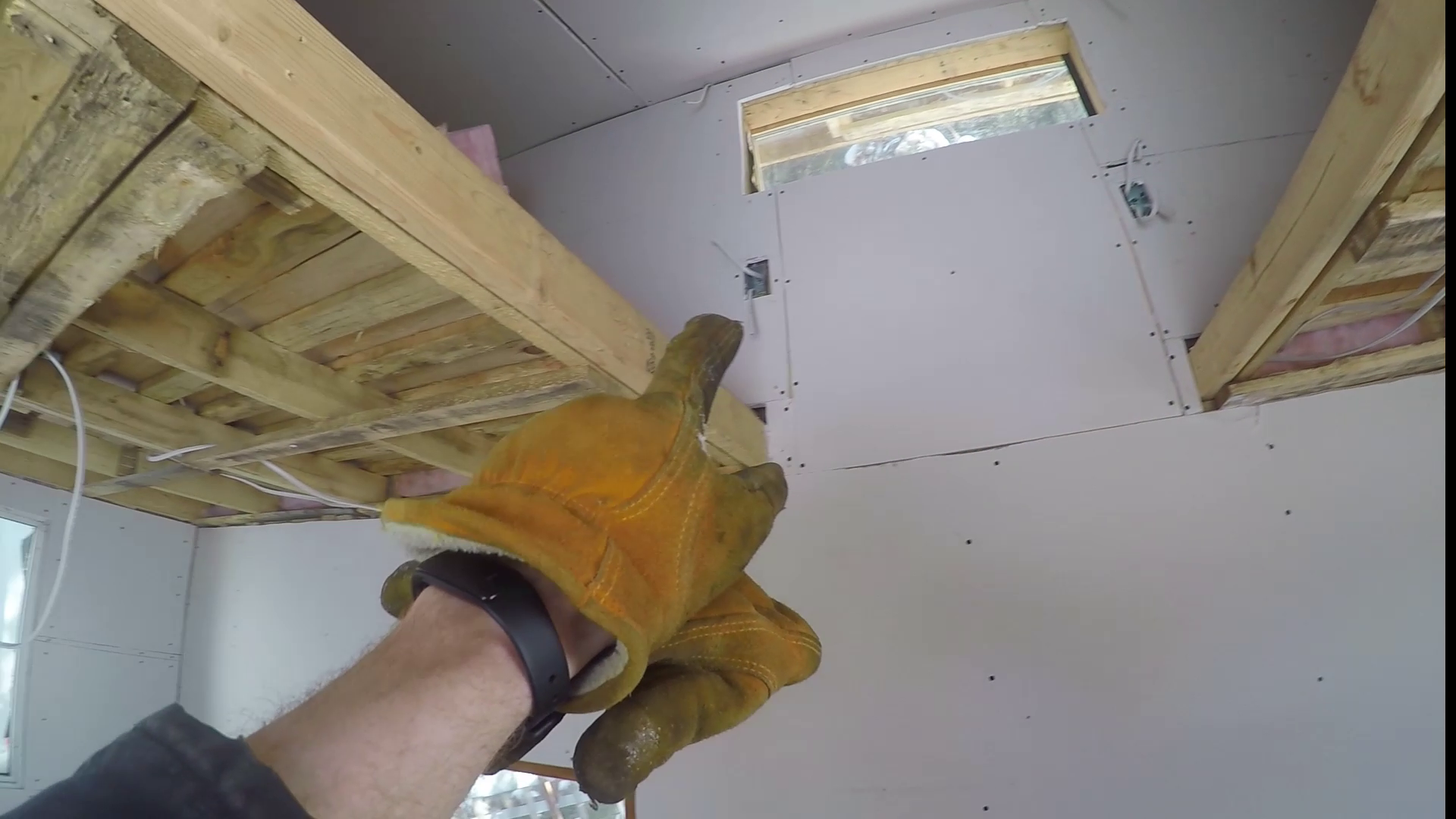
For the interior, start by cutting out spaces for your windows based on their sizes. Once the openings are ready, you can install electrical wiring and add drywall for the walls.
For the LED lighting, I came up with a simple idea: cut a 2x2 wood board in half to make a triangle, then screw it around the perimeter of the lofts. This creates a glowing effect and adds a cozy, ambient light to the space.
💡 Tip: Plan your electrical layout before installing drywall to make wiring easier. Using simple wood triangles for LED strips is an easy, cost-effective way to get indirect lighting.
Finishing Touches

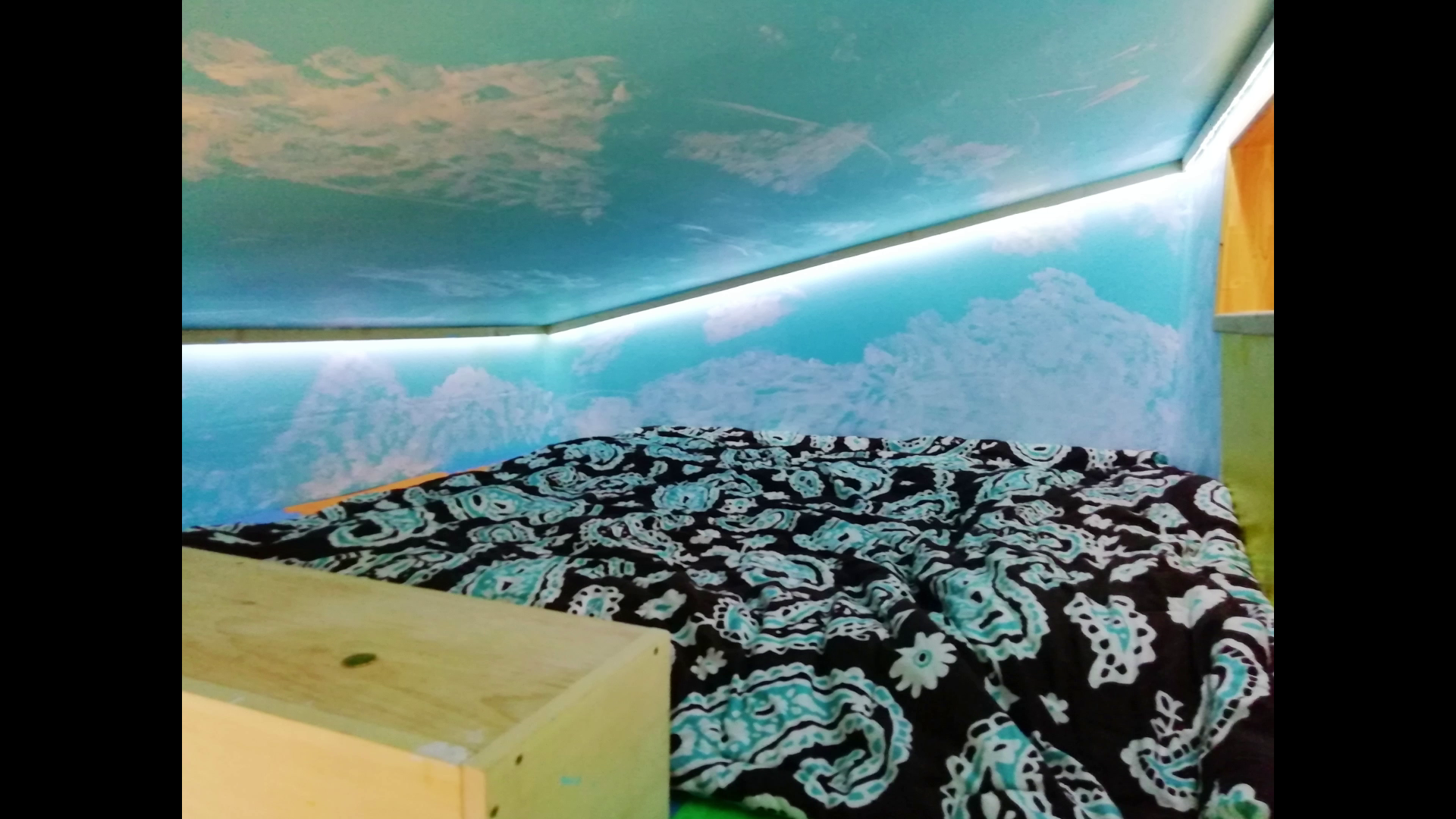
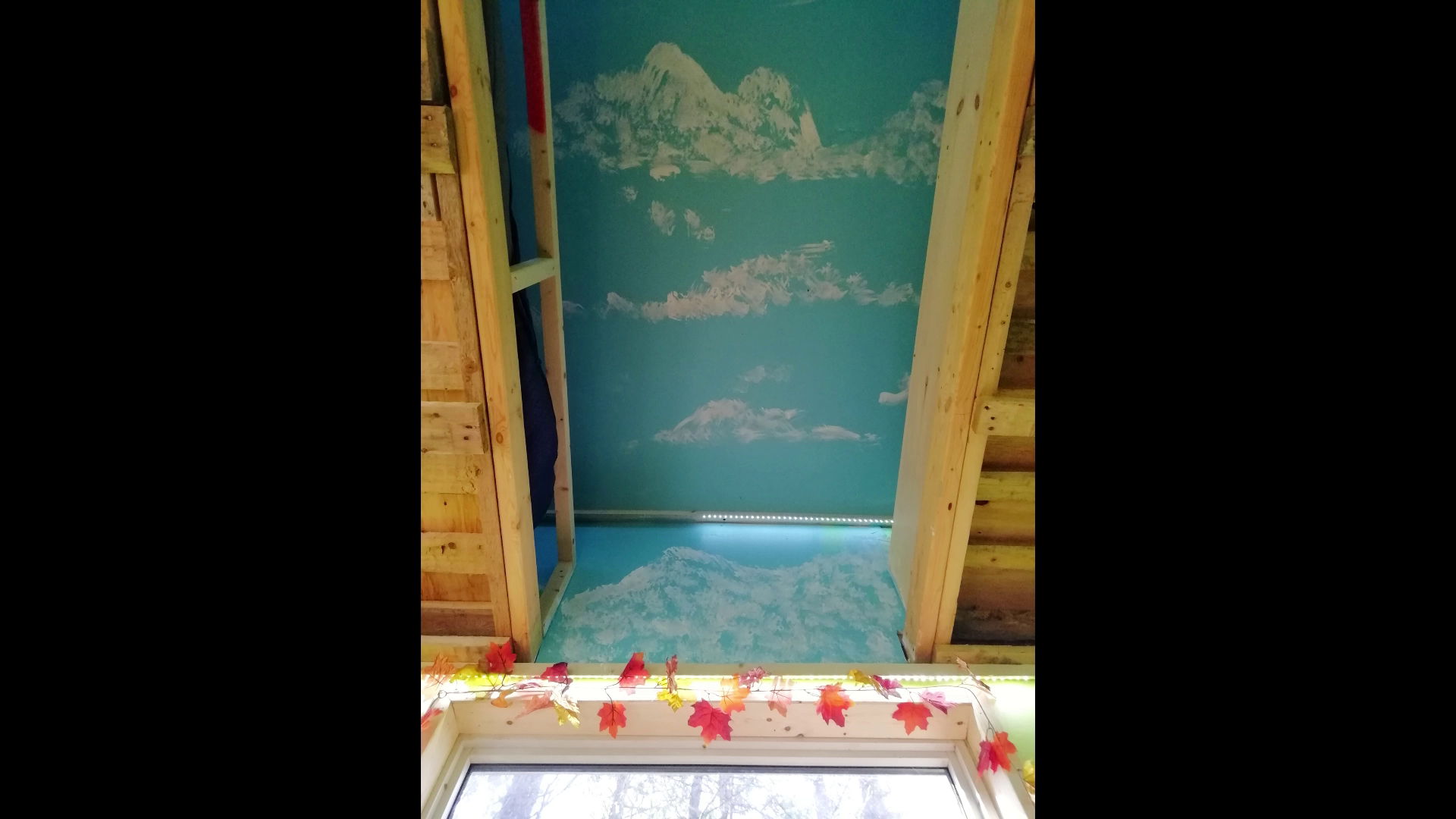

For the finishing touches, we painted the walls green to reflect the surrounding nature. We added yellow beams of sunlight coming down from the windows and painted the ceiling blue to resemble the sky and clouds.
💡 Tip: Using nature-inspired colors can make a small space feel more open, cheerful, and connected to the outdoors. Don’t be afraid to add small artistic details—they make the tiny house feel cozy and unique.
Finished

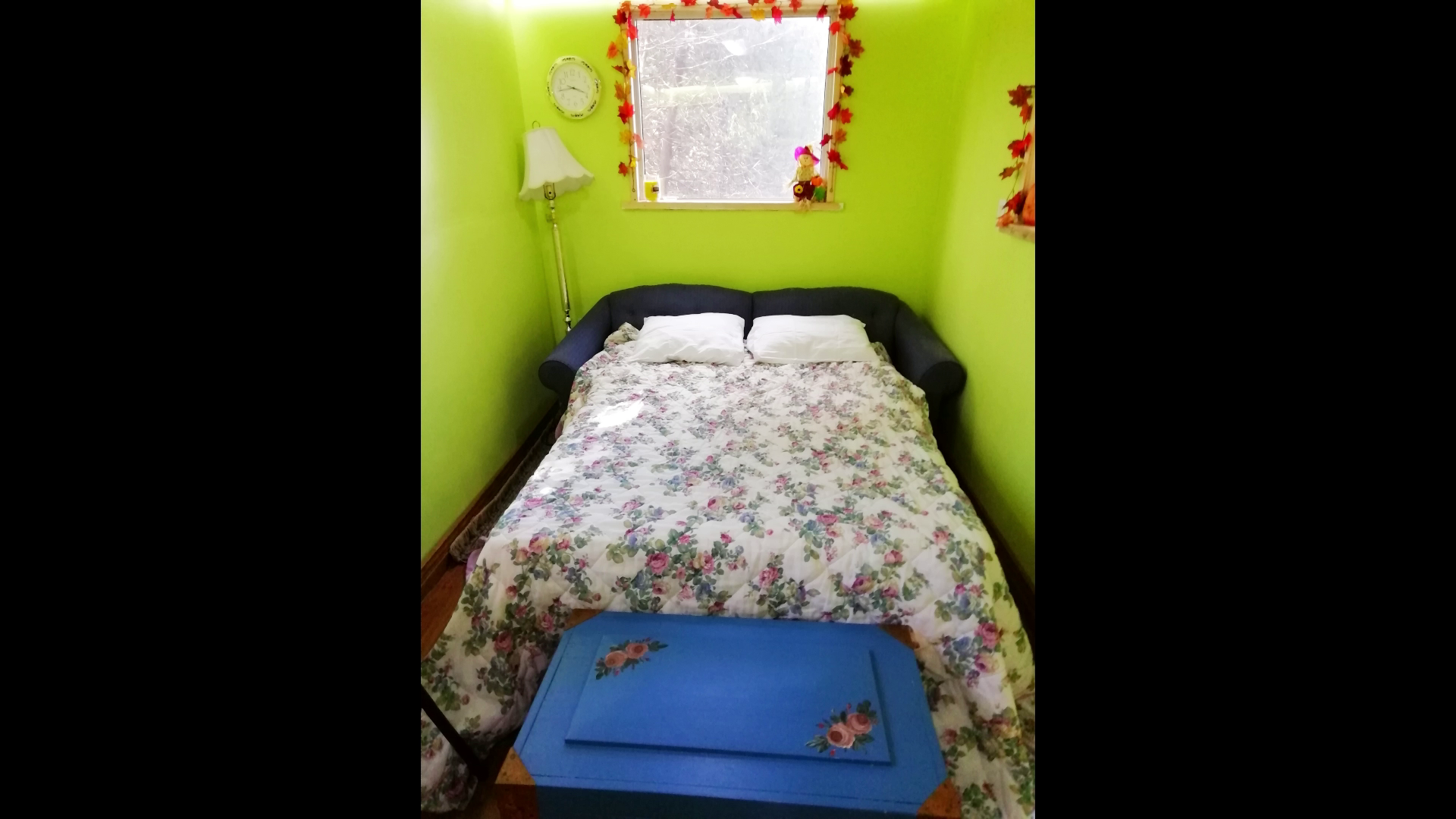


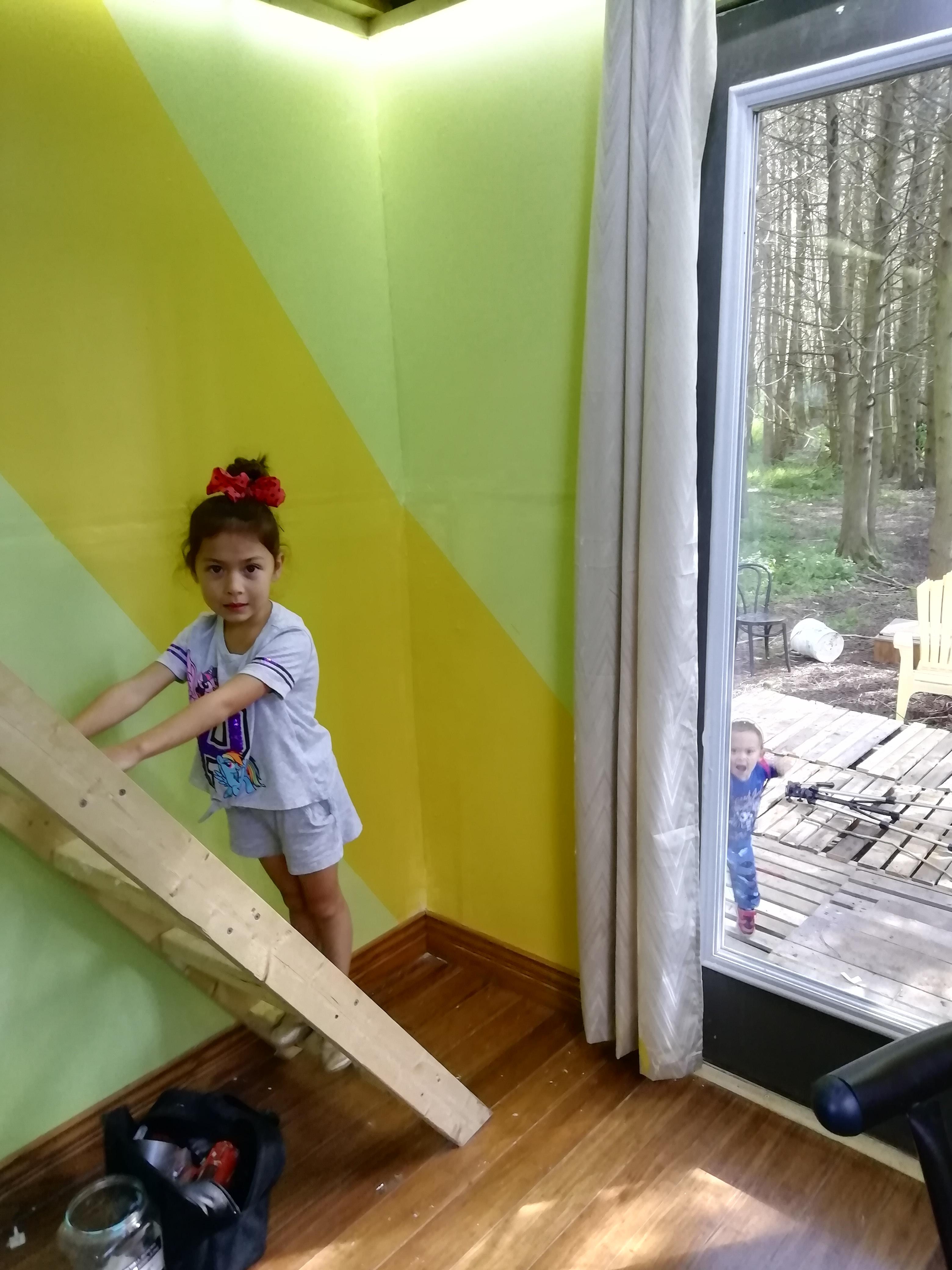
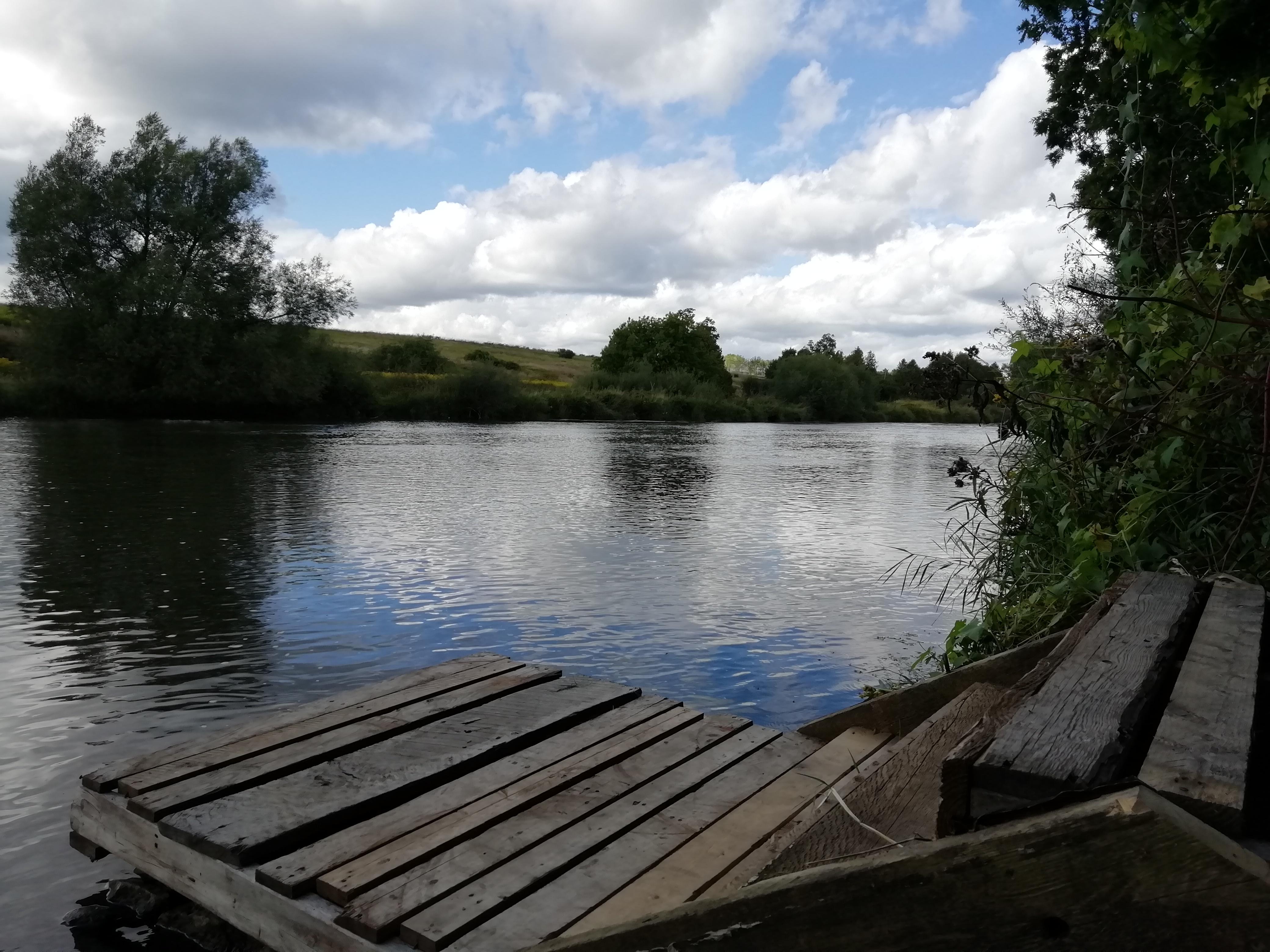
I found a pull-out couch from the dump to make the space more comfortable. I also built a small deck using some leftover pallets.
I hope you enjoyed following this build! If you want to see more DIY projects, feel free to check out my YouTube channel for additional builds and tutorials.
Electronics Projects
https://www.youtube.com/@NewsonsElectronics
Tiny Homes, tree houses, bike trips and other adventures.