How to Make a Raspberry Pi (Pie) Dessert + LCD Module Sponge Cake
by steve-gibbs5 in Cooking > Pie
77 Views, 0 Favorites, 0 Comments
How to Make a Raspberry Pi (Pie) Dessert + LCD Module Sponge Cake






 Dessert + LCD Module Sponge Cake)
Welcome dear reader. This fun and tasty project turns the Raspberry Pi microcontroller in to a raspberry pie dessert, with added LCD module sponge cake.
The Project:
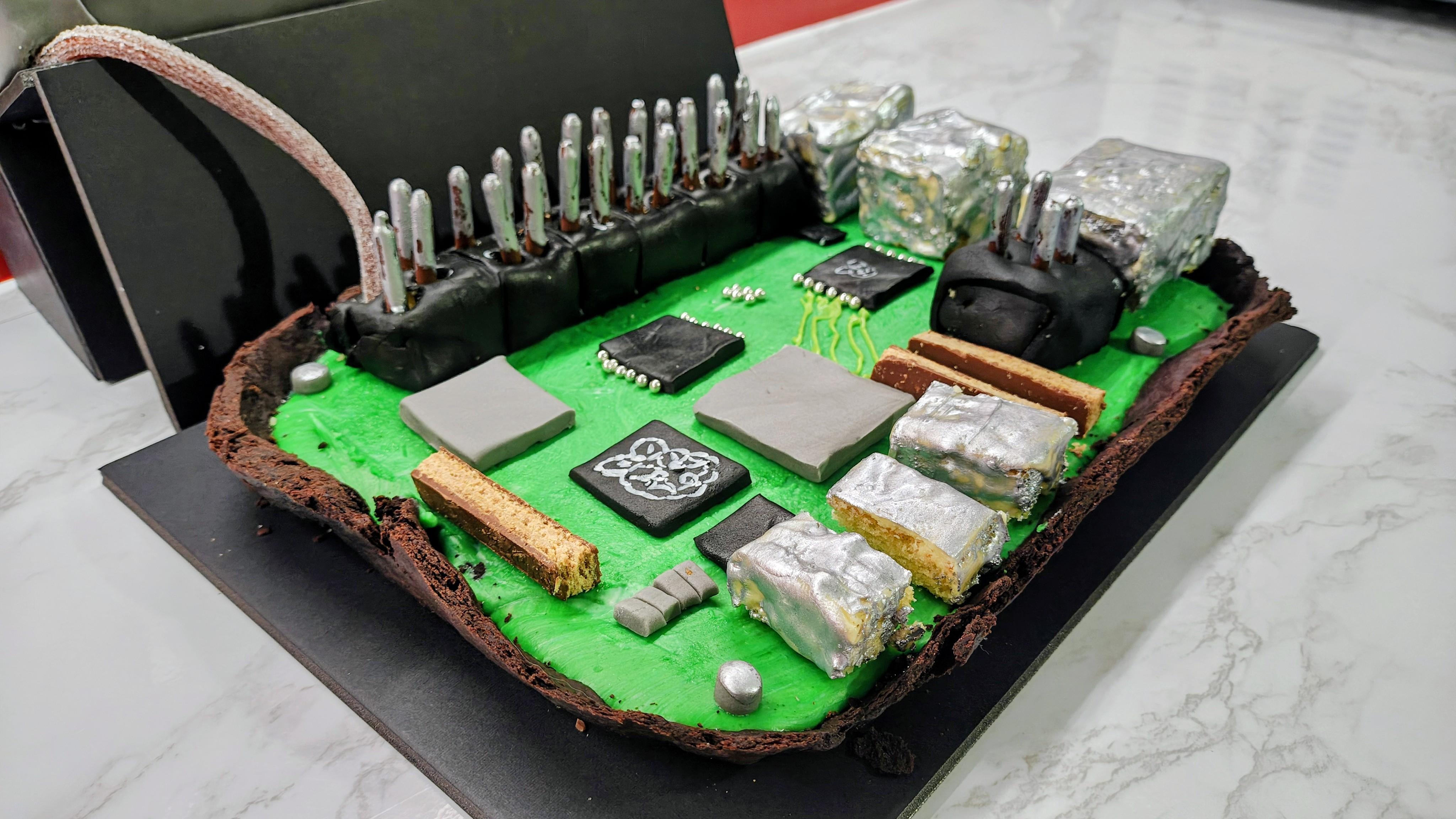
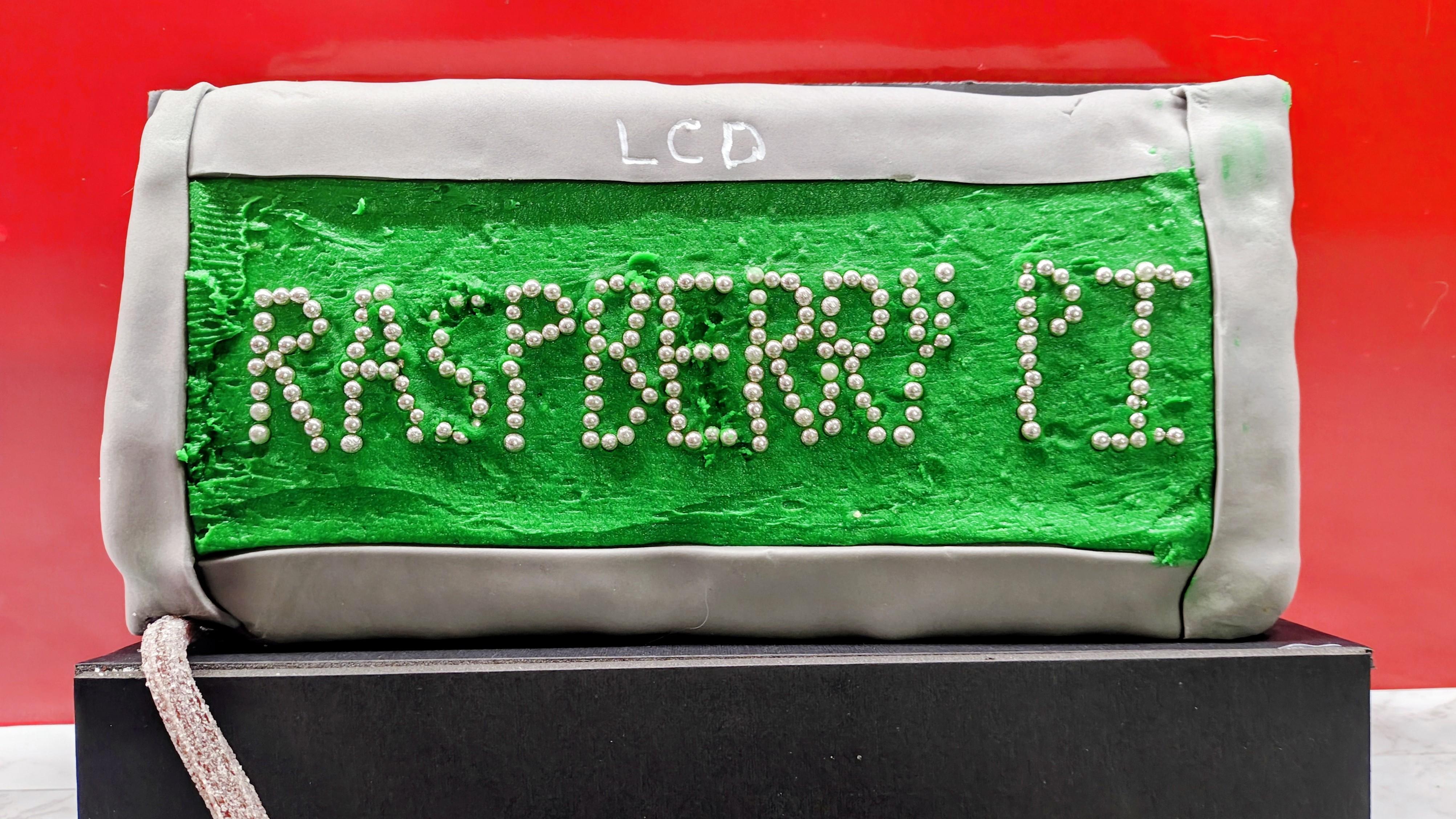
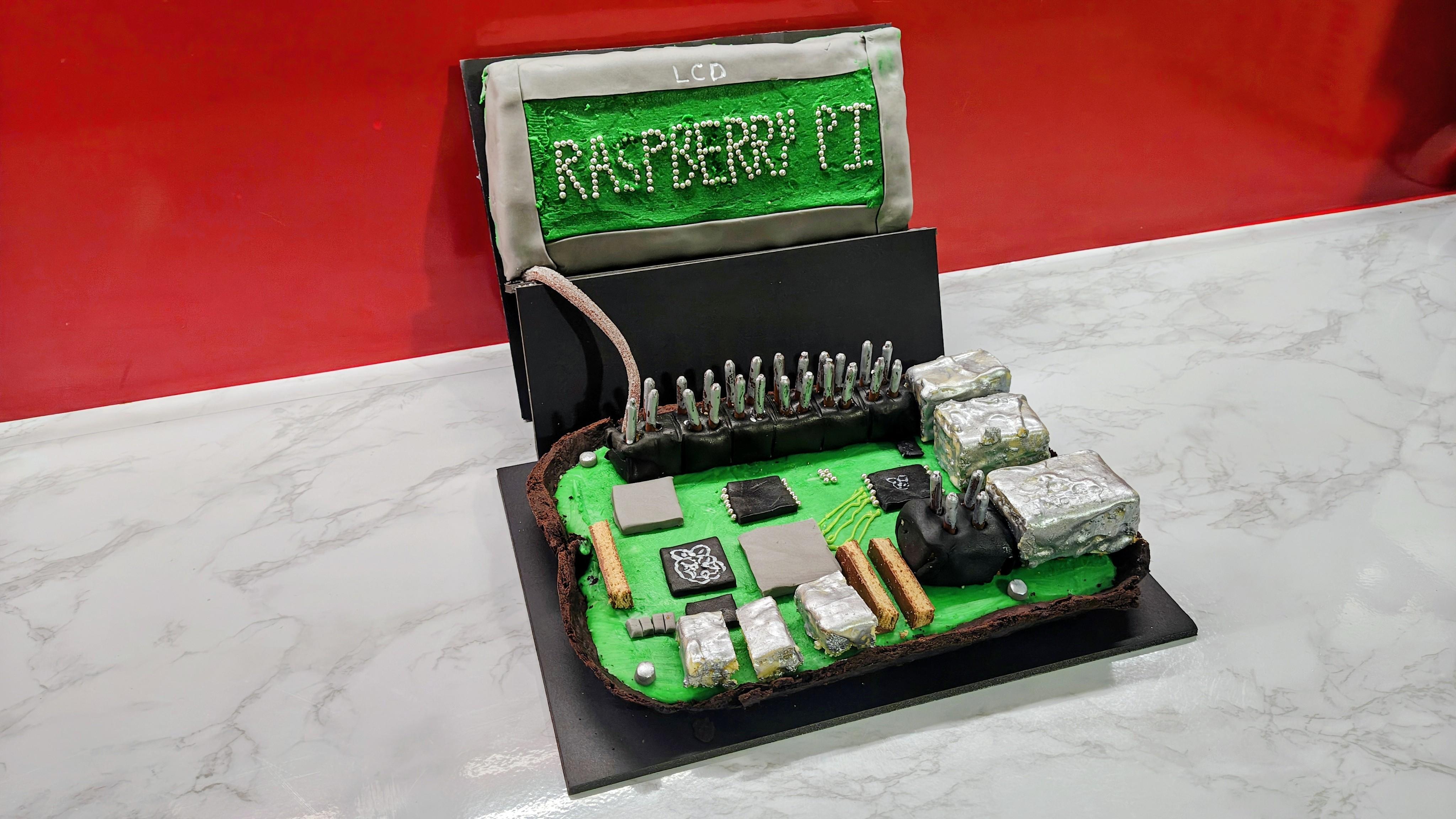
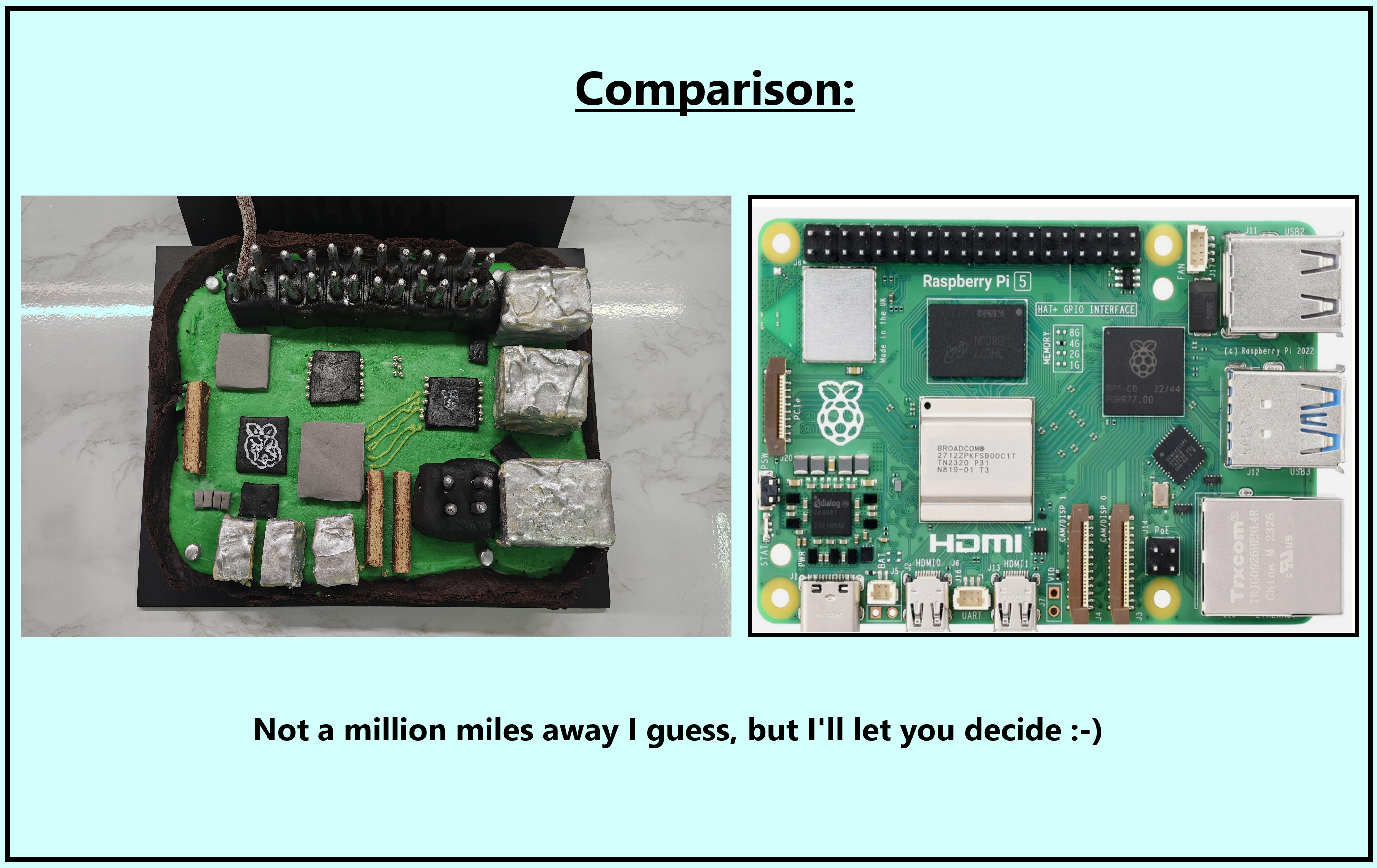
This is a fully edible pie that is based on the Raspberry Pi 5 single board computer, and is about 3:1 in scale (thereabouts). This is the second one I have made, the first I used a little bit of artistic license with the layout, but this more closely resembles the Pi 5. So what do we have? The familiar green PCB is recreated with a sandwich of a dark cocoa shortcrust pastry, a fresh raspberry filling, and a white chocolate ganache on top. Circuitry and components are recreated using white chocolate covered sponge cake and a vanilla fondant, with a sprinkling of tiny chrome sugar balls (dragees) and IO pins made from chocolate covered candy. The cocoa crust, sweet jammy raspberry mix and the white chocolate ganache balance each other out in both flavour and texture. The LCD is a simple vanilla sponge cake with a buttercream topping, fondant to make the bezel, and some more silver dragees for the dot matrix text... so two desserts in one.
The Inspiration:
This began with a simple urge to make something tasty, fun and familiar in an unfamiliar way. The Raspberry Pi is usually about problem solving, tinkering and learning as you go, and designing and making this pie was no different. This was an excuse to slow down, focus on detail, and enjoy the process rather than rushing to the end result, although the family was looking forward to seeing, and tasting, how this came out. So with the love of computers, and the love of baking, this to me was a no-brainer.
What's Involved:
I feel that this is an intermediate build that rewards patience and a little experimentation. The order of operation is making the pastry base first, then the raspberry filling, the ganache top then the details. Expect about an hour of hands on work, followed by a few hours of cooling time while things cool and set. The ingredients are cheap to purchase and nothing specialised, and unlike the real thing, if something goes wrong, the fix is much easier to repair, and tastier too. This pie tastes great on its own, but is just as good served with fresh cream of home made custard. As a bonus, the sponge LCD screen with a coloured buttercream cover is there for those who may not like raspberry pie and is a fun addition. There is a bonus recipe for some home made custard which can be found in the final step.
To accompany this Instructable, I have also made and attached a video of the whole process with the intension of being an additional visual aid to help. Lets tuck in...
Supplies


Equipment:
- A rectangular baking tray (about 30cm x 20cm)
- Rolling pin
- Baking beans (or some dried rice)
- Greaseproof paper (parchment paper)
- Mixing bowls (at least one microwave safe one)
- Scales
- Spatula
- Knife
- Mixing spoons
- Knife
- Tweezers
- Cocktail sticks
- Ruler
Ingredients:
Pastry Base.
- 200g plain flour
- 30g good quality cocoa powder
- 115g cold unsalted butter (cubed)
- 1 egg
- 2 Tablespoons of cold water
The Filling.
- 150g fresh raspberries
- 25g caster sugar
The Ganache Topping.
- 300g white chocolate
- 100ml double cream
The Components.
- 200g White chocolate
- Black and grey fondant (250g each)
- Silver edible paint
- White edible paint pen
- Green food colouring
- Chrome sugar balls (dragees) around 4mm diameter
- Mikado Chocolate stick biscuits
- Bar of KitKat
LED Sponge Cake:
Sponge.
- 250g self raising flour
- 250g soft butter
- 250g caster sugar
- 3 large eggs
- 1-2 tablespoons of milk if mixture is too stiff
Filling/Topping.
- 270g icing sugar
- 130g soft butter
- Few drops of green food colouring for the display
- Grey fondant for the bezel and sides
- Chrome sugar balls (dragees) for the lettering
Design Aspects
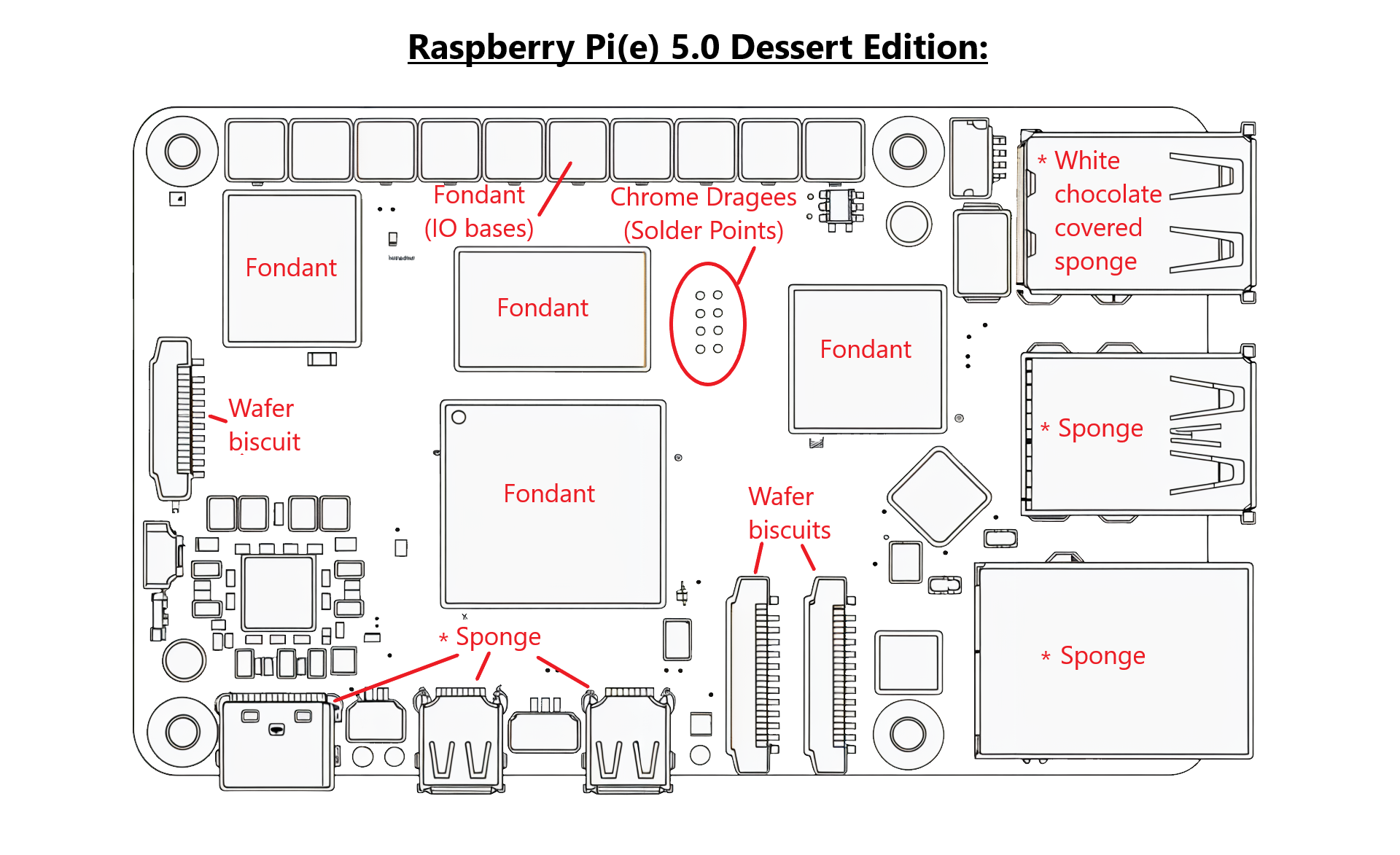
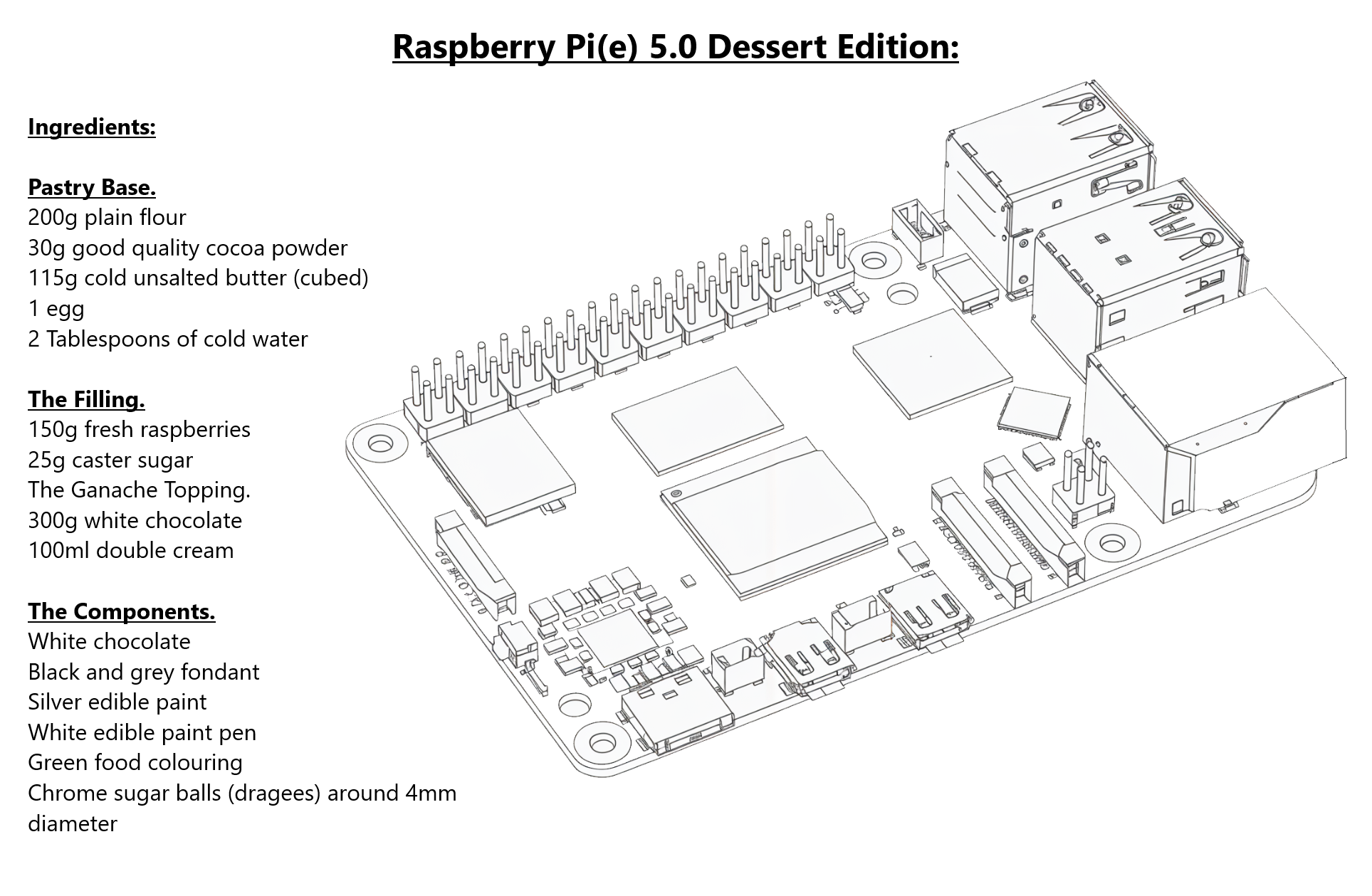
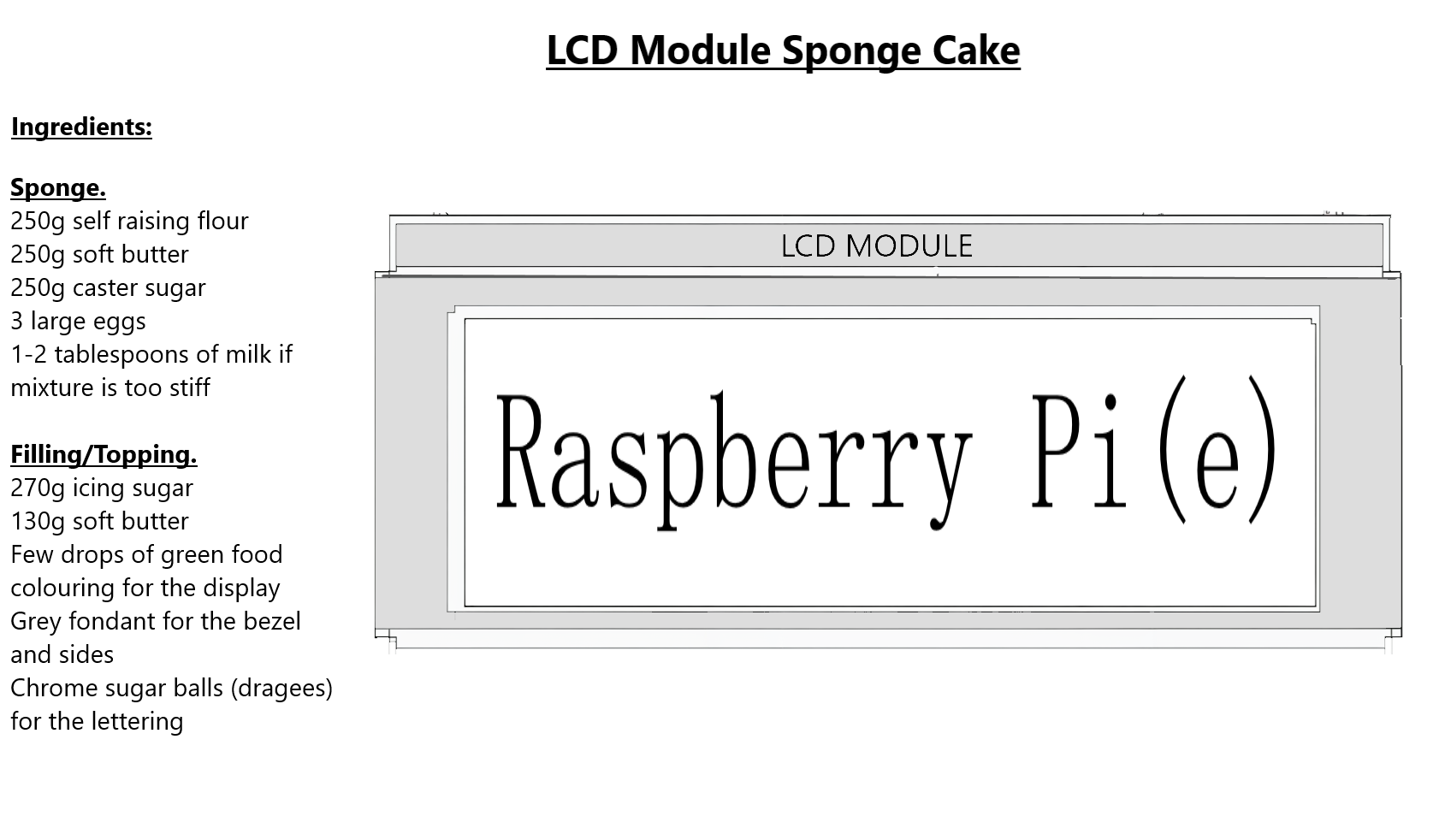
One of the main design challenges was deciding how accurate the pie needed to be. Trying to replicate every tiny component on a Pi would quickly turn it into a frustrating venture, especially for armatures trying this out. As I mentioned earlier, my first version used some artistic license by making little resistors/capacitors out of fondant and making the coloured bands using edible paint pens. This was really fun, but this time I wanted to make this pie as close to the real thing, not looking for perfection, but a reasonable representation as good as I could.
Some of the aspects I took into account was what edible things I could work with to get the shapes I needed, yet not to overpower the taste of the pie itself. I decided to make the pastry, ganache and raspberry filling from scratch (as well as the custard), and the components would be made from a mild vanilla sponge, melted chocolate and small amounts of food colouring and fondant for molded pieces. I think of these not as compromises, but rather practical adjustments that makes the build achievable and fun. For new makers, I think this is a useful mindset to have... design for what your tools and materials can realistically do, not what looks good on paper. So lets bake a Pi(e).
THE PIE: Making the Pastry Base


We'll start off by making the pie first as we will make the LCD cake while the pie rests. In a large mixing bowl, rub the flour, cocoa and cold butter together with your fingertips until it looks like a dark soil. Stir in the egg yolk and 2 tablespoons of ice cold water, then bring the mix together into a ball with your hands. Don't overwork the mix or it will become too tough. Roll the ball out flat, between two sheets of greaseproof paper until about 3mm thick, then line the baking tray with it, cutting off the excess around the edges.
Chill in the fridge for 30 to 60 minutes to prevent shrinkage. After this, place baking beans on top of the pastry with a sheet of greaseproof paper, then blind bake it at 180c for 15 minutes, remove the beans, then bake for 5 more minutes until crisp. Remove it from the oven and let it cool completely before moving onto the next step.
The Fruit Filling


In a small saucepan, combine the raspberries and the sugar, then simmer over a medium heat for 5 to 8 minutes, mashing the berries with a fork until they soften. Here, we are looking for a jammy consistency that shouldn't run when you tilt the pan. Then spread the mix in a thin, even layer across the cooled pastry crust.
If you want a seedless fruit mix, pour the jammy mix through a fine mesh sieve into a bowl, pressing it through with a wooden spoon or fork.
The Chocolate Ganache Topping


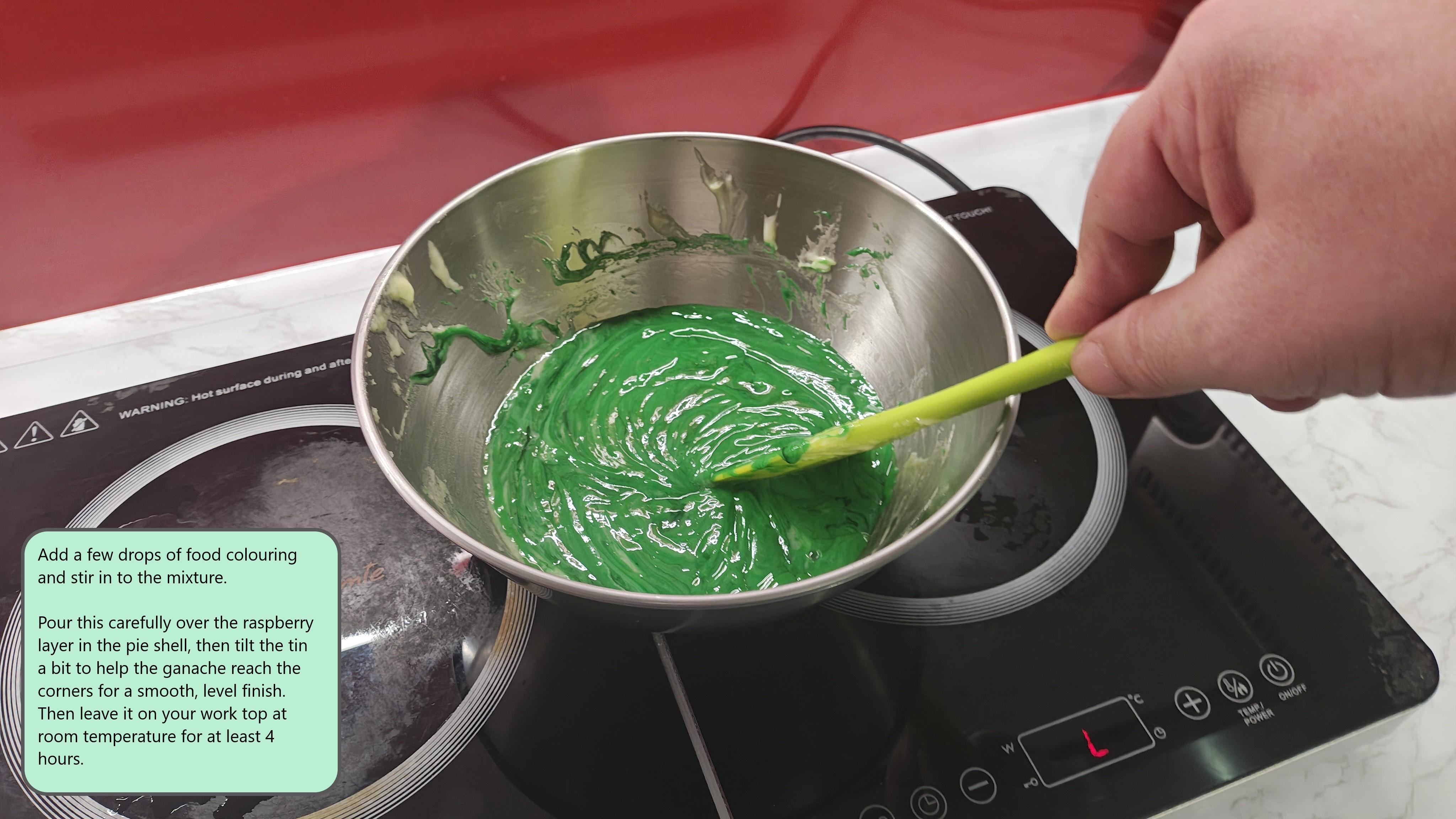


Finely chop the white chocolate into shards, no bigger than a pea to insure it melts quickly and evenly, then place the shards into a heat proof glass or metal bowl. In a separate small saucepan, heat the double cream until you see tiny bubbles starting to break the surface (simmering), taking care not to boil it. Then immediately pour the hot cream over the chocolate in the bowl, and leave it untouched for about 2 minutes.
Using a silicone spatula or whisk, start in the centre of the bowl and make small circular motions, gradually working your way out until the cream and chocolate have emulsified into a white glossy liquid. Pour this carefully over the raspberry layer in the pie shell, then tilt the tin a bit to help the ganache reach the corners for a smooth, level finish. Then leave it on your work top at room temperature for at least 4 hours (putting it in the fridge could loose the glossy look).
THE LCD MODULE: Making the Sponge


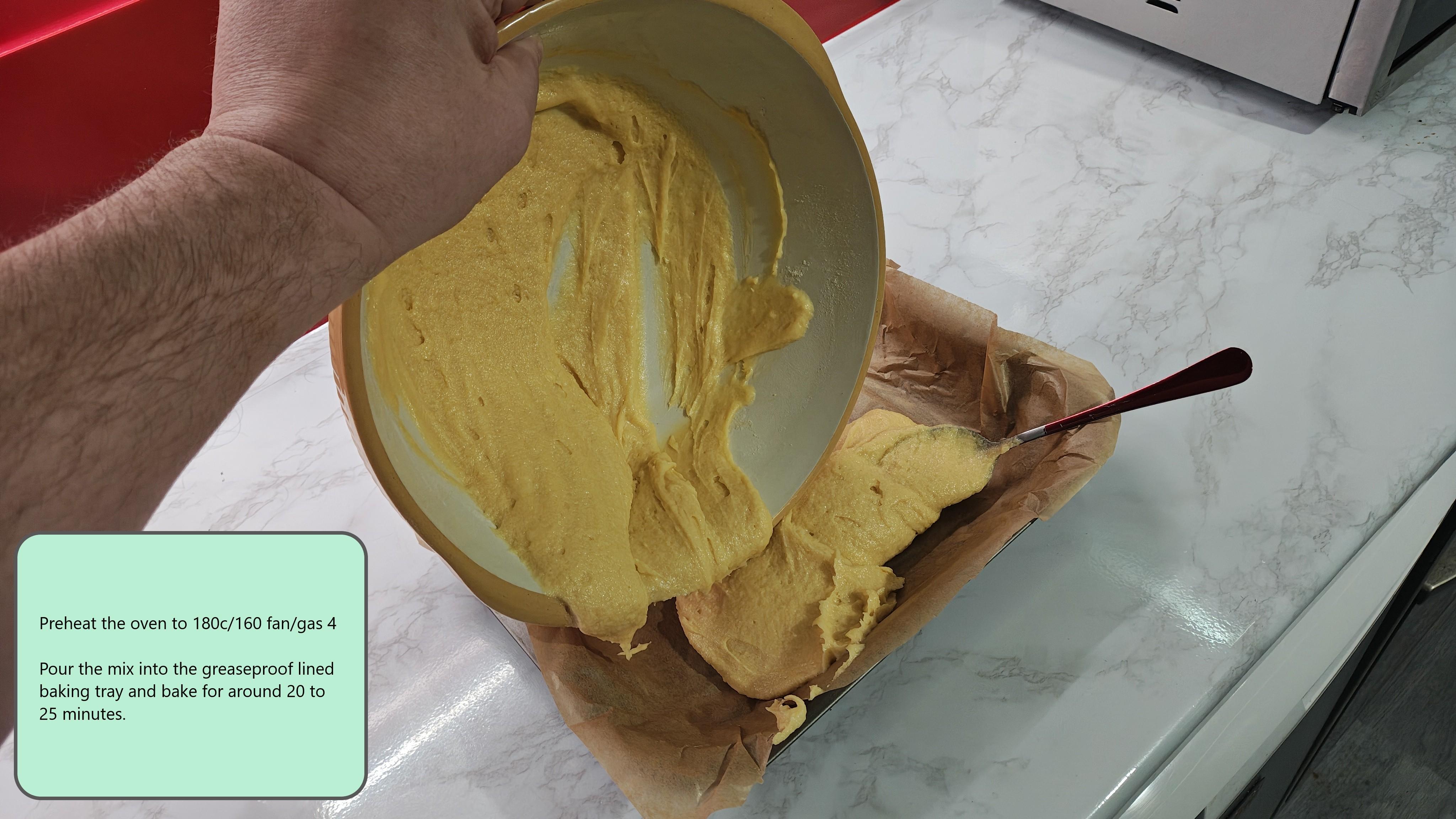
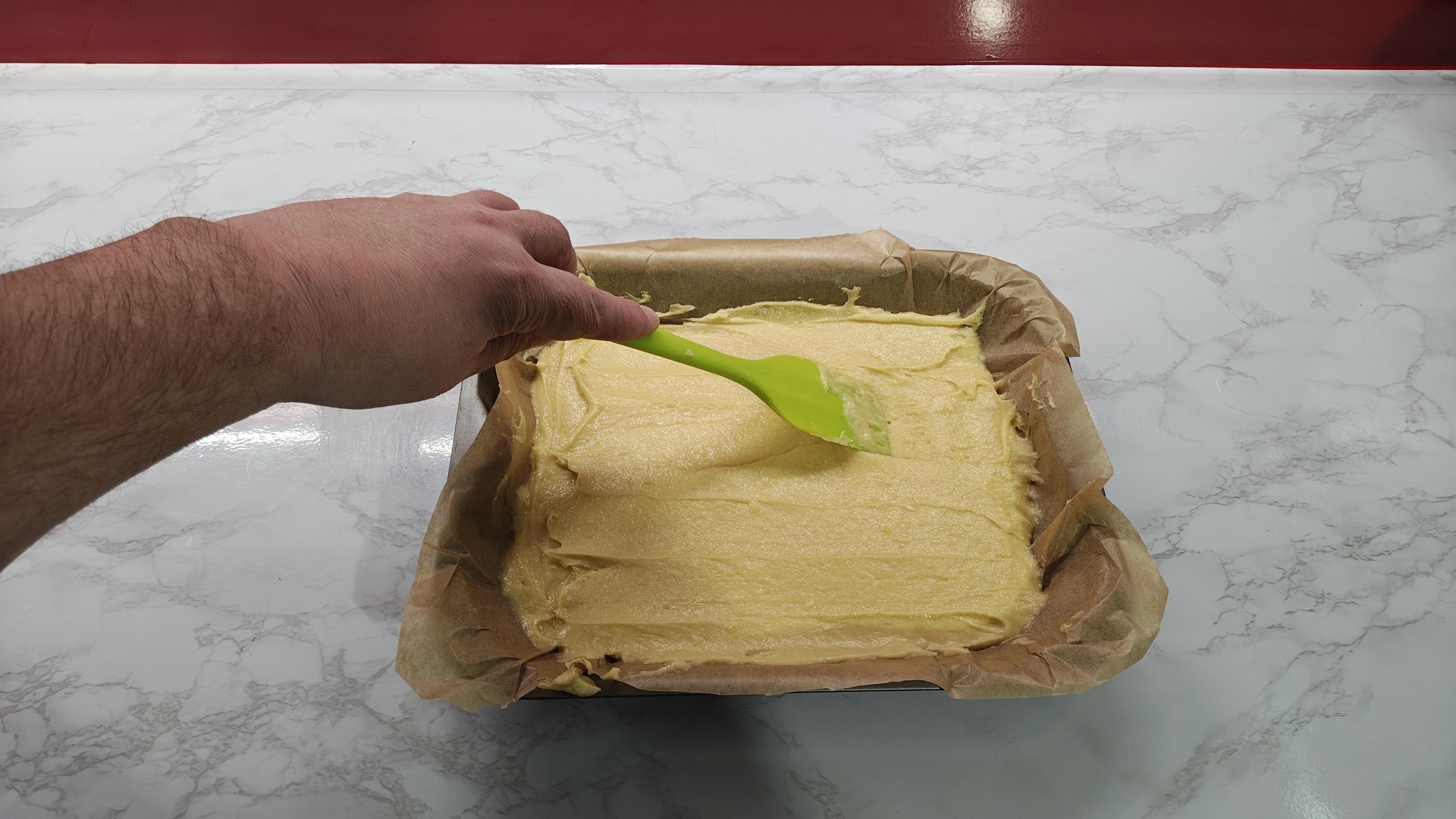




While the pie is resting, we can move onto the LCD sponge cake. This gives us time to make it, let it cool, and decorate it. Also, making it at this stage will give us the sponge pieces we need to make the components for the pie.
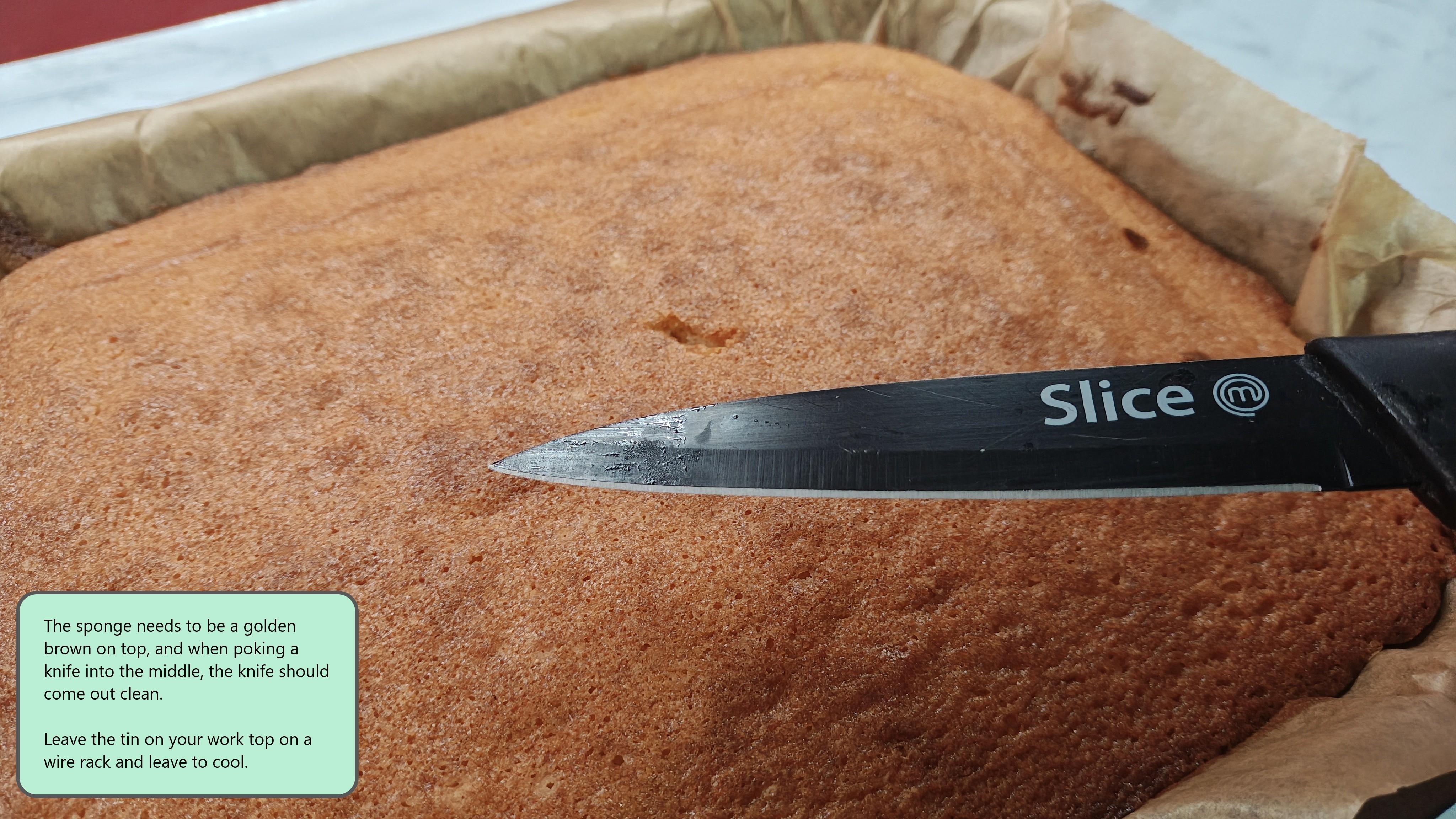
Start by preheating the oven to 180c/160 fan/gas 4 then grease your baking tray and line with greaseproof paper, then mix the butter sugar together until it becomes pale, then beat in the 3 eggs, one at a time. Then sift in the flour and fold in using a large spoon. The mixture should be a dropping consistency, but if it is too stiff, ad a little milk. Pour the mix into the lined baking tray and bake for around 20 to 25 minutes. It needs to be a golden brown on top, and when poking a knife into the middle, the knife should come out clean. Leave the tin on your work top on a wire rack and leave to cool.
When it's cooled, remove it from the trim, slowly and carefully remove the greaseproof paper, and cut the sponge to the size of the screen you want (mine was 22cm x 9cm). Put the excess sponge to one side for now.
The Sponge Topping


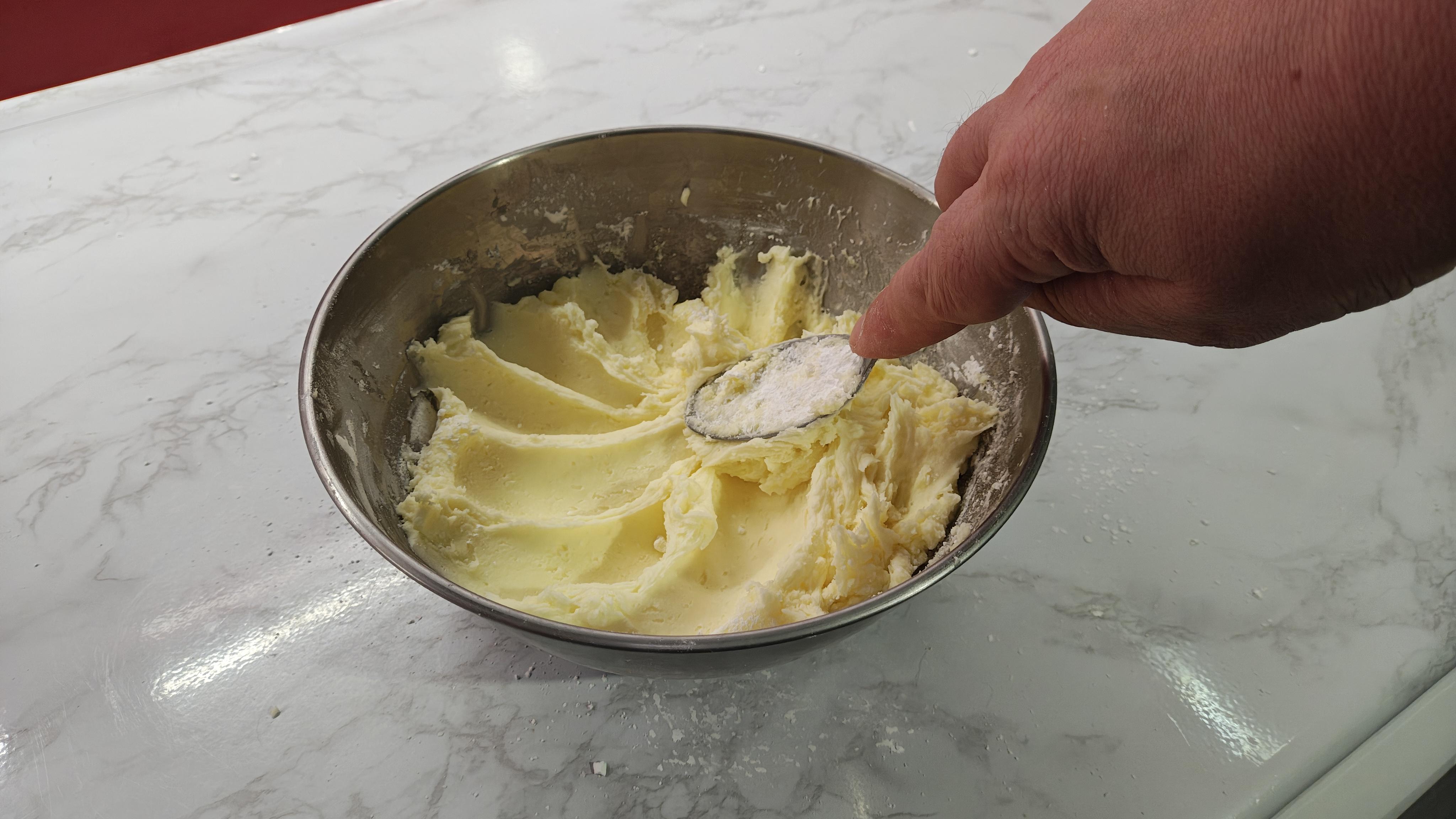


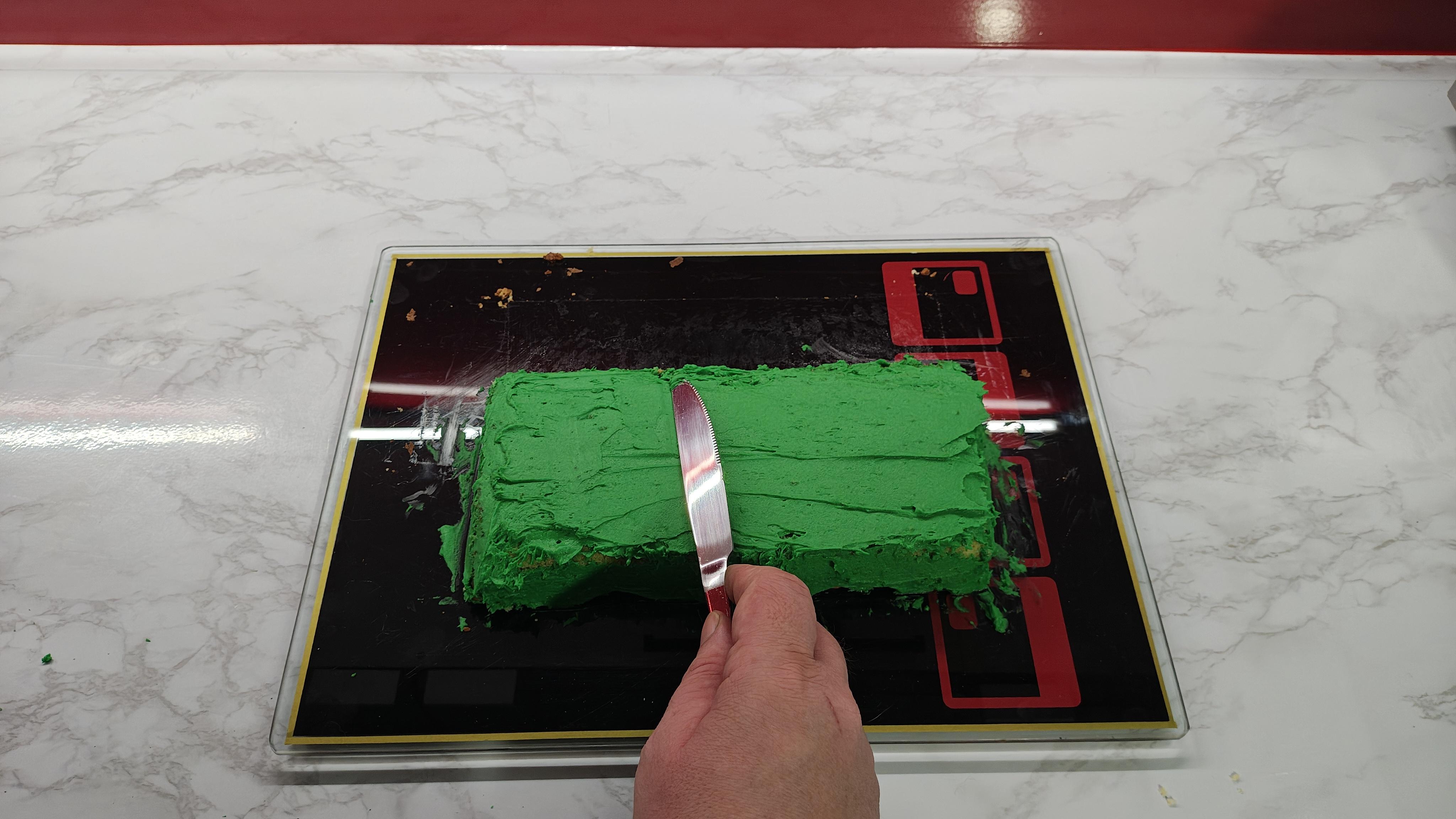




For the buttercream, beat the butter in a bowl until soft, then slowly add the sugar until creamy and smooth. Separate the mix into two halves, and add a few drops of green food colouring into one half.
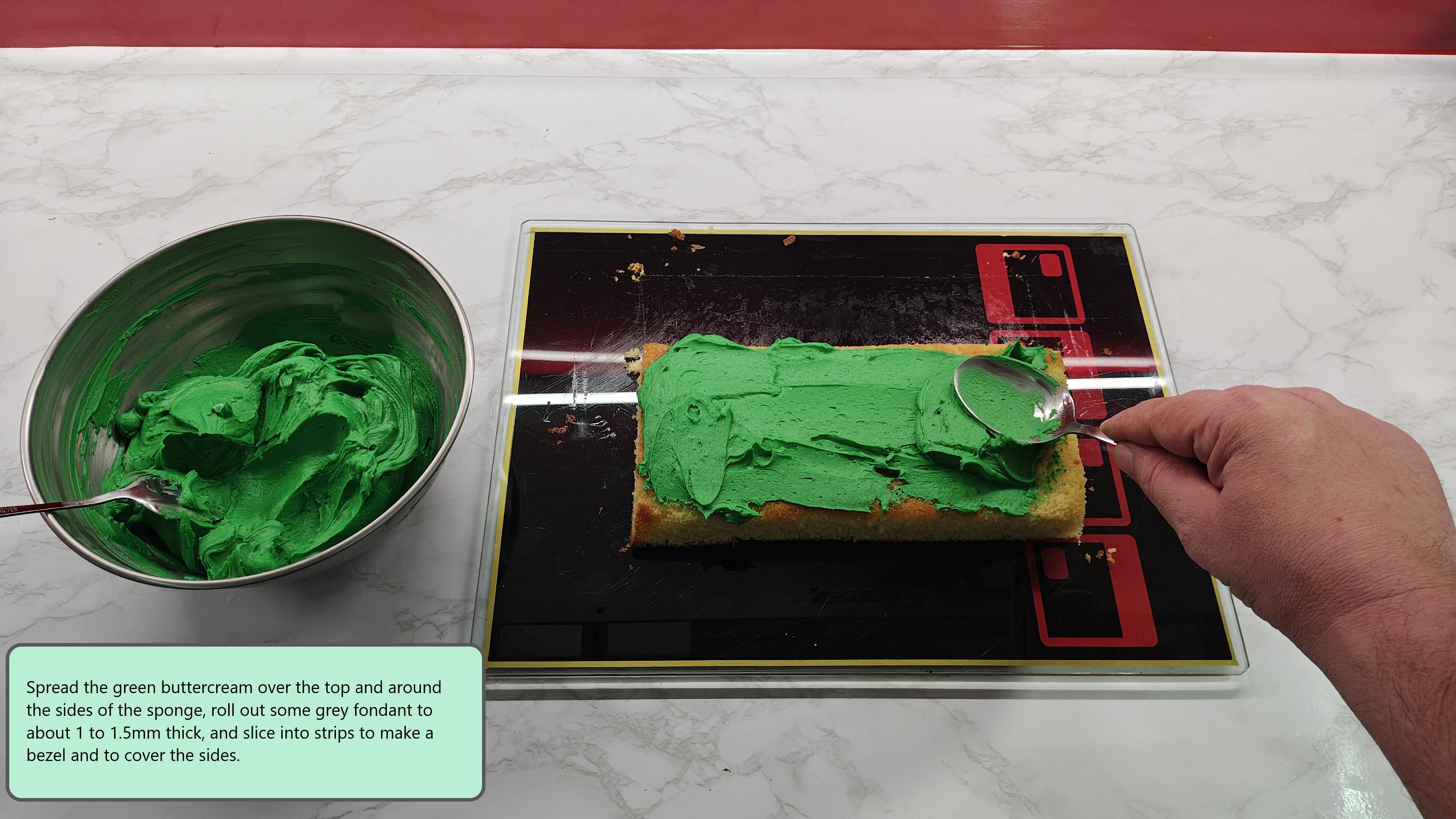
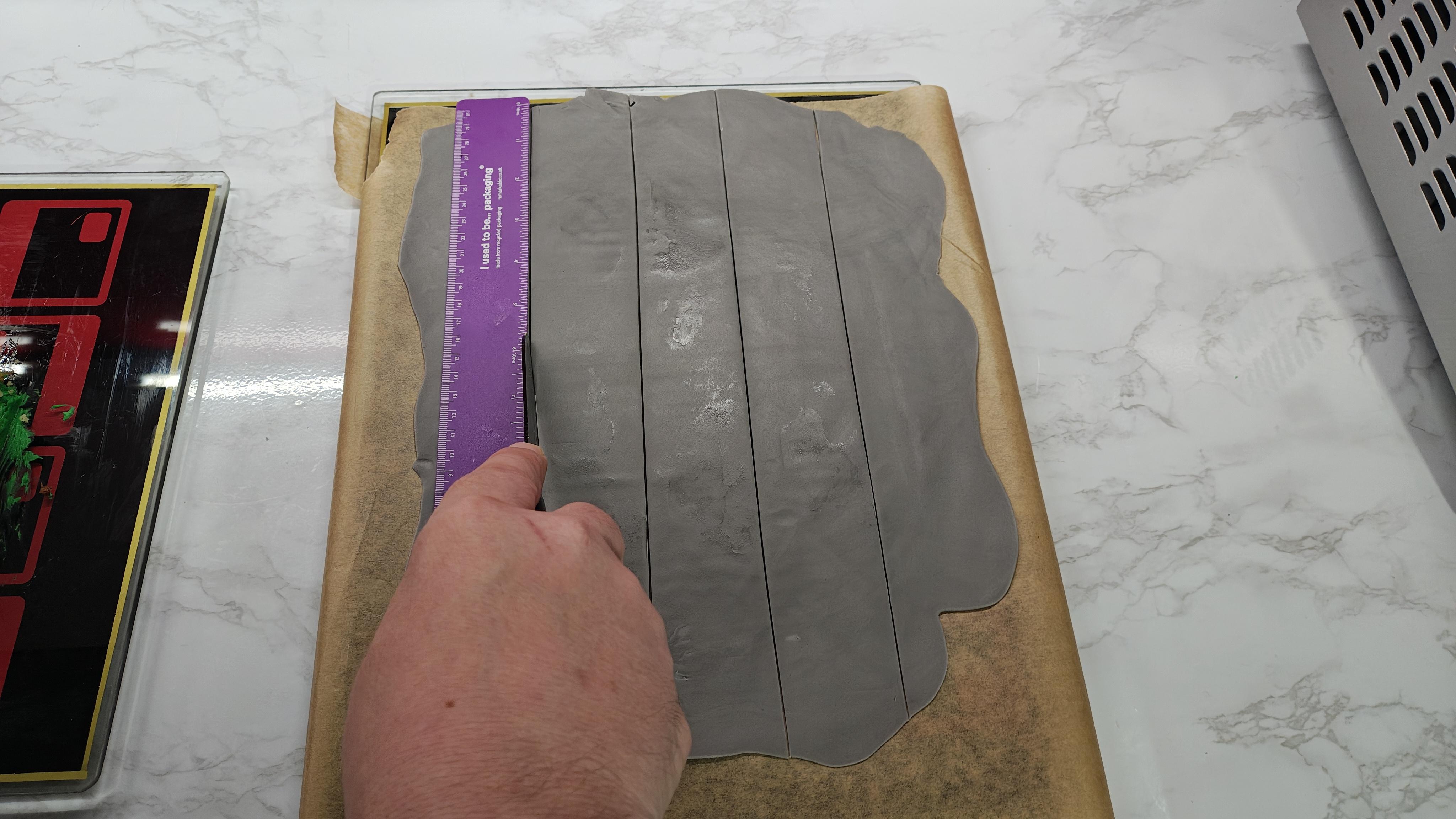
Spread the green buttercream over the top and around the sides of the sponge, roll out some grey fondant to about 1 to 1.5mm thick, and slice into strips to make a bezel and to cover the sides. You want 4 strips the length of the long and short sides, and wide enough to make a bezel around the display edge and to cover the sides. Place a strip onto the cake leaving a 1cm width for the bezel on the top, and fully covering the sides. The buttercream will hold the fondant in place.
Finish off by placing the dragees in place to make the lettering using your fingers and a pair of tweezers. To help with letter spacing, draw the letters on a piece of paper the same size as the visible green buttercream screen, and follow it as a template. I wanted my display text to end with "PI(E)", but ran out of room for the "(E)" bit, oh well, lol.
BACK TO THE PIE: Components
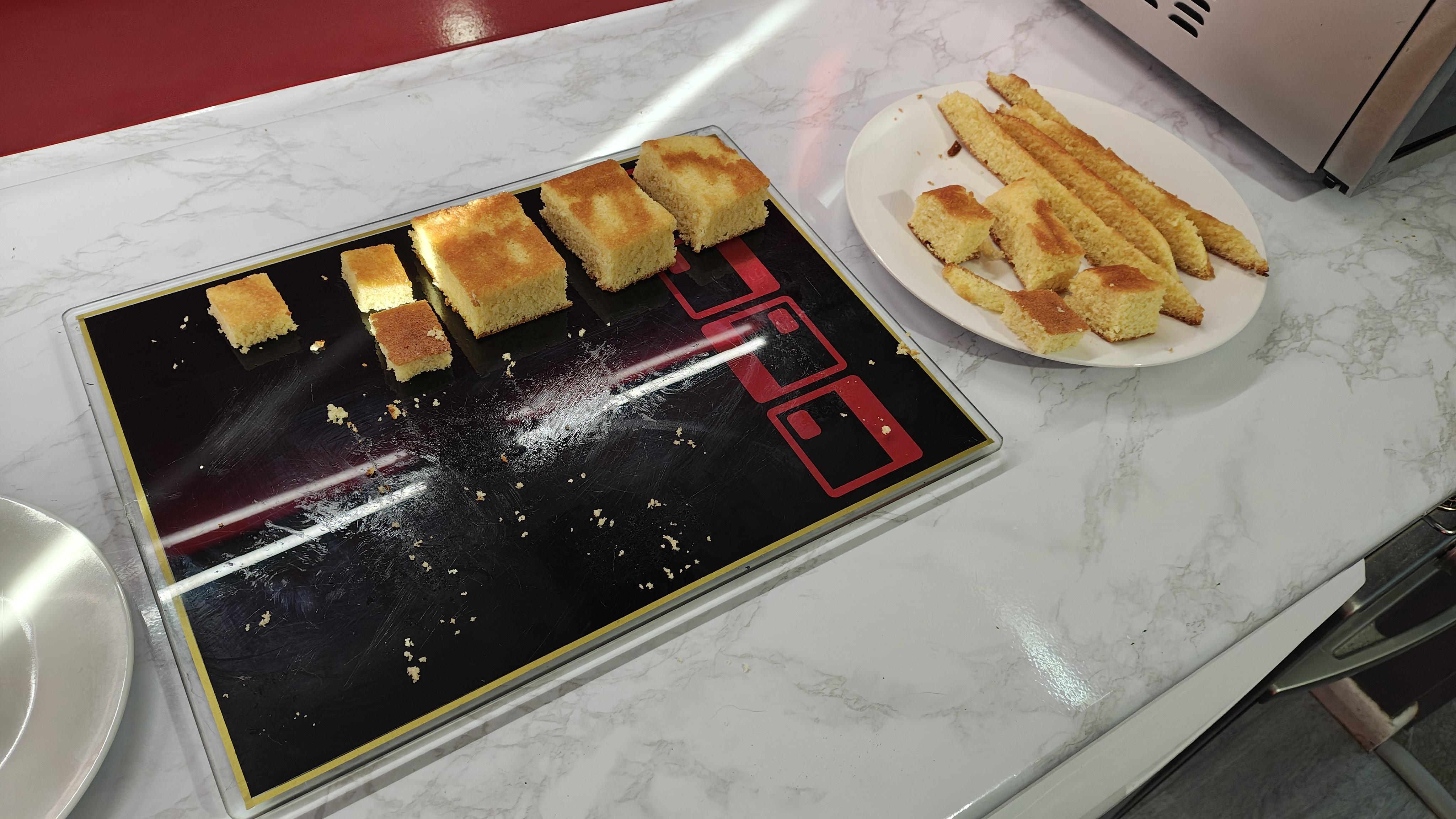
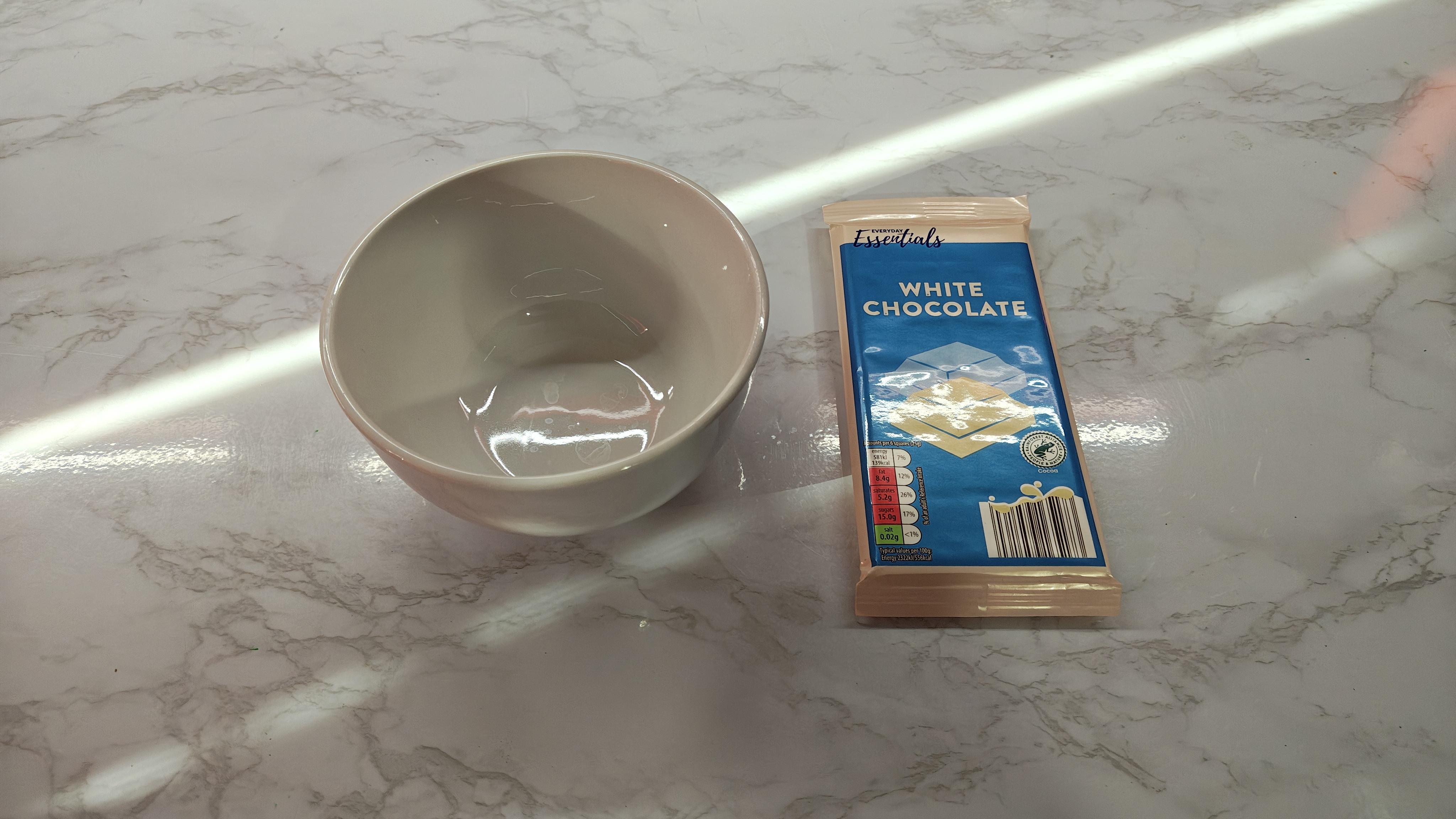


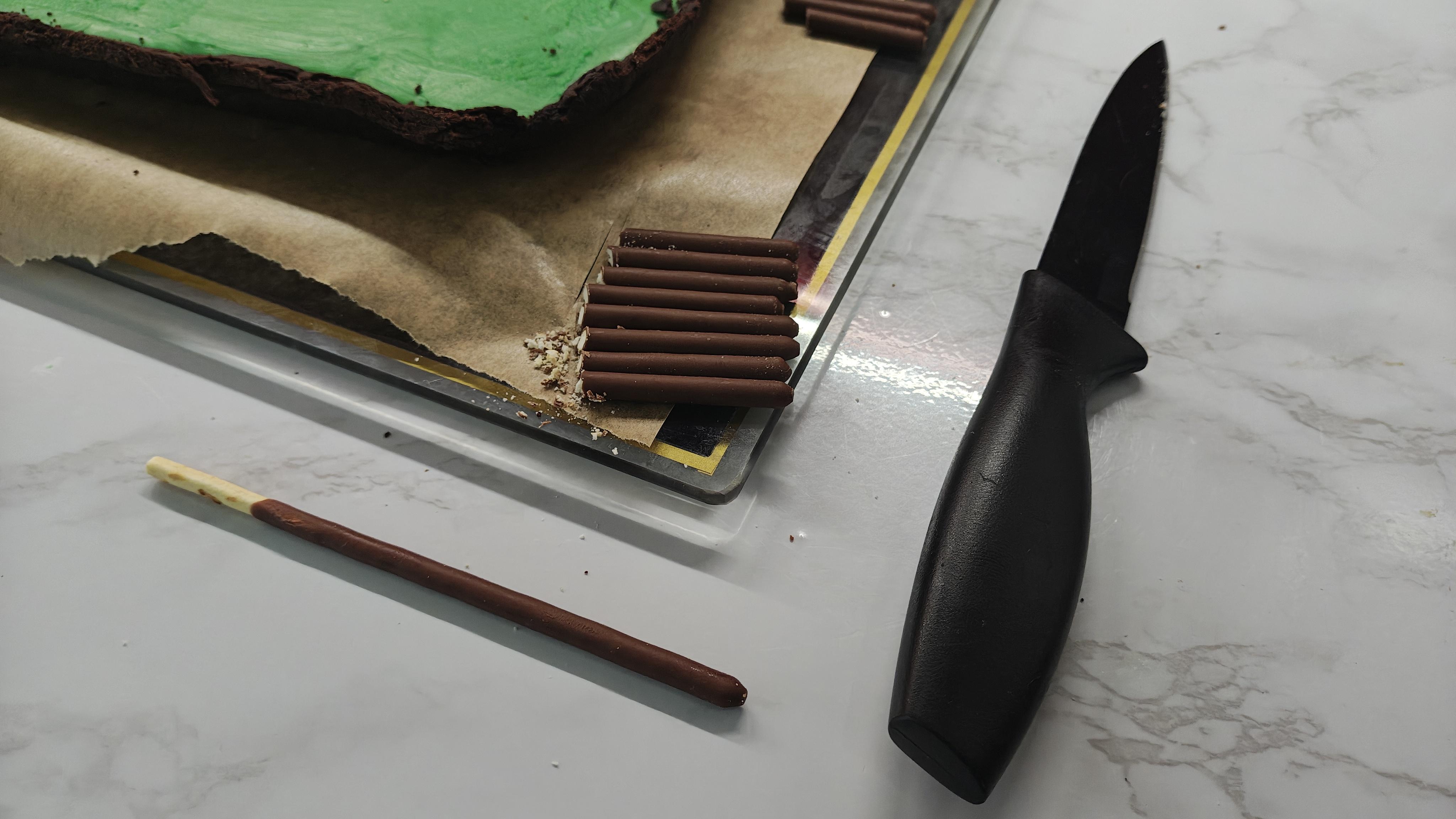

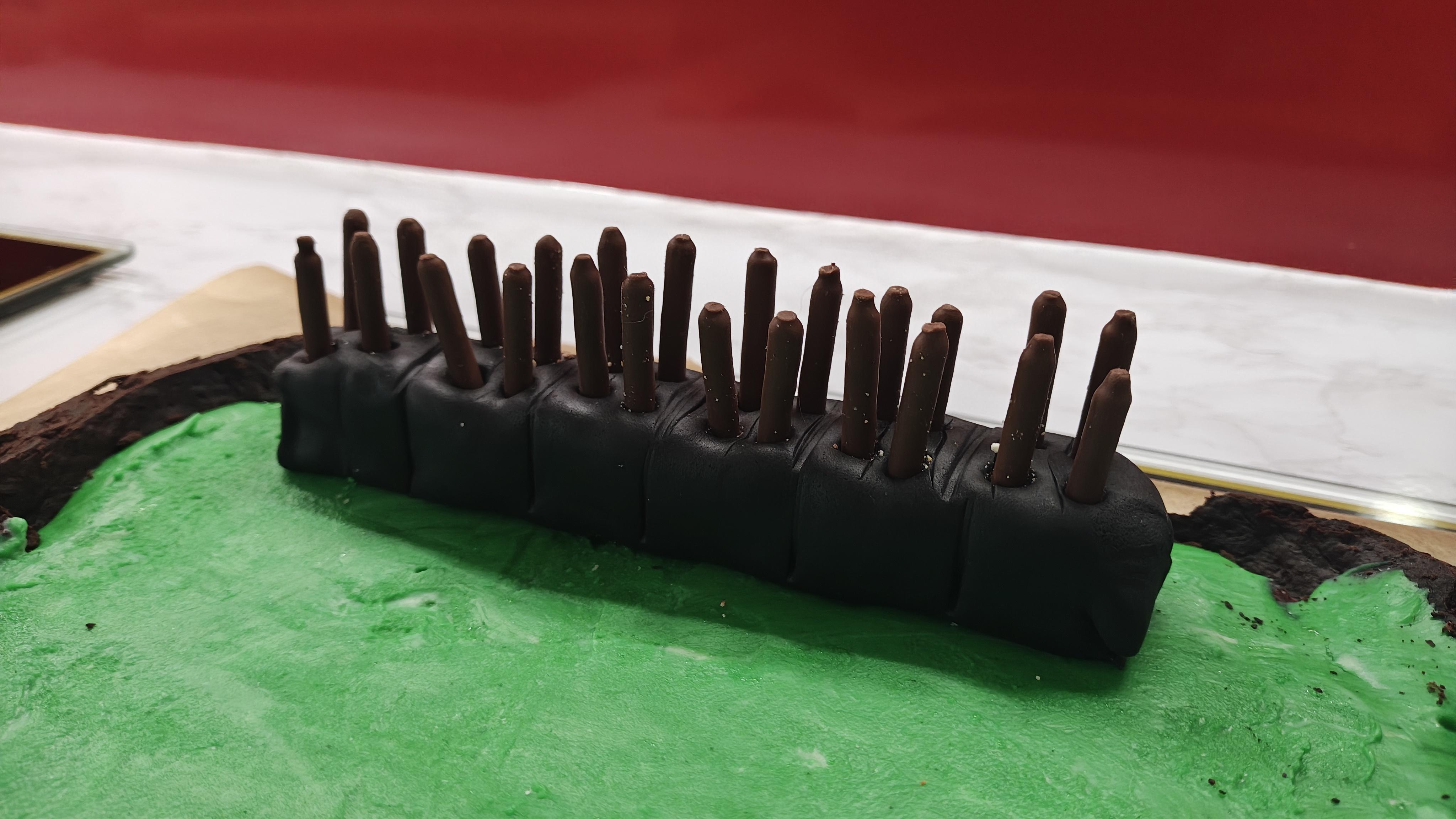

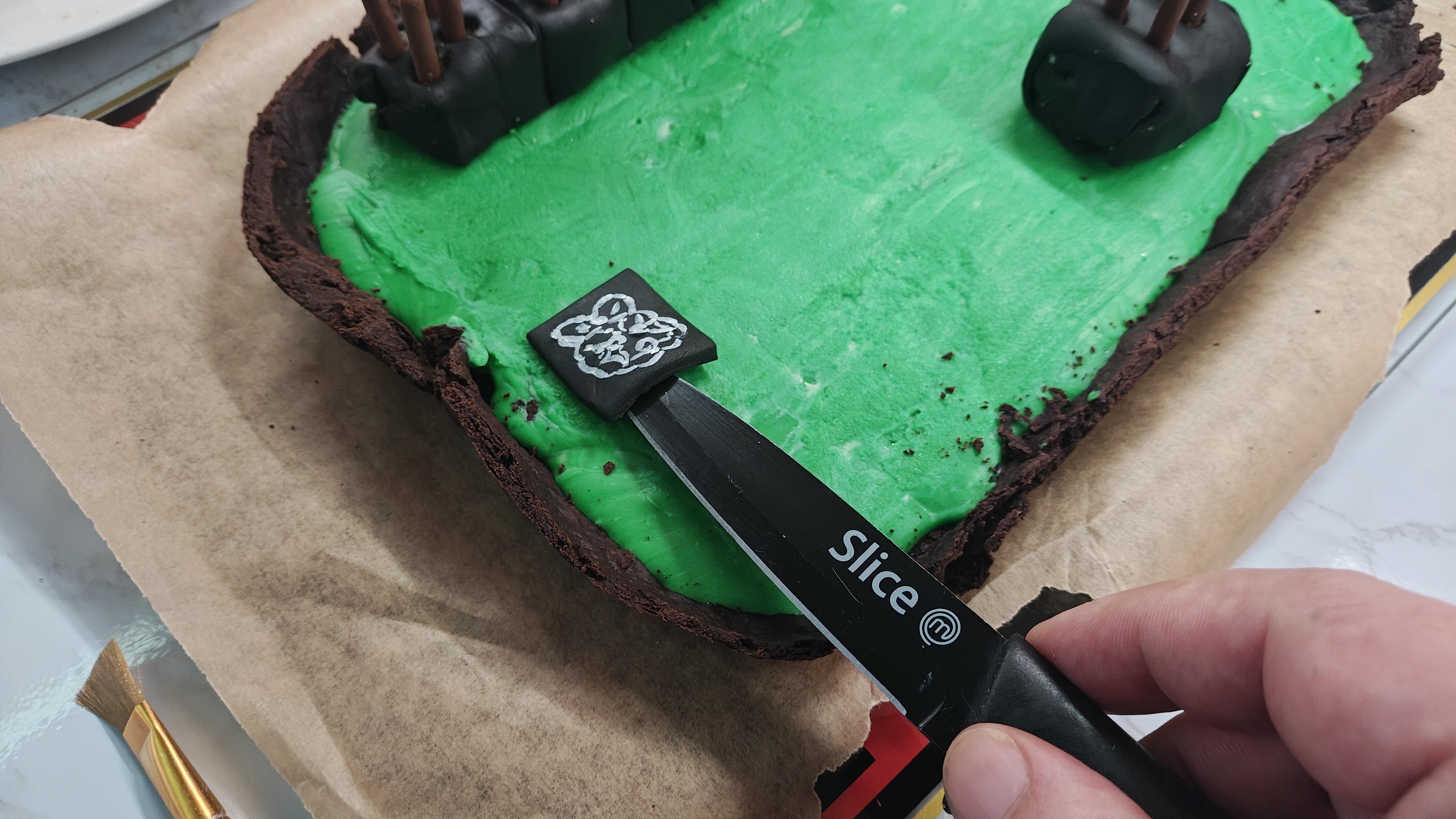
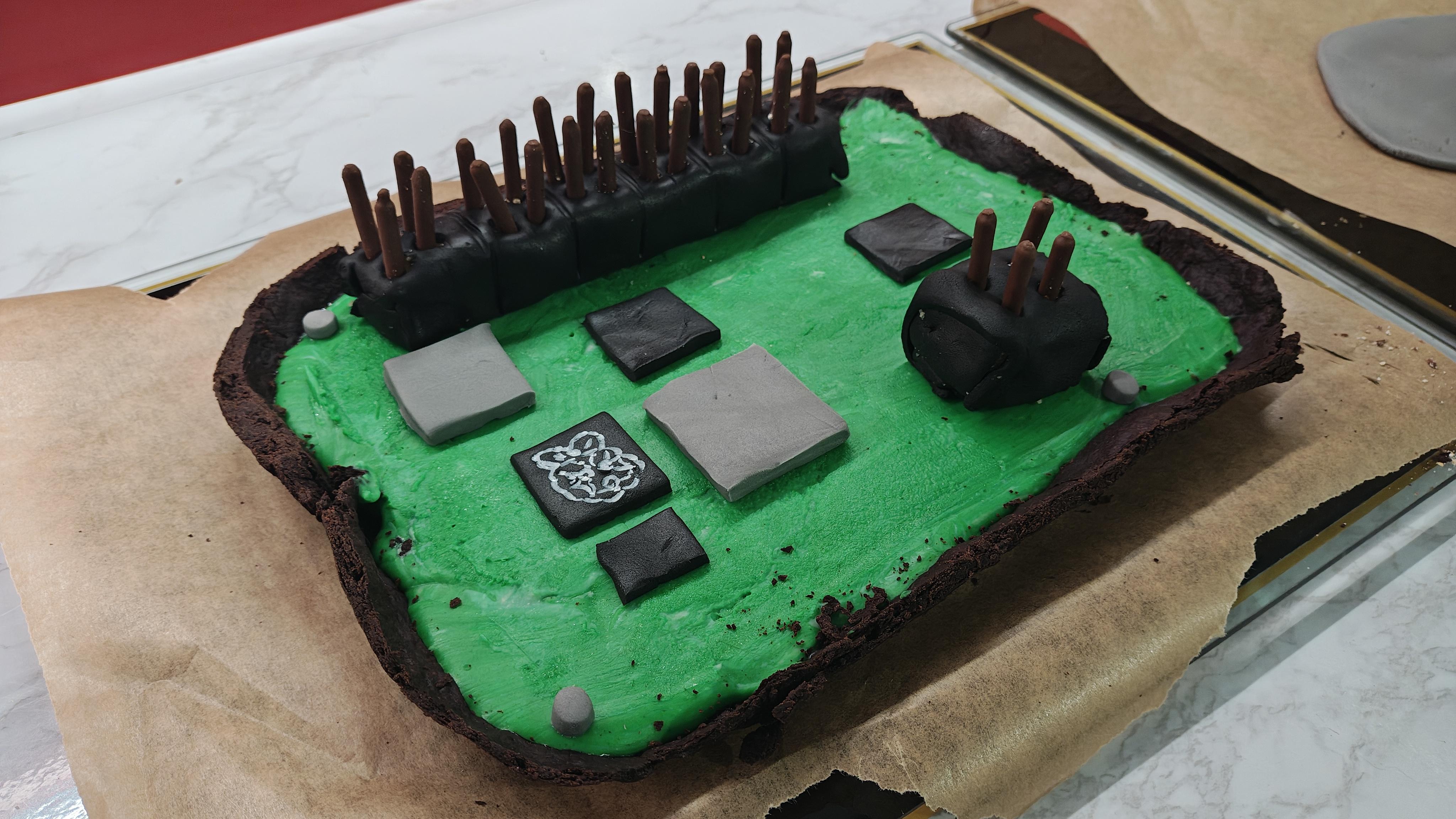
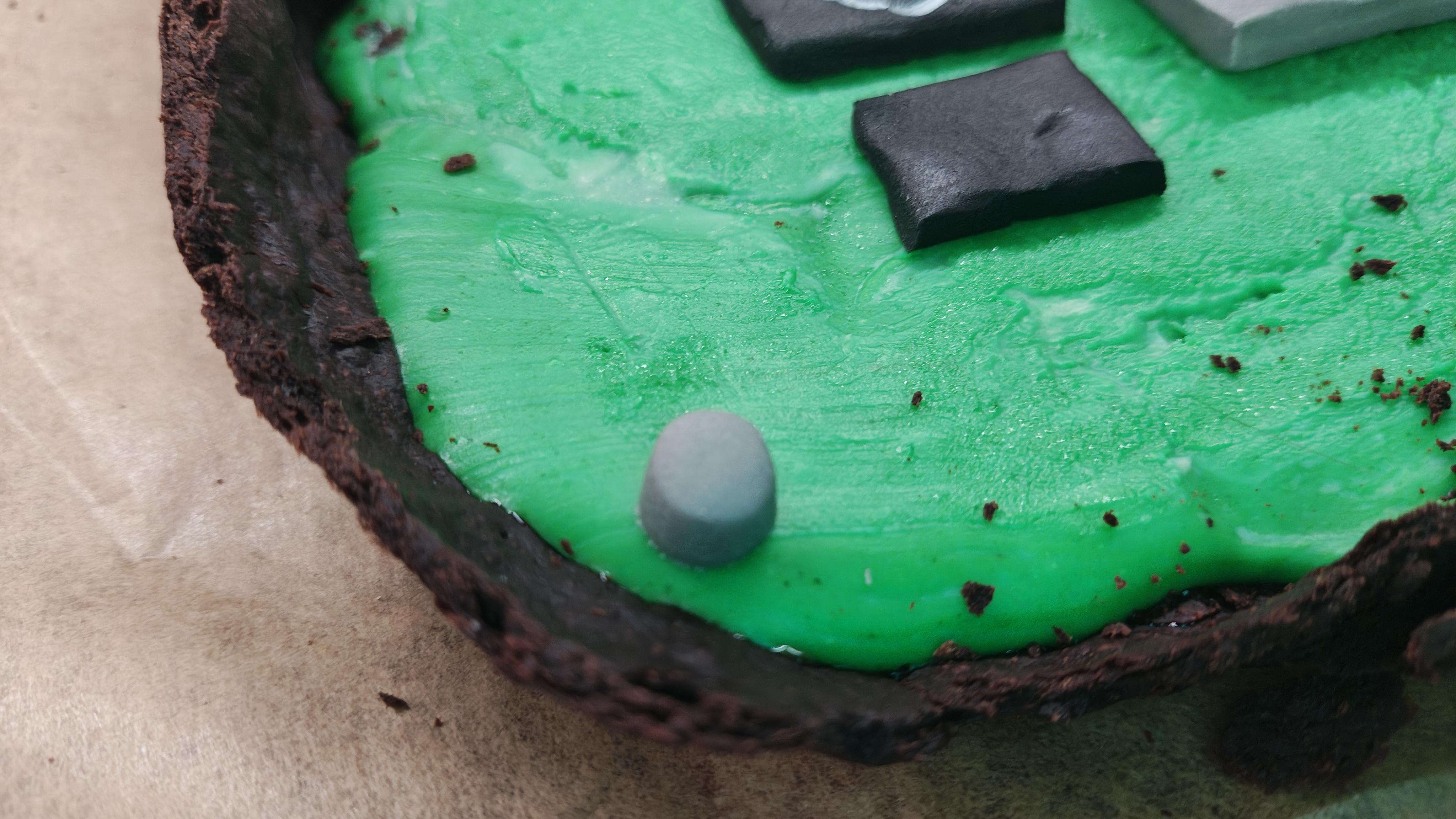
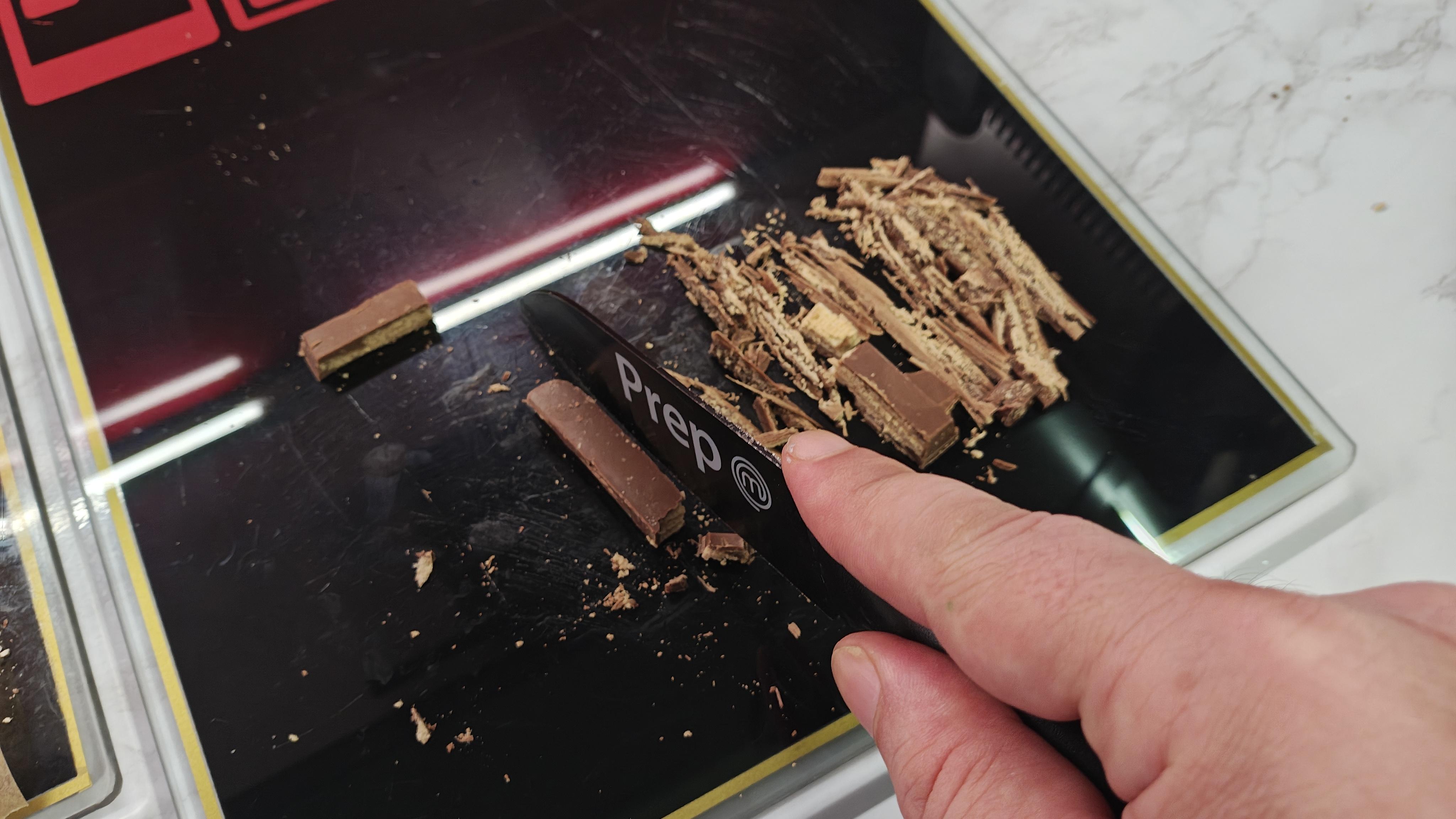
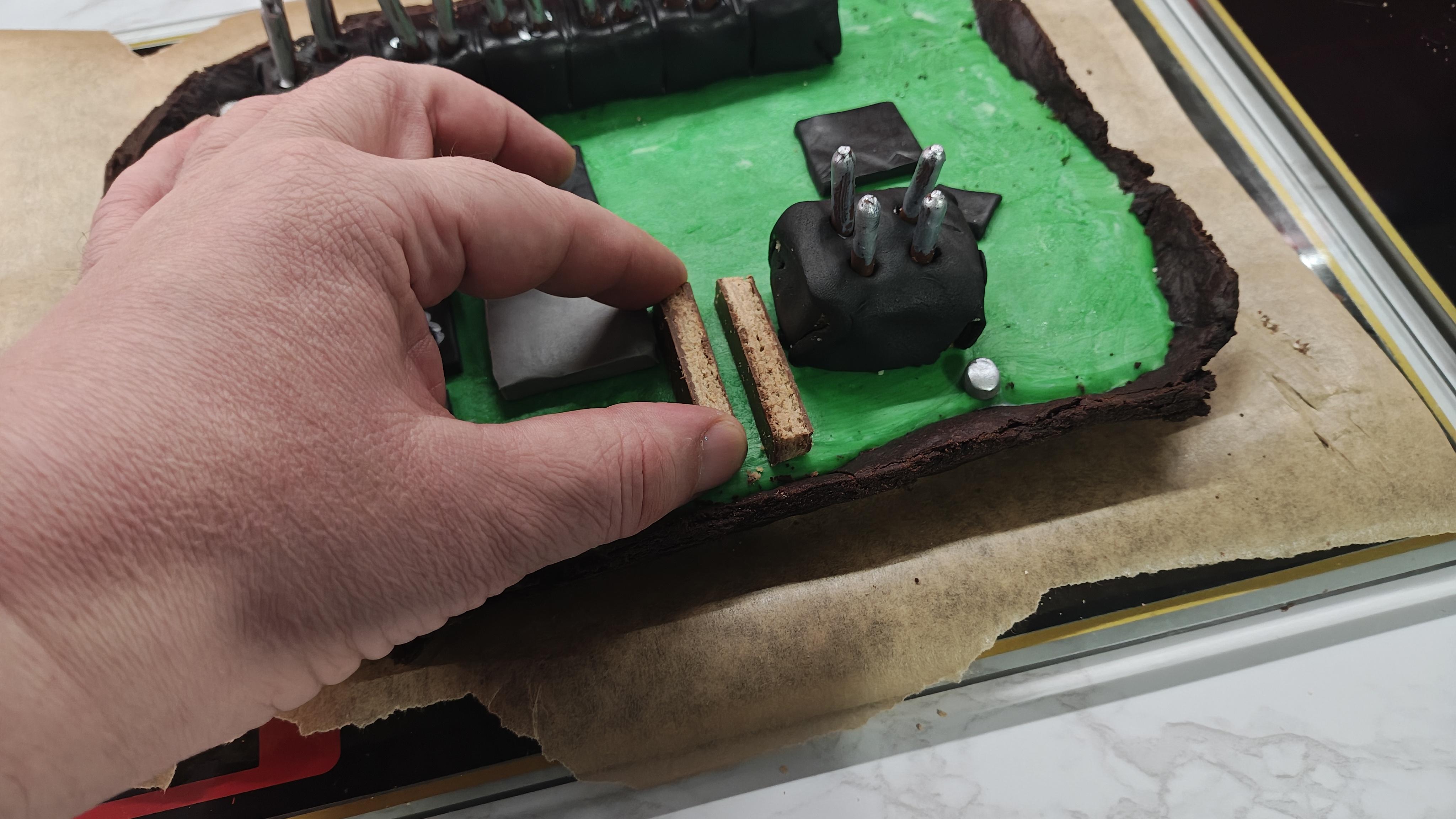
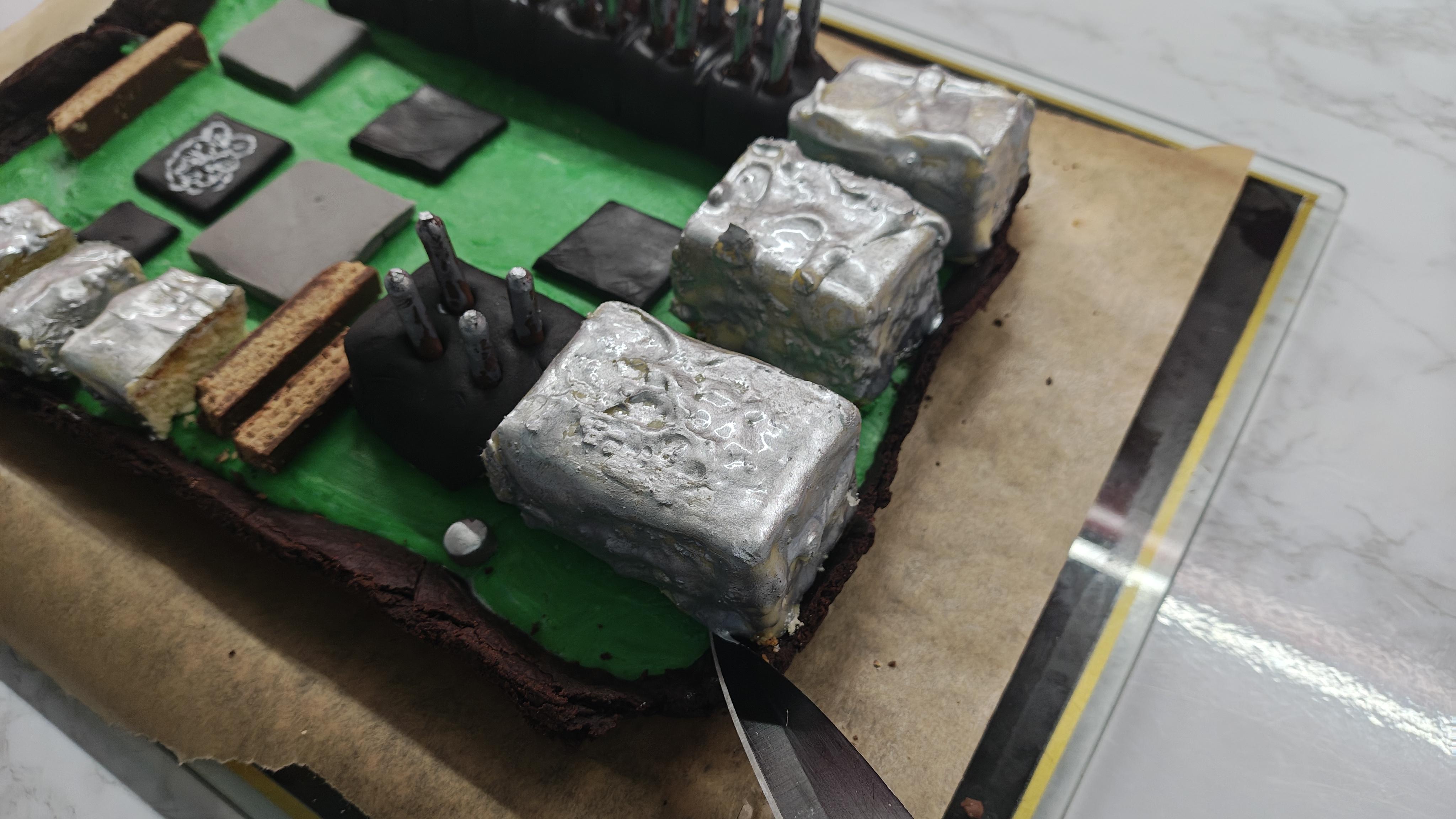
Now we can finish with the components and decorate the pie and cake.
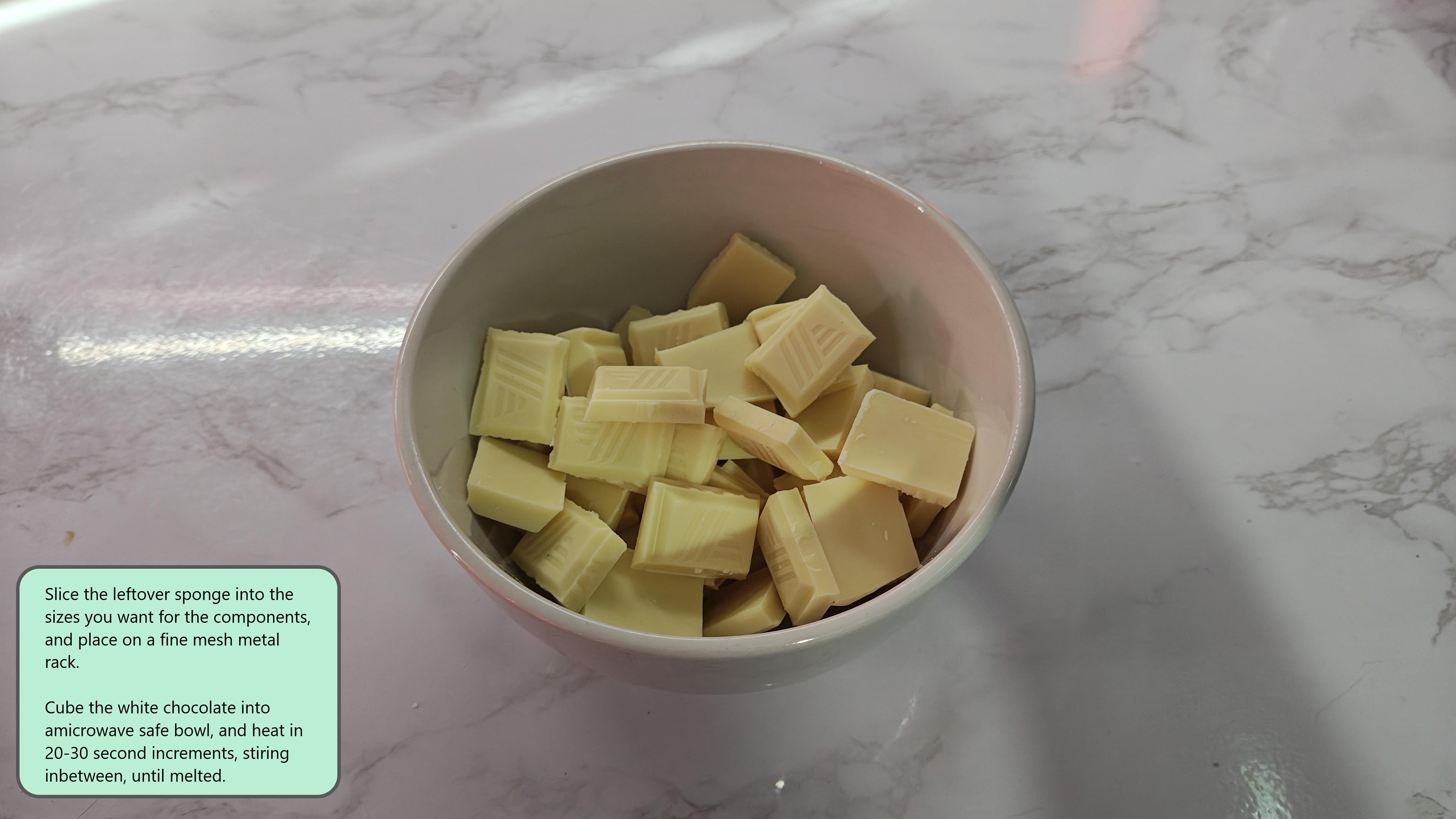
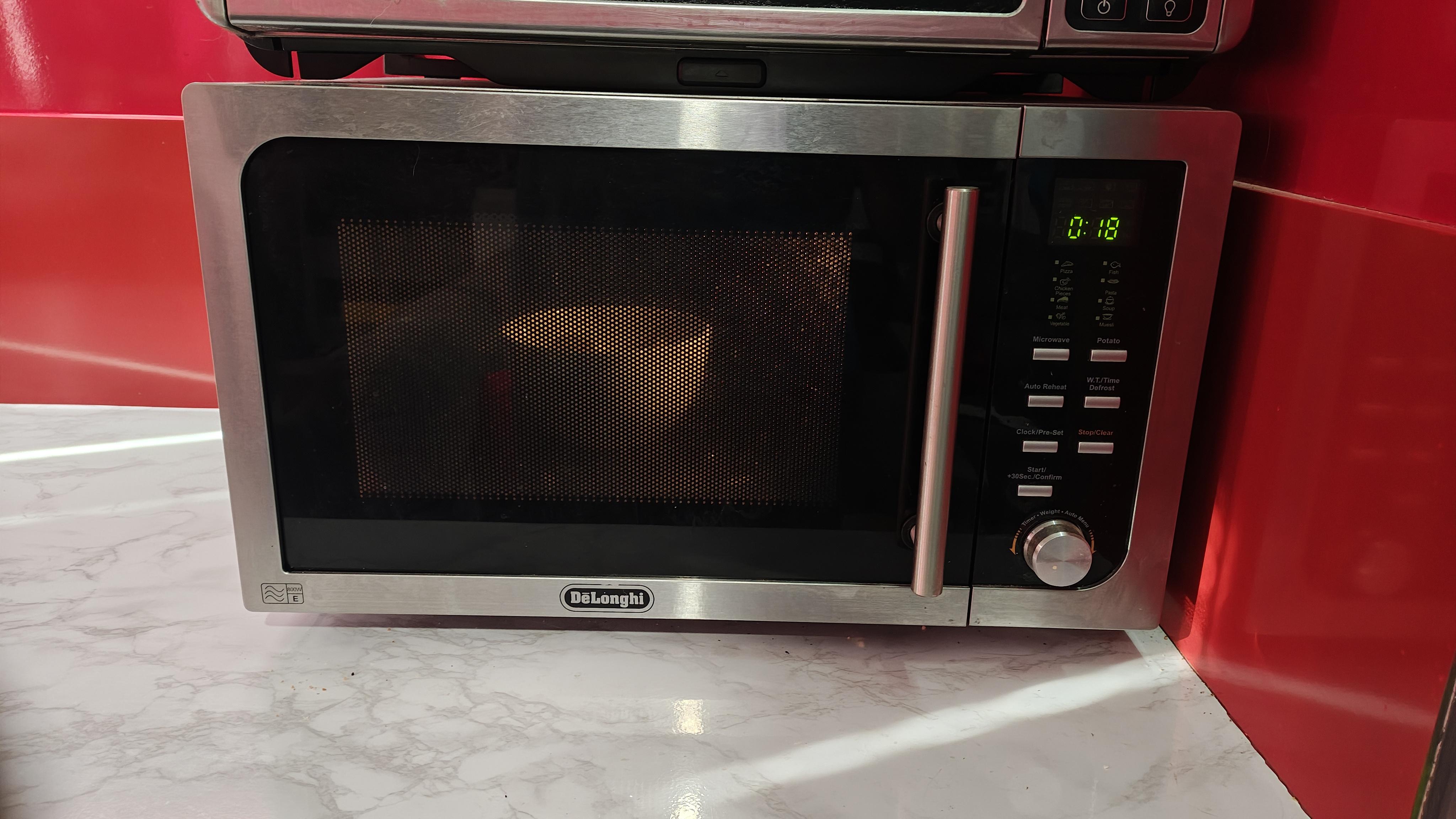
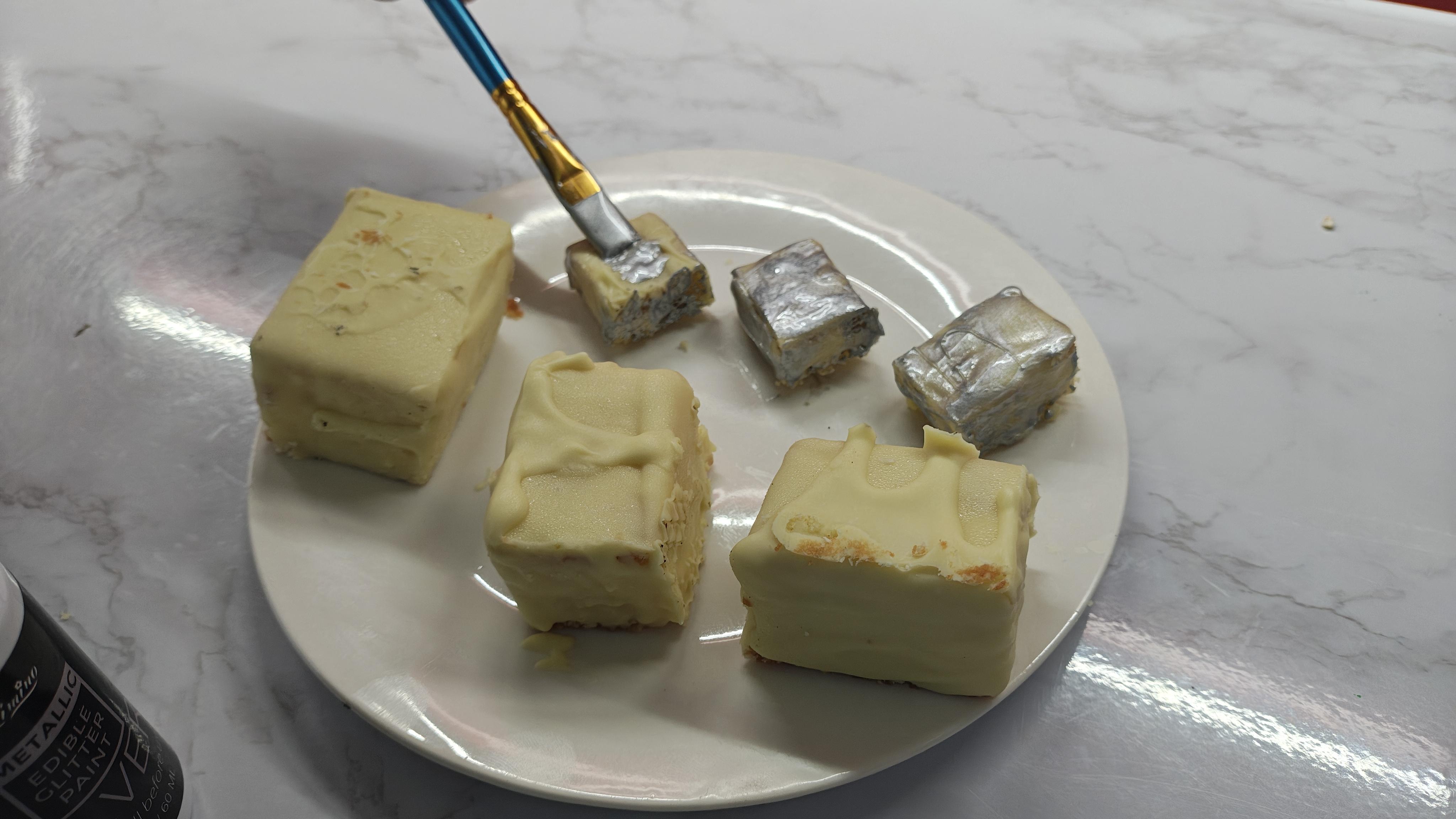
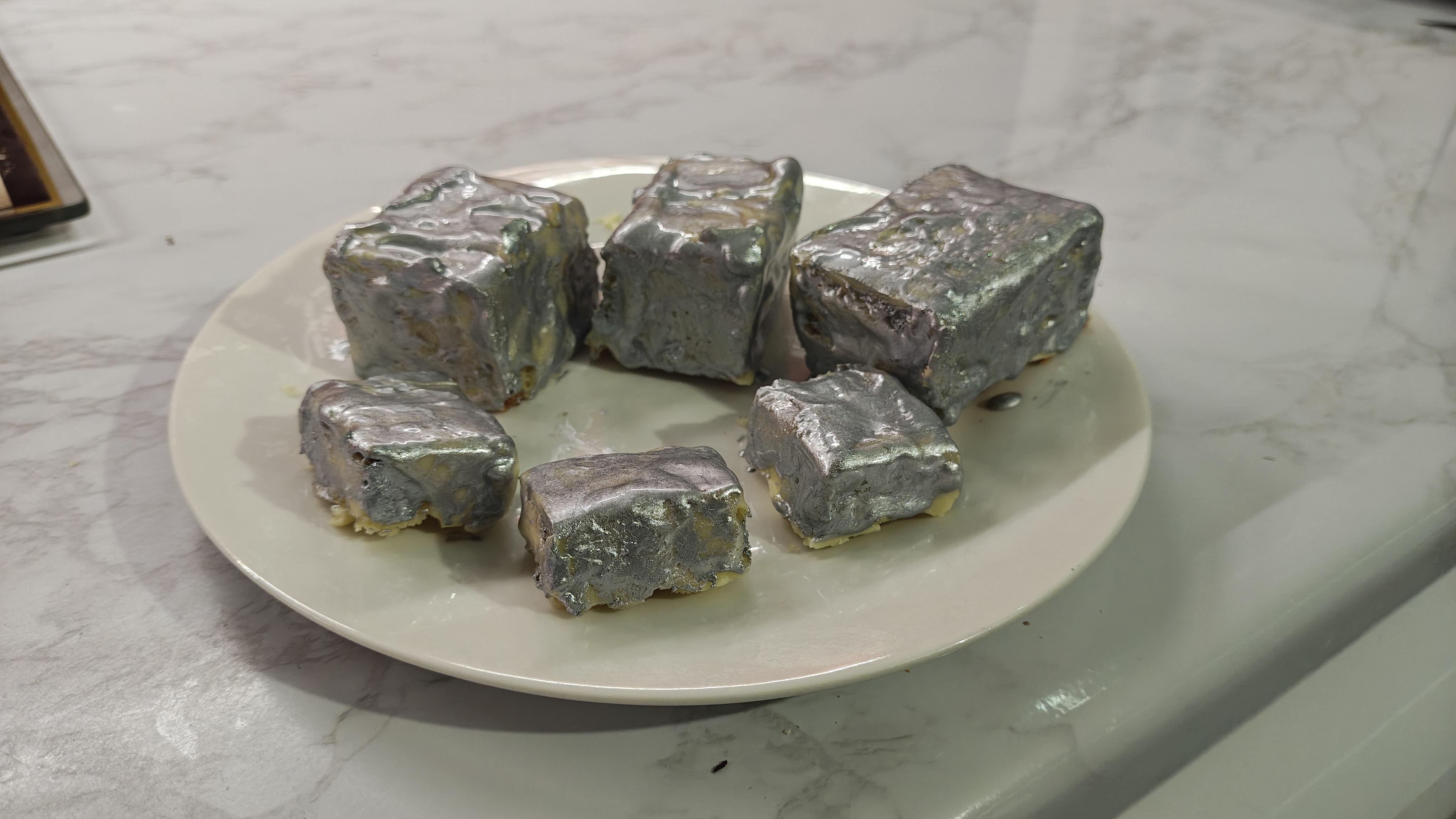
Large Components: Cut the larger components out from the leftover sponge. Break up 200g of white chocolate and pop it in a microwave safe bowl. Heat it for 20 to 30 seconds at a time until almost melted, then remove from the mic and stir well. Place the sponge on a wire rack over a plate covered with greaseproof paper, then pour the chocolate over the sponge pieces using a small spoon covering the top and sides, then leave to set. Once set, paint over the pieces with edible silver paint and leave to dry. When dry, place into position.
IO Pins: Roll out the black fondant, lay out spare pieces of sponge into a rectangle about 3/4 length of the pie, then wrap the sponge in the fondant. Make little indentations with the back of a knife so it looks like square blocks for four pins each. Place onto the pie surface, poke holes through the top with something pointy, cut the Mikado (or similar) into 2cm lengths and insert them into the holes. I only had room for 24 pins instead of the Pi5's 40 pins, but that's cool with me. The paint them them with the silver paint with a small brush.
Small Components: Simply cut out some leftover fondant for the chips/processor, and lay on top of the pie. For the mounting holes, I used a food paint pen lid, pushed it onto the fondant, then placed the little pieces in position. For the camera and display transceivers, I used two KitKat fingers, chopped of the chocolate on each side and mounted them sideways. You can use any wafer biscuit/candy roughly the same size.
Solder Points: Like the LCD sponge, use your fingers and a pair of tweezers and place some silver dragees where you want, and give them a light press so they stay put. Use a edible paint pen for any writing, the logo, and I used a little coloured edible gel pen to make a few tracers. And that's about it. Oh, and the cable connecting the Pi(e) to the display... a length of sugar coated cola lace candy (no, it's now wireless).
Bonus Custard Recipe & Conclusion


Bonus Home Made Custard:
- 200 - 250ml semi-skimmed milk (200ml for thick custard, 250ml for a runnier consistency)
- 2 teaspoons of sugar
- 1 whole egg
- 1/4 teaspoon of vanilla extract
1: Measure the cold milk into a saucepan and add the rest of the ingredients. Mix well until all of the ingredients are thoroughly mixed.
2: Place the pan on a medium heat and stir constantly until the mix comes to the boil and thickens up. Remove from the heat and serve either hot or cold.
Enjoy:
And there we have it. A dessert that looks ready to run your smart home, display your notifications, or run your robotic projects for time to come, but is something that will quickly disappear at dinner time. I hope that my Pi, or should that be pie, will give you the inspiration to give this a go yourself. It doesn't have to be perfect, and you can always tell your guests that it's a prototype. And you don't have to make the LCD cake as you can replace the sponge components for shortbread biscuits for example, but it's a nice and a fun addition.
So thanks for reading, happy making, and baking.