How to Reveal Microwaves Using a Grid of Neon Bulbs
84 Views, 1 Favorites, 0 Comments
How to Reveal Microwaves Using a Grid of Neon Bulbs


This project visualizes an invisible phenomenon — microwave standing waves inside a microwave oven revealed by lighting tiny neon indicator lamps at hot spots. You’ll build a clear acrylic “sensor grid” with lamps arranged on a simple coordinate pattern. When placed in a microwave the lamps glow, revealing the pattern of microwave energy.
We also made a Hanukkah menorah pattern with the lamps to celebrate the holiday with our class at a Jewish day school—an engaging, culturally resonant extension of the core visualization activity.
How It Works (Brief Science)
Microwave ovens produce electromagnetic waves that reflect and form standing wave patterns—alternating regions of strong and weak fields.
Neon lamps can conduct and glow when the local electro-magnetic field is large enough to ionize the neon gas—so glowing lamps map the microwave hot spots.
Safety Notes (Read First)
Metal objects can arc in a microwave. Be sure to cut both wire leads on each neon lamp as short as possible, right near the glass body. This prevents long exposed wires that could cause arcing or sparking inside the microwave.
Keep sessions very short (≤10–15 seconds).
Remove the grid carefully; parts may be warm.
Adult supervision is required. Follow your school’s lab safety rules and the microwave manufacturer’s guidance.
Supplies
Materials
1 clear acrylic (plexiglass) sheet, ~8×10 in (1-2 mm thick) - Amazon.com: Art3d 5-Pack of 12×12" PET/Plexiglass Sheets, Transparent Clear Flexible Plastic Sheet Panels for Craft, Picture Frames, Sign Blank, DIY Display Project : Industrial & Scientific
100 neon indicator lamps (e.g., NE‑2 type, without added resistors) - https://www.amazon.com/Othmro-Pieces-6x16mm-Bright-Indicator/dp/B07WDH47NL/ref=cm_cr_arp_d_product_top?ie=UTF8
Hot glue sticks
Painter’s tape
3–4 acrylic or wooden standoffs/feet (or folded cardboard feet) to raise the grid off the microwave floor
Printed grid template (¼‑inch squares) for layout - https://www.math.kent.edu/~white/graphpaper/two-bold.pdf
Marker for marking lamp locations
Tools
Wire cutter or strong scissors
Hot‑glue gun
Microwave oven (typical home or classroom unit)
Plan the Grid & Prep the Template
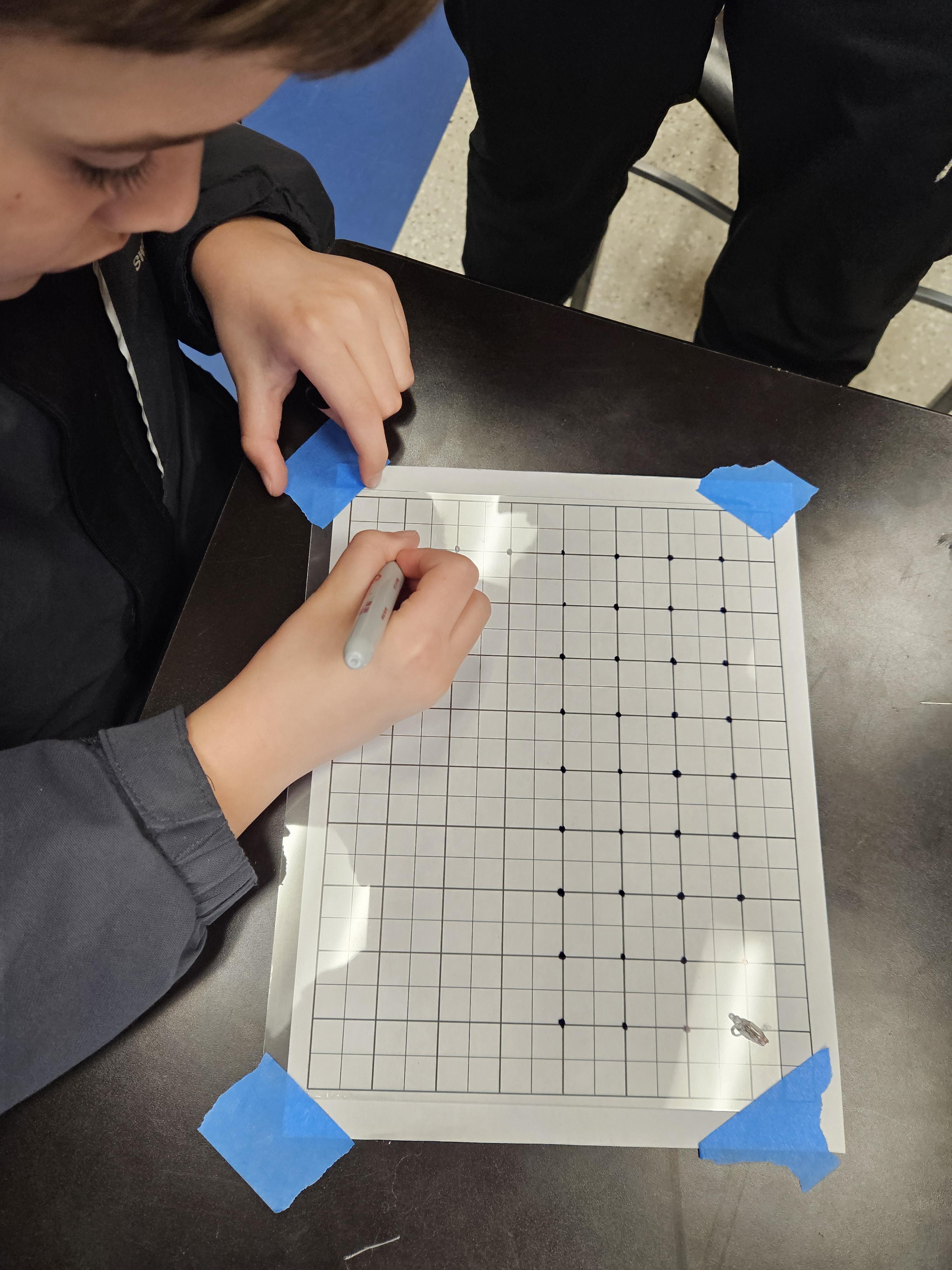
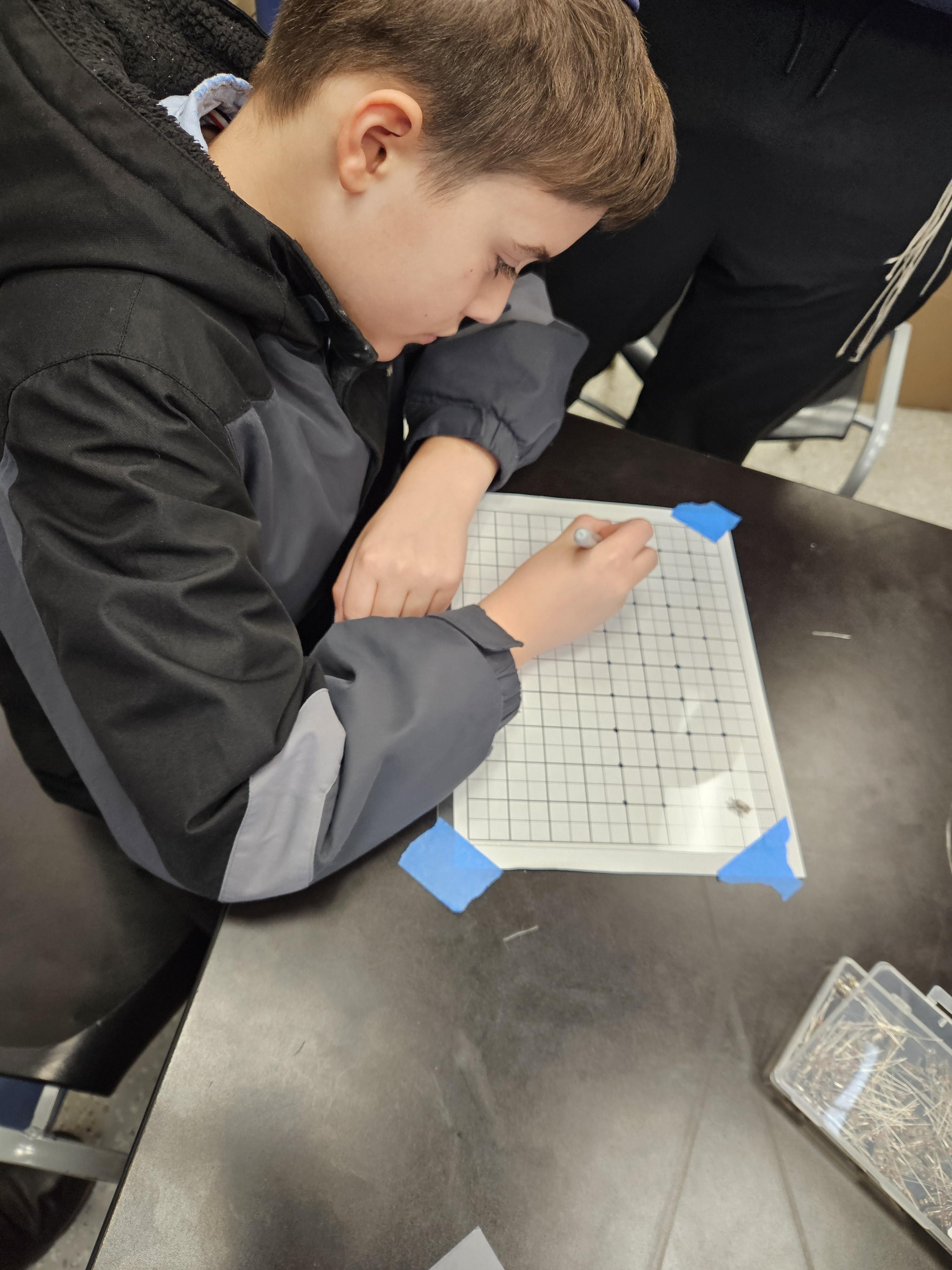
- Print a ¼‑inch grid and tape it to the table. Can be found here: https://www.math.kent.edu/~white/graphpaper/two-bold.pdf
- Tape the acrylic over the paper template to align marks.
- Mark lamp positions lightly on the acrylic with a permanent marker.
Downloads
Trim Neon Lamp Leads (Critical Safety Step)
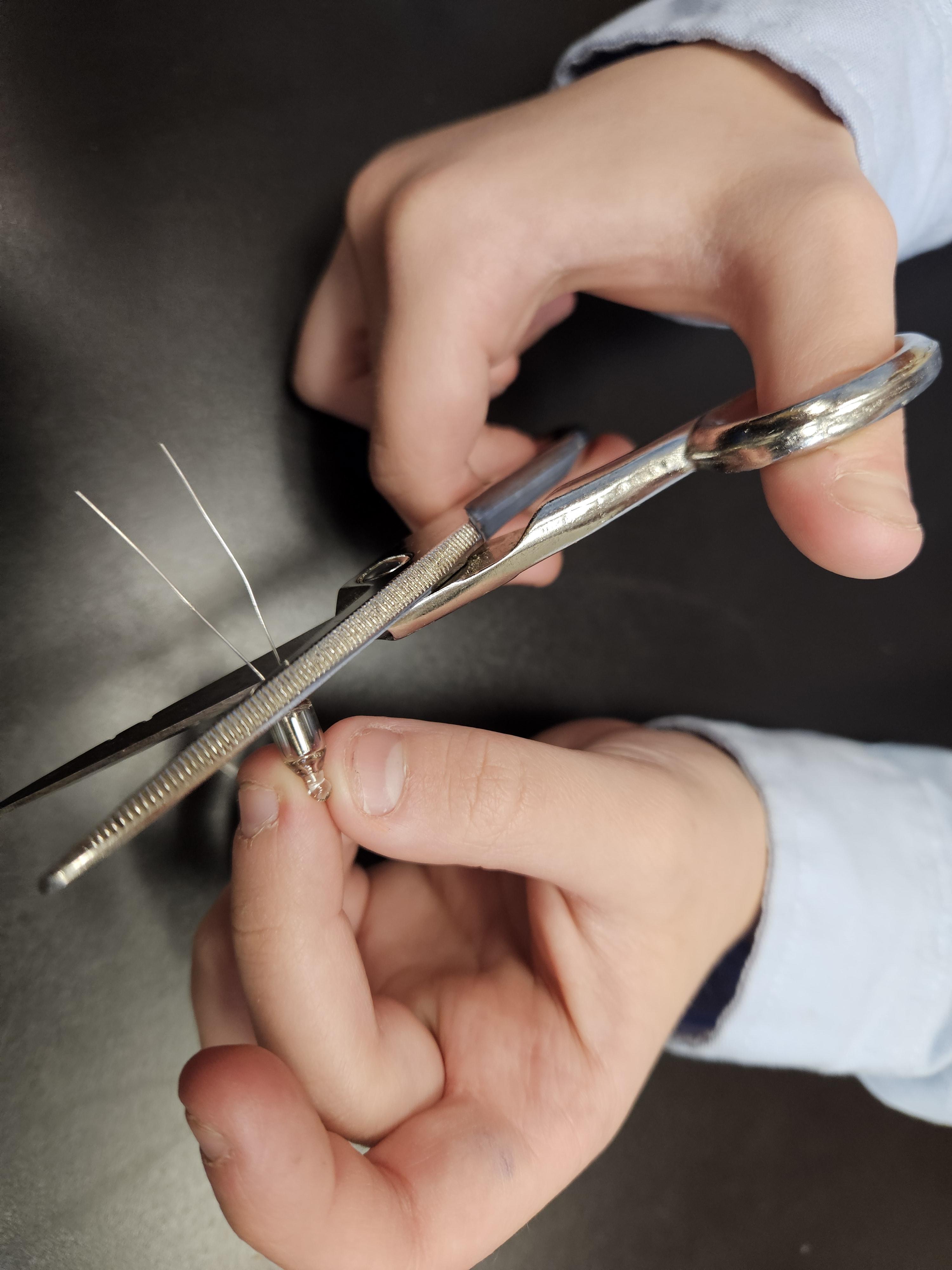
- Using a wire cutter or strong scissors to cut both wire leads on each neon lamp as short as possible, right near the glass body. This prevents long exposed wires that could cause arcing or sparking inside the microwave.
- Use small wire cutters and collect trimmed pieces safely.
- Double-check every lamp before moving to the next step.
Glue Lamps Onto Acrylic


- Heat the hot glue gun.
- Place a small dot of glue at each mark and press a neon lamp (without the wire leads) into the glue.
- Continue row by row.
Add Feet/Standoffs and Test Fit


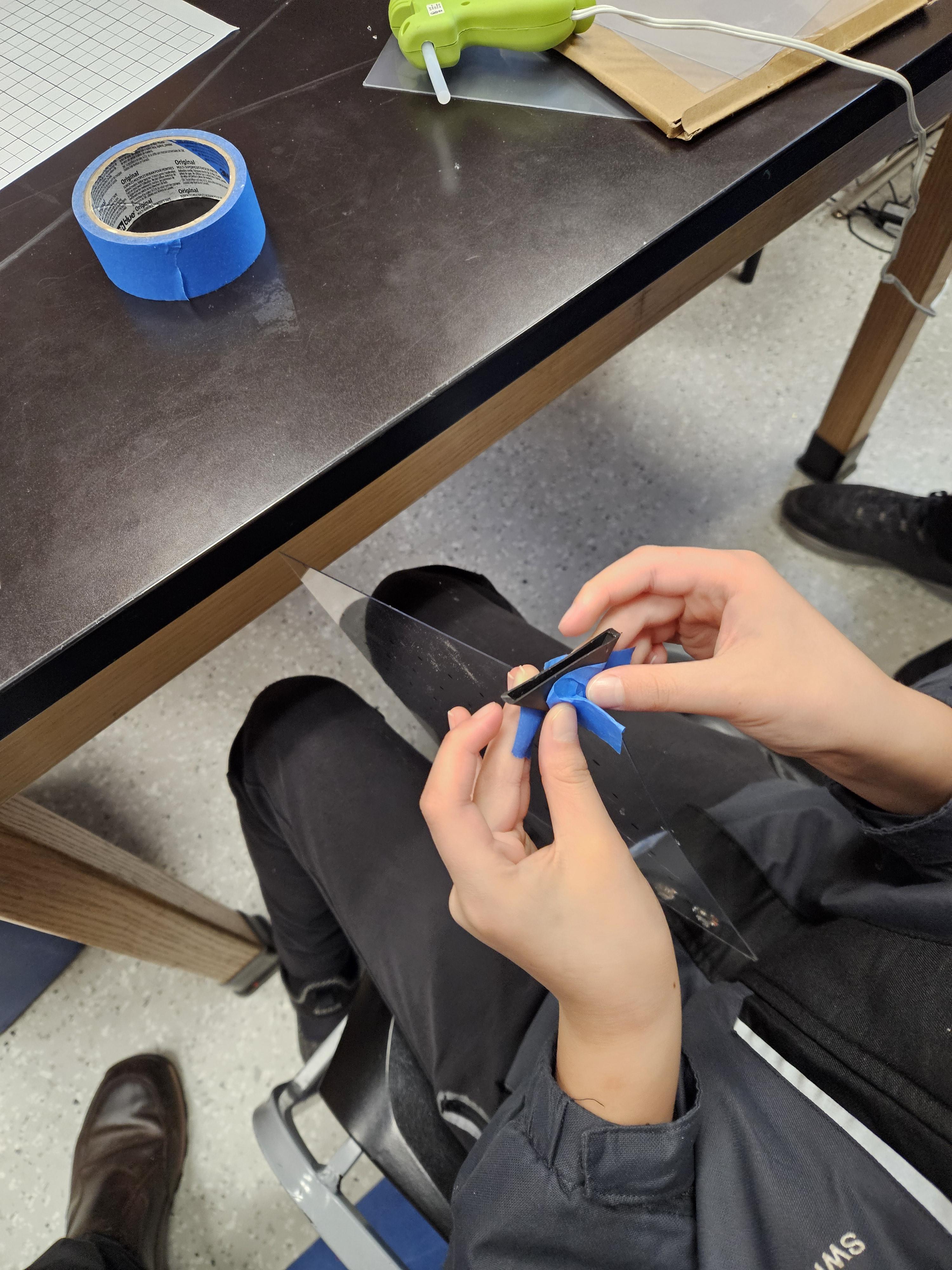
- Glue feet/standoffs so the sheet stands vertically inside the microwave.
- Dry‑fit the grid in the microwave; ensure it doesn’t touch the walls and stands vertically stable. You may tape the bottom edge of the grid to turntable to ensure stability.
Run the Microwave (Short Bursts!)
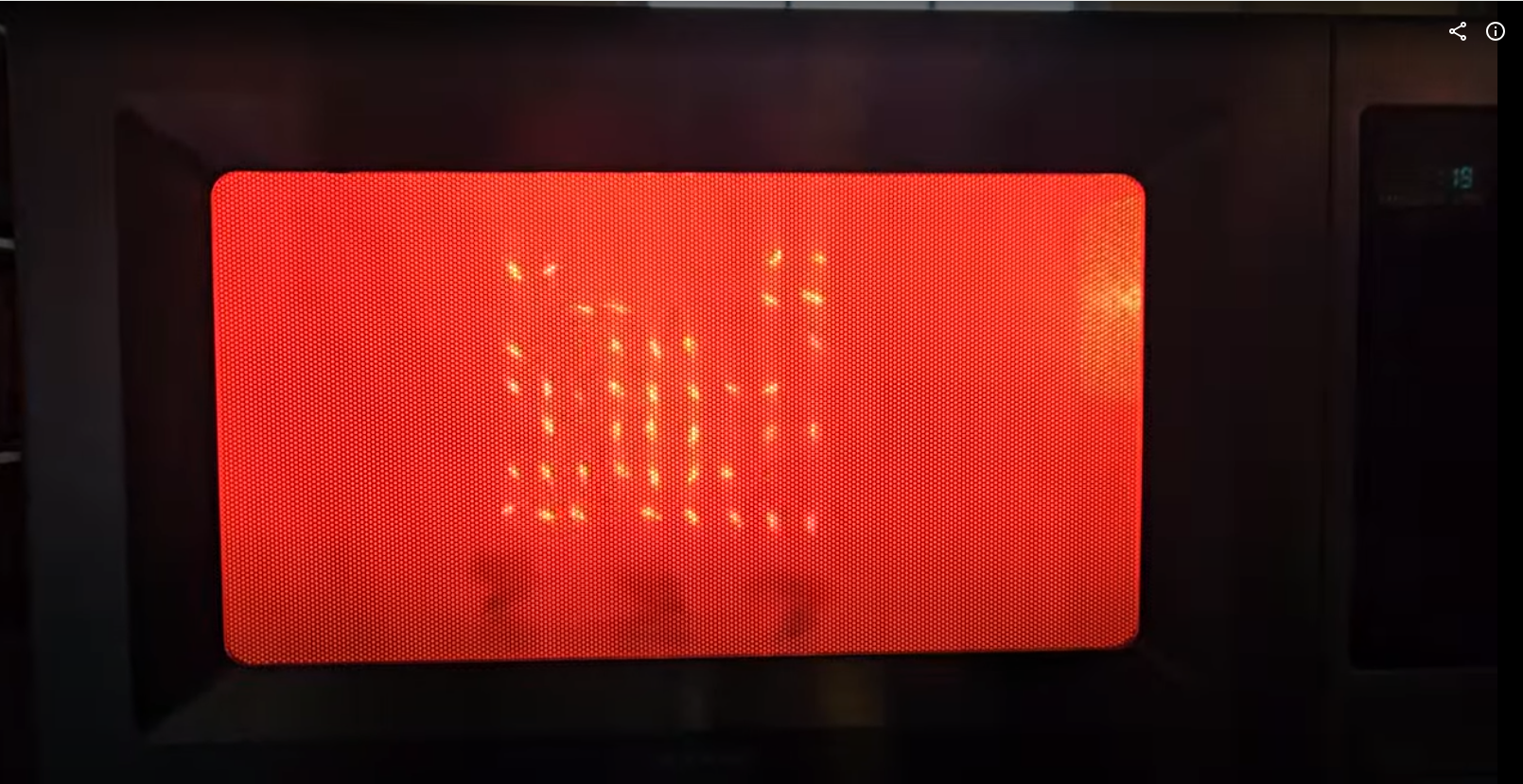
- Once the lamp grid is inserted inside the microwave oven and stabilized on the turntable, close the door.
- Run for 5-10 seconds (maximum 15 seconds); observe lamps that glow.
- Stop and note which lamps lit. Repeat with slightly different positions to compare patterns.
- Optional - place a cup of water in the microwave and notice if there's any change.
Downloads
OPTIONAL - Visualize a Holiday Pattern (Hanukkah Menorah)
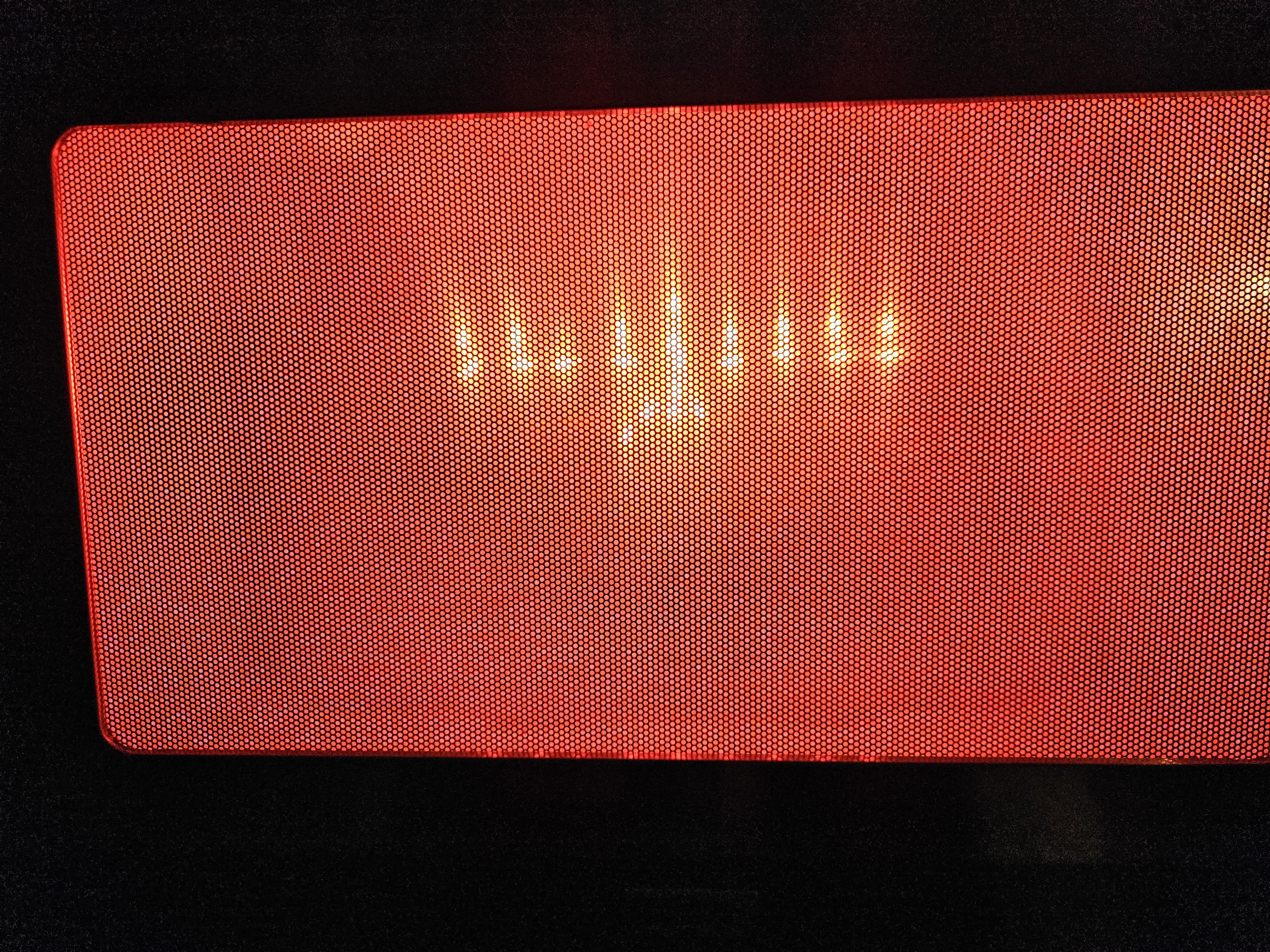
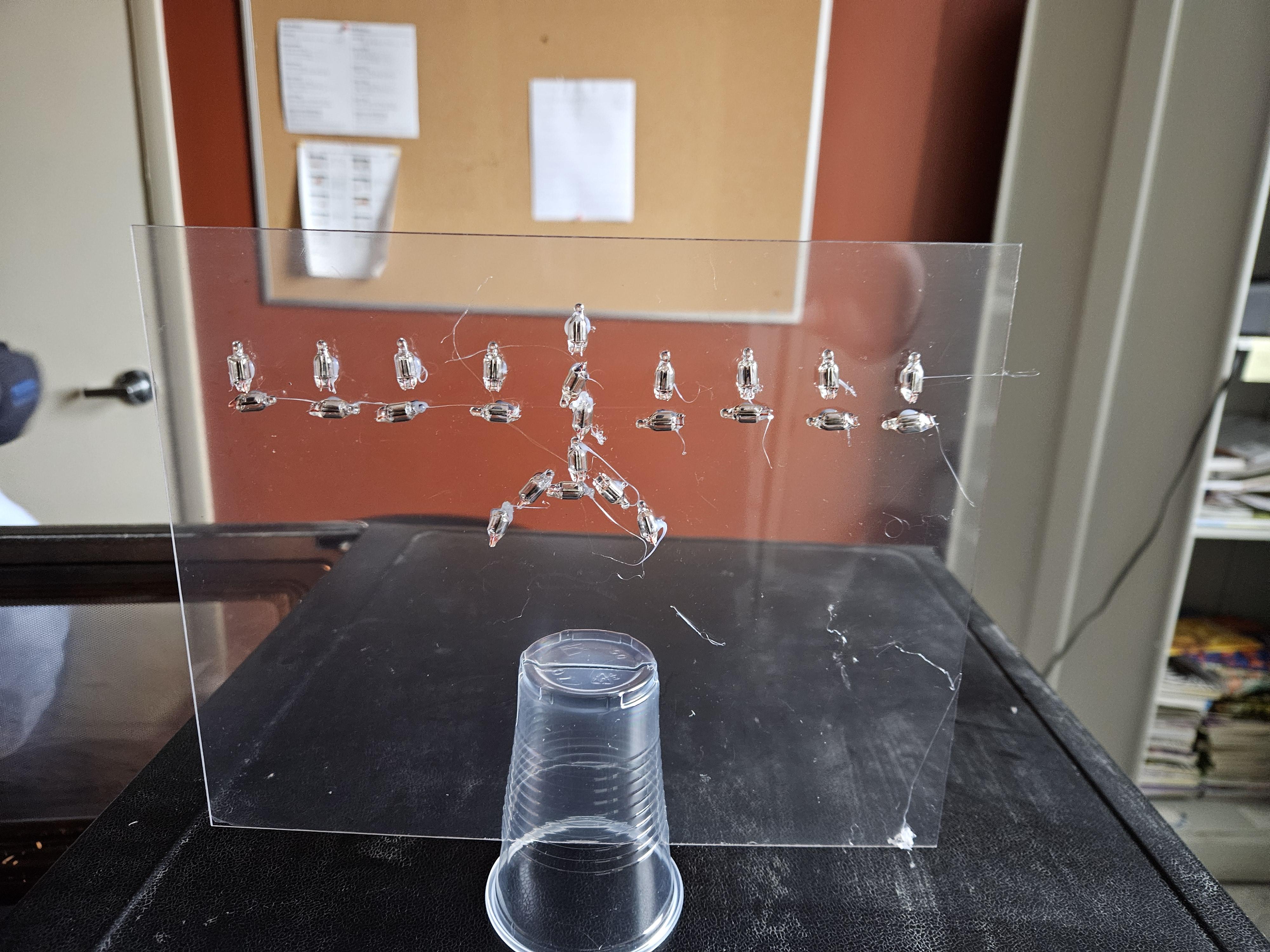
- On a second acrylic sheet lay out a menorah shape with neon lamps (central shamash + eight branches) or any other pattern you like.
- Glue and test in the microwave for brief intervals.
- Enjoy the holiday-themed miniature light show, powered by microwaves.