Invisible Made Visible Only to You: Polaroid Glasses
by Rustic in Living > Education
106 Views, 2 Favorites, 0 Comments
Invisible Made Visible Only to You: Polaroid Glasses
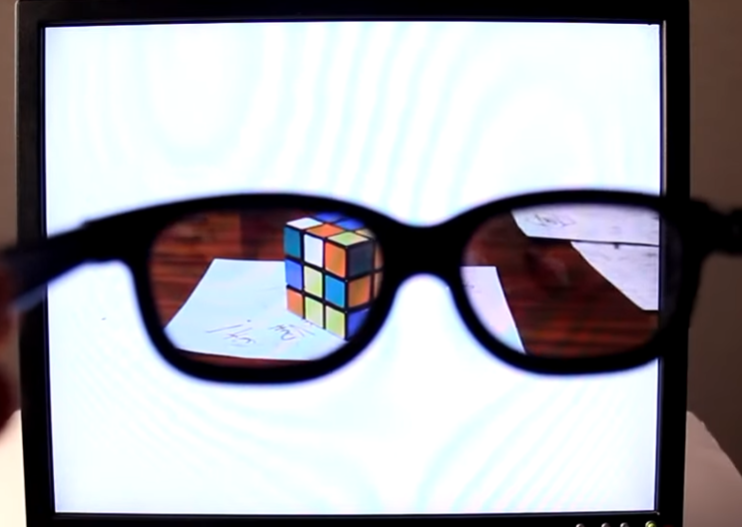
Is there anything that would allow your computer screen to hold secret messages right out in front of you?
Wouldn't it be cool to have everyone else see a blank screen, while you can still see everything on the screen as though nothing was wrong?
This project uses an LCD monitor (the type most people use) as a private "invisible" display by simply placing a thin sheet of plastic between the monitor's screen and the viewer's eyes (and a pair of special glasses). This is done without any passwords or software; just pure physics.
Here in this Instructable, I'll will show you how to make an invisible property of light (called polarization), apparent, interactive and, frankly, funny. At the end you will have a screen that appears to be non-functional to all others, yet completely functional to you. Giving unrivaled privacy, at the small cost of perhaps looking a little insane to any passersby seeing you work on a seemingly broken computer.
Supplies
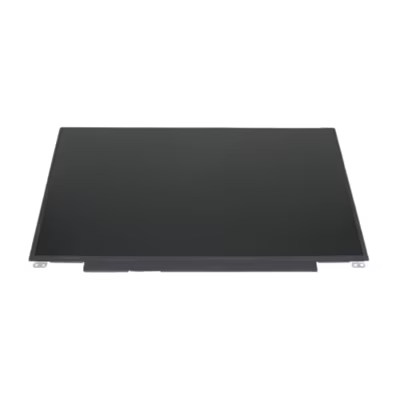
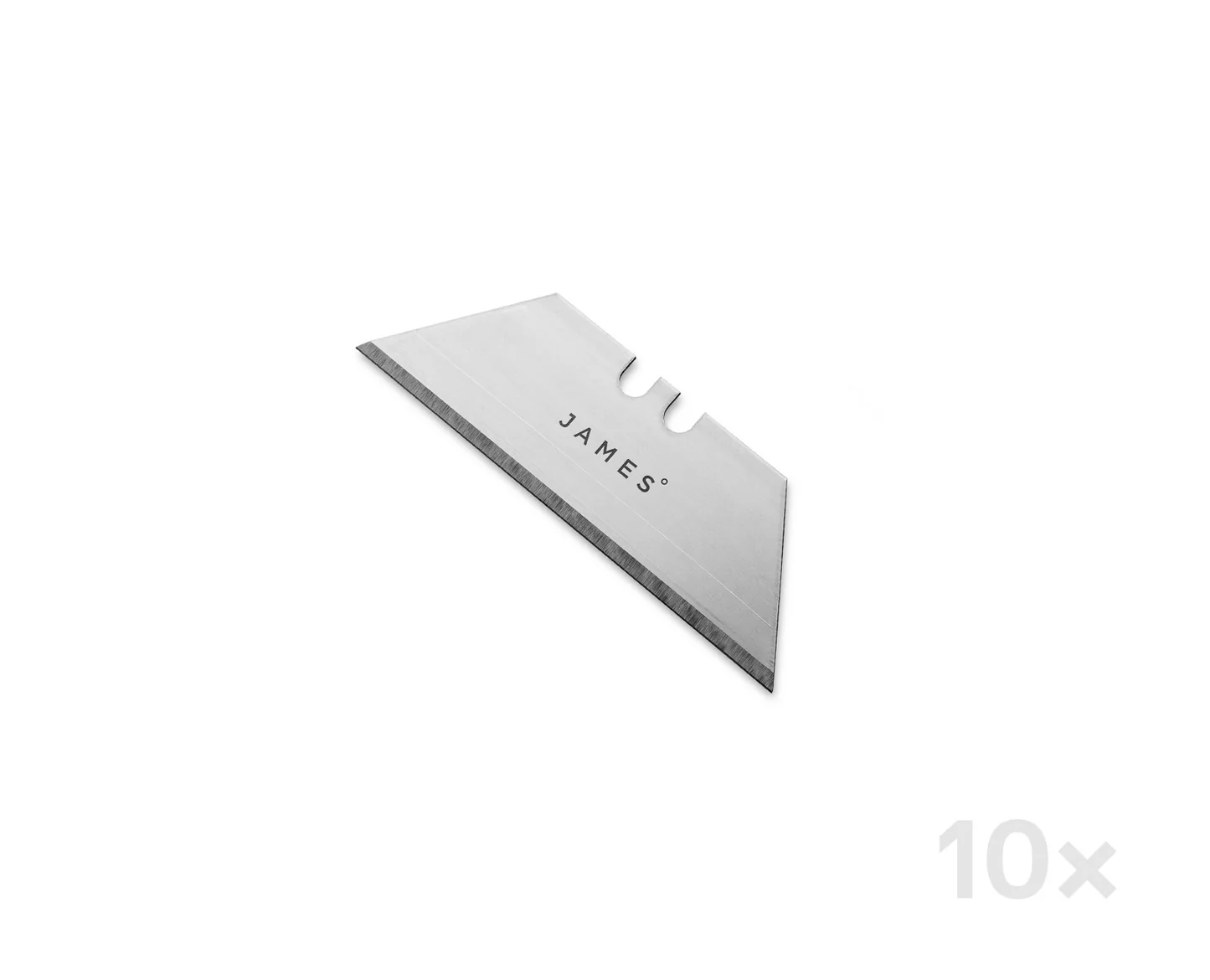
You’ll need:
- An old LCD screen (monitor, calculator, clock, not OLED!)
- A flathead screwdriver or plastic pry tool
- A razor blade or utility knife
- Clear safety glasses or empty eyeglass frames
- Tape or clear adhesive
- A little patience (and curiosity)
DISCLAIMER: This is a one way modification. Use something you don’t mind sacrificing.
The Polarizer
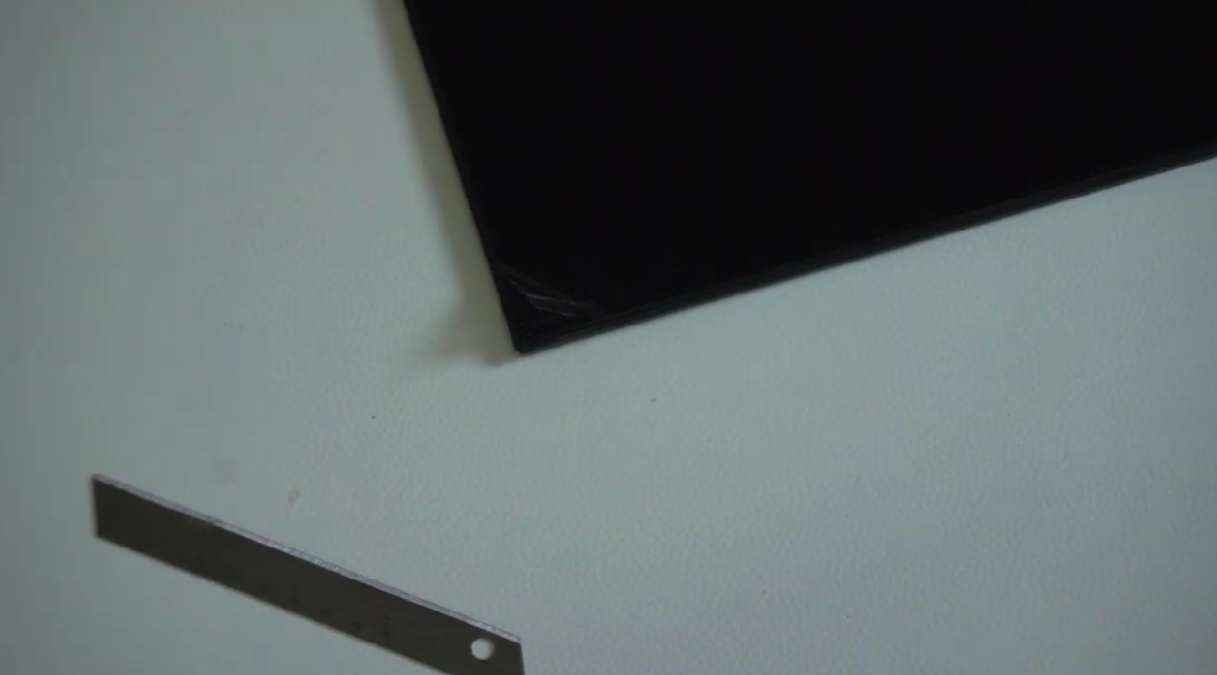
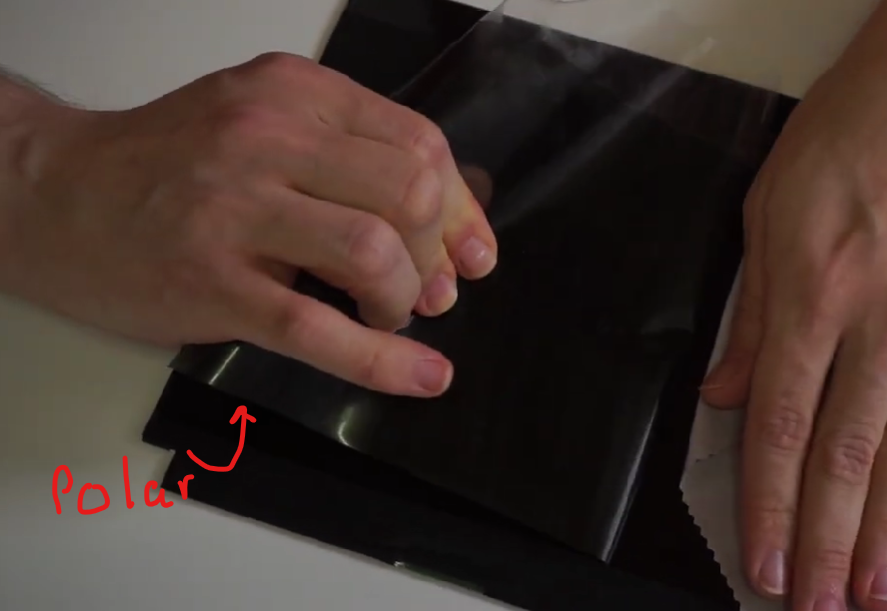
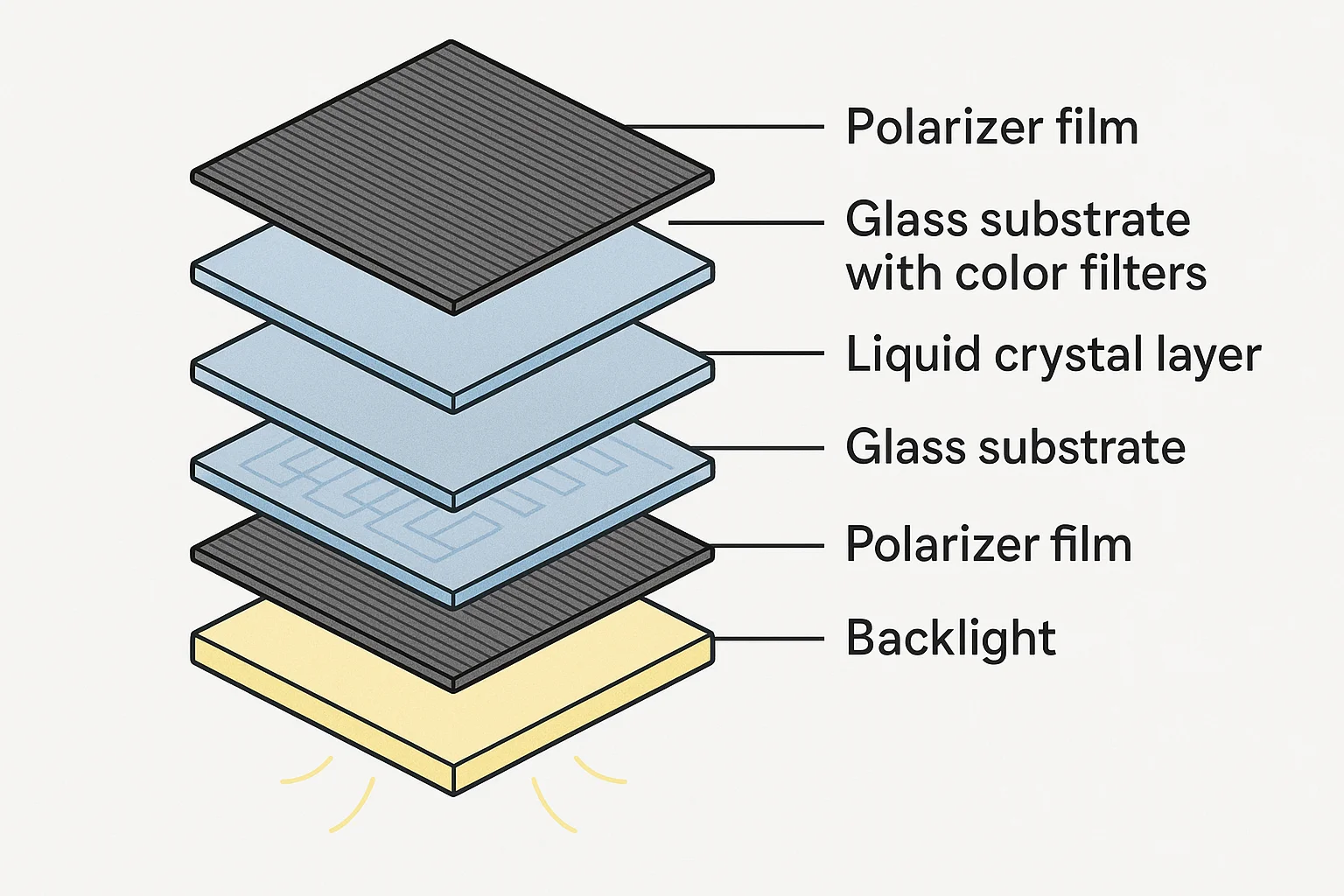
This is likely the most critical part of this entire project; therefore, please allow yourself sufficient time. At this stage, you will be carefully removing the polarizing film from an older LCD screen without ripping it, or in turn damaging the panel below it.
Choose an older LCD monitor, laptop screen, calculator, or digital clock. Larger screens are also easier to work with. Phones, tablets, and OLED screens though should be avoided since they are laminated in different ways and will not perform well here as well as a pricer sacrifice.
Plastic pry tools, or an old gift card to open the casing without scratching, may be required. A small precision screwdriver set can help to remove the bezel screws. A new razor blade or utility knife is necessary to pull the film away cleanly; dull razors and knives tend to tear the polarizer.
Isopropyl alcohol (at least 90%) can be used to soften the adhesive. A hair dryer is also helpful in heating the film to make removal easier. A piece of thin plastic or transparency may assist you in separating the adhesive evenly as you peel the film. Tweezers, microfiber cloths, paper towels, and optional gloves can all contribute to making this process cleaner and less difficult.
Completely unplug the screen and disassemble the casing, but do so slowly. After exposing the LCD panel, look for a thin, somewhat tinted layer of plastic on the front of the screen. This is the polarizer.
Use the razor blade to lightly pick up one corner of the film - just enough to get a grip. Once you've got a corner lifted off, stop using the blade. Apply some heat to the area with a hair dryer and a little bit of alcohol along the separation line.
Slowly begin to peel the film away at a shallow angle, nearly parallel to the screen. If you encounter resistance while peeling, pause, add some heat with the hair dryer, and try again. As you're peeling, it's helpful to slide a thin plastic sheet underneath the film to keep it from tearing.
After finishing, you'll have a large sheet of intact polarizing film, and a screen that still works - although it appears to be working incorrectly.
A Screen No More
.jpg)
After the polarizing film has been removed, you need to switch the monitor back on.
Initially, the display looks like you have done an error. The display continues to glow with light and respond to movement, however, all the crispness is lost. Text appears as hazy shapes and images become hazy blurs of pastel shades. It seems like the display is attempting to convey some message; however, cannot seem to find the right words to do so.
This is the pivotal point in this project since nothing is wrong with the display.
The display is still creating light. The liquid crystals within the display are still twisting (or manipulating) that light. The data exists; however, the last component that transforms those light manipulations into visual data that your eyes can comprehend is missing.
LCD displays do not generate images by either turning individual pixels on or off. LCDs generate images based on manipulating the movement of light. Light from the rear of the screen is typically forced to vibrate in one direction by passing through a polarizing filter before it enters the liquid crystals. The liquid crystals then twist that light to varying degrees. A second polarizing filter then determines which light waves are allowed to pass through and which are blocked. This process creates contrast, shape, and readable text.
Once you remove the polarizing film, although the liquid crystals continue to twist the light; however, your eyes can no longer interpret these twists. Without a polarizer, the carefully controlled movements of light are jumbled and appear to be nothing other than a glowing haze to your eyes.
This is what invisible physics look like when the interpreter for that physics disappears.
Making It Visible
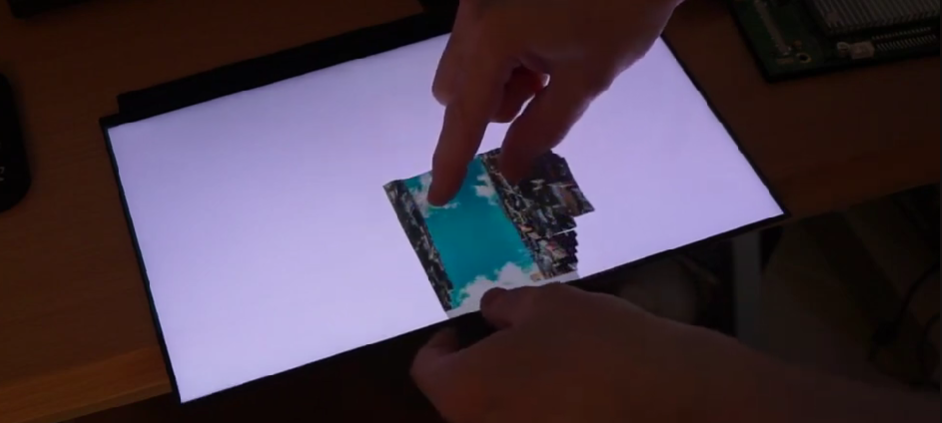
Take the polarized film you pulled out and put it back up in front of the screen.
Slowly turn it until the picture comes into focus at some point. Letters will be sharp and Images will appear only in the parts of the screen seen with the filter. The effect is as if you flipped a switch; however, you did not alter the display's brightness or contrast.
You altered what wavelengths of light were able to get through your eyes.
When the film is positioned so that it only allows light that has been bent (twisted) by the liquid crystals to pass through, you can see the image. When the film is turned so that it does not allow this light to pass through, the image will disappear.
Something that was invisible is now visible. The visibility of the image is based upon the direction the light is coming from and not how bright the light is. The image itself is never turned off. The data is never lost. The image is simply unreadable with the incorrect filter.
In this instance, the concept of polarization ceases to be abstract, and you can physically feel it in your hands without the need for any complicated or expensive lab materials besides a sacrificial device.
Turning It Into Wearable Vision
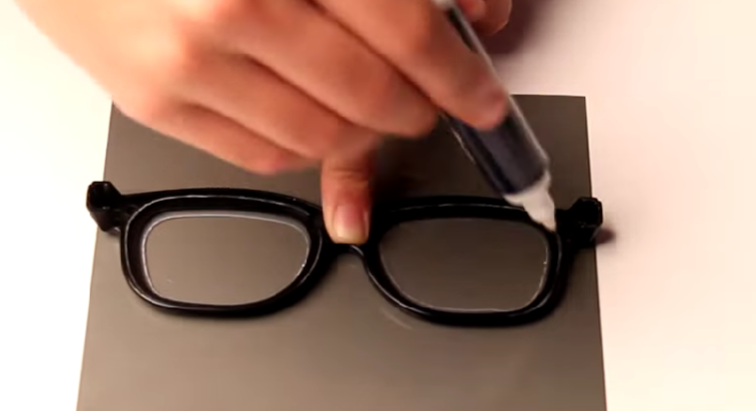
You have now proven that the screen image will appear when a person views the screen with the right polarizing sheet. Now it is time to make the effect permanent for each individual.
Place the polarizing sheet over one lens of your glasses. Where you place the sheet (the direction) is important, do not glue it onto the glass yet. View the screen through the film and slowly turn the film until the screen appears as clearly as possible. The screen will appear as clearly as possible when aligned the same way you were able to view the screen in the previous step; however, you are locking it into position.
After the screen is clearly visible, secure the film flat to the lens using tape or another fastening method after cutting to fit. Ensure the film is even, and smooth to prevent distortion from unevenness of the surface. Place the glasses on your eyes and look at the screen once more.
The results should be instantaneous and bizarre; you will see the screen normally, while others will continue to see nothing (a "blank" screen), the screen may appear "fogged", or the screen may appear damaged/broken. The screen itself has not changed; only who can properly align their glasses with the filter has changed.
By this point, the invisible physics of polarization have been made wearable.
Testing
Have someone nearby read the screen. Have them lean in close to the screen, have them squint at it as much as possible; they still won't understand what is being displayed.
Hand them the glasses now.
Generally, there is an immediate reaction when handing someone the glasses who has been unable to see the screen.
As soon as they are handed the glasses, the screen suddenly appears to work again.
Put the glasses back on your own face and slowly tilt your head 90°. As you do this, the image will either fade away completely or simply disappear. When you slowly tilt your head back up, the image will return to normal.
Polarization is directional. Therefore, when you turn your head, you are turning the filter with respect to the direction of the light that is coming from the screen. At the wrong angle, the light is blocked by the filter. At the correct angle, the light can pass through the filter.
This experience is significant because it gives the user a tangible example of how visibility is not fixed. Instead, it is dependent upon conditions that can be manipulated & curated to any advantage. Far beyond this at home project. (A very strong takeaway I believe.)
The Lasting Impact
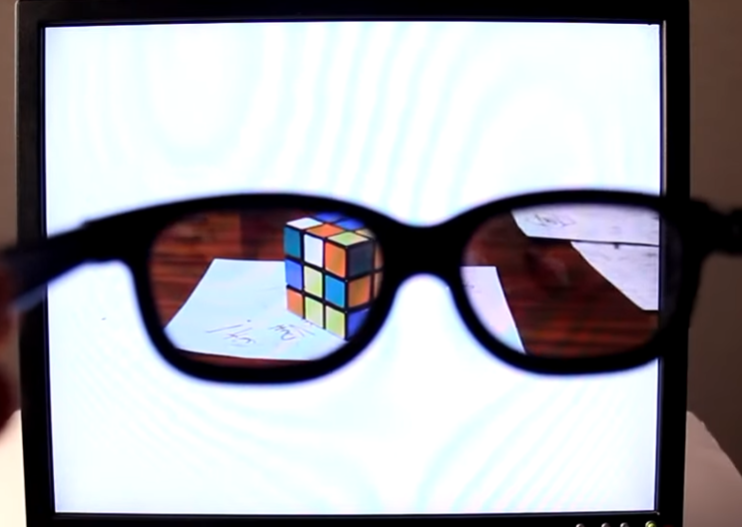
Light is not just present when we see it; this project shows that the mere presence of light does not mean we see it.
We know the screen produces the same amount of light at all times. We also know the same pixels are changing and the same information is being produced. The only thing that differs is how the light from the screen is being oriented so our eyes can understand it.
Because humans do not have sensory receptors (photoreceptors) to detect the orientation of light waves (polarization), we cannot normally perceive polarization. Humans' eyes can only detect brightness and color. When you remove and then put back on the polarizing filter, you're giving us a chance to experience how the orientation of light affects what we can or cannot see and, by extension, experience how much orientation really matters.
By allowing us to visually observe how the orientation of light waves (or polarization) can be a "rule" rather than an invisible property, we turn a characteristic that has been "invisible" to us into a characteristic that we can now "see". And thereby, unlock a new field to be manipulated at the whims of human ingenuity.