Magnetic Glitter-jar - Visualizing Magnetic Fields and Pretty Displays!
by Sheldowned in Craft > Mason Jars
30 Views, 0 Favorites, 0 Comments
Magnetic Glitter-jar - Visualizing Magnetic Fields and Pretty Displays!
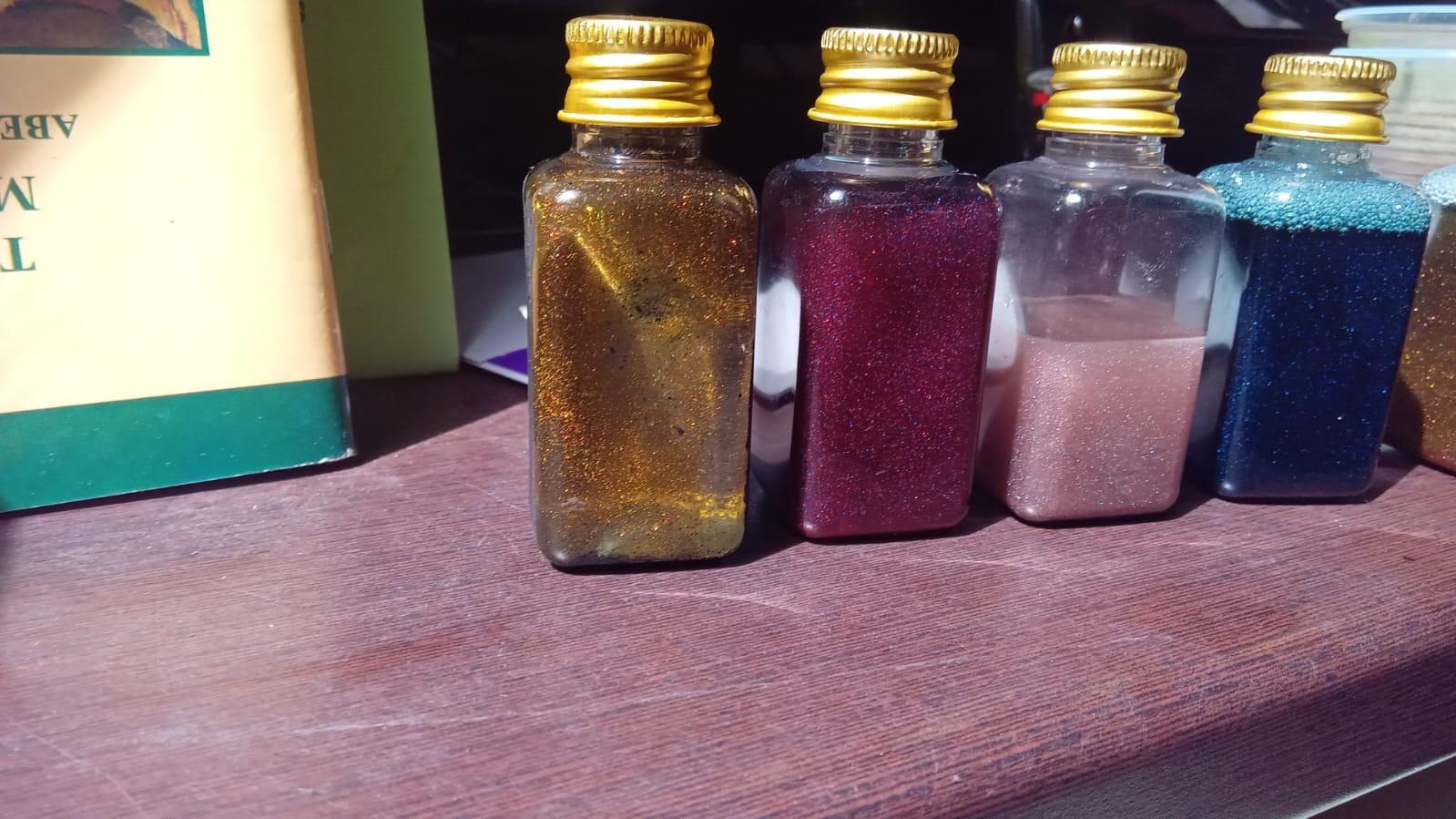
After a few years of fascination towards Kinetic Sculptures and any kind of decoration that morphs - I.E Lava Lamps - I've come across a certain fashion that seems to be trending: magnetic nail glitter (or Magnetic Mica). Often seen with the trademark name Cateye Powder, these are glamorous powders that can be moved with magnets, creating dashing results (namely, organized shimmer). It can even generate 3D holographic masterpieces in the hands of a skilled nail technician, so here I thought about something: how about suspending this concoction in a fluid and have it be moved by magnetic fields? Since this powder is now created at bulk from factories in China, it's quite easy to find a good bargain. Also, it is a brilliant way of introducing kids to magnetism - you can literally SEE the fields, with shimmer!
As low tech and low cost as this project seems, it is still quite pretty and I believe worth of some research. I will detail here some of the applications I've found, supplies needed, and plans on how to send this easy craft into another level!
WARNING: this project deals with very fine electromagnetically charged particles. Just to be safe, wear masks appropriate for very fine particles and make sure to be in a well ventilated area. Since this powder is electromagnetic, I would consider being well away from computers, cellphones and other electric equipment since it could result in malfunction.
Supplies
.jpeg)
- Magnetic Nail Powder. I do believe that Cateye Nail Gel can be used, as long as you know how to dissolve the powder back into a liquid fraction. Buying powder in bulk seems cheaper and more versatile than polish/gel, but you do you.
- Plastic/anti-static equipment for measuring and transporting the powder. Metal utensils may be harder to remove the powder, but can be used.
- Container for the pretty display. Can be small vessels, but try to clean the interior with soap before using. Just to be safe.
- Optional: ink/dye soluble in your fluid of choice. Darker colours create a more dashing display between Saturated and Unsaturated areas, but may affect visibility. Try to use colours that do not blend or mix with the powder colour, otherwise you will have red that shines red: not impressive.
- Fluid of your choice (I've used Water, Mineral Oil and Cooking Canolla Oil. The powder seems to be both hydrophobic and hydrophilic, as long as you thoroughly mix it with the fluid. You can have Oil and Water mixed powders to create a stunning two phase concoction, but you will run with trouble such as the powder adhering to the walls).
- Magnets: household magnets can be used, but these will only be effective with Water-based fluids. Stronger magnets for Cateye Nail Technicians can be bought online and are stronger, and not at all that costly.
- Viewing platform: In case you desire to hide the magnet and have the shimmer seem to move by itself, you can use cheap boxes to house a hidden moving system with the magnet attached.
Vessel
You can use any vessel to hold the concoction, but I suggest thin plastic walls since we desire the electromagnetic field to reach the fluid and alter the powders alignment. Also, smaller containers will require less use of powder but that can be mitigated with buying more.
Try to clean the vessel's interior with soap to remove any oil or other residues left by the manufacturer. Just remember to rinse thoroughly to avoid too much soap, it can adversely affect the display (I've even had powder fall out of Mineral Oil solution once).
If you so desire, you can paint some of the walls to remove influence from lightning, in case you wish to better display the magnetic field. But I've found that Acrylic Paint seems to create some electrostatic charge that, in time, makes powder fall out of solution and glue to the vessel's walls. I've yet to come with a way of reducing this issue.
Fluid
Basically, you want to envision your necessity beforehand as to plan a fluid better suited for your purposes. I've come with 3 use cases:
Show effect of magnetic field on the fluid/powder mixture. You can create a hydrophobic or hydrophilic solutions, but Water-based fluids tend to settle quicker and require more shaking whereas Mineral Oil-based is more suited for long term visualization since the powder is kept floating for a higher amount of time, but the high viscosity means you will require stronger magnets to counter it's higher inertia.
If your container has a narrow bottleneck, pour the powder before the fluid to reduce the amount of cleaning afterwards.
You can create a biphasic fluid with both hydrophobic and hydrophilic fluids, but remember that it creates patches of insoluble powder that will adhere to the walls and be extremely hard to remove. Also, this will diminish the glimmer and you could surely replace the powder with cheaper MICA powder.
Mix the Powder With the Fluid

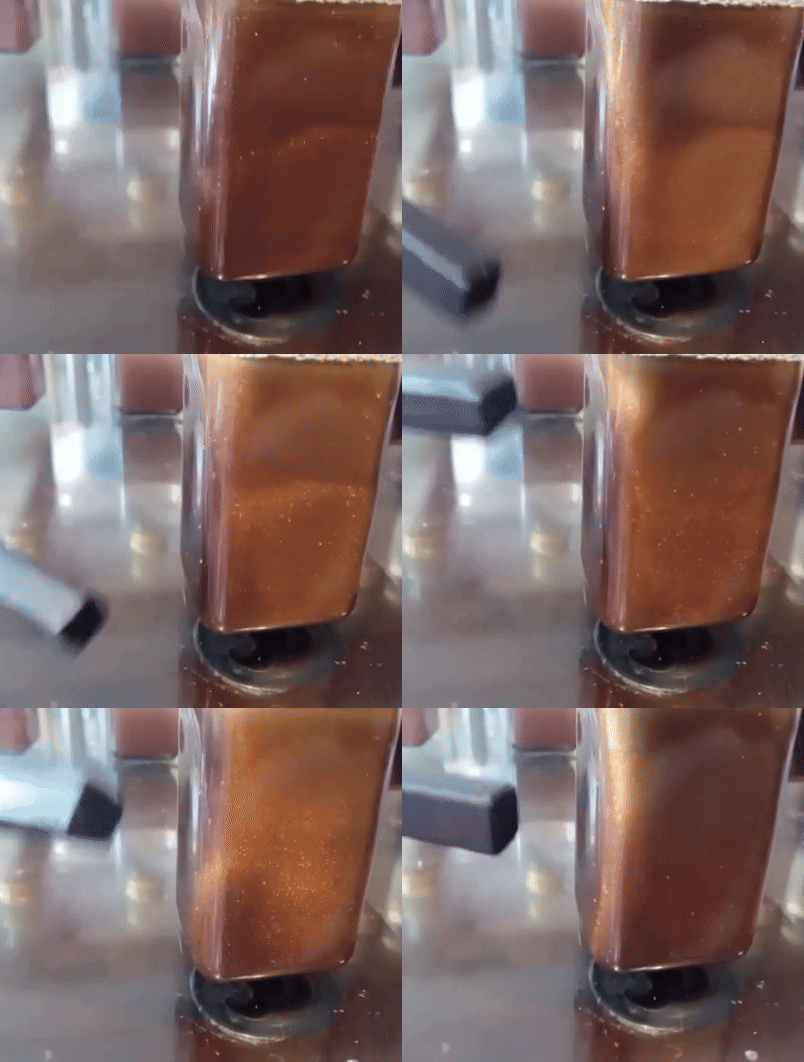
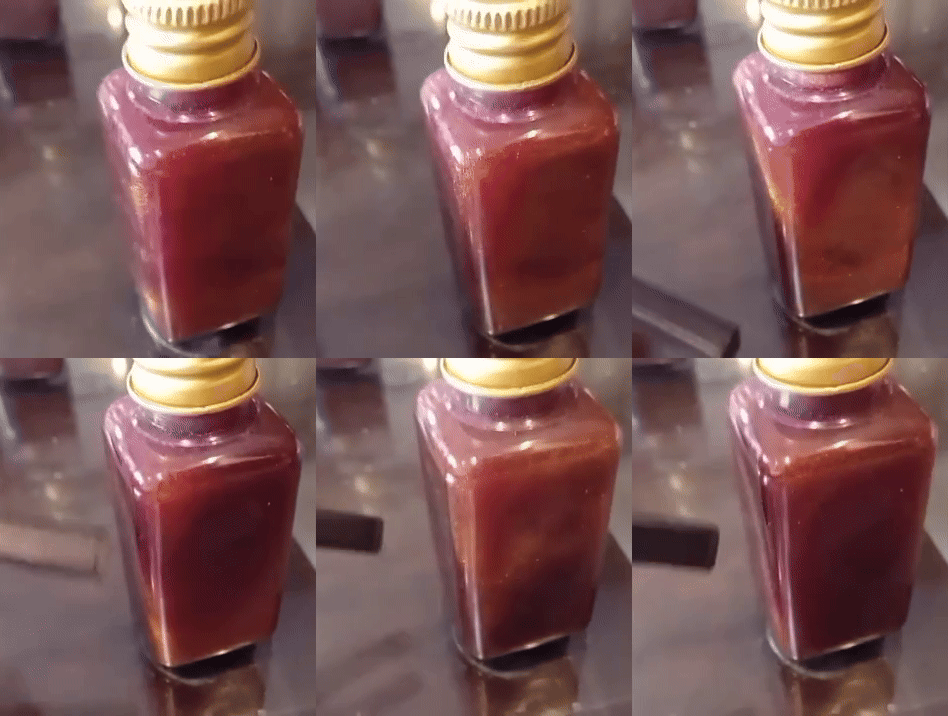
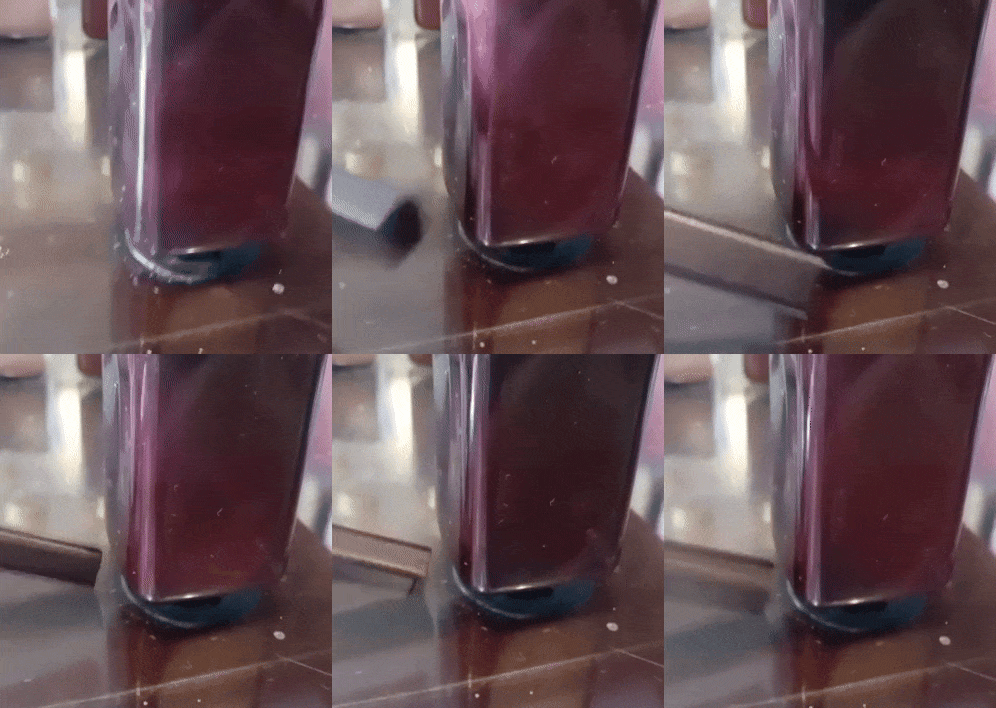

This step is quite easy: just mix the powder with the chosen fluid. It will be Hydrophobic or Hydrophilic depending on the fluids characteristics. Also, you can alter the fluid based on your intentions: dark mixable dyes/inks could be used to increase the contrast between higher density and lower density powder areas (basically increasing visibility of the magnetic field). I.E: adding black dye to golden powder. However, the darker the mixture gets the more indirect illumination it will require to be seen properly, although it is hard to argue with the results (the blue powder mixture seems AMAZING in real life, but the camera cannot see much... perhaps someone with limited vision would also believe this effect to be less impressive).
Adding Soap to reduce the effects of biphasic insoluble powder adhering to the walls, to no avail. It seems to even be worse, so I do not currently recommend mixing phases.
Shake vigorously and your powder should be mixed with the fluid. Since this powder is quite heavy it does not completely dissolve into the solution, meaning that it will always have a propensity to sink to the bottom. High viscosity fluids have greater resilience to this (Mineral Oil), but require stronger magnets.
Magnets and Hidden Display


After closing your vessel with the fluid and powder mixed, just stir to allow the powder to permeate all of the fluid. In this state, you can move magnets around the container and visualize the effect of the magnet's magnetic field on the shimmer: areas full of field-lines will be brighter while areas lacking will be devoid of powder and, thus, be transparent (or the colour of the ink you used, which is why darker colours generate better contrast). By moving the magnet around, you can directly see its effect on the mixture.
In case you desire to create a decoration that seems to move by itself, you can create some sort of display with a magnet and a hidden mechanism to move it. By using a thin cardboard box I had around, a gear I've salvaged from a device, some sewing line and tape, I've managed to assemble a low cost box that can have a magnet be moved by hand, but I'm certain that any crafter with higher skill could create a better mechanism than this one.
Improvement Ideas and Failed Tests


Since I still lack a proper Maker Tools and a shed, I'm limited in both budget and craftsmanship. But there are a few points that are worth noting that I am sure a Tinker could improve upon:
1: With a 3D printer, electronics and some tinkering, proper mechanisms can be created to turn this invention into some kind of Kinetic Moving Statue, since all you need is a changing magnetic field to manipulate the powder.
2: Water-based fluids tend to sink faster, reducing the showtime. There is a Laboratory Equipment called Magnetic Stirrer that uses a magnetic field to spin a magnet and mix fluids. I have a guess that a low budget version could be created to have the fluid mix itself and the effect last longer, but alas I lack the materials to further improve this project.
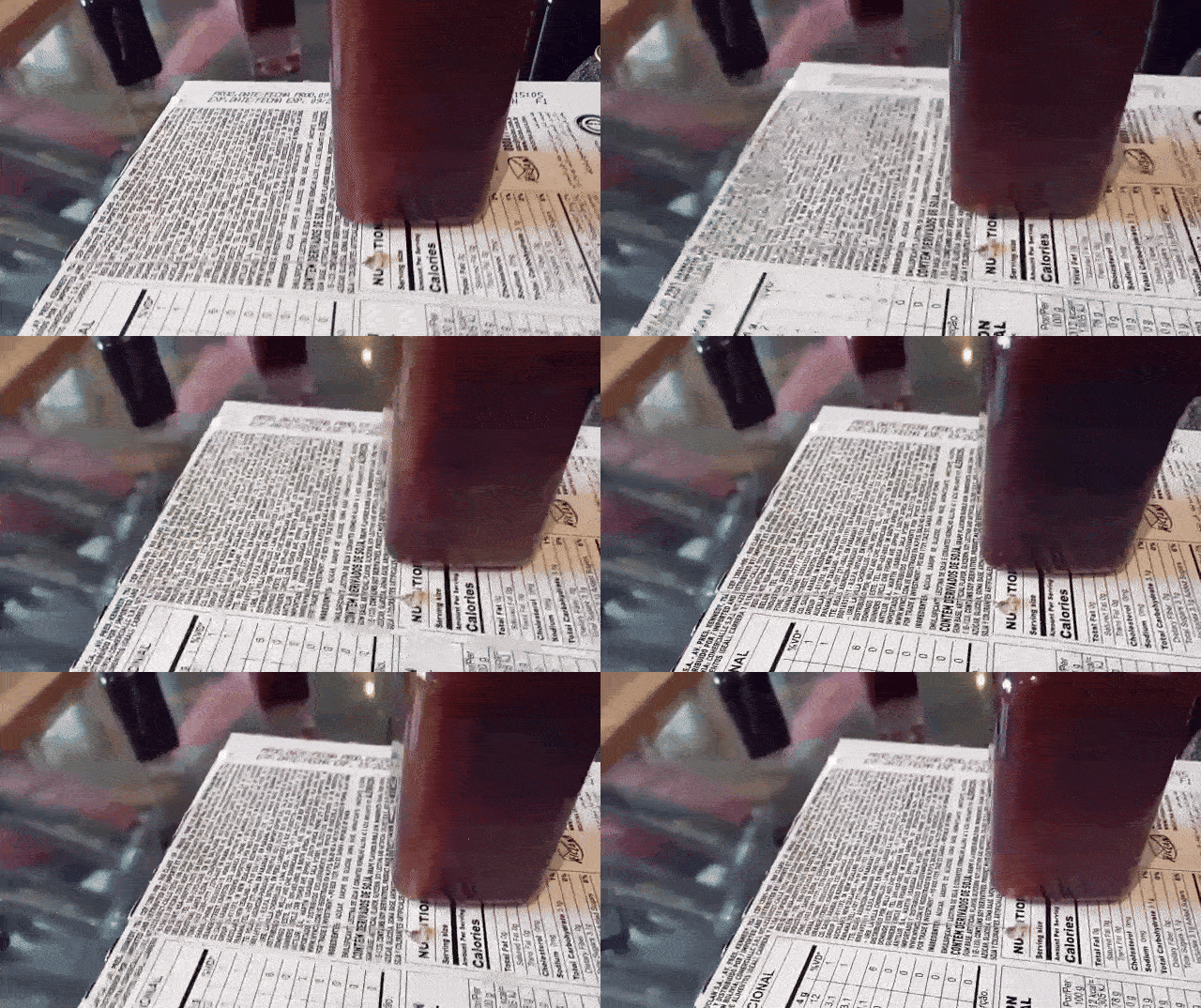
3: Acrylic paints seems to offer some electrostatic phenomena, I.E the first GIF video. Meaning the powder will collect at the interior surfaces and stop working as intended. For increasing the visibility, I suggest mixing dark dye in small amounts into the liquid until it reaches the required effect or block the sides with cardboard/paper to reduce the incidence of light.
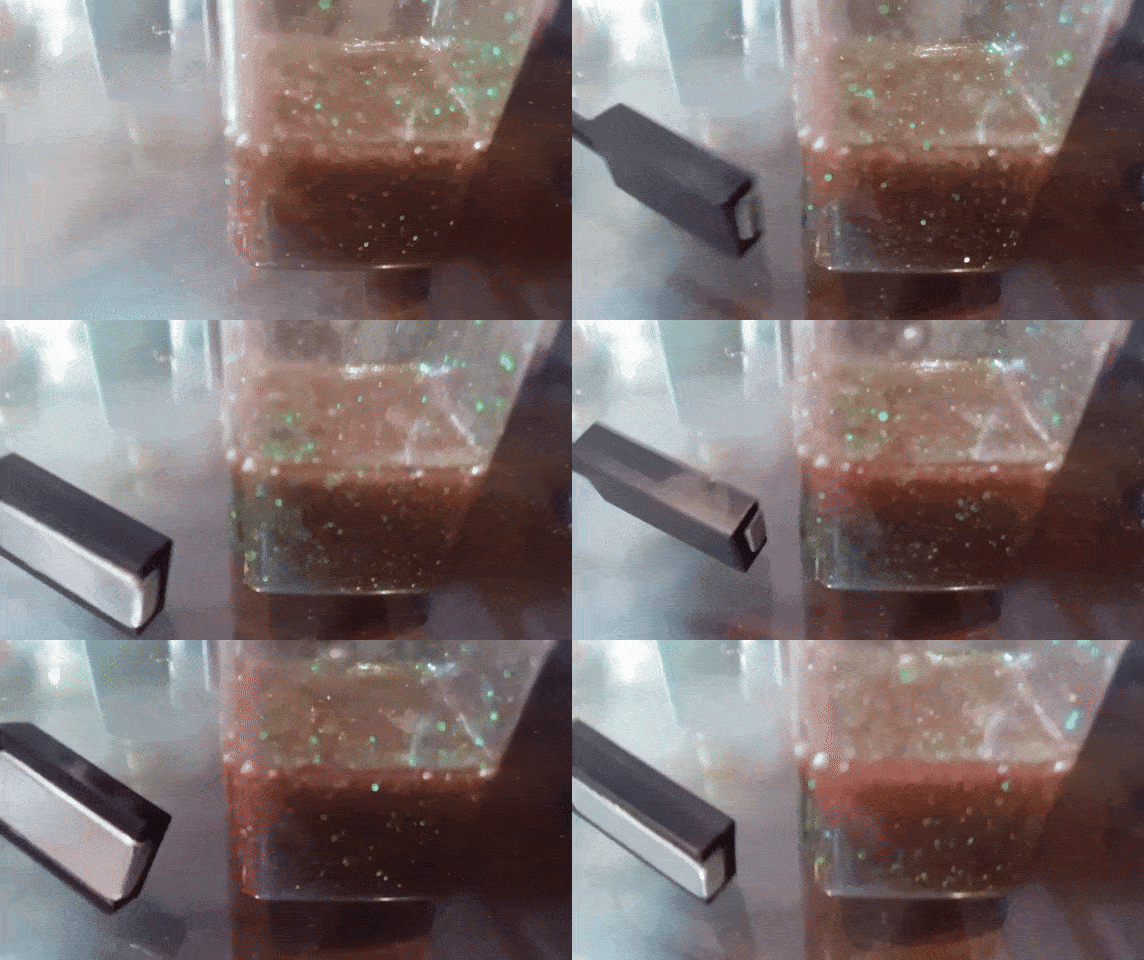
4: The last image above shows an interesting use: creating colour-shifting (somewhat akin to Iridescent) mixture by using common Glitter and the Magnetic Powder. I've used Green common Glitter with Red Magnetic Powder and, as one can see, it turn Green, Red or a mixture depending on the magnetic field.
Note: Both Oil and Water liquids at the same time were a fail: no matter which fraction was previously mixed with the Powder (hydrophobic or Hydrophilic), the brightness effect was diminished or outright canceled, with annoying patches of Powder that sticks to the interior surface. Not even liquid soap helped the situation. I would recommend sticking with common Mica Powder for such biphasic displays.