Mesa Abraço - Mobiliário Modular Infantil Para Crianças Com TEA\Modular Children’s Furniture for Kids With ASD
by bbrunadiasb in Design > 3D Design
116 Views, 3 Favorites, 0 Comments
Mesa Abraço - Mobiliário Modular Infantil Para Crianças Com TEA\Modular Children’s Furniture for Kids With ASD

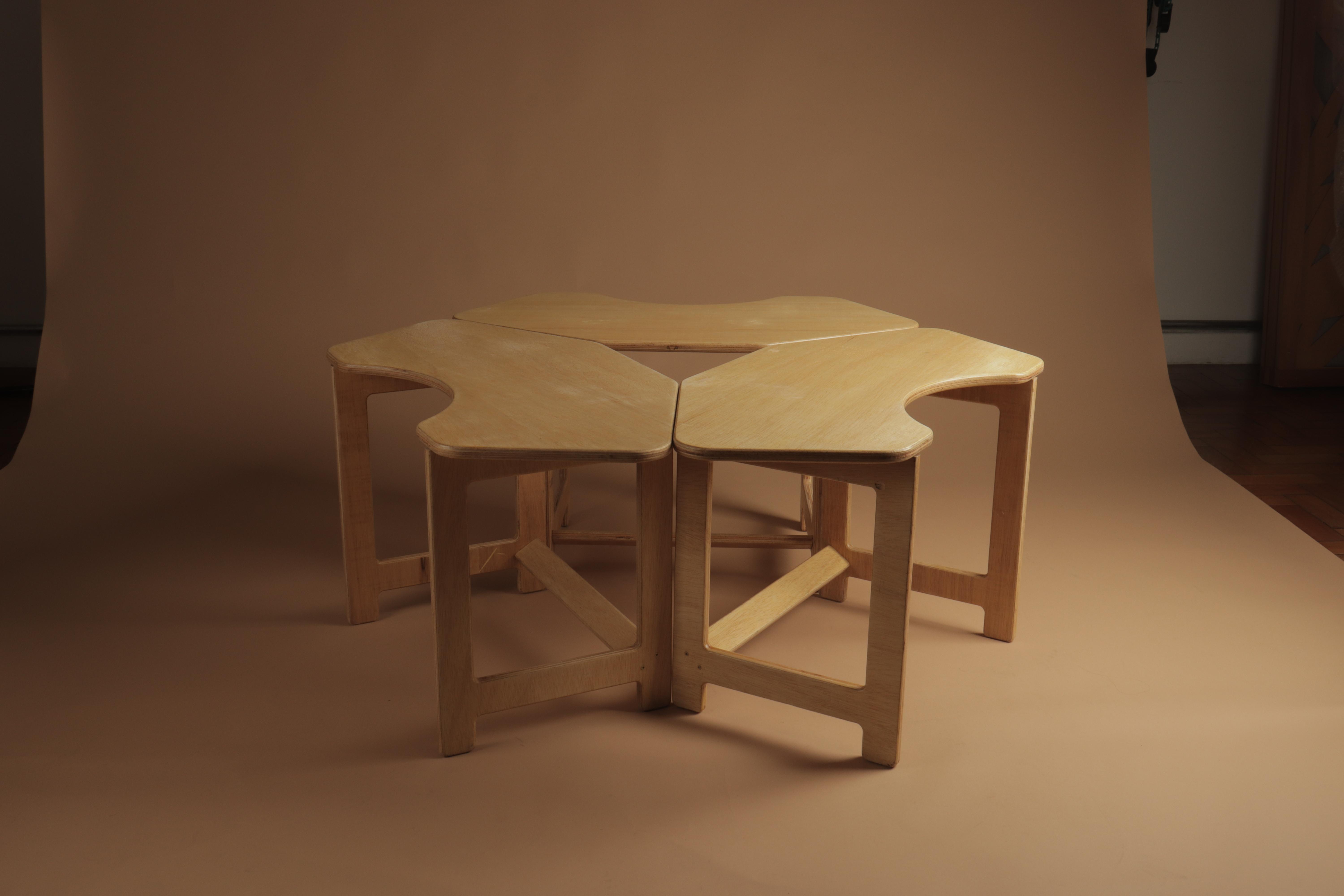
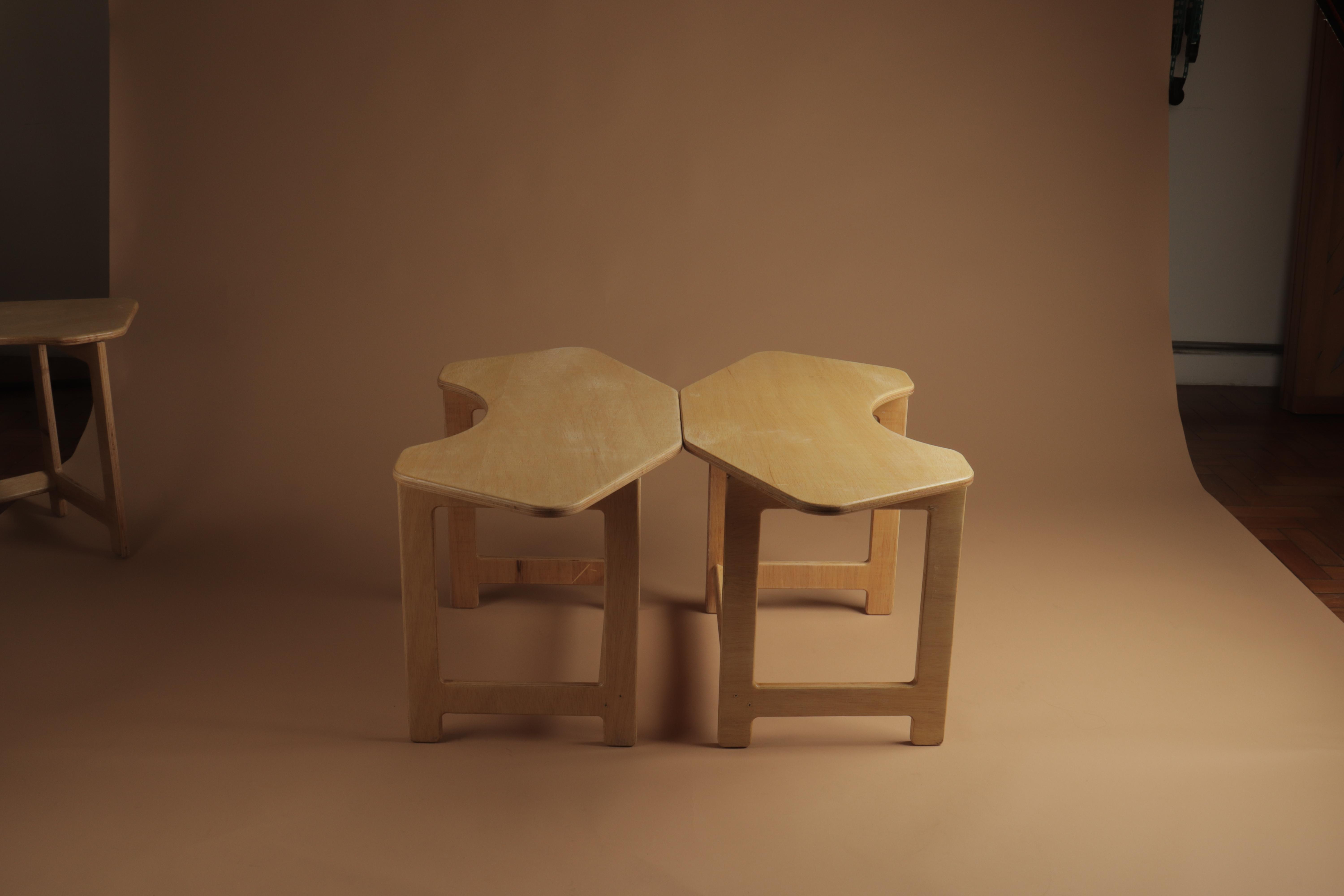
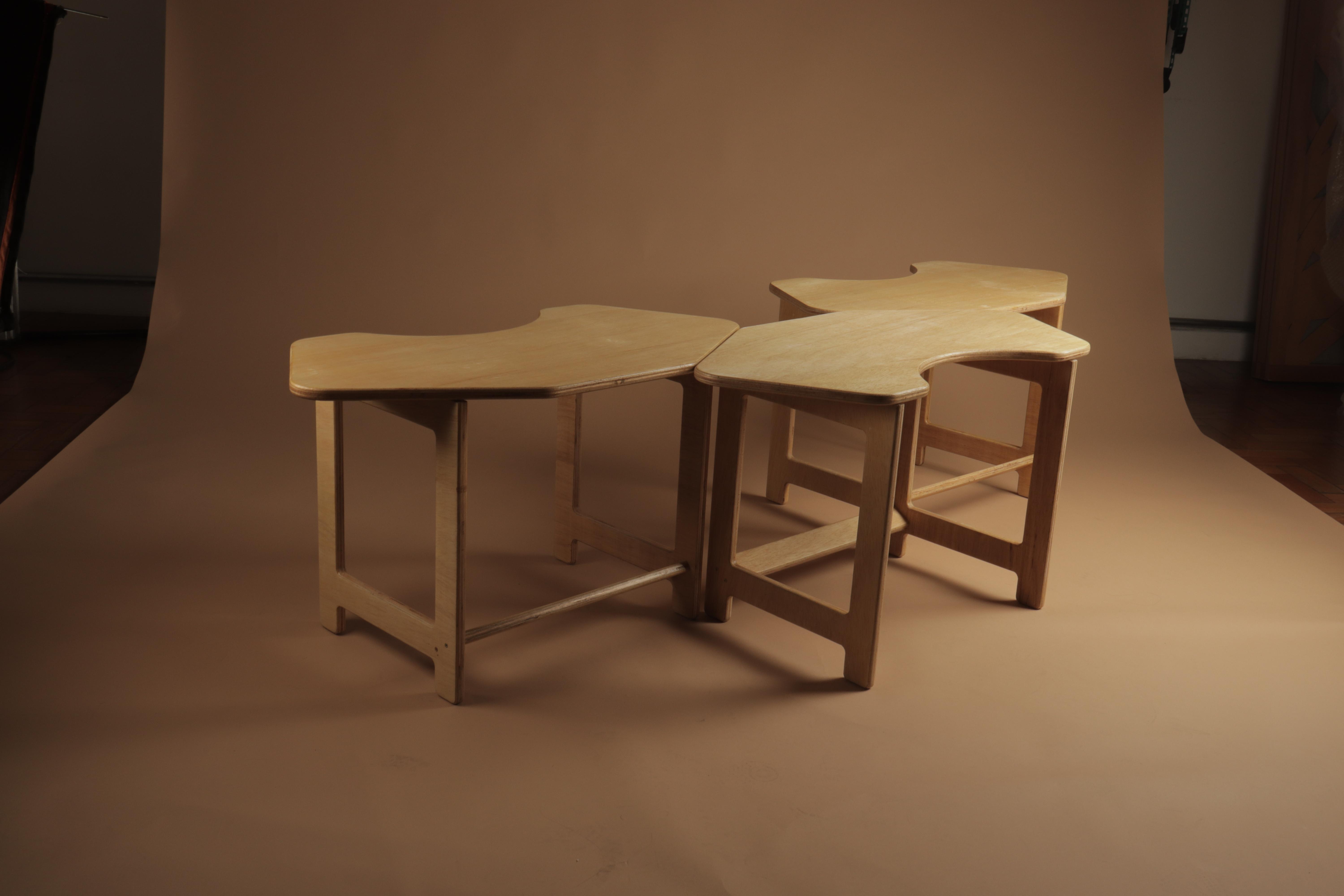
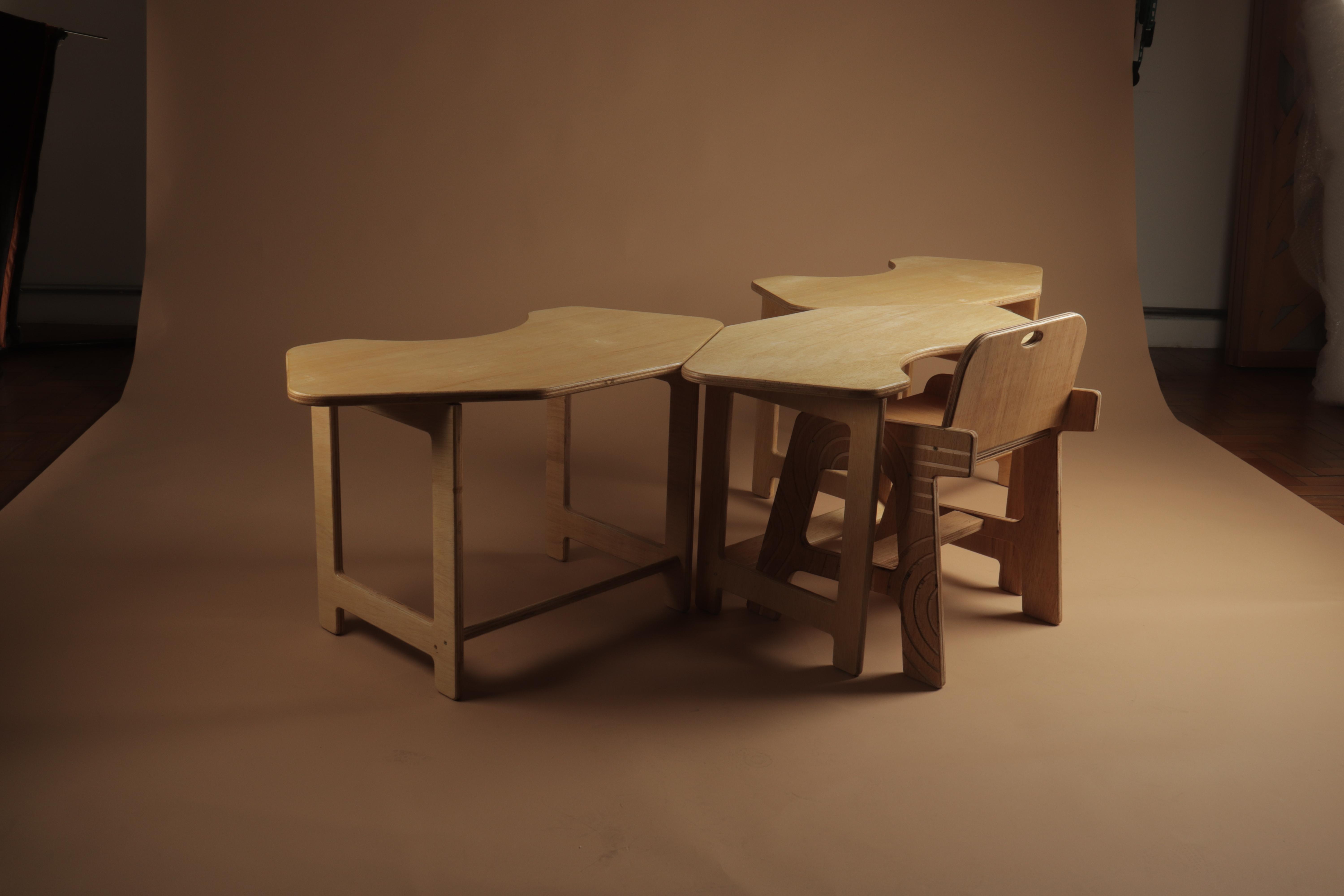


O projeto se baseia em um mobiliário infantil que visa transformar as atividades escolares coletivas em experiências positivas para crianças com transtorno do espectro autista (TEA). Ele é composto por três partes, que são, tampo de mesa, pés de mesa e apoio para os pés.
Nosso objetivo é transformar as atividades escolares coletivas em experiências positivas, permitindo a socialização gradual e a auto regulação emocional por meio de participação na organização de espaço, possibilitando o uso individual ou em grupo através da modularidade.
O projeto foi desenvolvido para o curso de Bacharelado de Design de Produto e Serviço do Istituto Europeo de Design pelas alunas Bruna Dias e Carolina Sayuri Matsumoto.
-------------------------------------------------------------------------------------------------------------------------
The project is based on a piece of children’s furniture designed to transform collective school activities into positive experiences for children with Autism Spectrum Disorder (ASD). It is composed of three parts: tabletop, table legs, and footrest.
Our goal is to turn collective school activities into positive moments, enabling gradual socialization and emotional self-regulation through participation in organizing the space. Thanks to its modularity, the furniture can be used individually or in groups.
The project was developed for the Bachelor’s Degree in Product and Service Design at the Istituto Europeo di Design by students Bruna Dias and Carolina Sayuri Matsumoto.
Supplies
Materiais
- 1 placa de compensado naval 18 mm 2200 X 1600 mm.
- 4 placas de junção em aço 80 X 40 mm.
- 16 parafusos 3,5 X 12 mm.
- 12 parafusos 6 X 50 mm.
- 100 ml Seladora.
- 4 feltros.
Ferramentas
- Router CNC.
- Tico-tico.
- Serra manual japonesa.
- Lima murça.
- Lixadeira elétrica.
- Tupia.
- Furadeira.
- Parafusadeira.
- Pincel.
- Sargentos.
- Régua.
Consumíveis
- Lixa 120.
- Lixa 220.
- Lixa 320.
- Lixa 400.
- Lápis.
- 2 metros de papel kraft.
- Perfex
- Álcool 70%
Softwares usados
- Rhinoceros 3D
Equipamentos de uso individual
- Máscara descartável PFF2.
- Óculos de proteção.
- Avental.
- Protetor auricular.
-------------------------------------------------------------------------------------------------------------------------
Materials
- 1 sheet of 18 mm marine plywood – 2200 × 1600 mm
- 4 steel joining plates – 80 × 40 mm
- 16 screws – 3.5 × 12 mm
- 12 screws – 6 × 50 mm
- 100 ml sanding sealer
- 4 felt pads
Tools
- CNC router
- Jigsaw
- Japanese hand saw
- Coarse file
- Electric sander
- Hand router
- Drill
- Screwdriver
- Paintbrush
- Clamps
- Ruler
Consumables
- Sandpaper: 120, 220, 320, 400 grit
- Pencil
- 2 meters of kraft paper
- Cleaning cloth (Perfex)
- 70% alcohol
Software Used
- Rhinoceros 3D
Personal Protective Equipment
- PFF2 disposable mask
- Safety glasses
- Apron
- Ear protection
Step by Step Madeiras/wood


.jpeg)
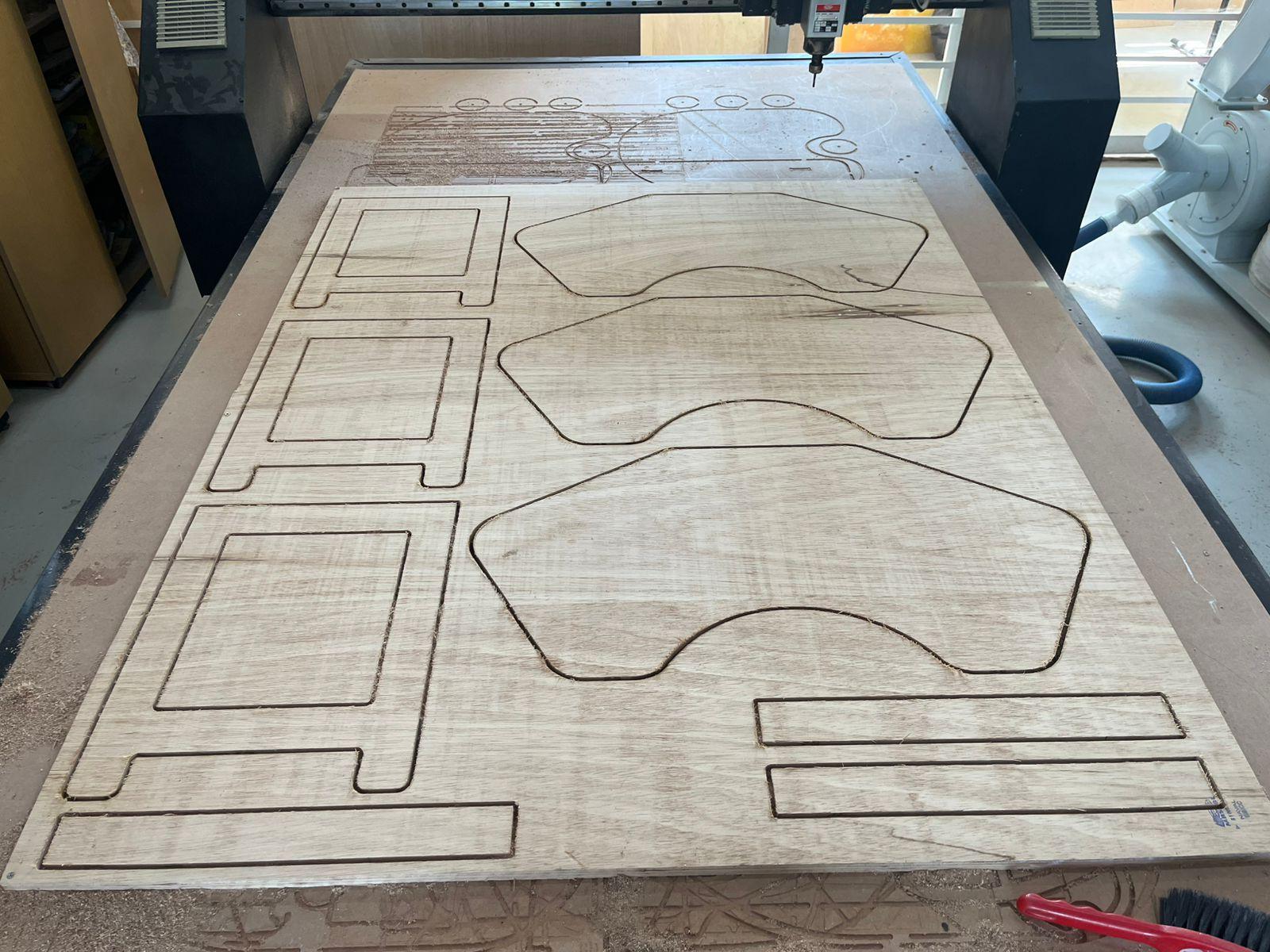
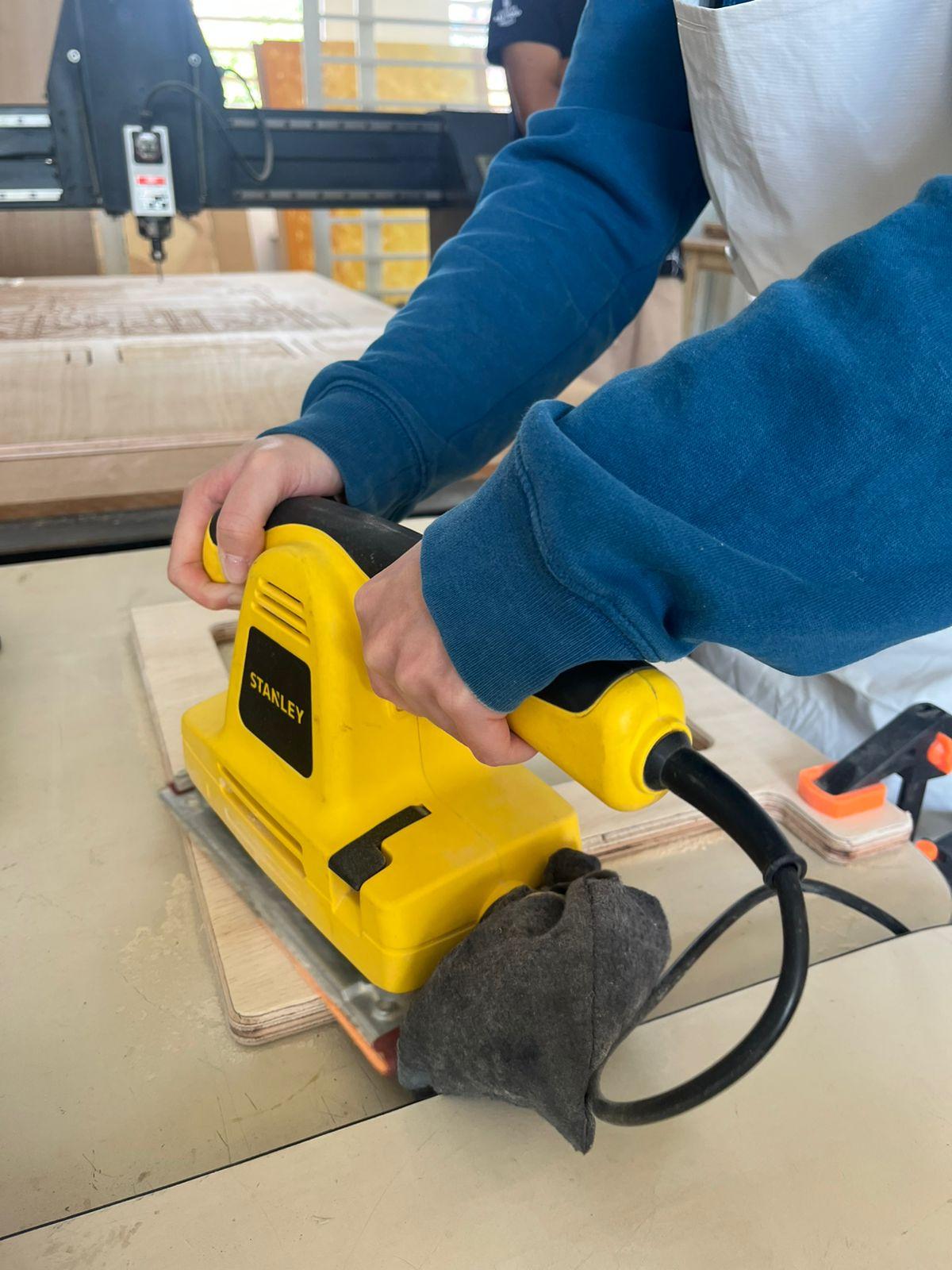
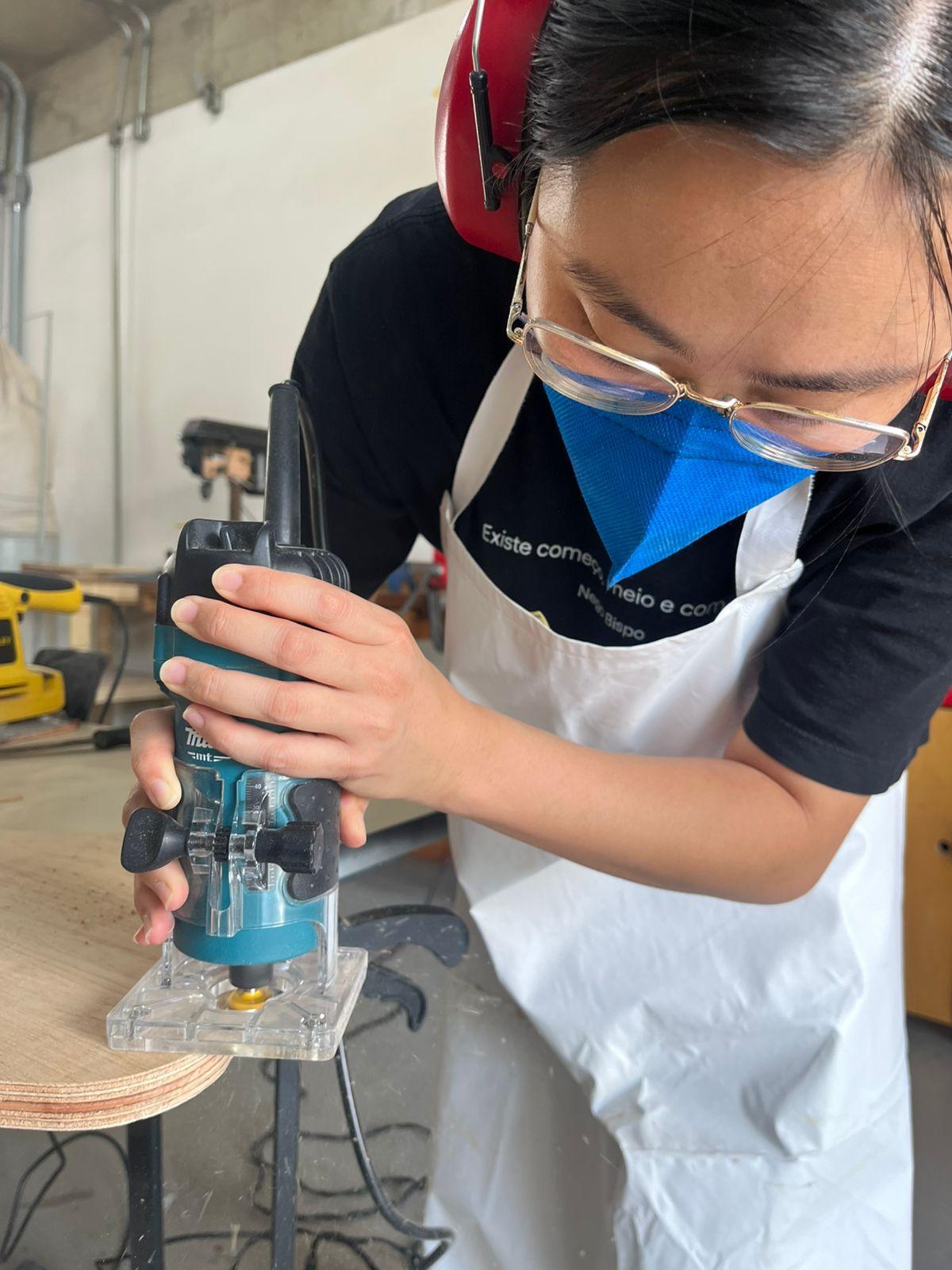


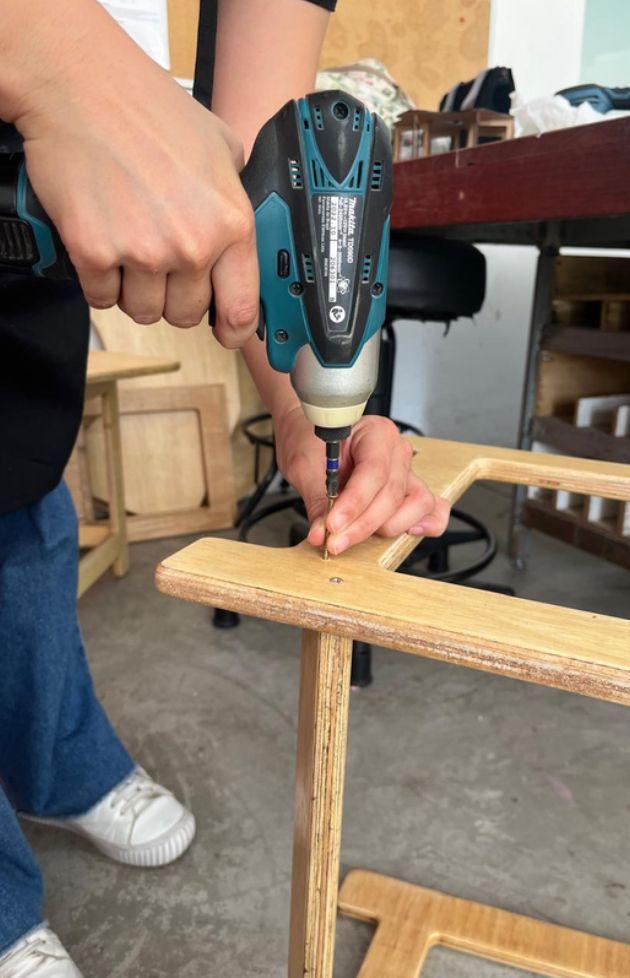
- Cortar a placa de compensado naval em 2 partes usando a tico-tico, calcule à disposição das peças no Rhino com a margem de corte da CNC para garantir a proporção do corte das duas partes tendo um bom aproveitamento de placa.
- Corte das pessoas na CNC.
- Com a placa cortada, use novamente a tico-tico ou a serra manual para cortar as intercessões de suporte entre a placa e a peça cortada.
- Use a lima murça para tirar as rebarbas e desnivelamentos das sobras das intercessões.
- Com as peças soltas e sem sobras, use a lixadeira elétrica com a lixa 120 e lixe toda a superfície. Para garantir que tudo foi lixado, use a lixa manualmente para lixar todas as laterais internas e externas.
- Com as peças lixadas, use a tubia para arredondar as laterais internas e externas,(exceto pelas laterais que serão parafusadas). Para melhor acabamento, passe a lixa novamente nas laterais, seguindo as áreas que a tupia foi utilizada.
- Se houver buracos ou ranhuras no compensado, misture o pó do lixamento com a cola branca até formar uma massinha. Utilize essa massa para cobrir os buracos.
- Com a massa seca, passe a lixa mais uma vez sobre as áreas reparadas.
- Em uma área limpa, passe o perfex com álcool 70% em toda a superfície da madeira para tirar o pó e deixe as peças secarem (o tempo vai depender de quanto álcool foi usado).
- Com as madeiras secas e livres de pó, pegue um pincel e passe a seladora por toda a superfície. Estique o papel kraft e deixe as madeiras secarem até pararem de grudar na mão.
- Usando uma lixa 210, lixe novamente toda a superfície. Quando pronta, passe o álcool com o perfex e acrescente uma camada de seladora novamente.
- Repita o processo de lixar e selar até obter 3 ou 4 camadas seladas, sempre passando uma lixa mais fina que a anterior.
- Ao acabar, deixe as peças secarem por volta de 42 horas.
- Com a ajuda de um lápis e uma régua, marque os pontos de perfuração para fazer os furos referenciais.
- Com os furos de referência feitos, parafuse o apoio para os pés no pé da mesa.
- Ao terminar de parafusar a base, parafuse os centros da placa de junção na lateral de cima no pé. Repita esse processo até acabar as 4 placas.
- Posicione o tampo de cabeça para baixo, posicione os pés com atenção para não exceder as extremidades da mesa. Com os parafusos menores, parafuse os pé no tampo.
- Mesa pronta!
-------------------------------------------------------------------------------------------------------------------------
- Cut the marine plywood sheet into two parts using a jigsaw. Before cutting, arrange the pieces in Rhino, taking into account the CNC toolpath margin to ensure proportional cuts between both halves and optimize the use of the sheet.
- Cut the pieces on the CNC router.
- With the sheet cut, use the jigsaw or the Japanese hand saw again to remove the support tabs between the board and the cut parts.
- Use a coarse file to remove burrs and any uneven spots left by the tabs.
- With the pieces free and clean, sand the entire surface using an electric sander with 120-grit sandpaper. To ensure every area is sanded, sand all internal and external edges manually as well.
- With the pieces sanded, use the router to round the internal and external edges (except for the sides that will be screwed). For a smoother finish, sand the routed edges again, following the areas where the router was applied.
- If there are holes or grooves in the plywood, mix sanding dust with white glue to create a putty. Use this mixture to fill the imperfections.
- Once the putty is dry, sand the repaired areas again.
- In a clean area, wipe the entire wood surface with a cloth and 70% alcohol to remove dust, and let the pieces dry (drying time depends on how much alcohol was used).
- When the wood is dry and dust-free, apply sanding sealer with a brush across the entire surface. Lay the pieces over kraft paper and let them dry until they no longer feel sticky to the touch.
- Using 220-grit sandpaper, sand the surface again. When finished, wipe with alcohol and apply another coat of sealer.
- Repeat the sanding and sealing process until you have 3 or 4 sealed layers, always using a finer sandpaper than the previous one.
- When finished, let the pieces dry for about 42 hours.
- With a pencil and ruler, mark the drilling points to create the reference holes.
- With the reference holes ready, screw the footrest onto the table leg.
- After attaching the base, screw the joining plates to the upper side of the leg. Repeat this process until all four plates are installed.
- Place the tabletop upside down and position the legs carefully, ensuring they do not extend beyond the edges of the table. Using the smaller screws, attach the legs to the tabletop.
- the table is finished!
Notes
.jpeg)
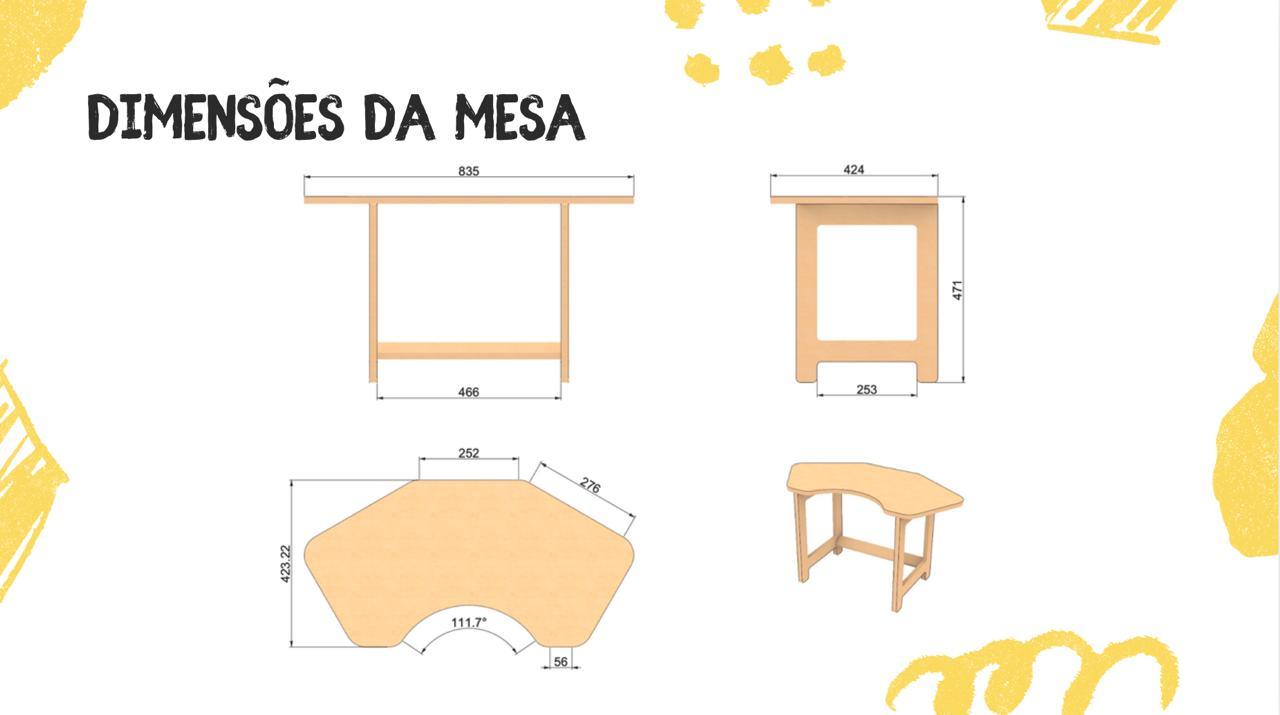
Measurements
- Altura:471 mm
- Largura: 835 mm
- Profundidade: 424 mm
-------------------------------------------------------------------------------------------------------------------------
- Height: 471 mm
- Width: 835 mm
- Depth: 424 mm
Custo aproximado por mesa
- Placa de compensado R$113,50
- Placa de junção em aço R$11,20
- Parafuso 3,5 x 12 mm R$2,80
- Parafuso 6 x 50 R$8,00
- Seladora R$4,00
- Feltro R$2,50
Custo total:R$142,00
-------------------------------------------------------------------------------------------------------------------------
Approximate Cost per Table
- Marine plywood sheet: R$113.50
- Steel joining plates: R$11.20
- Screws 3.5 × 12 mm: R$2.80
- Screws 6 × 50 mm: R$8.00
- Sanding sealer: R$4.00
- Felt pads: R$2.50
Total cost: R$142.00