Poporo Replica Paper Sculpture - Pre-Columbian Art Piece
577 Views, 4 Favorites, 0 Comments
Poporo Replica Paper Sculpture - Pre-Columbian Art Piece


What is a Poporo? It is a pre-Columbian art piece from the Classic Quimbaya period. Its main use was as a ceremonial container for chewing coca leaves during religious ceremonies.
The "Poporo" is considered to be a national symbol in Colombia. This device normally has a long neck and a bulky receptacle and is made up of various materials. It can also vary in appearance, most of the times it is phytomorphic, which is to say that it is inspired by vegetables, and anthropomorphic, where animals bear human characteristics.
The Poporo is a symbol of a dual god and it represents the cosmic balance of opposites. The bulk part of the poporo or the belly gourd represents the feminine elements, the "Pacha Mama" or Mother Earth, while the neck symbolizes the masculine elements. In the mambeo ritual, the lime is extracted using a metallic pin, which represents the moment the skies join together with the earth and breathe life to all creation.
some Indigenous communities have associated gourds with femininity, fertility, and life.
Pre-Columbian art or pre-Hispanic art includes all artistic and intellectual works, such as sculpture, architecture, rock art, ceramics, textiles, metalwork and painting made by the natives of the American continent during the previous period.
Supplies

For this project we will use basic materials that we all have at home, such as:
- Templates (check the step 1 for download)
- X-acto.
- Scissors.
- Glue/Hot Glue.
- Ruler Optional
- Embosser.
- 5cm Styrofoam balls
- Polymer clay Optional
- Gold Paint

Here you can download the templates, please note that they are in pdf format for printing in letter size.
To guide you in the assembly, take into account each piece and its respective joints in the following steps.
Downloads
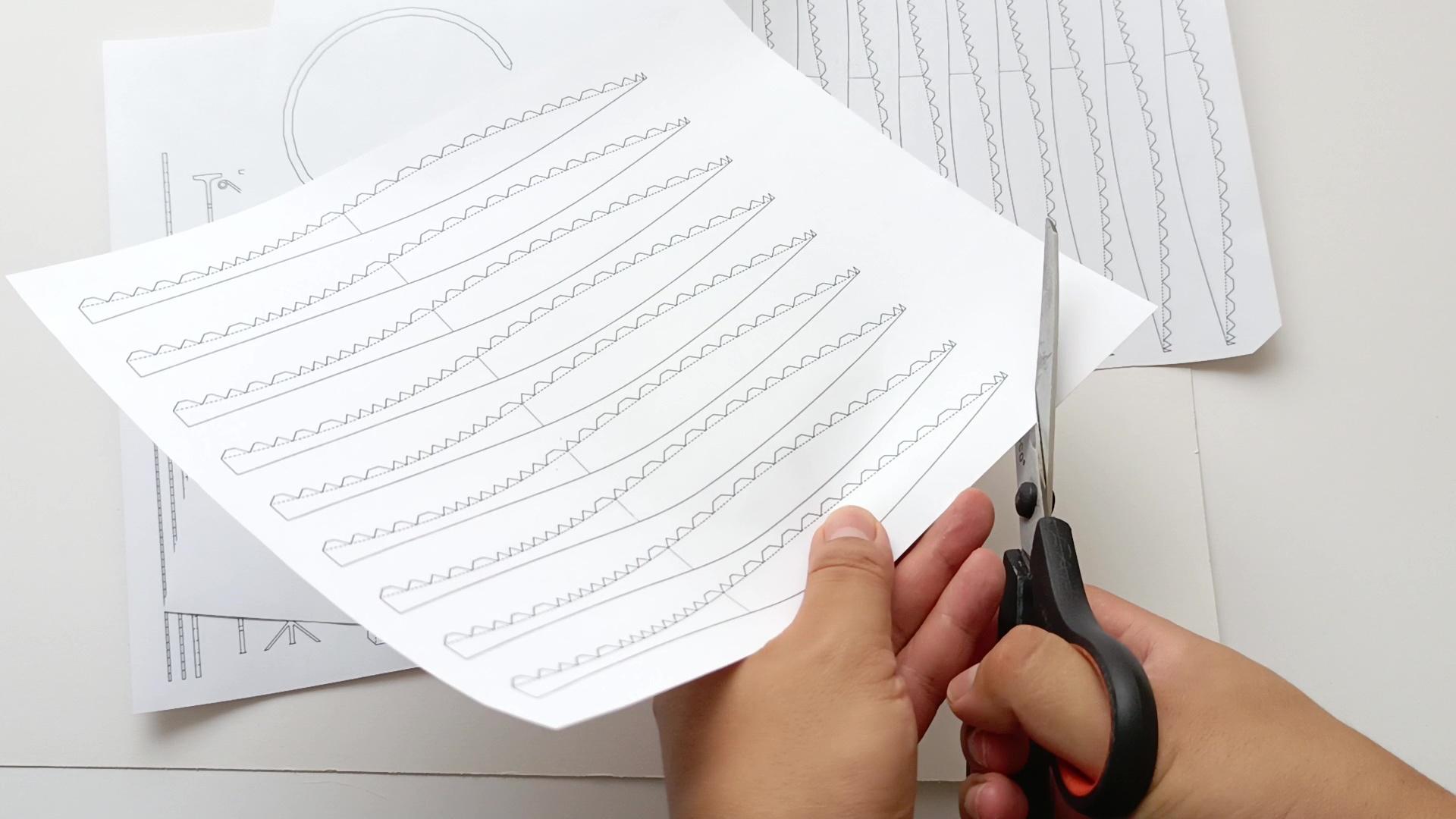

First, we'll need to cut out all the templates you found in the first step.


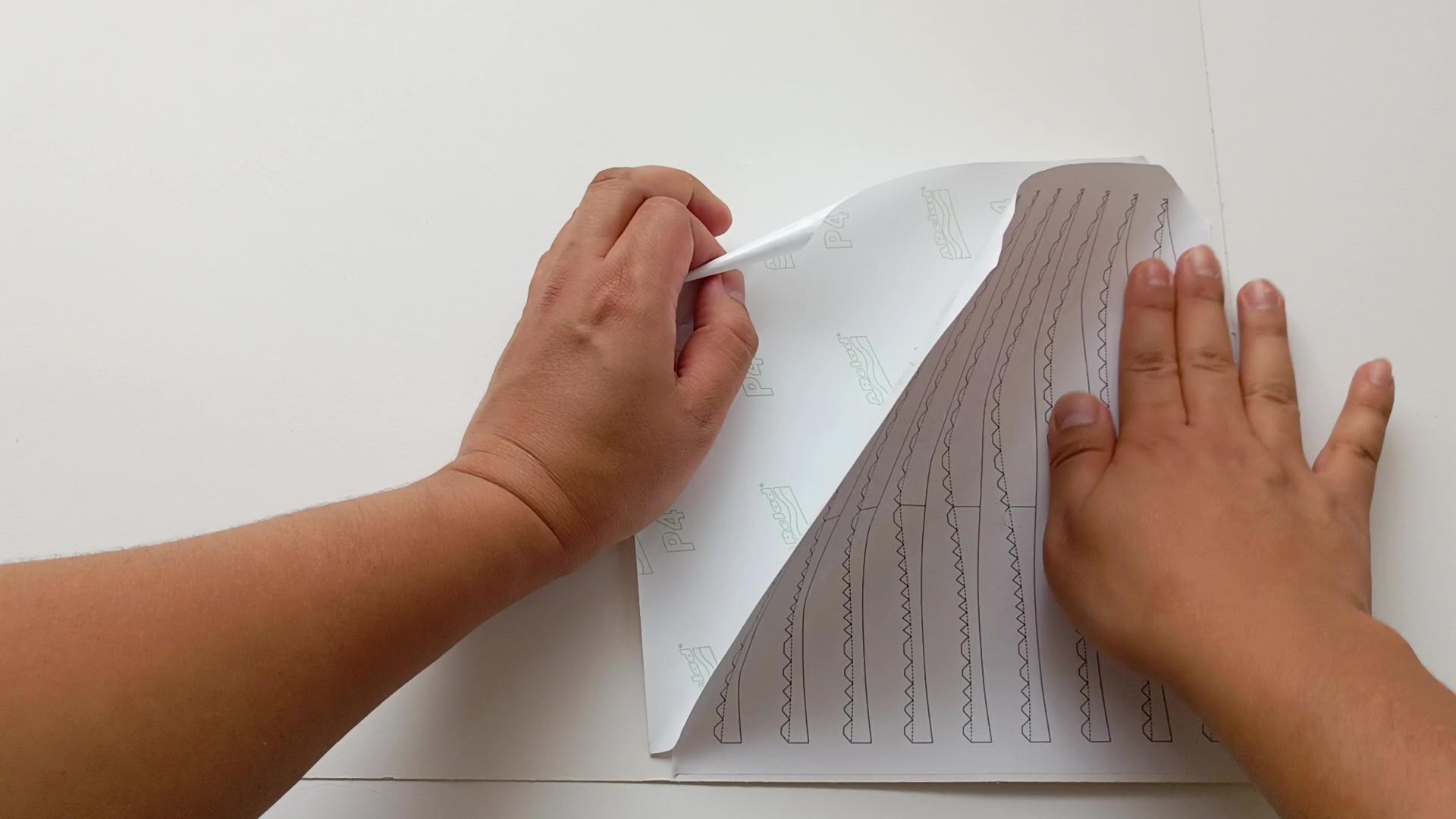
Gglue these templates onto a slightly stiffer piece of cardboard, which will give our pieces more solidity.
I recommend printing the templates on adhesive paper; if you don't have any, you can carefully stick them on with some glue.


Try to distribute all the pieces correctly to save material, and and get ready to cut


with the help of scissors cut the pieces in groups.


After that, cut each piece individually, taking great care to respect the tabs.


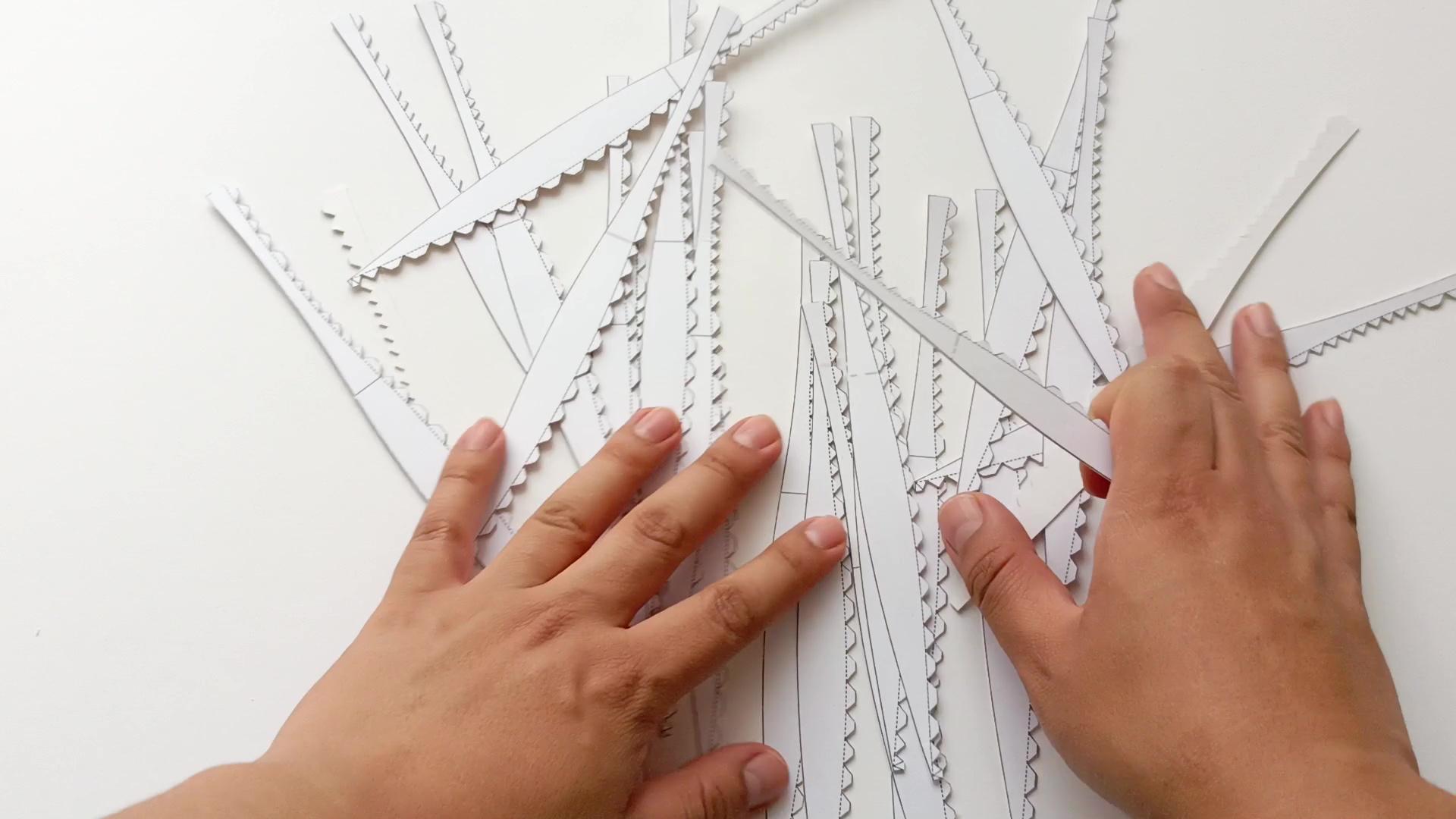
Cut, cut, and repeat, do it as many times as necessary to complete all the pieces, in this case the pieces of the poporo body.
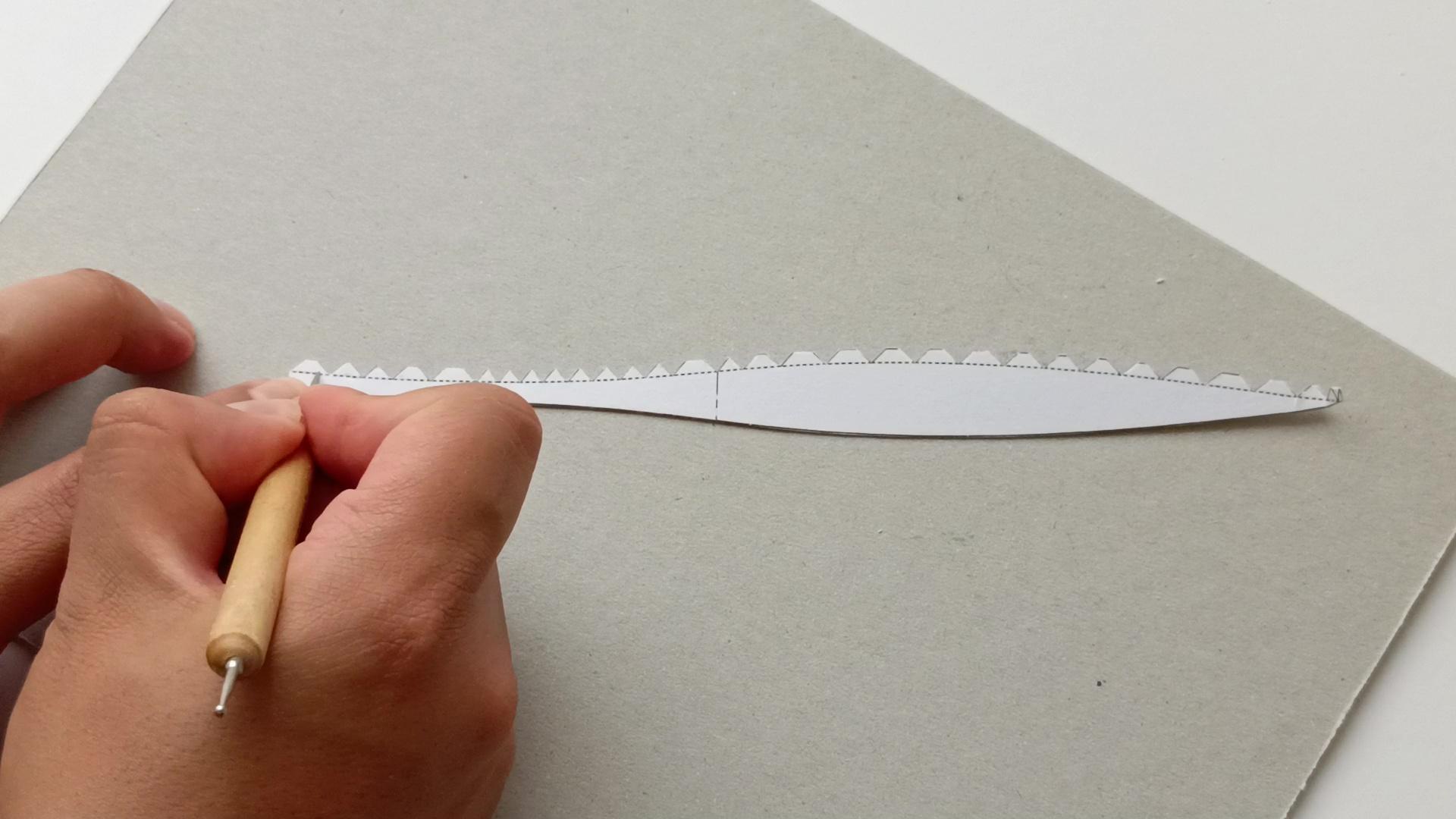


Now take each piece and with the help of a ball-tipped embosser we prepare to emboss the folds of the tabs


Now, using a cylindrical object, we'll outline the characteristic curves of the poporo.
In this case, I used the glue bottle and, applying light pressure, shaped it to create the curved form of the gourd-shaped part and the neck of the bottle. Review the images for guidance and to avoid mistakes.

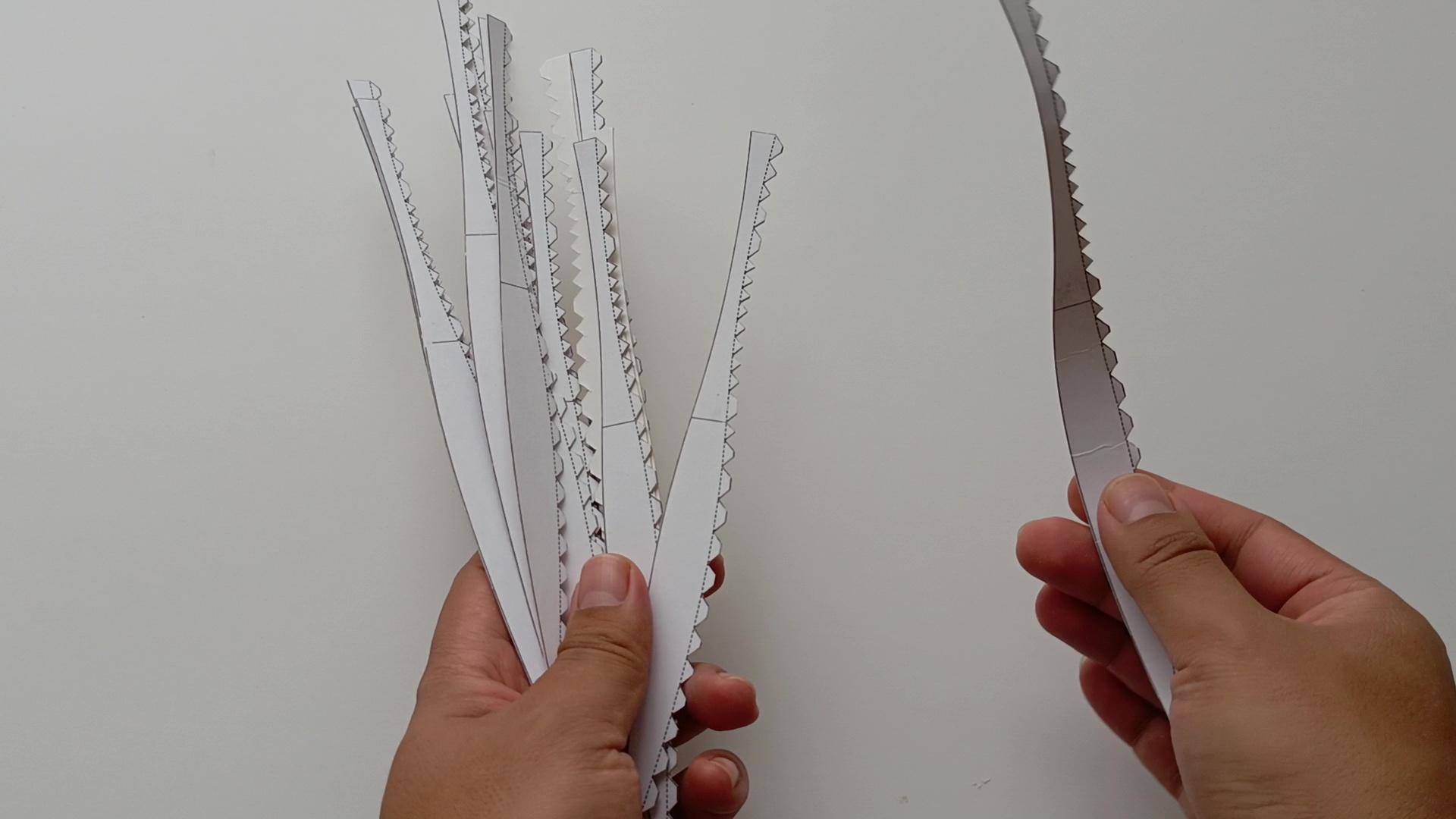
Repeat this step with each of the corresponding pieces.


In the end you will obtain 24 pieces for assembling the jar

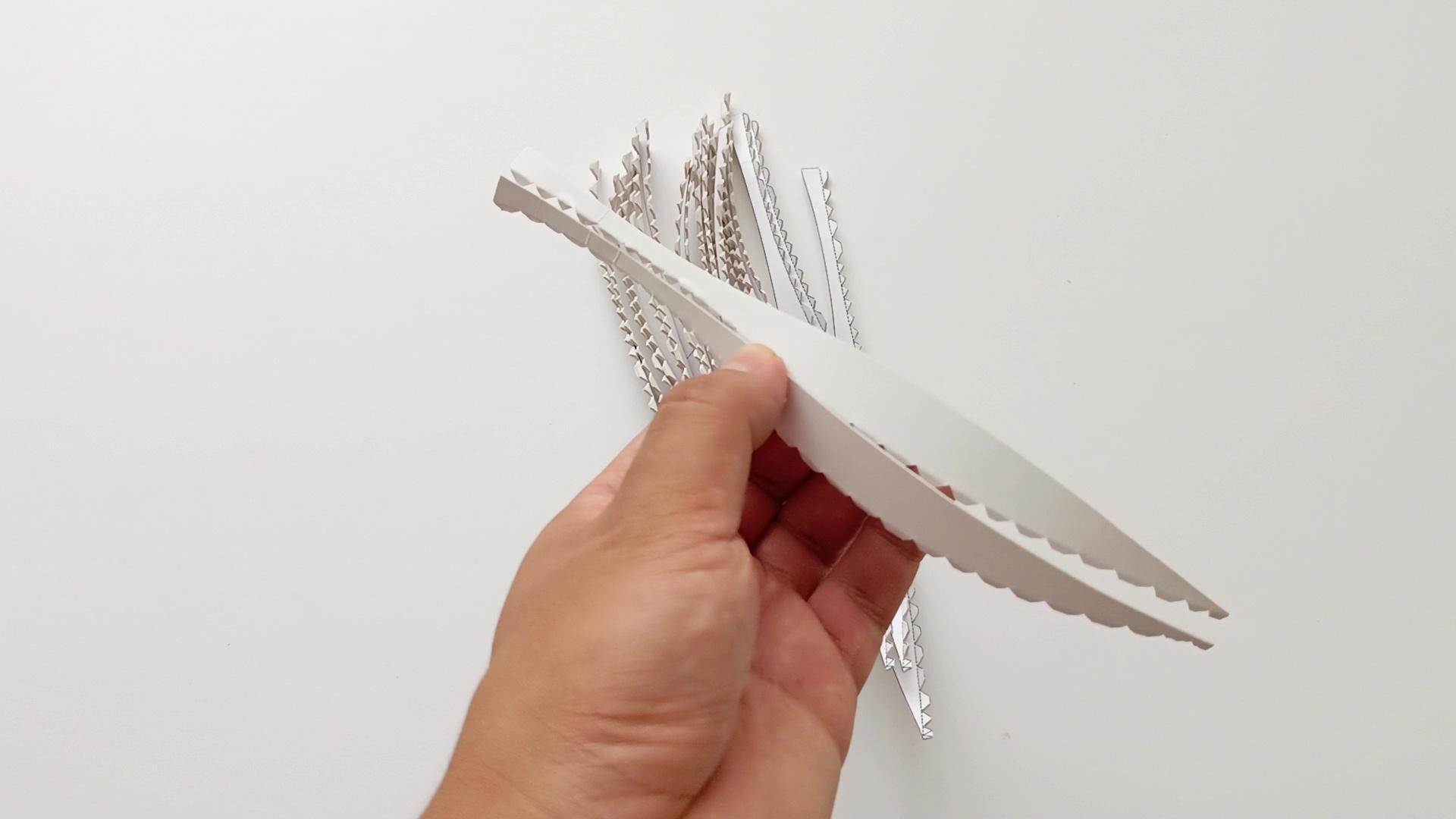


Now it's time to glue all our pieces together. First we will start by gluing along the central tab that is marked in red on the templates
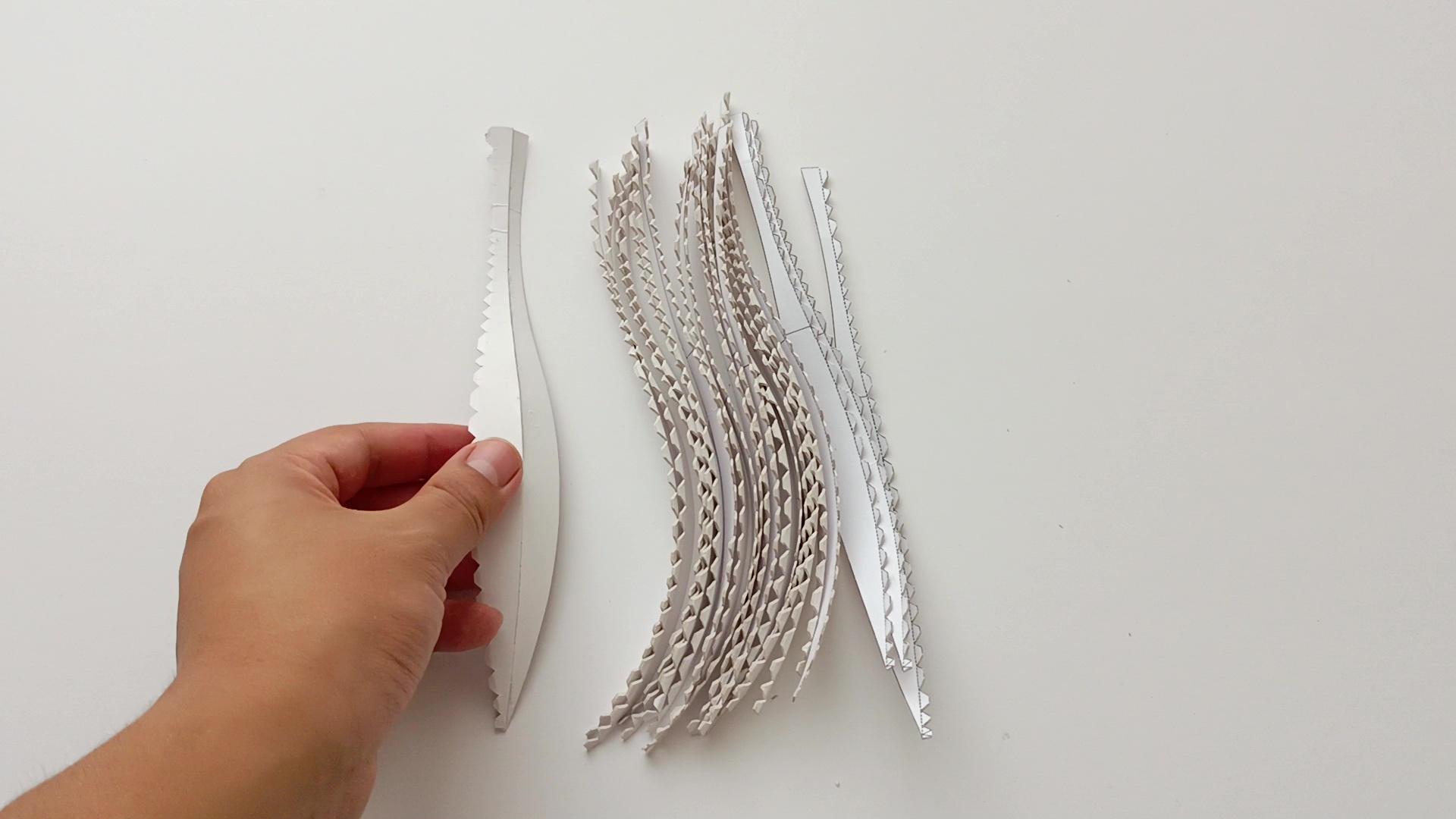
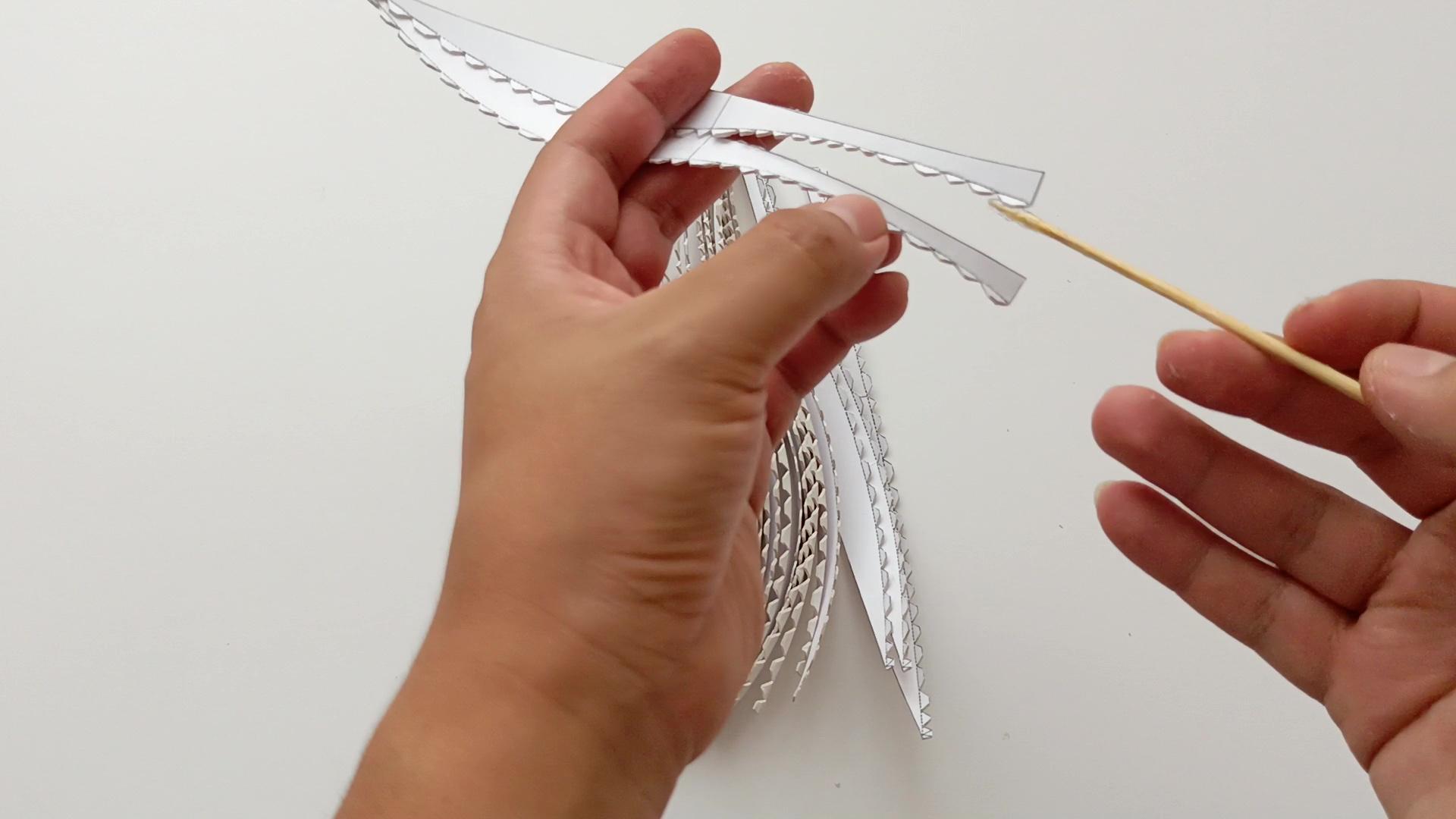

and we will continue gluing tab by tab, respecting the drying time to obtain perfect joints.
Ideally, glue from the center down and then the neck area.
Apply pressure with your fingers to each glued tab to ensure a strong seal.
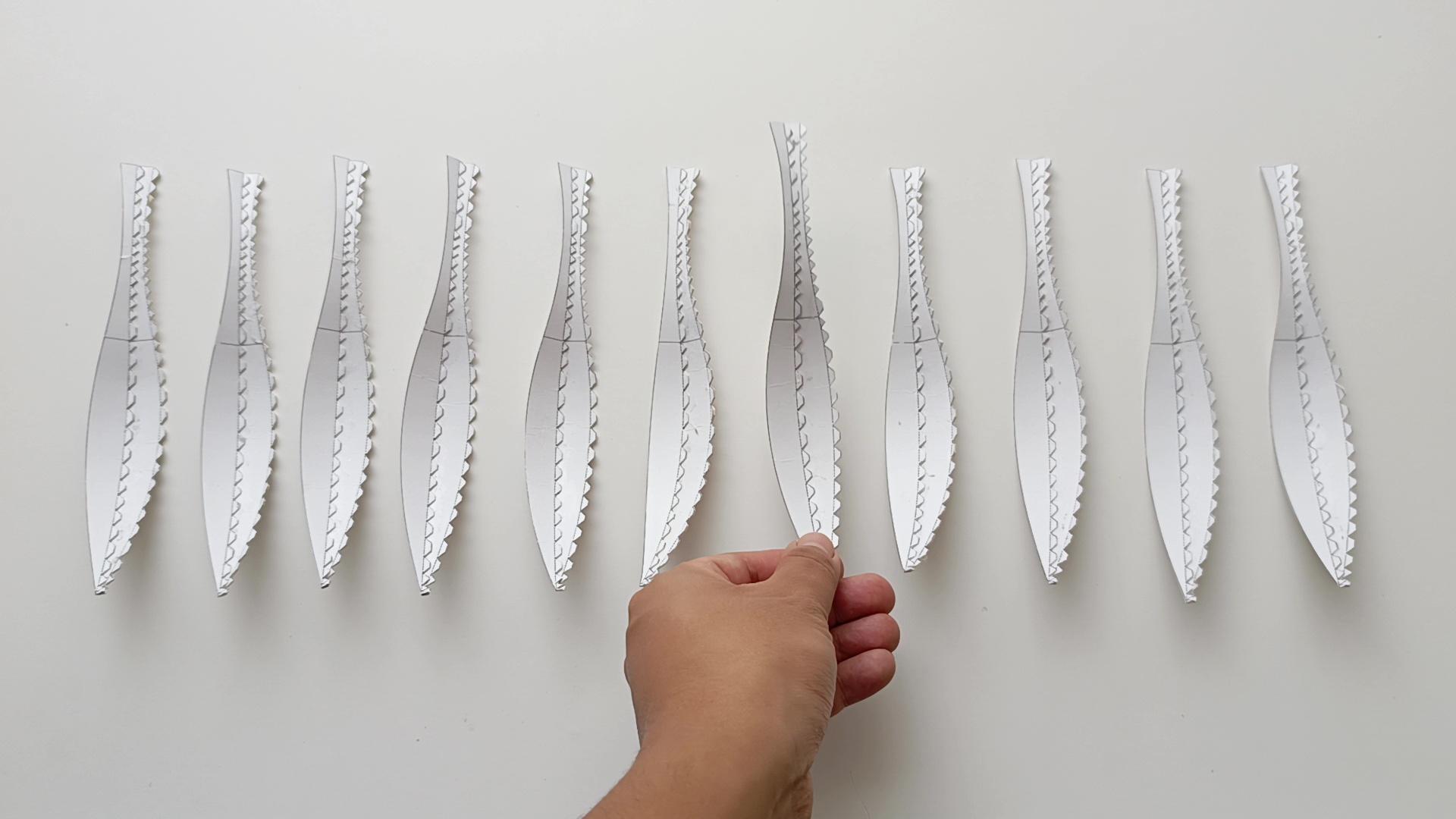


To assemble symmetrically, we'll take pairs of pieces and glue them together pair by pair until we have 12 groups.
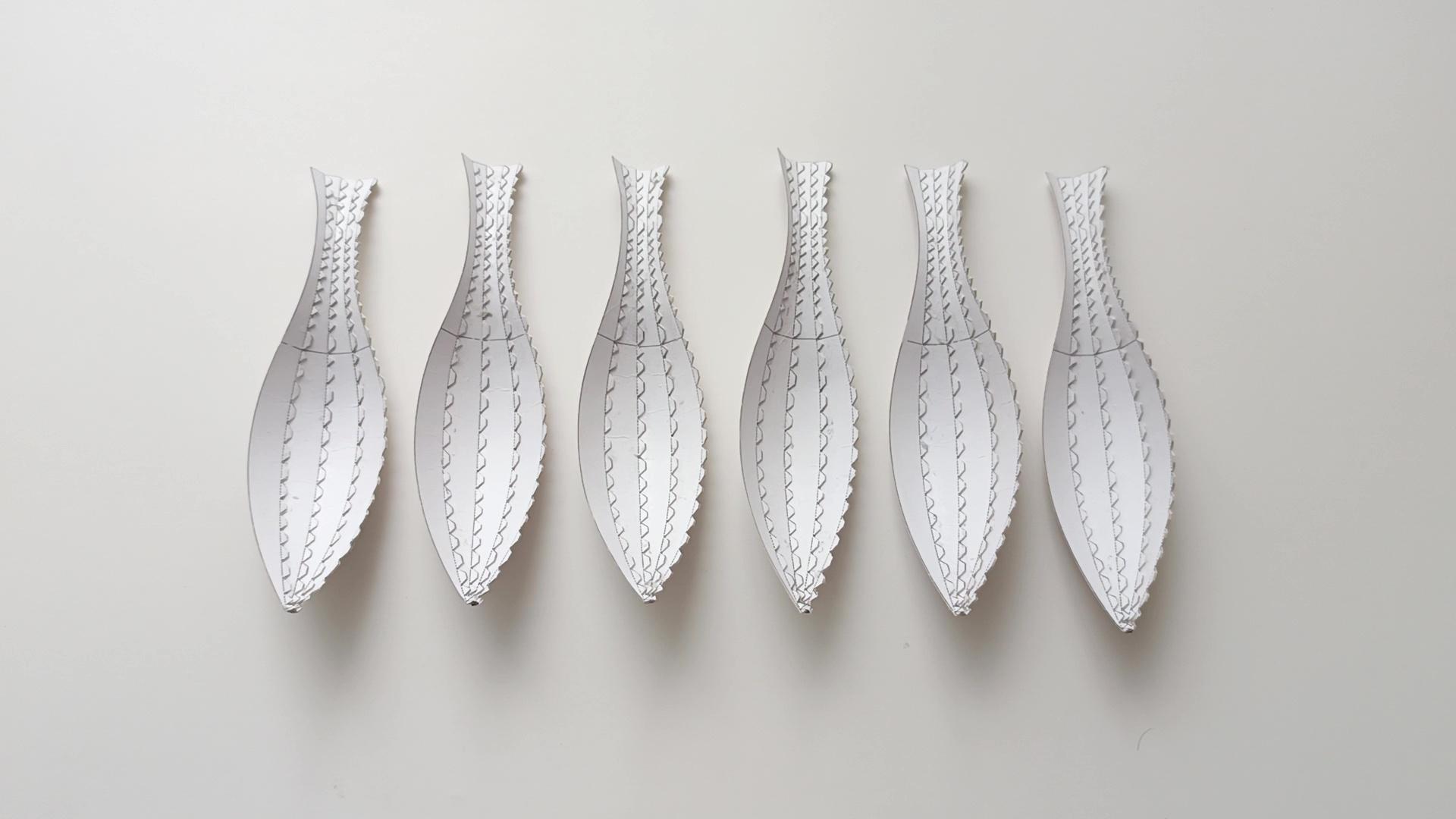
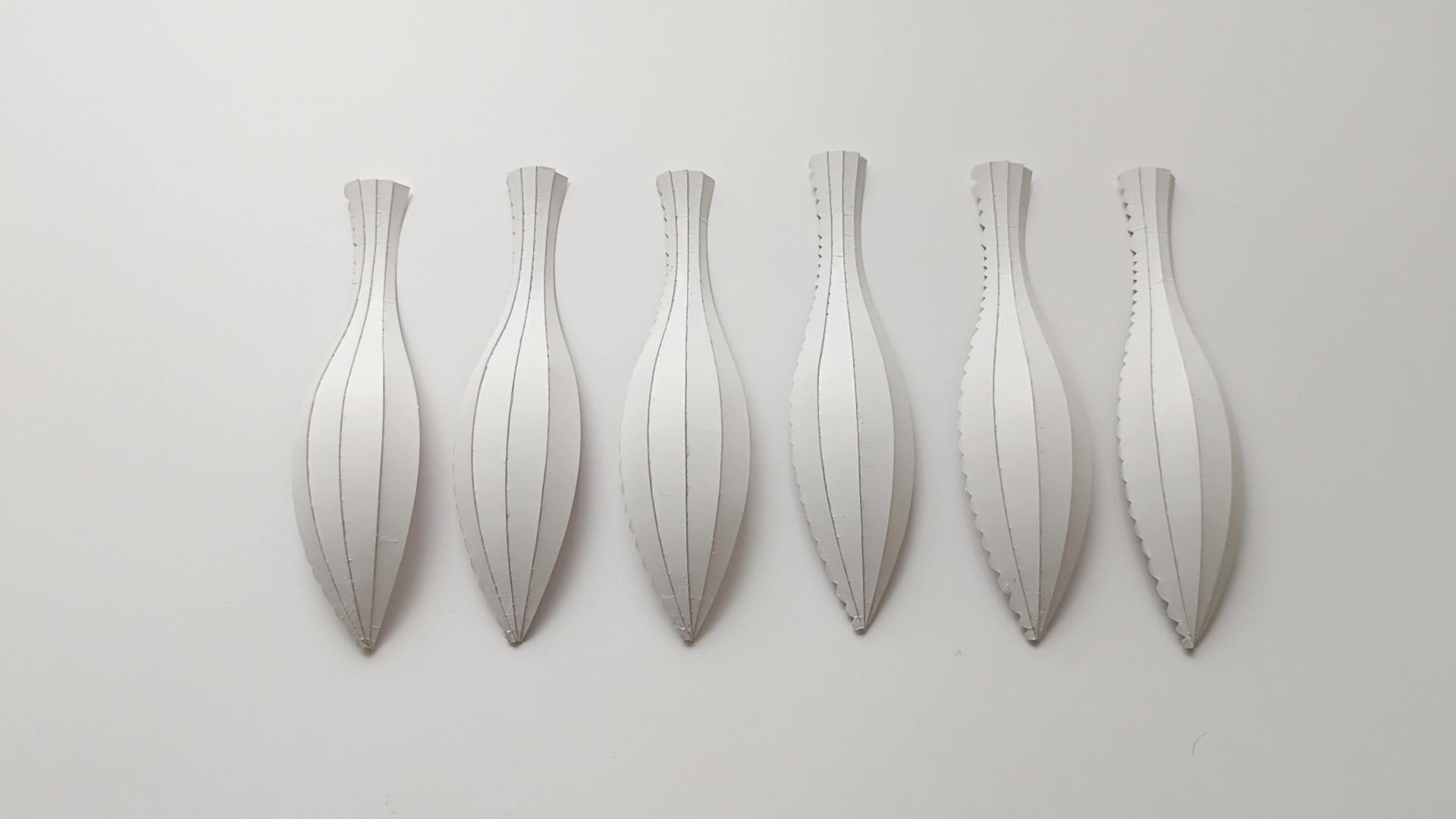
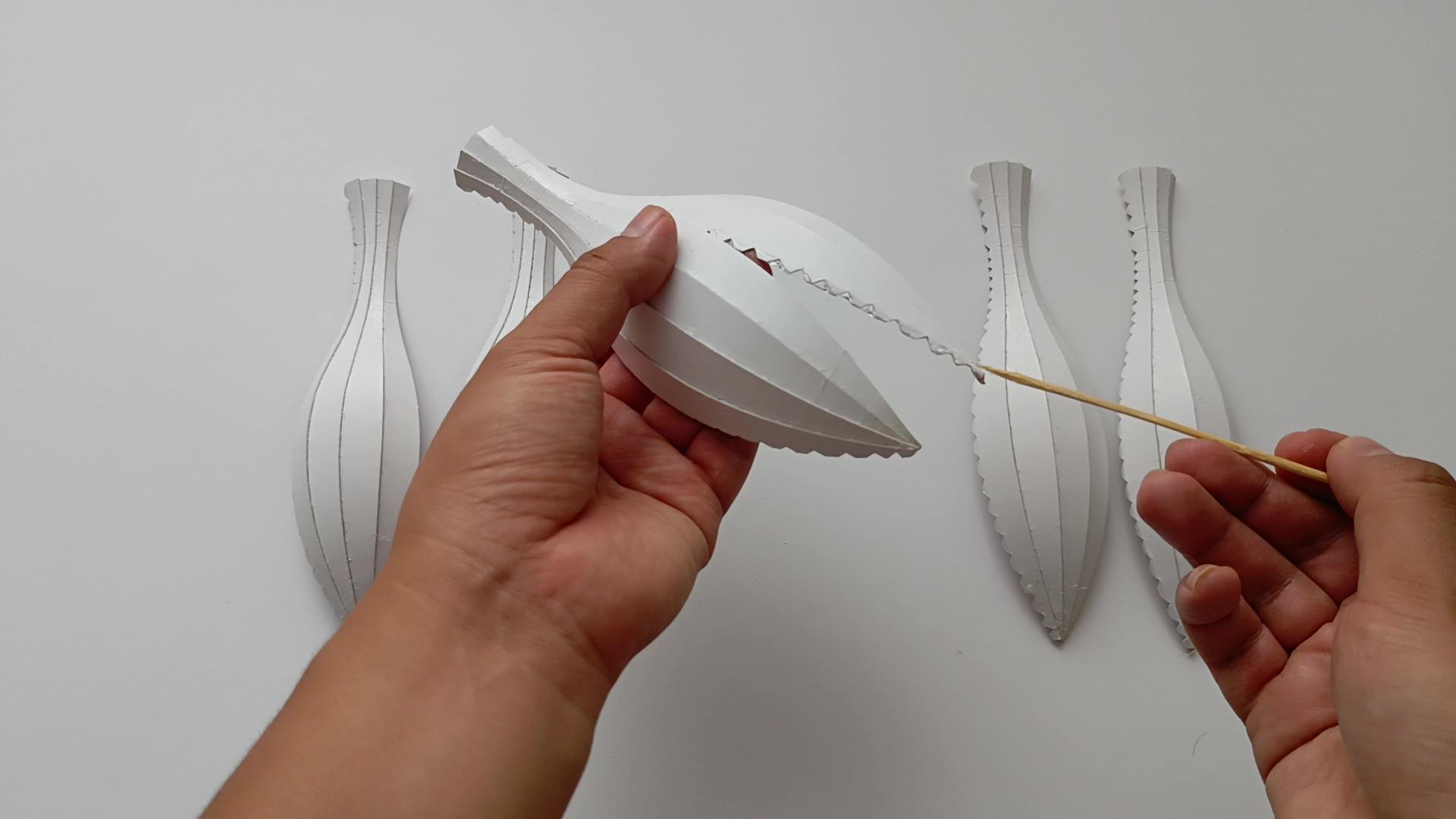


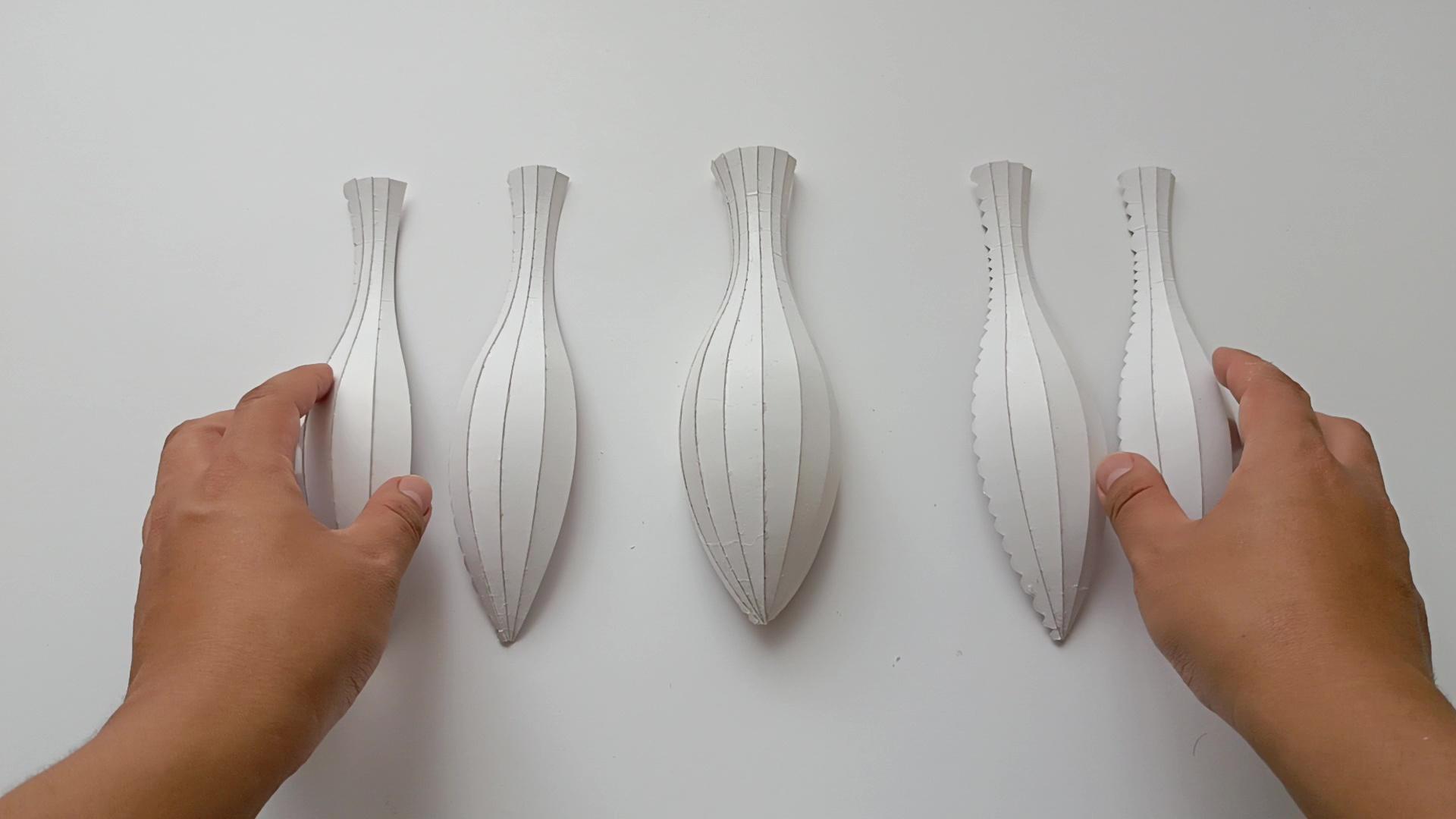
Then we will repeat the same process until we obtain 6 groups made up of 4 pieces each.


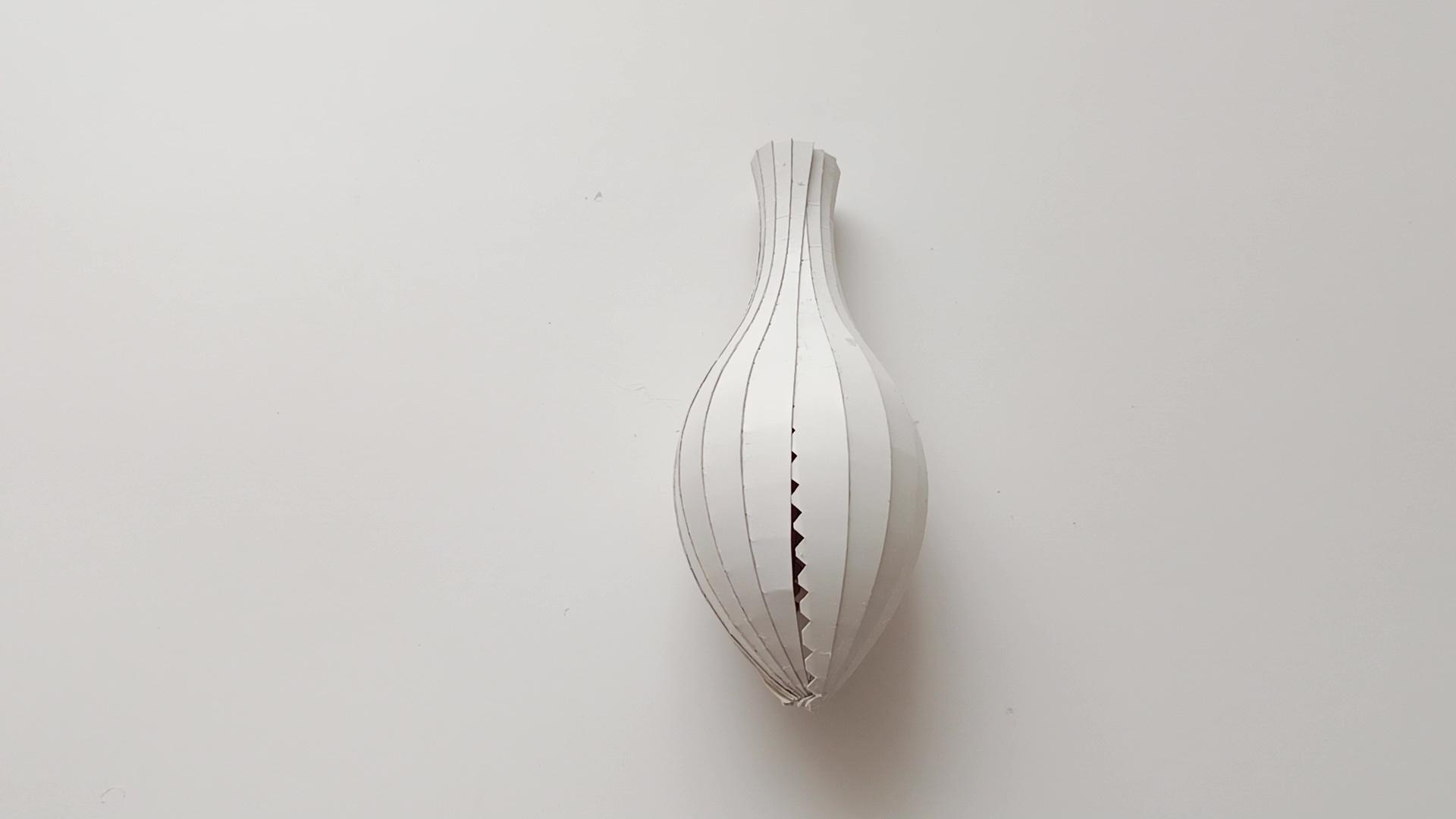
which we will join together in the same way until we obtain three complete pieces made up of 8 pieces


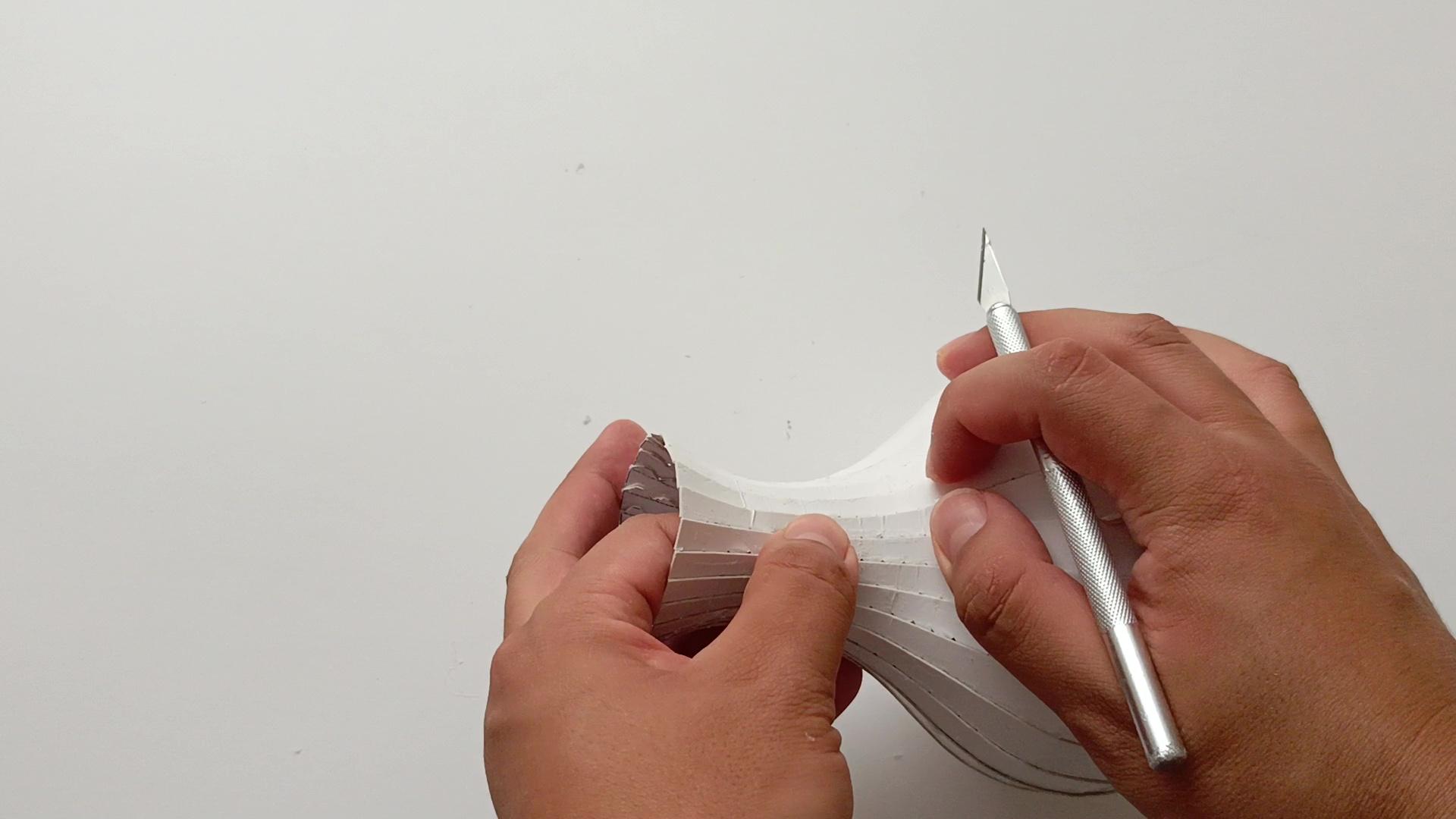
Now, in the same way, use the glue to join these three resulting group pieces.


Be careful and patient at this point; the curvature of the structure can generate unwanted pressures and make gluing a bit complicated if you're not careful.

After cutting, cutting, and pasting, you will obtain the body of the Poporo.

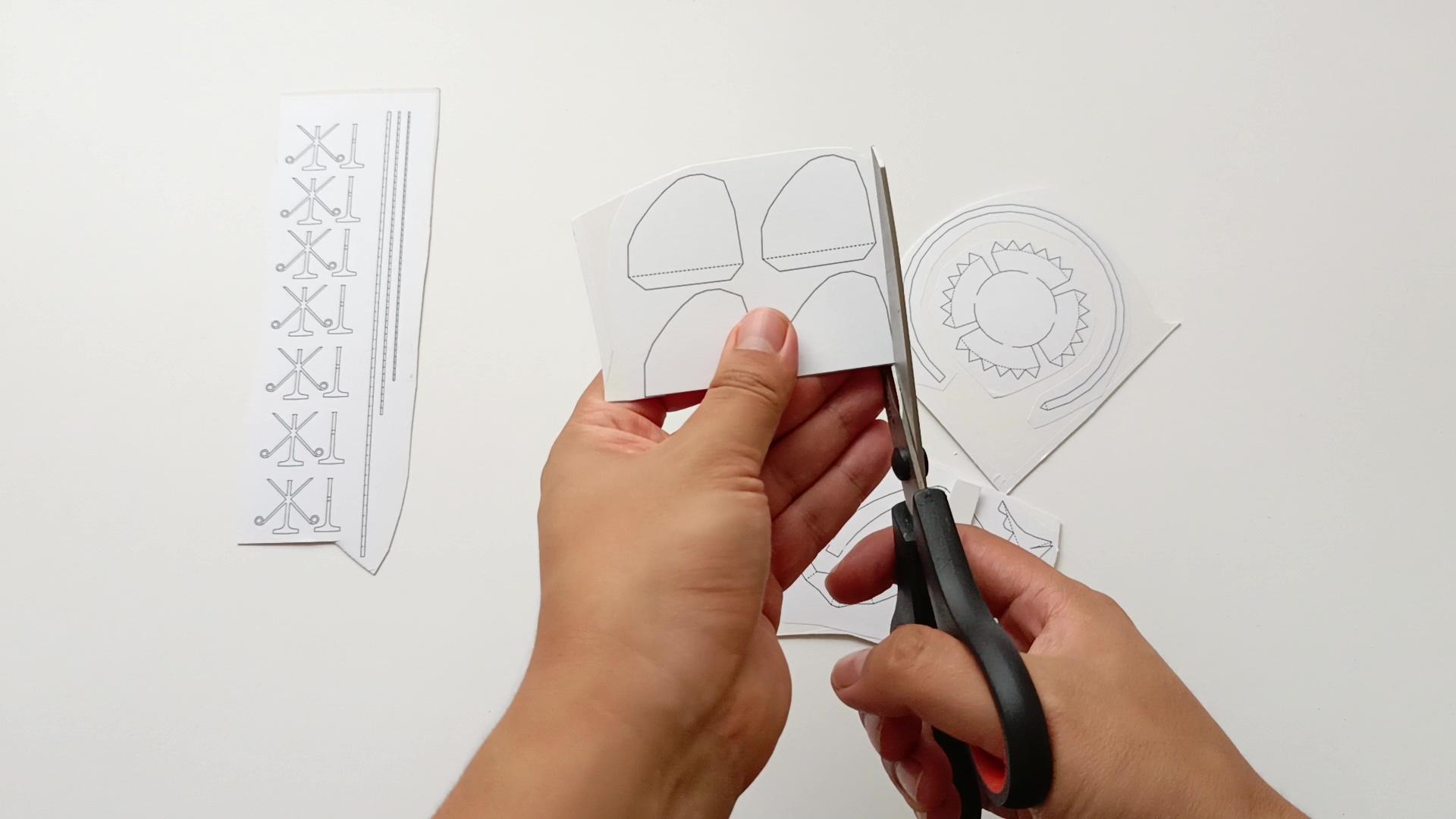

Now we will continue with the piece that forms the top part which holds the 4 spheres
Then we will cut out the templates indicated in the images and assemble them according to the explanation of each step, so pay attention so as not to miss any details


Cut and mark the folds of the tabs

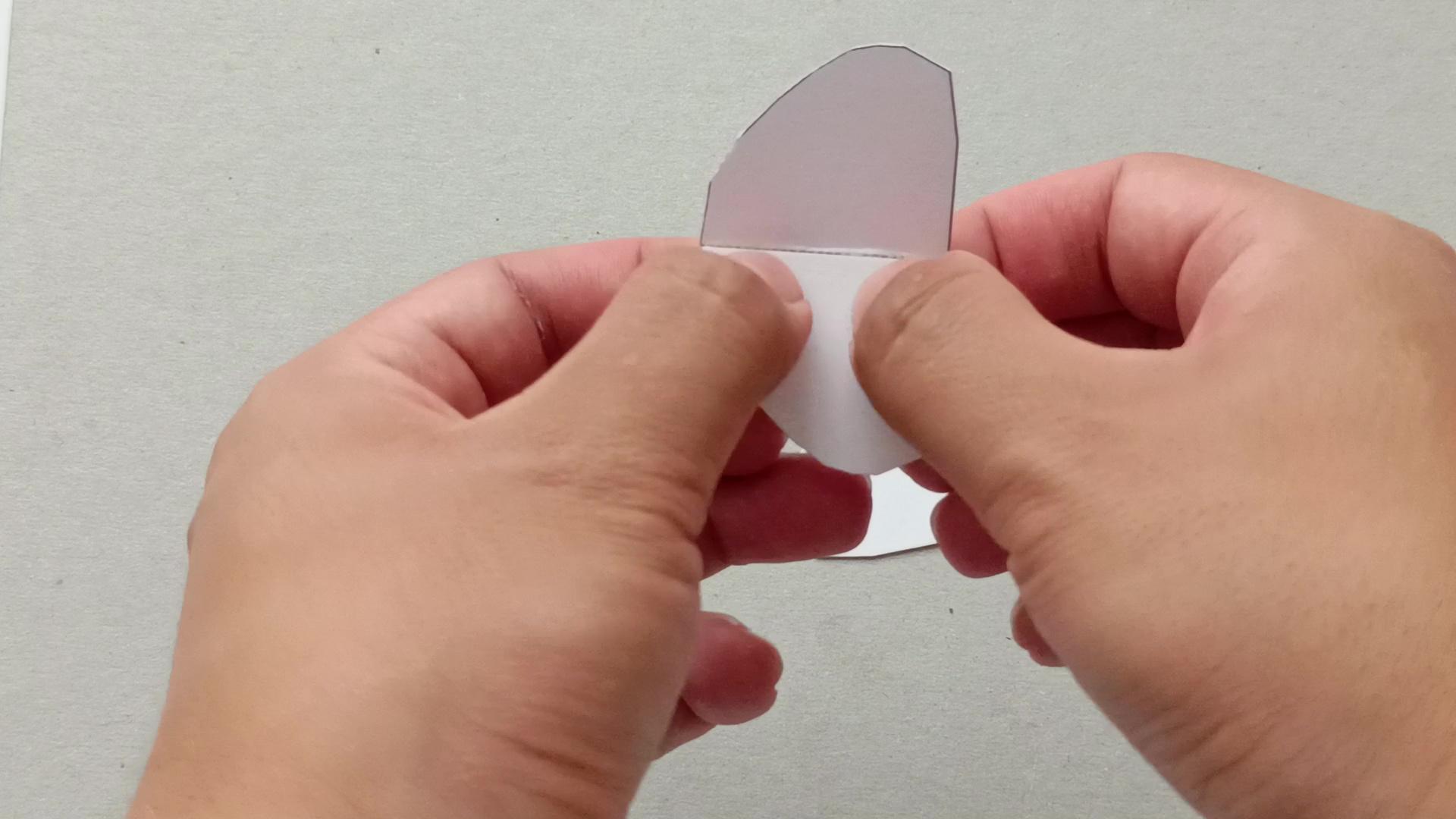


Apply glue and join the pieces according to the images.


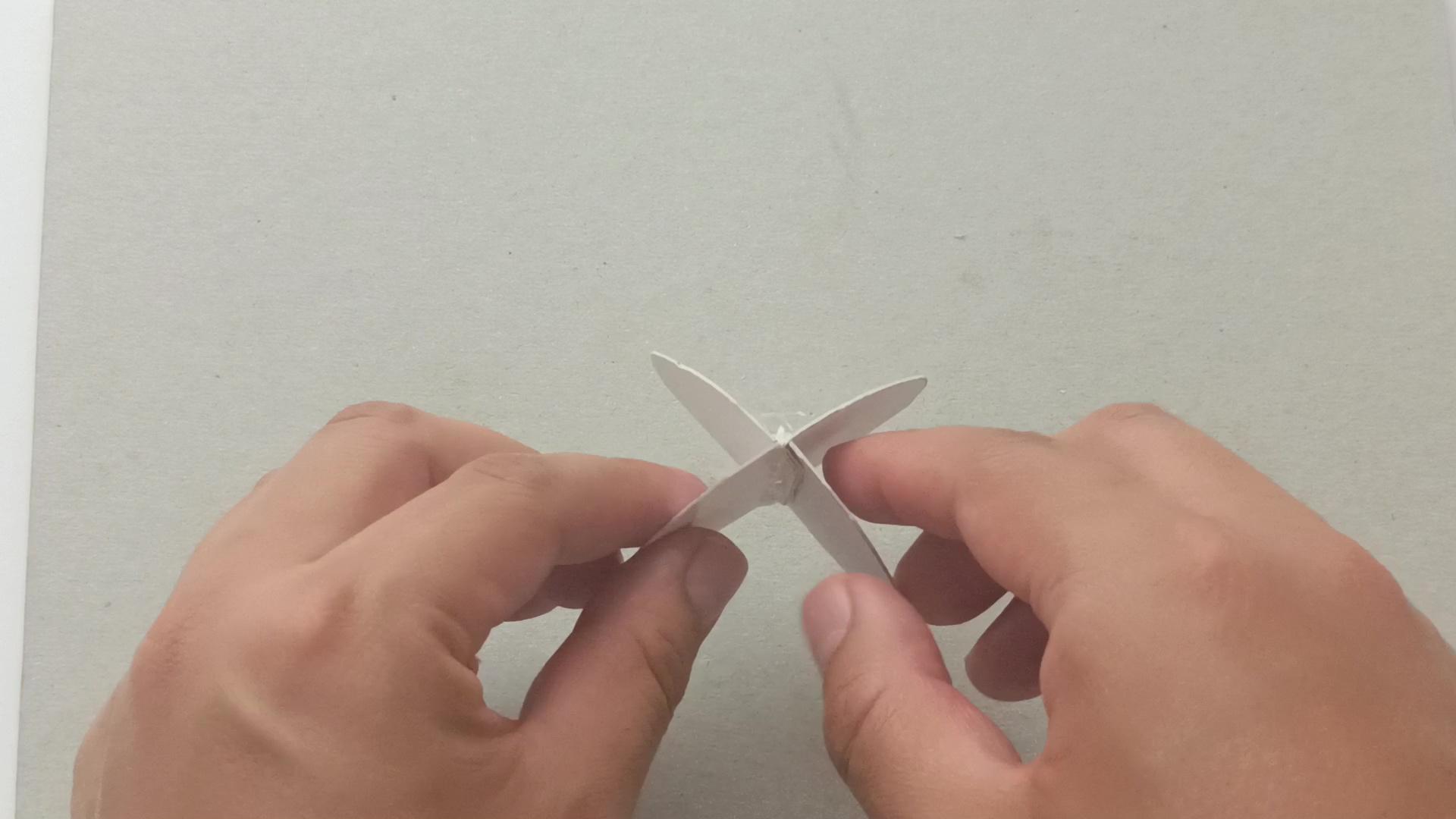
You will obtain the central part of the upper structure

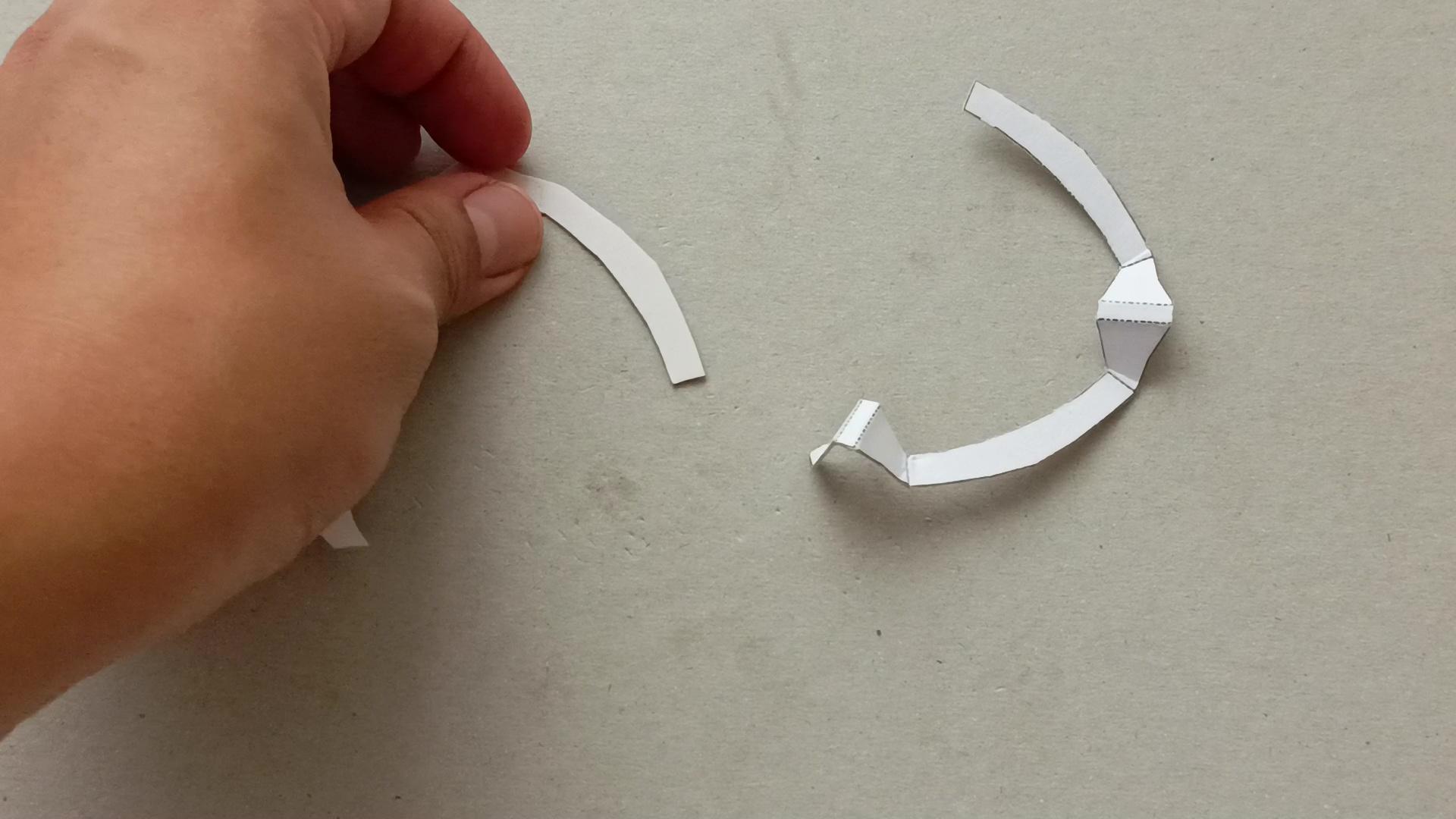


Now we will continue with the beveled edges, which are two pieces and must follow the respective folds in the images.
They are internal and external folds in the shape of a valley and a mountain


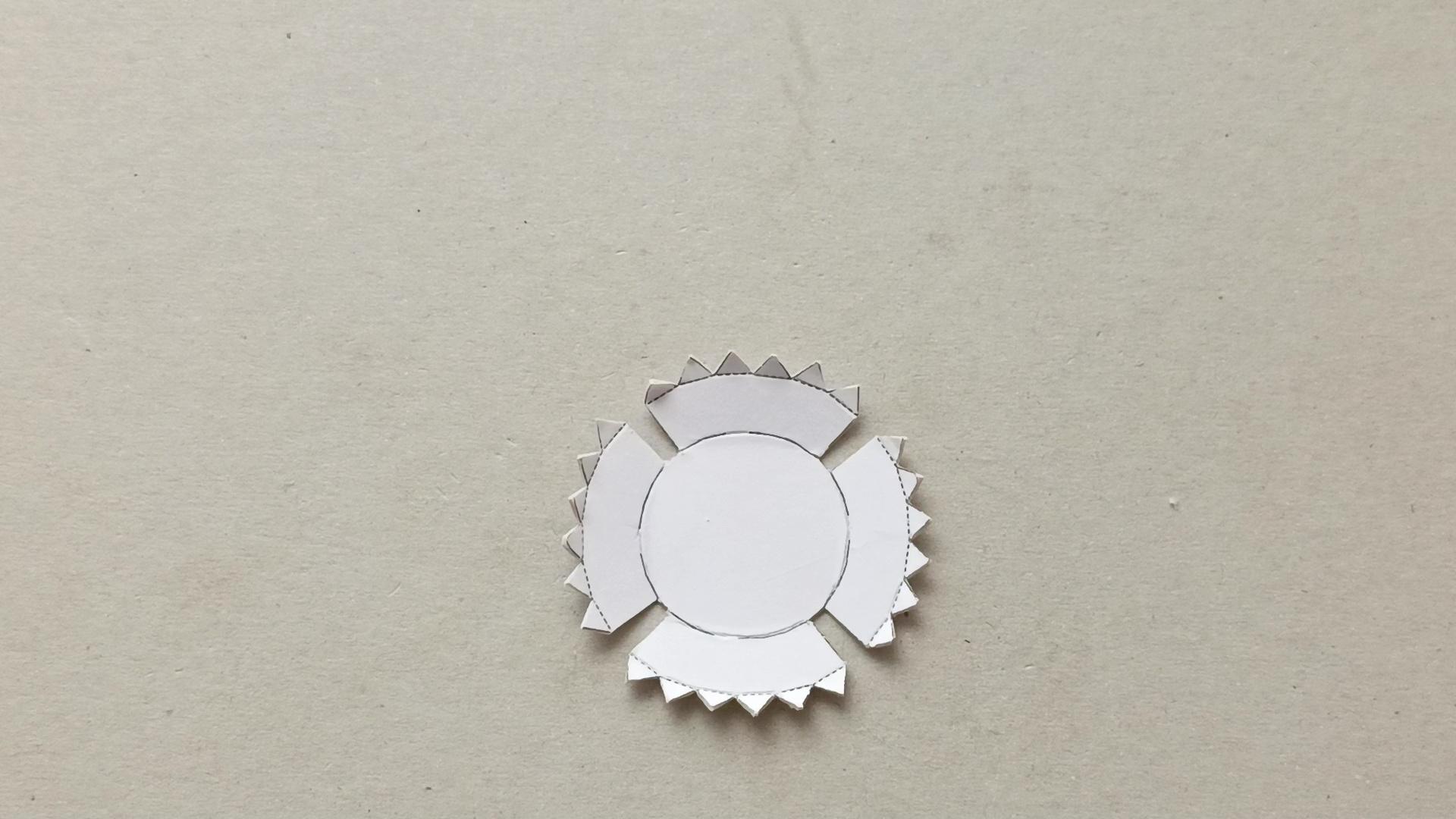
Let's continue with the base of the structure; it's the part that will connect to the body of the Poporo.


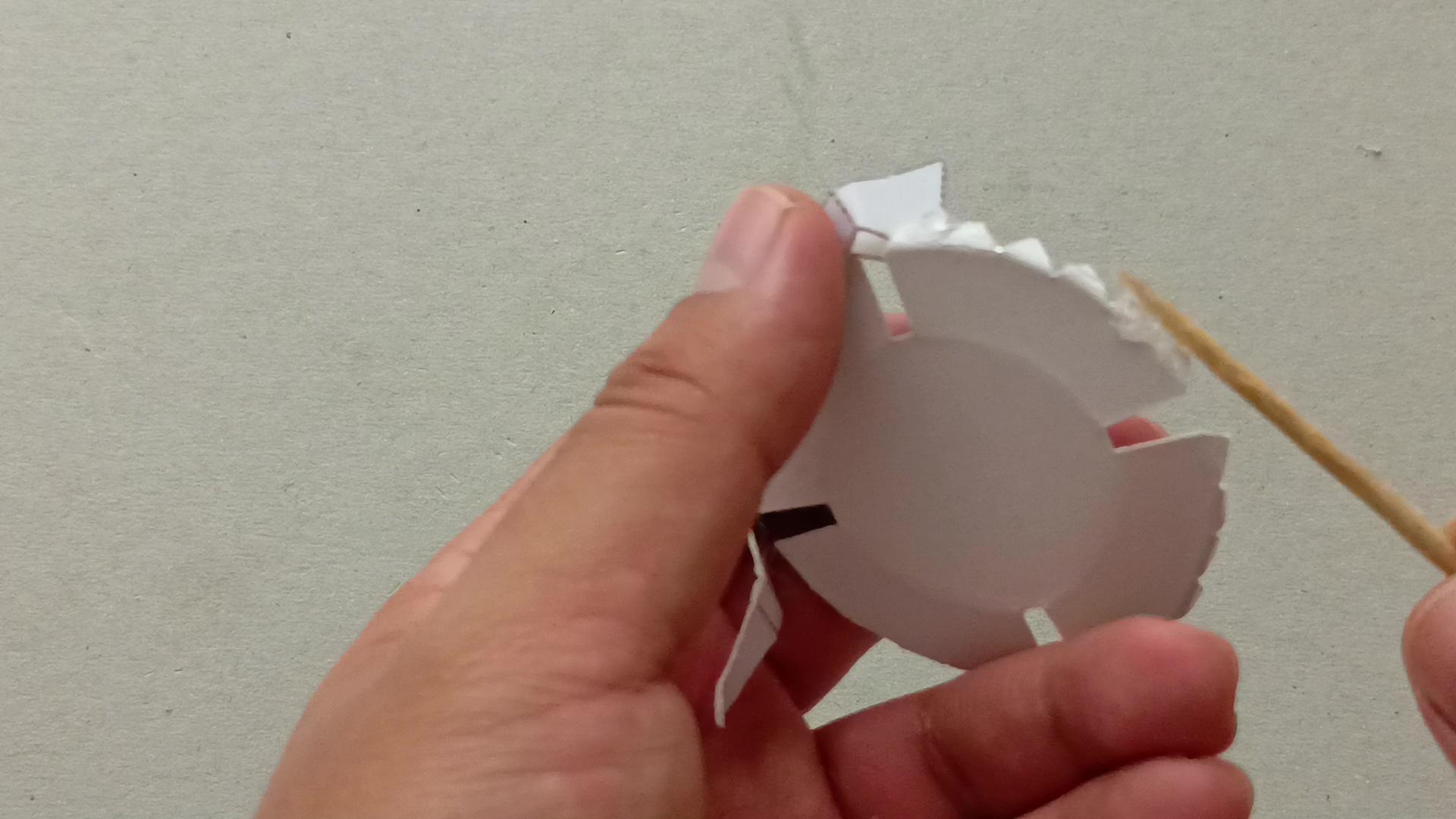
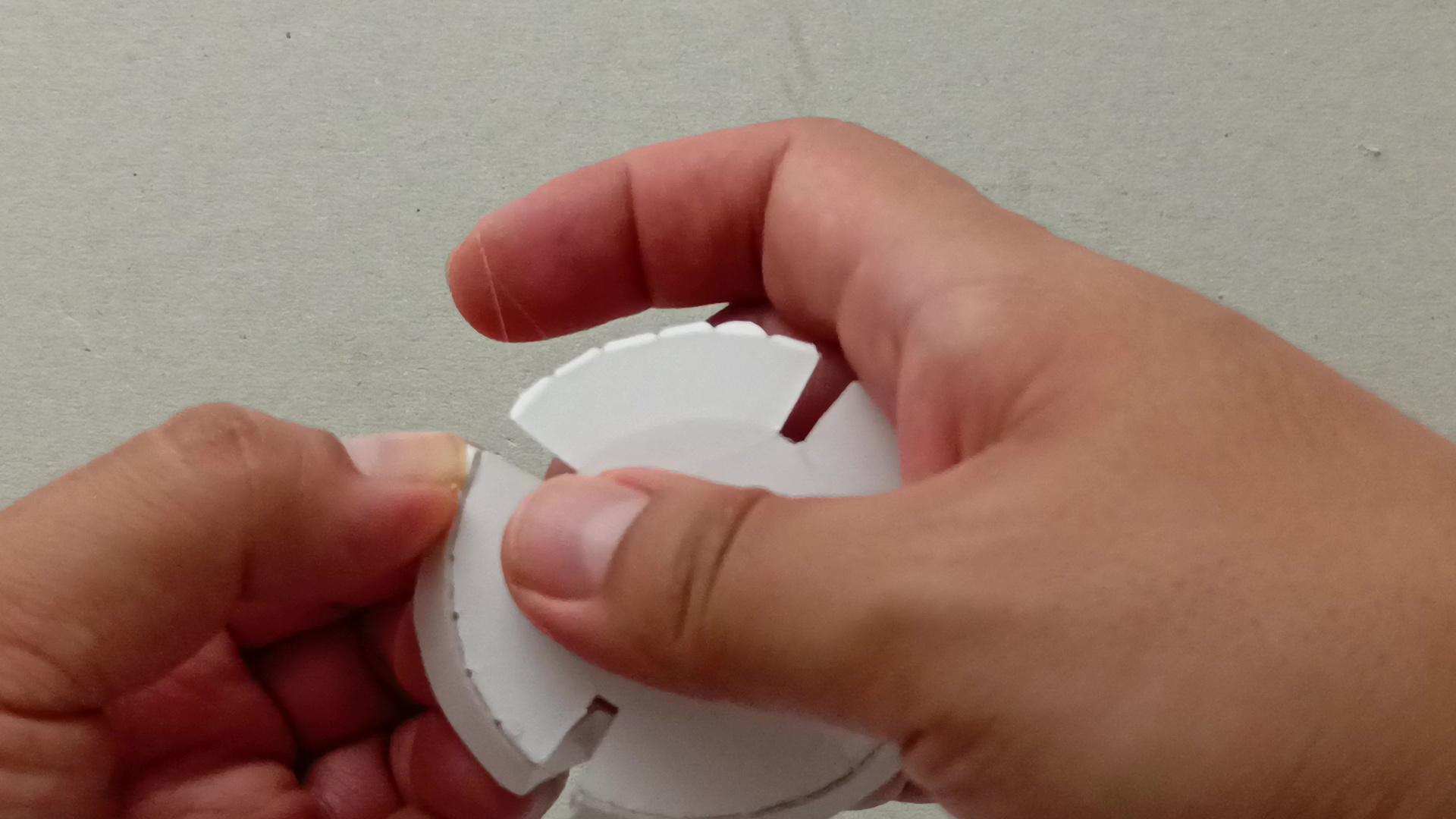

Using glue, attach the beveled edges to the base from the previous step, following the pattern shown in the images, respecting the location of the folds.


Seal all the tabs very well and if you follow the order correctly you will get the piece shown in the images.
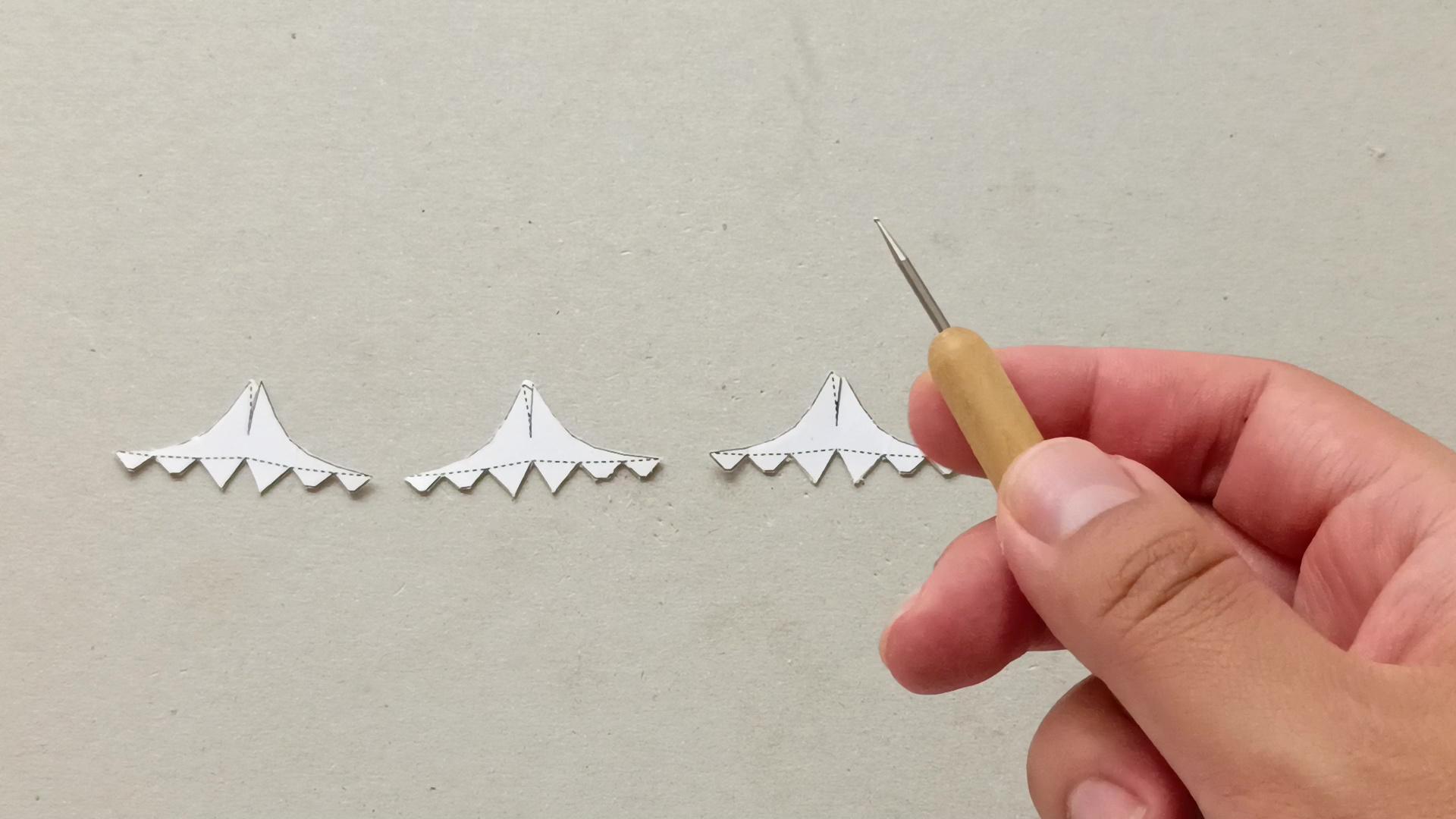
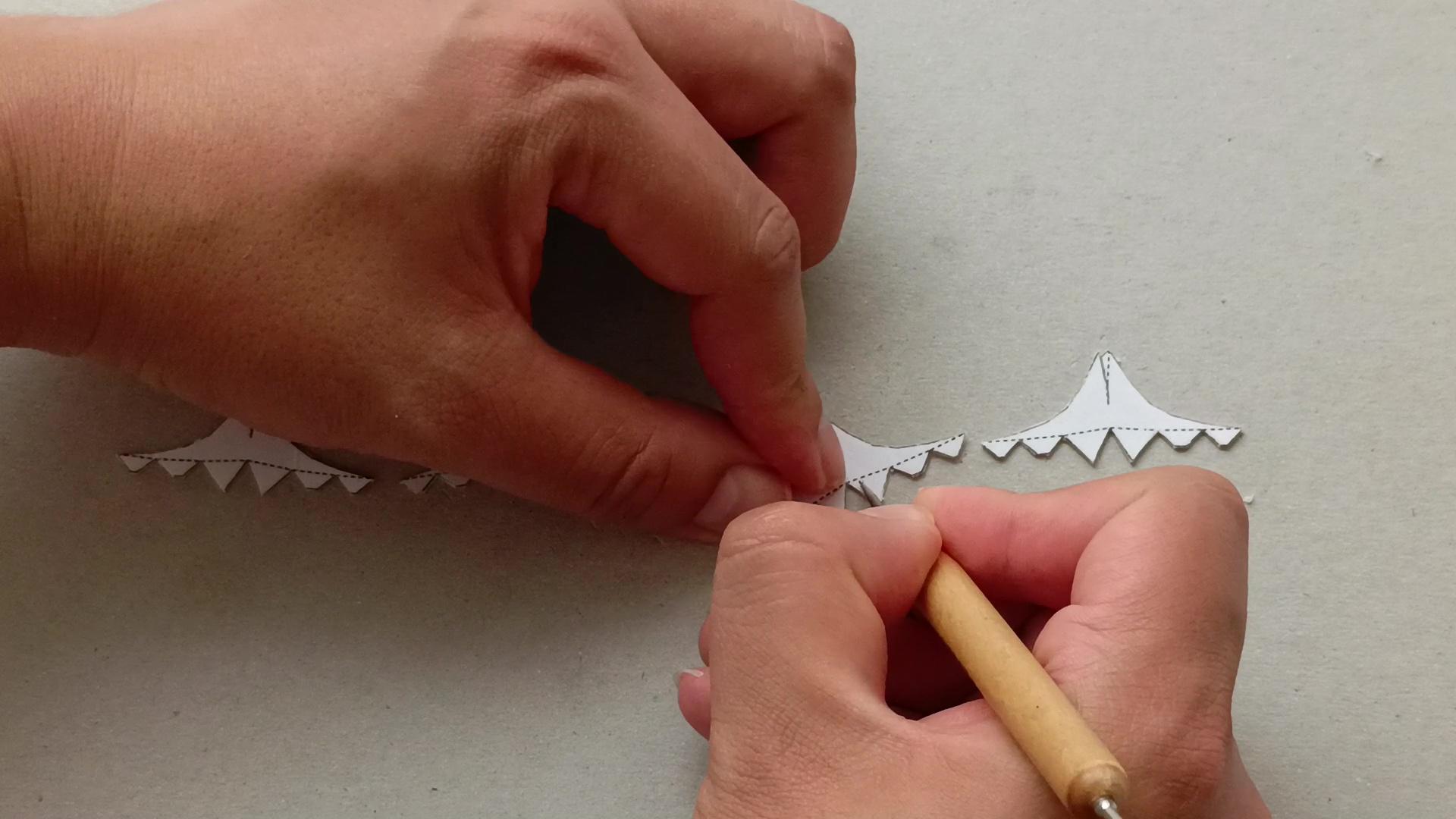

Now cut off the side peaks and emboss the folds.


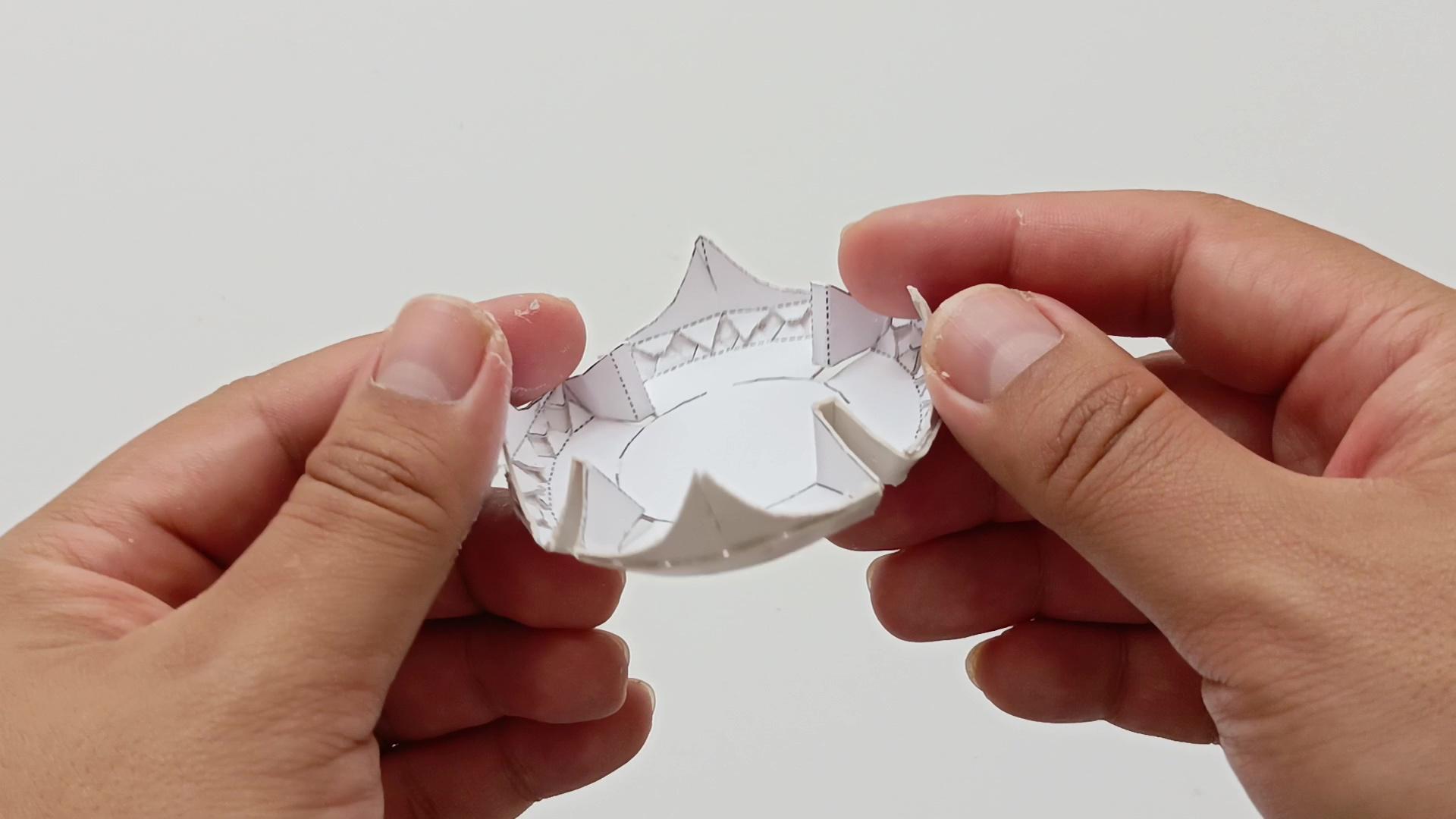
Using the adhesive, install the side spikes according to the images. The order is easy to follow: install one spike for each slot on the side.


Now we will place the top part of the dome, which is star-shaped, but to form it we must follow a specific order.
So use the images as a guide, and remember to make the respective folds.

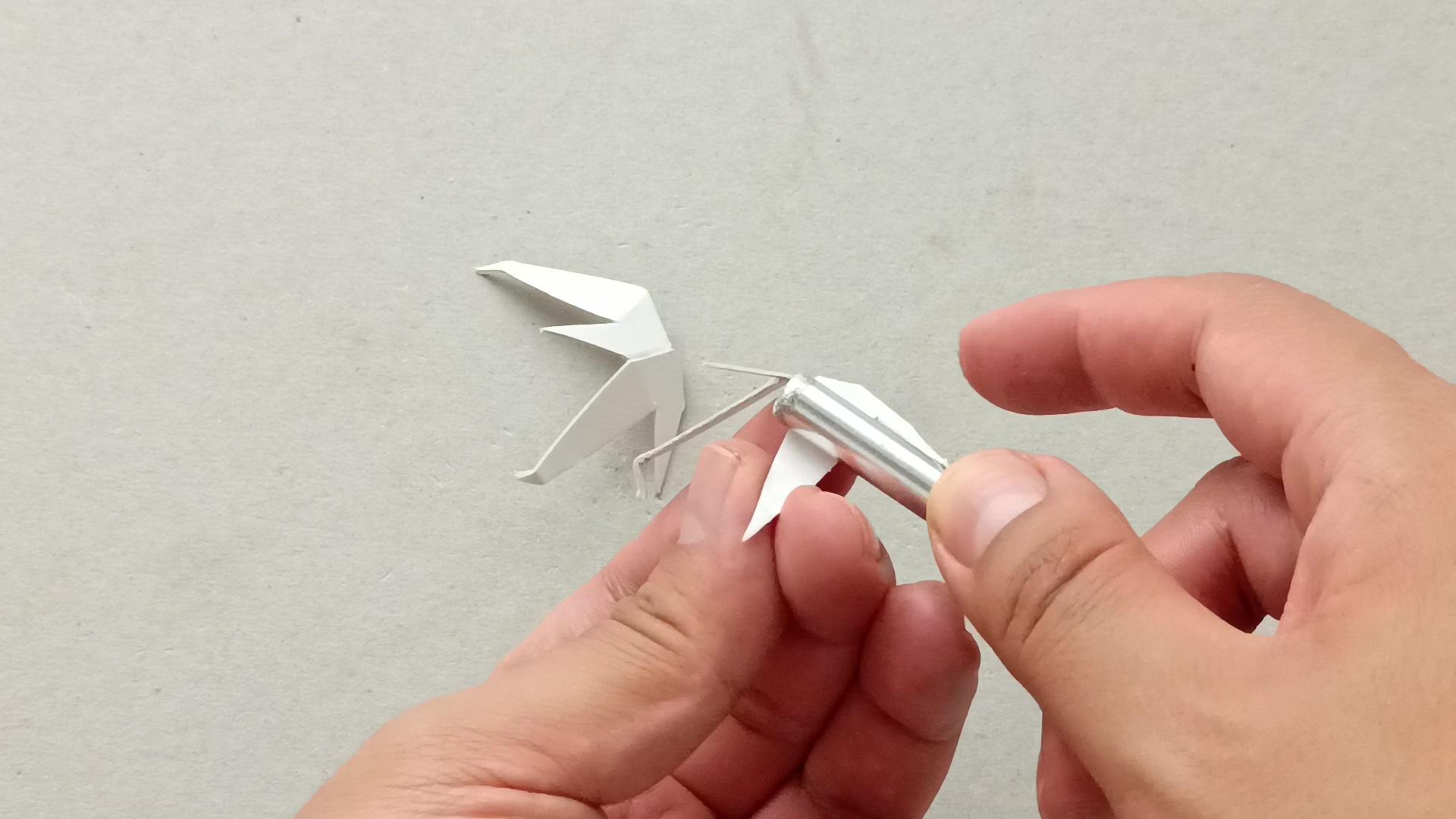

Now, using a cylindrical object, we will form small curves in the longer parts of the resulting star.
It can be a pencil or any object of a size appropriate to the fold we want to obtain.


Glue all the resulting pieces together to form the top central star of the dome.


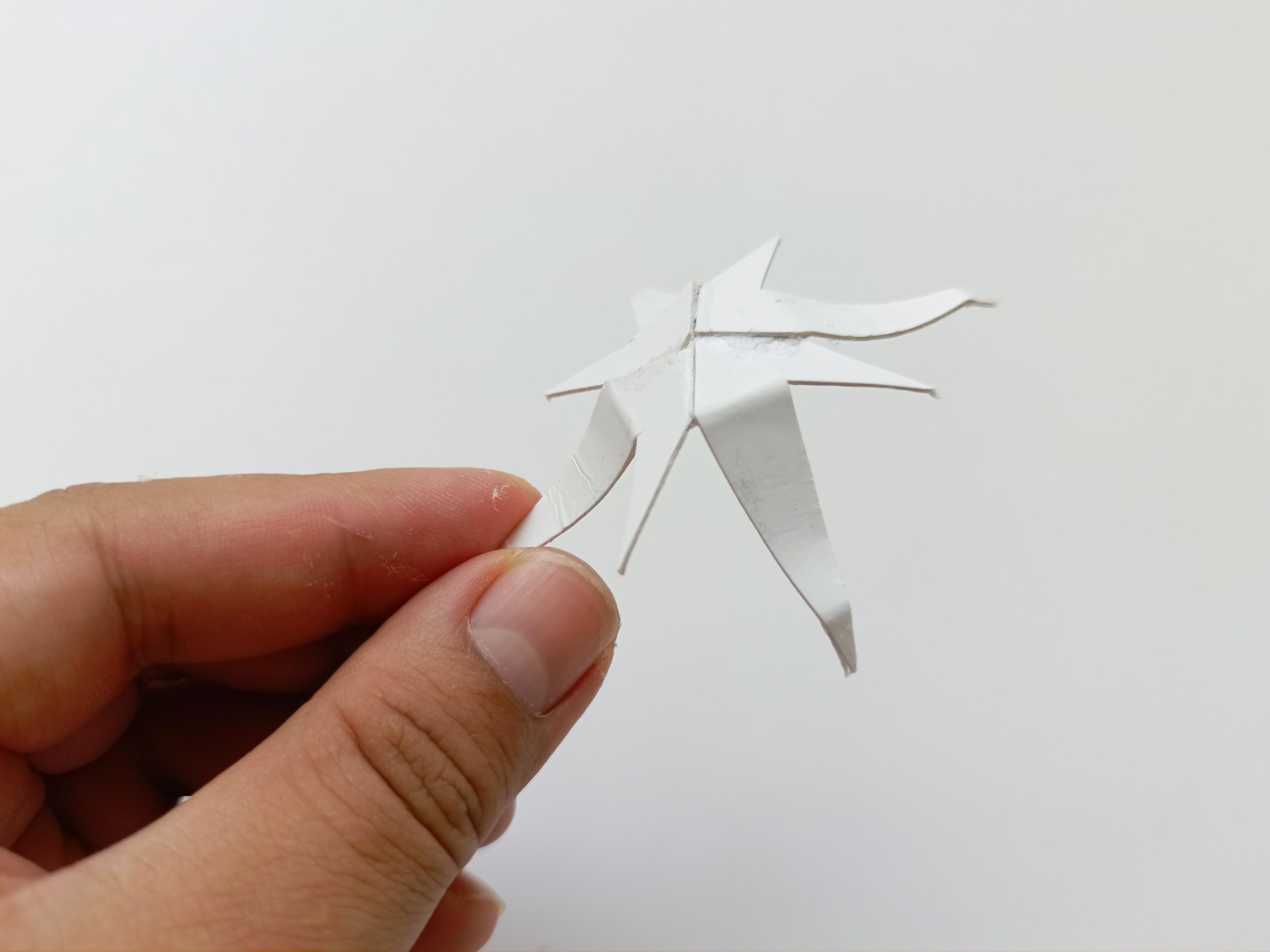
If you follow the steps correctly, you will obtain three parts that we will glue together below.


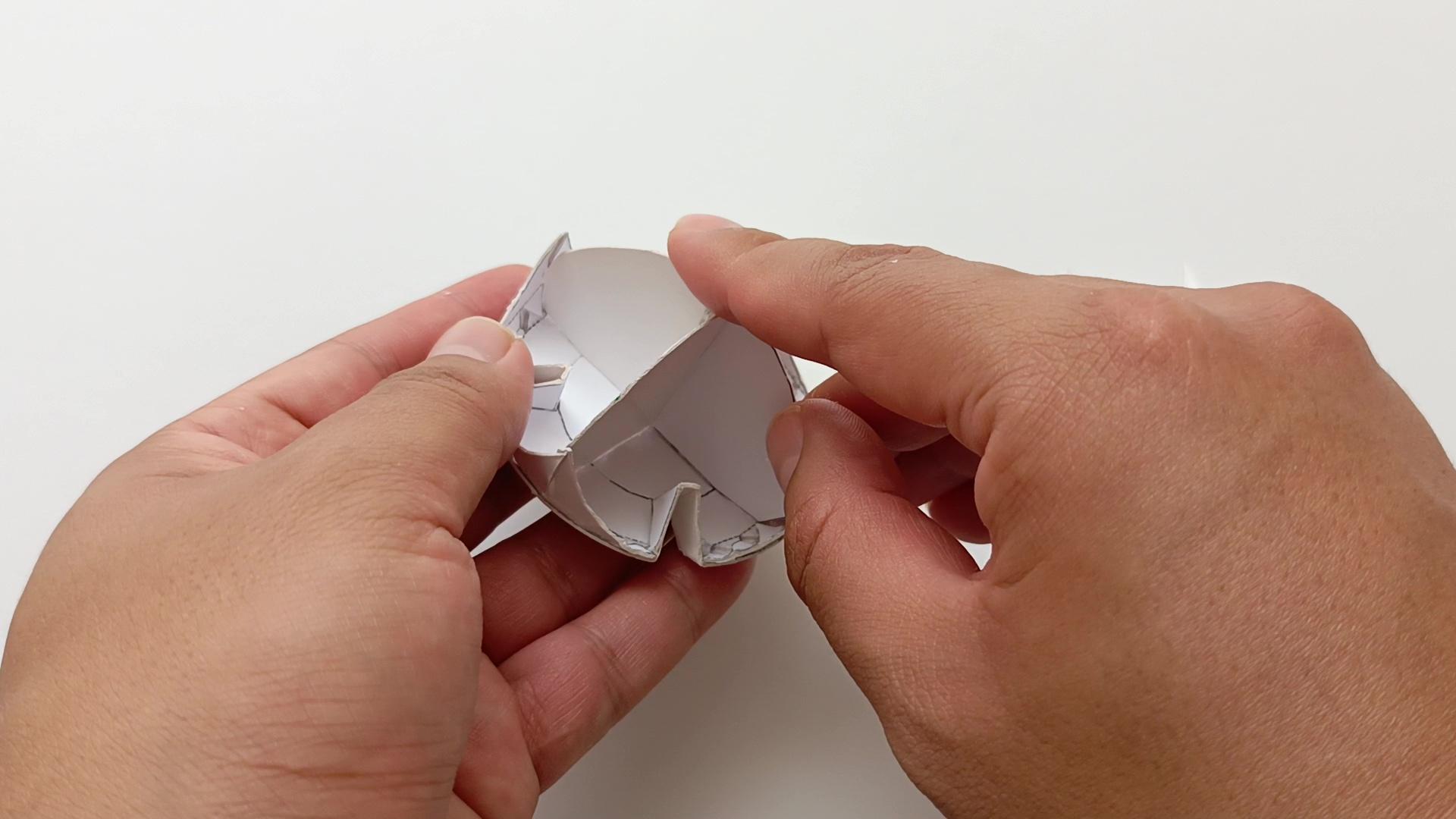

First we will glue the central part to the base, which borders the peaks at each of its 4 corners.
Use glue on the edges and press for a perfect fit

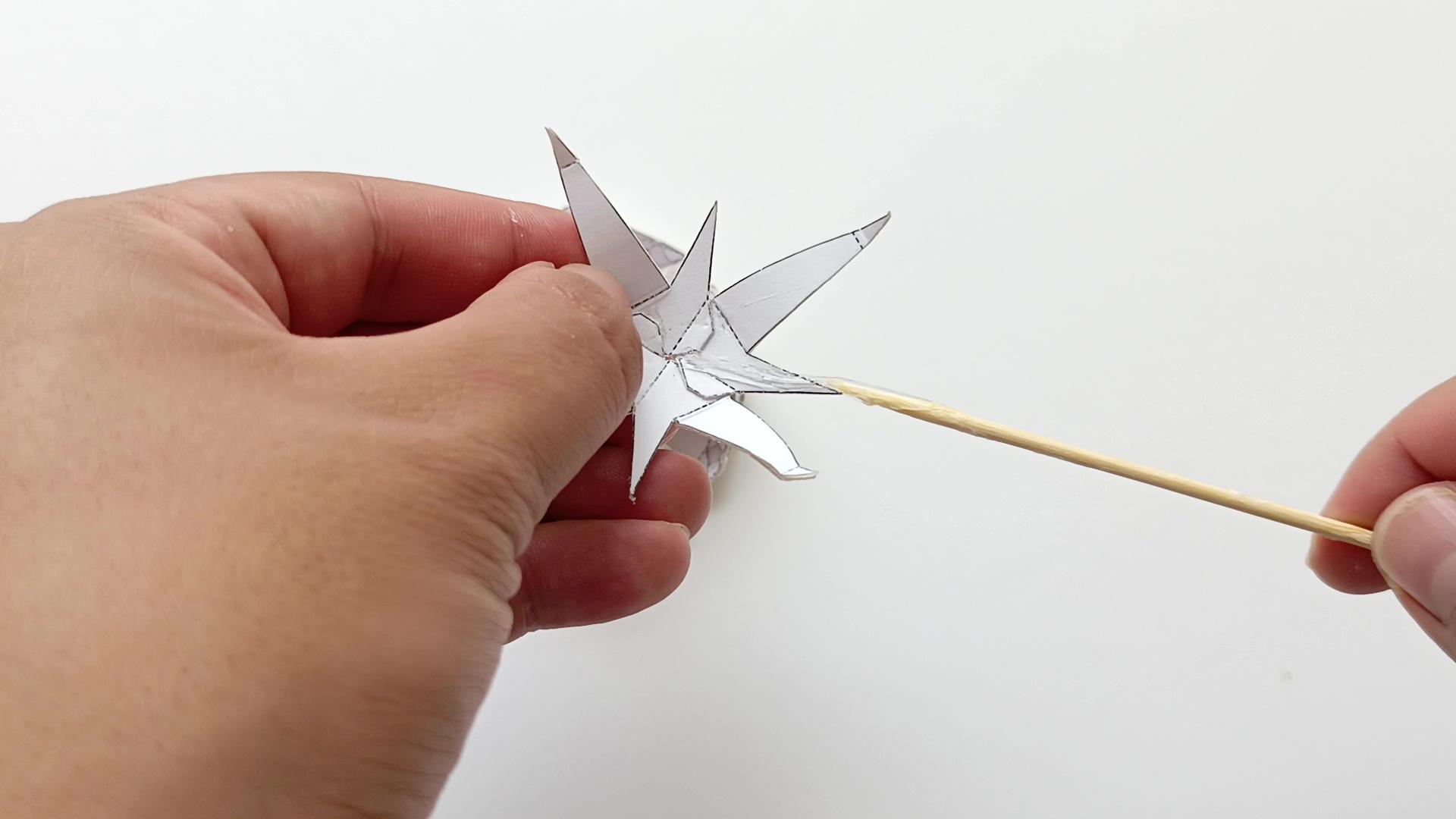

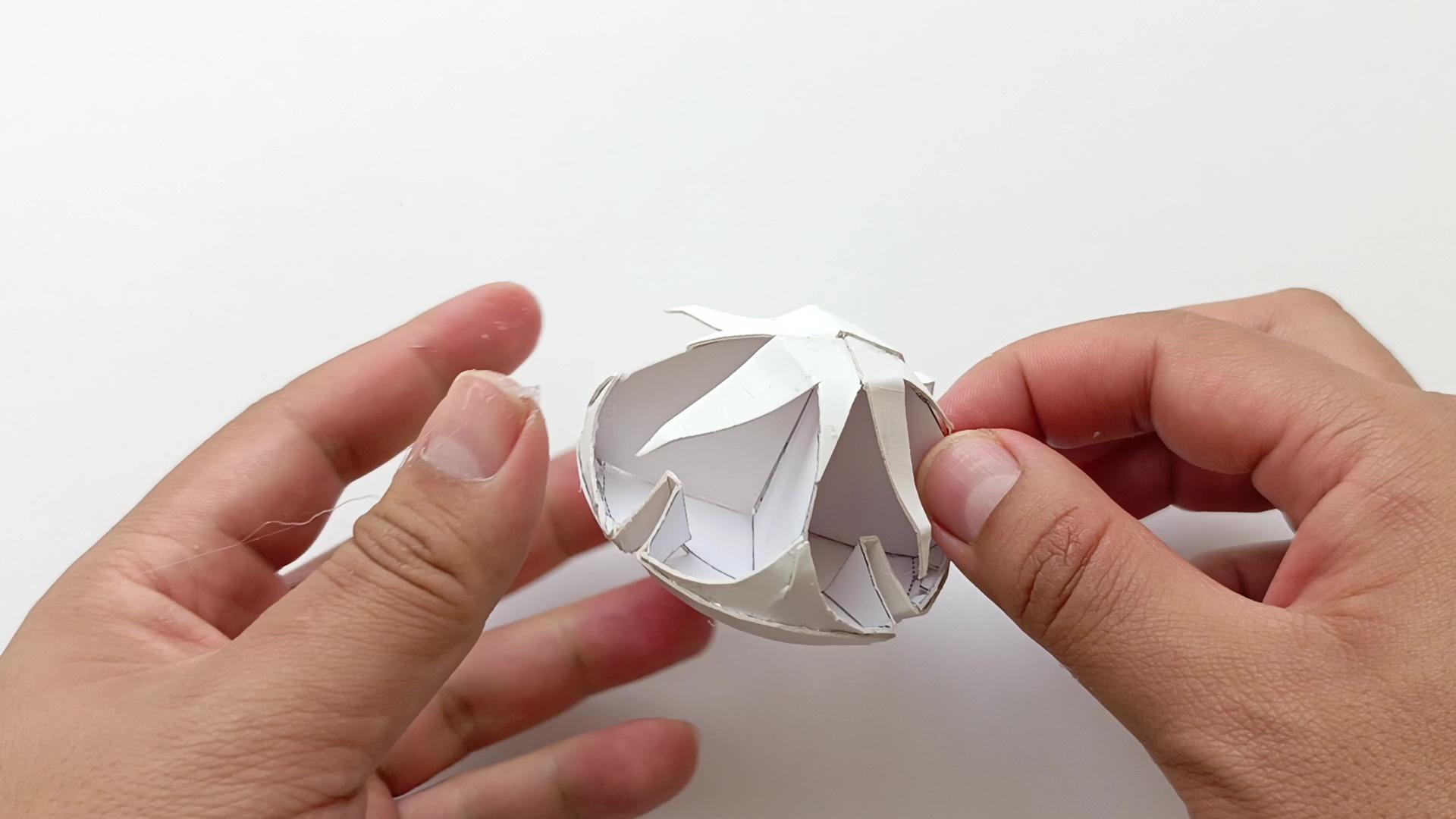
Finally, we will glue the star on by applying glue to its center and pressing down to ensure it fits correctly.
The longer points of the star join the slots in the base.


So to finish, apply a little glue to the tips of the corresponding tabs and attach them to the inside of each of the 4 slots in the base.

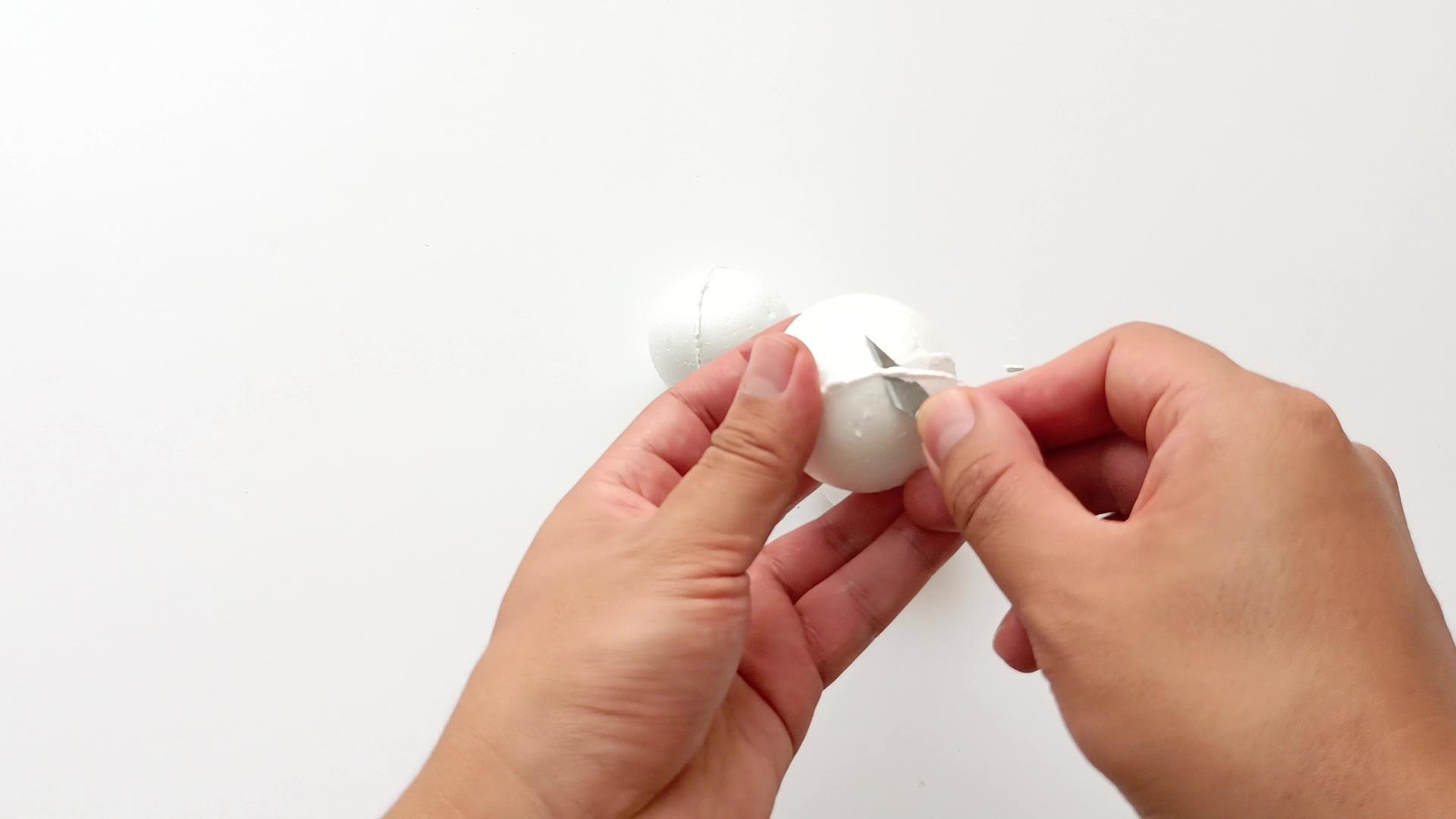

Prepare the Styrofoam balls, cutting off the excess and using sandpaper to smooth the edges of the central joint to make them invisible.
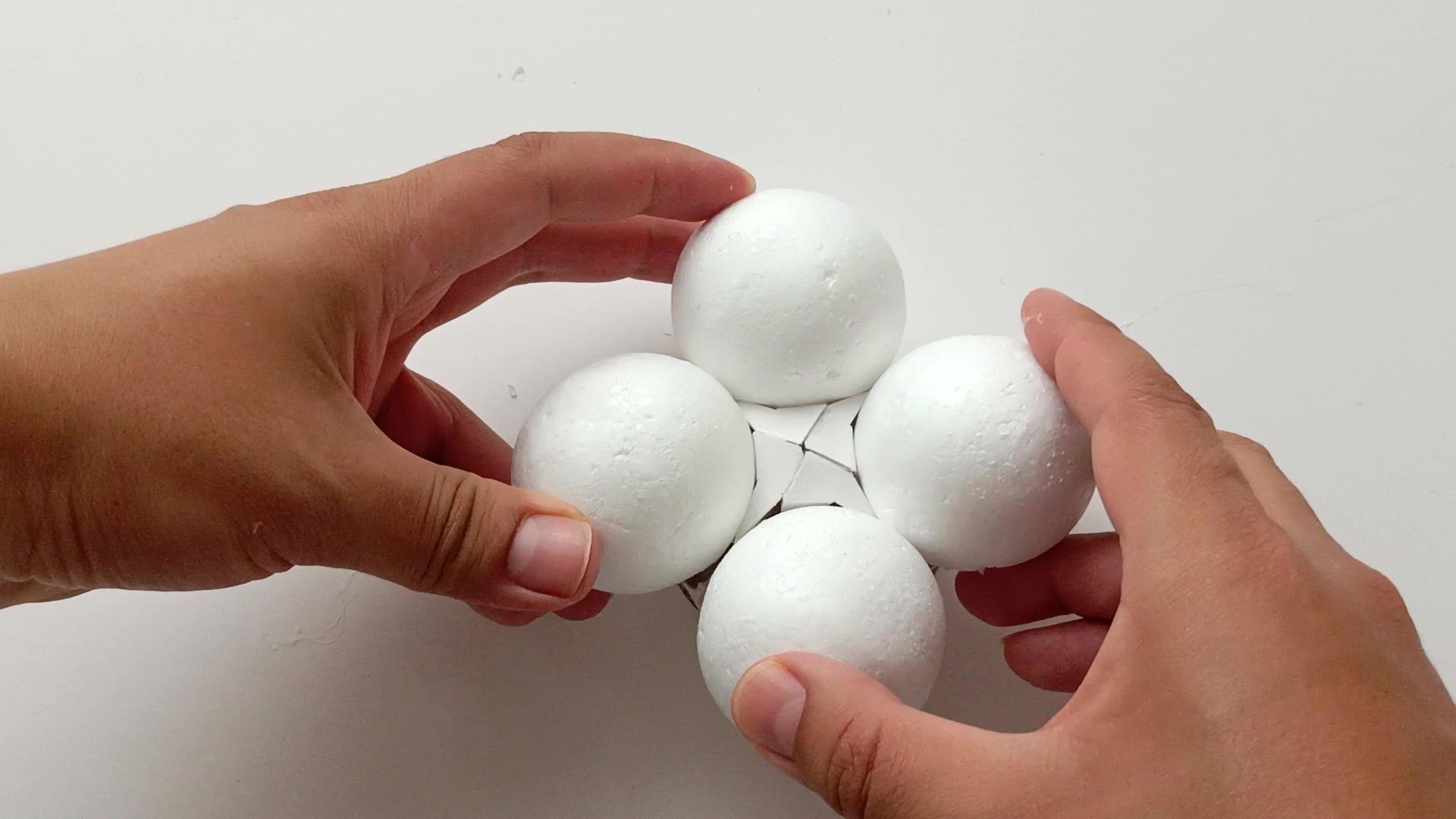

Install the spheres with a little glue on the resulting top piece


This is how we will obtain the upper and body pieces of the Quimbaya poporo