Redesigning the Cookie: No-Oven High-Protein Cookies From a College Hostel
by Abhinav krishna in Cooking > Cookies
79 Views, 2 Favorites, 0 Comments
Redesigning the Cookie: No-Oven High-Protein Cookies From a College Hostel
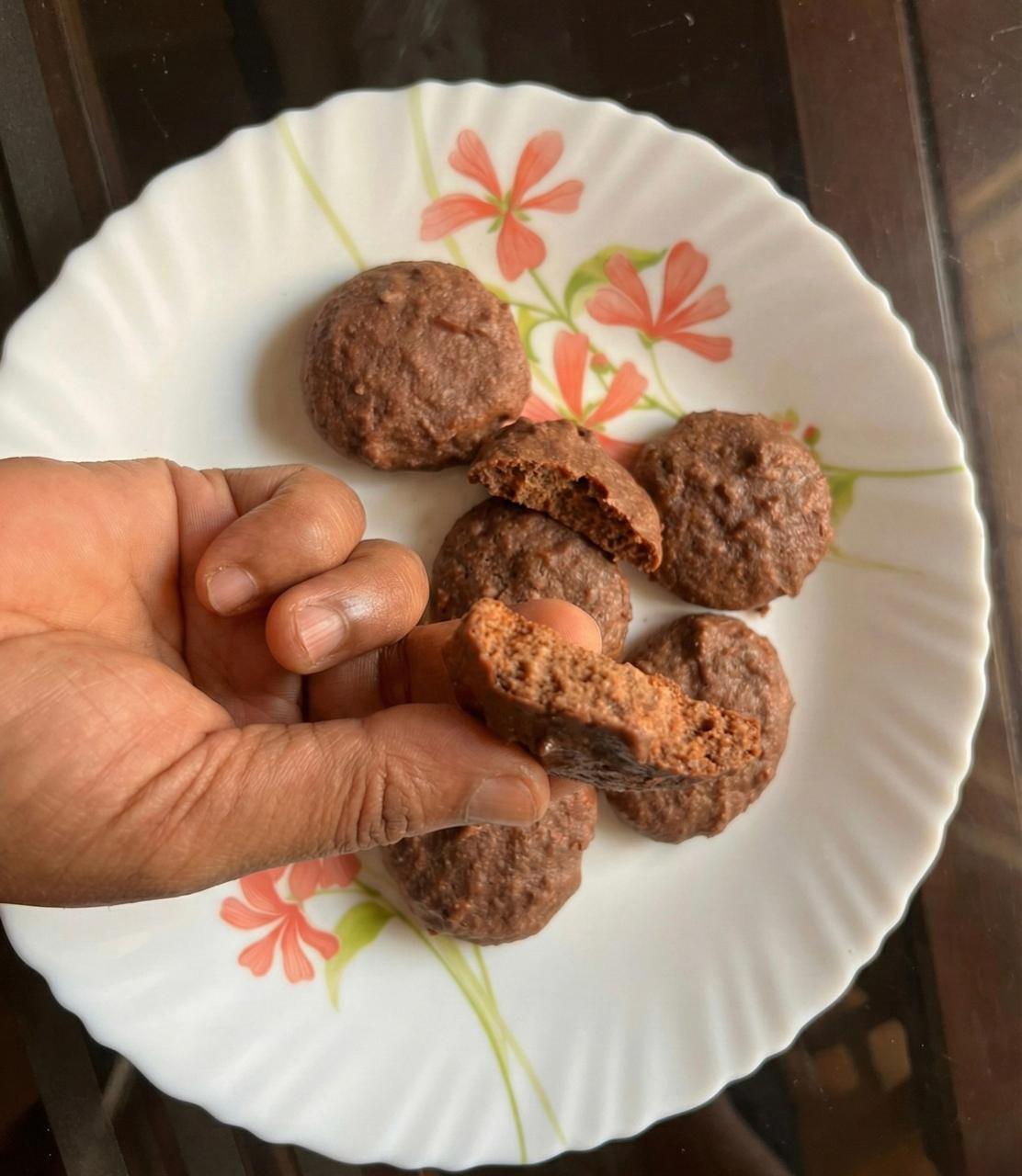
Cookies are usually associated with ovens, sugar, and indulgence. But as a college student living in a hostel, I didn’t have access to an oven—and I also didn’t want another sugary snack that would leave me hungry again in an hour.
At the same time, as someone who works out regularly, I needed easy, portable ways to hit my daily protein goals without relying on expensive protein bars or processed snacks.
So instead of giving up on cookies altogether, I asked a different question:
What if a cookie was designed for performance, portability, and real-life constraints?
This Instructable documents how I designed and cooked a high-protein, healthy cookie using a completely no-oven method, with simple ingredients and basic cookware that anyone can access—especially students, hostel residents, or people without full kitchens.
This is not just a recipe.
It’s a practical redesign of a familiar food, shaped by real limitations.
Supplies

Dry Ingredients
Whey Protein Isolate – 60 g
This is the main protein source. I recommend unflavored whey isolate because it mixes smoothly and avoids artificial sweetness. Isolate also absorbs less moisture than concentrate, giving better texture.
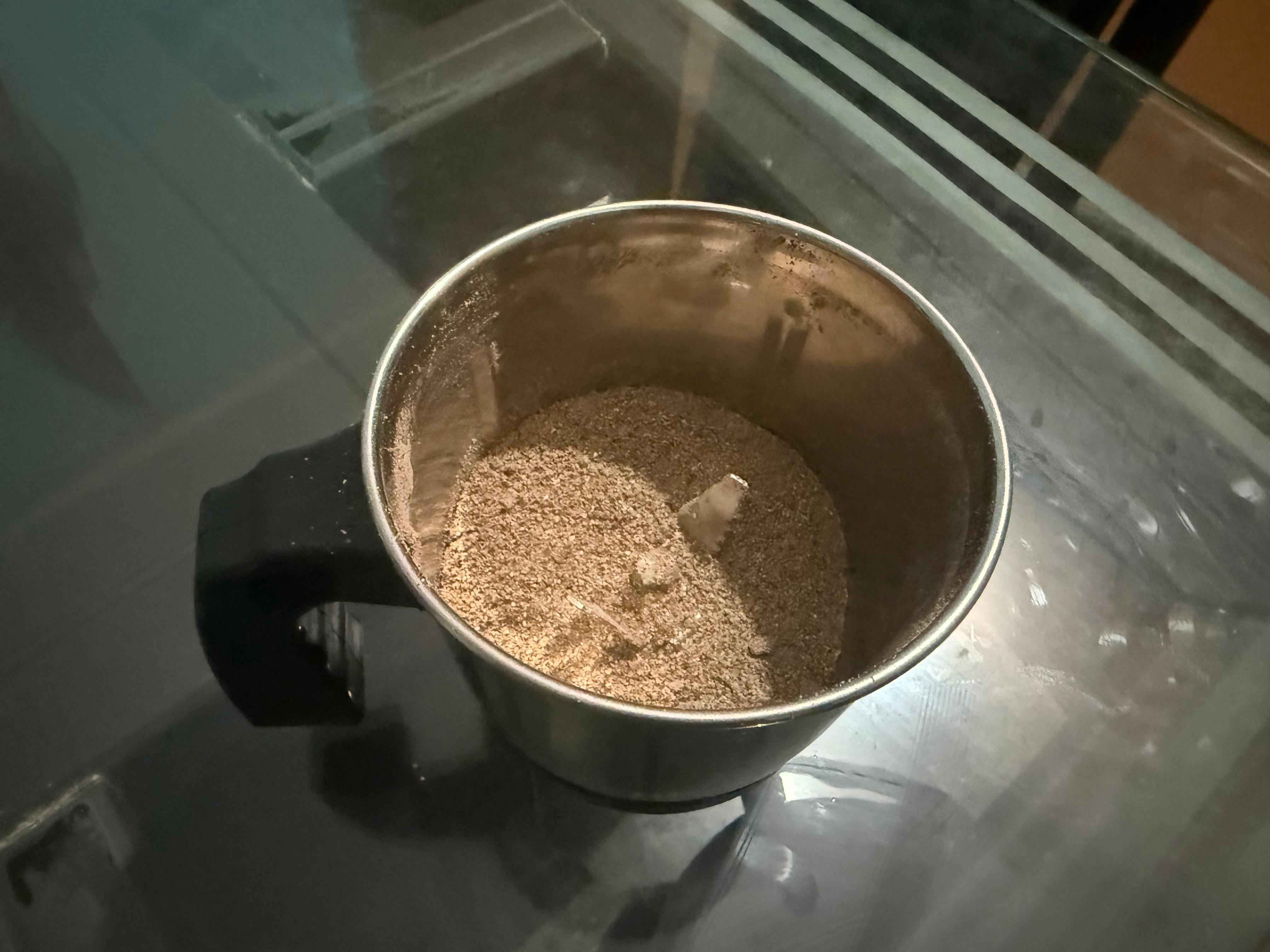
Oat Flour – 70 g
Provides structure and slow-digesting carbohydrates. You can make this easily by grinding rolled oats in a mixer.Instead of regular oats, I used high-protein oats from Pintola to increase the overall protein content without relying only on protein powder.I blended the oats into a fine flour using a mixer, which helps the dough bind better and gives a smoother cookie texture.
Baking Soda – ¼ teaspoon
Used in a very small amount to prevent the cookie from becoming dense. Since this is a no-oven method, we only need minimal lift.
Salt – ¼ teaspoon
Balances flavor and prevents the cookie from tasting flat.
Cinnamon (optional) – ½ teaspoon
Helps mask any protein aftertaste and adds warmth.
Wet Ingredients
Natural Peanut Butter – 60 g
Adds healthy fats and prevents dryness caused by protein powder.
Thick Greek Yogurt – 50 g
Adds moisture, protein, and slight acidity, which helps with texture.
Egg – 1 large
Acts as a binder and provides structure.
Honey or Maple Syrup – 30 g
Adds mild sweetness and helps retain moisture.
Vanilla Extract – 1 teaspoon
Improves overall flavor.
Optional Add-Ins
- Dark chocolate chips
- Chopped nuts
Keep add-ins minimal so they don’t overpower the base.
What This Cookie Is Designed For
Before cooking, it’s important to understand the intention behind this cookie.
This cookie is meant to be:
- High in protein (to support muscle recovery and growth)
- Filling and satisfying (not a “fake healthy” snack)
- Easy to carry to classes, the gym, or travel
- Cooked without an oven
- Simple enough for beginners
This cookie is NOT meant to be:
- A soft bakery dessert
- Extremely sweet
- Decorative or festive
Keeping this in mind helps avoid common mistakes later.
Preparing the Dough (Do This Carefully)
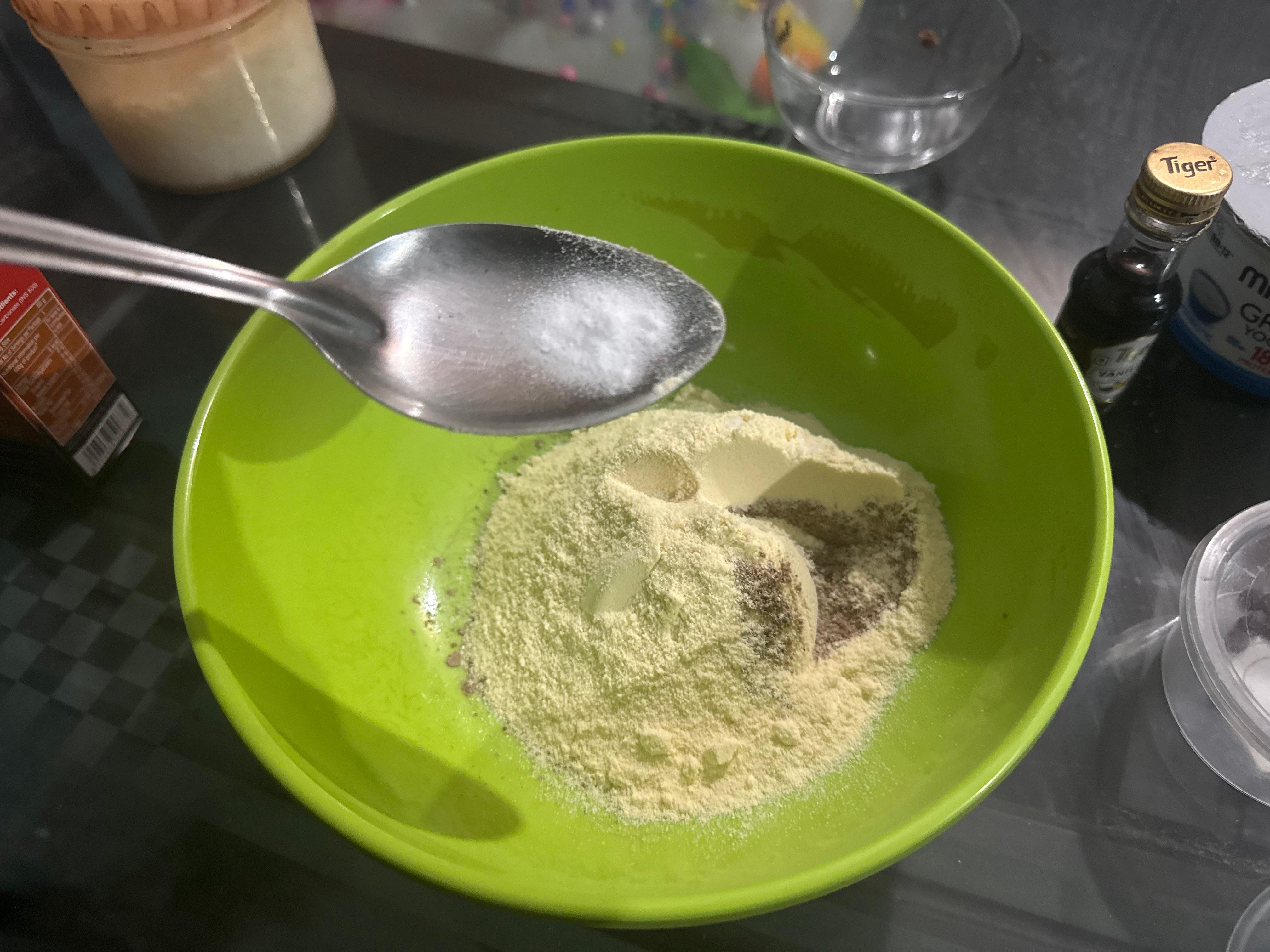



Step 2.1: Mix the Dry Ingredients
In a bowl, add:
- Whey protein
- Oat flour
- Baking soda
- Salt
- Cinnamon
Whisk well.
Tip:
Break all lumps now. Protein clumps here will never fully dissolve later.
Step 2.2: Mix the Wet Ingredients
In another bowl, mix:
- Peanut butter
- Greek yogurt
- Honey
- Vanilla extract
Mix until smooth and uniform.
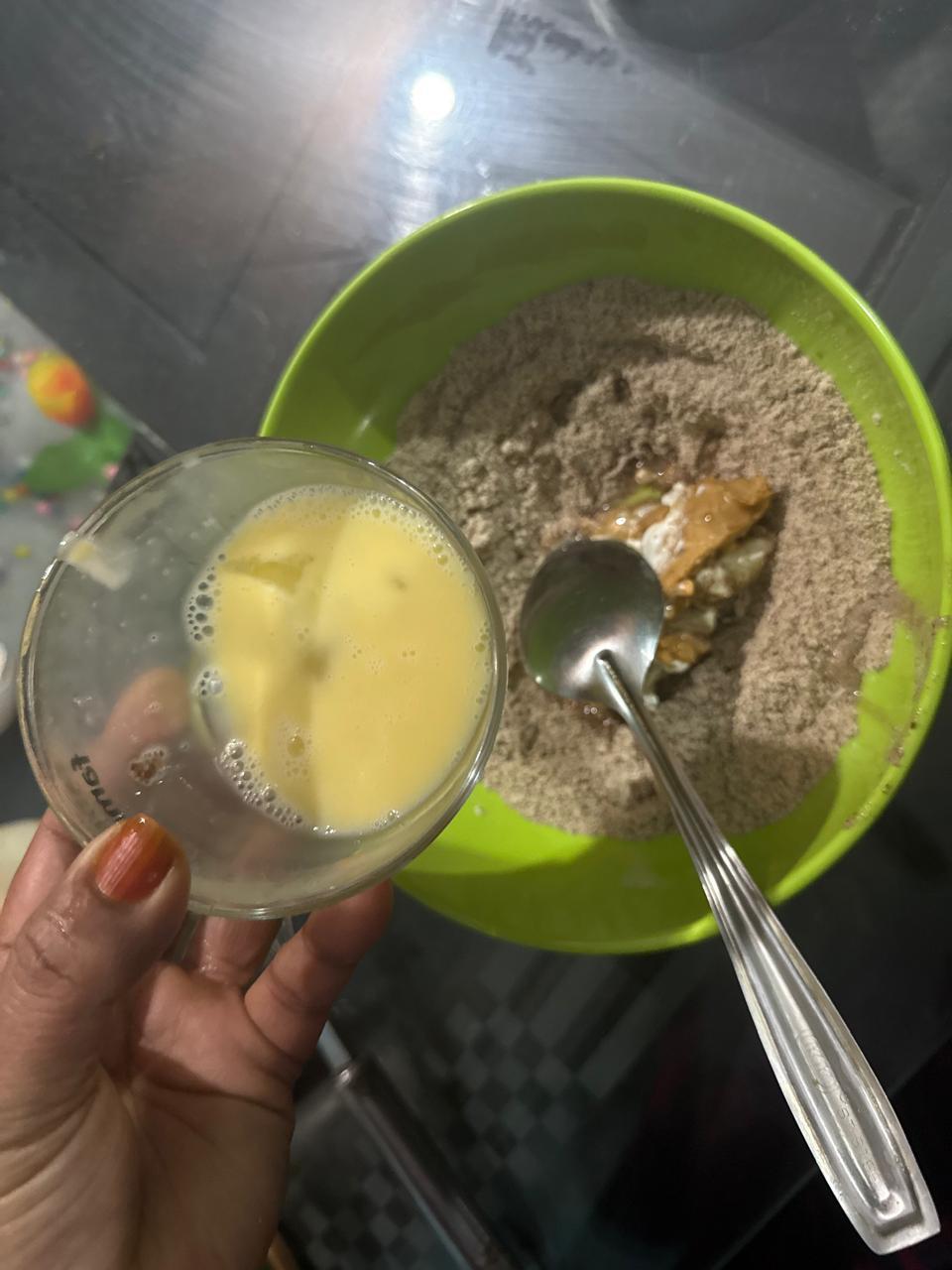
Step 2.3: Add the Egg
Add the egg(whisk it prior to adding for better texture) to the wet mixture and whisk thoroughly until fully combined.
This step is important for even cooking and avoiding rubbery texture.
Step 2.4: Combine Wet and Dry
Slowly add dry ingredients to the wet mixture.
Mix gently until a thick dough forms.
Correct dough texture:
- Thick
- Slightly sticky
- Easy to shape by hand
If dough is too dry:
Add 1 tablespoon milk or water.
If dough is too sticky:
Let it rest for 5 minutes before adjusting.
Resting the Dough (Very Important)
Cover the dough and let it rest for 20–30 minutes.
Why this matters:
- Protein powder fully hydrates
- Dough becomes easier to handle
- Final texture improves significantly
Skipping this step often leads to dry cookies.
No-Oven Cooking Method (Hostel-Friendly)


Equipment Needed
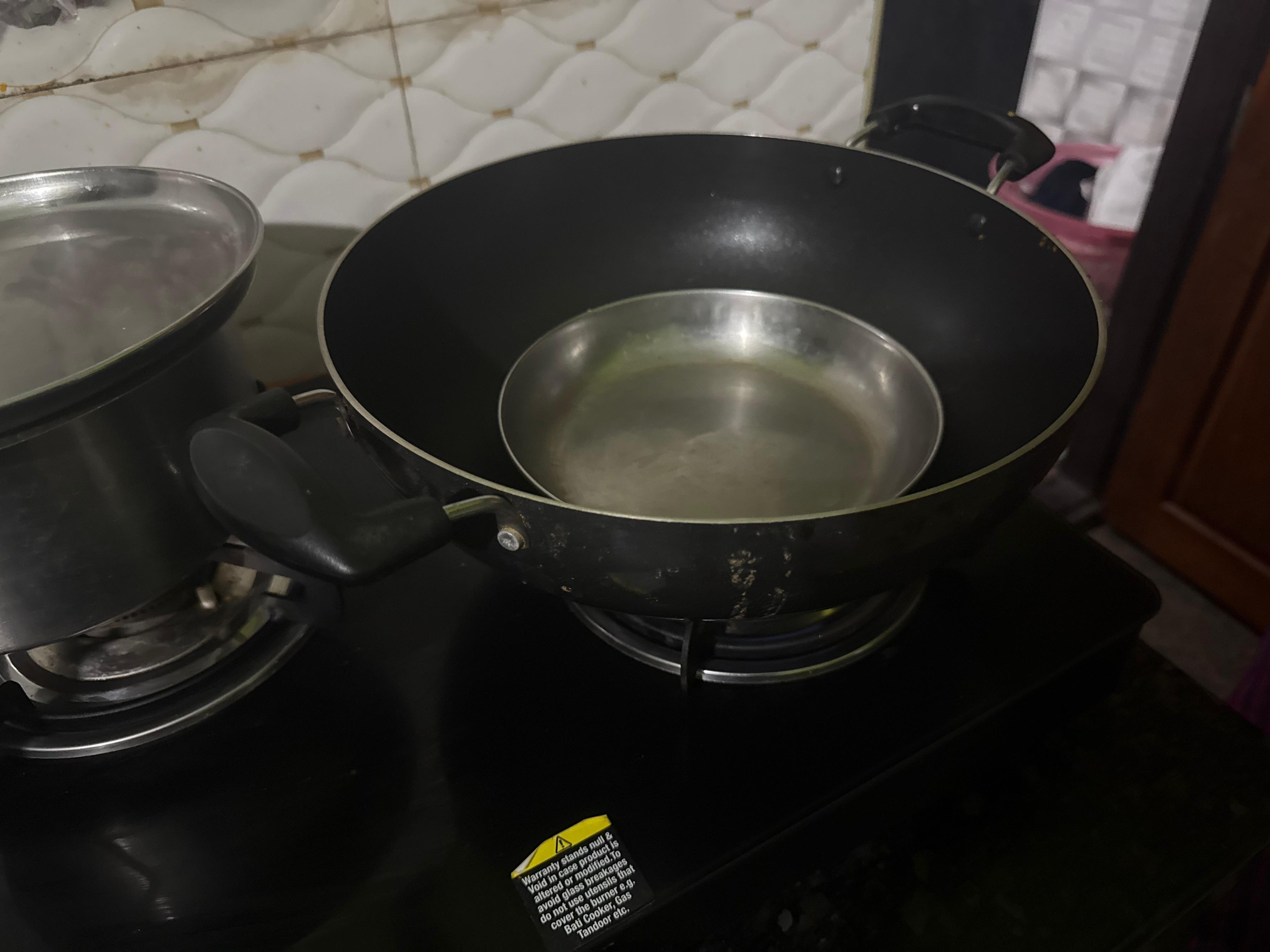
- Heavy-bottom pan
- Tight-fitting lid
- Stove
- Very low flame
Step 4.1: Preheat the Pan
Place the empty pan on very low flame for about 5 minutes.
This creates stable heat similar to an oven.
Step 4.2: Shape the Cookies
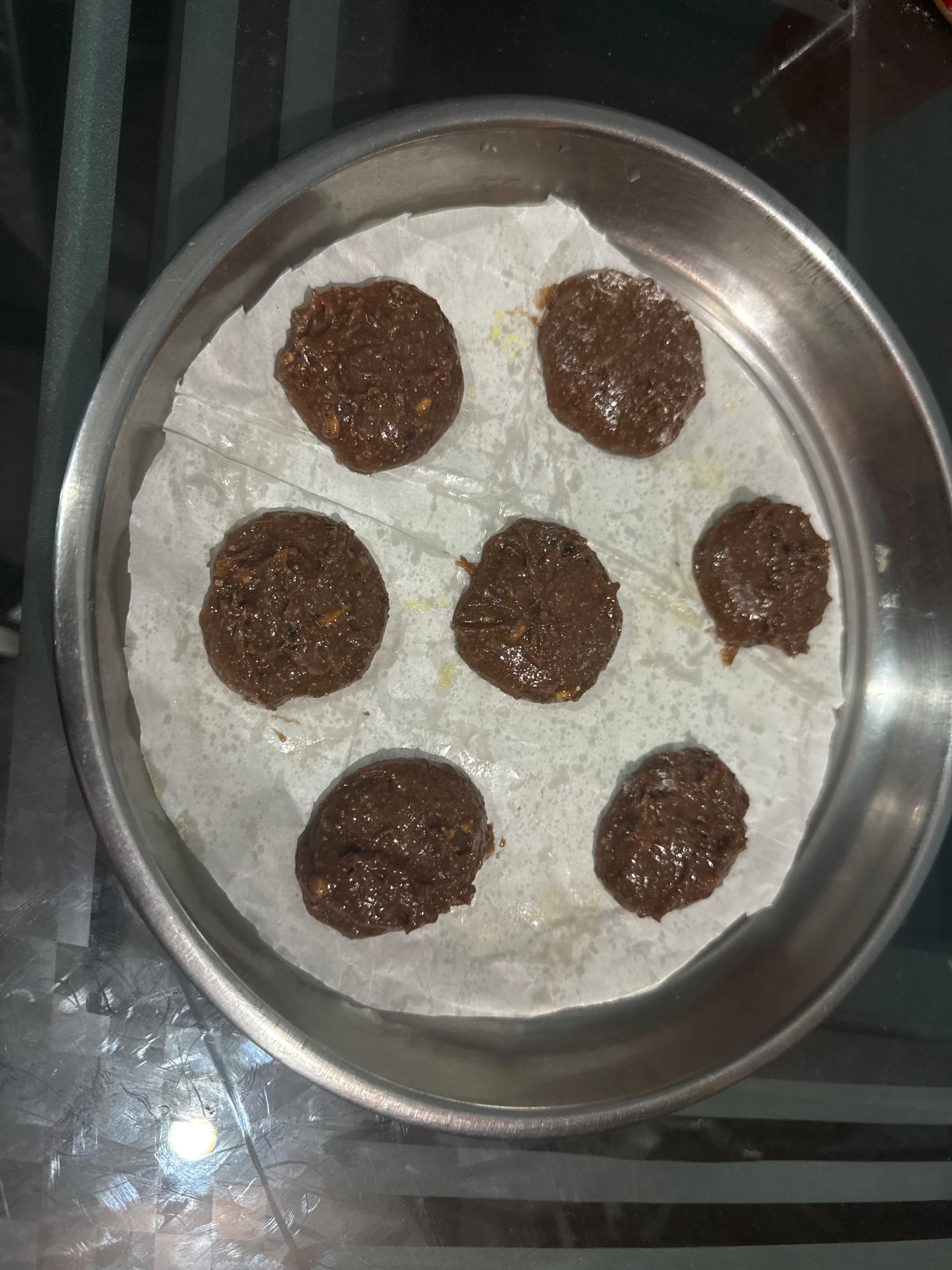
Take about 50 g dough per cookie.
Roll lightly and flatten into thick discs.
Do not make them thin.
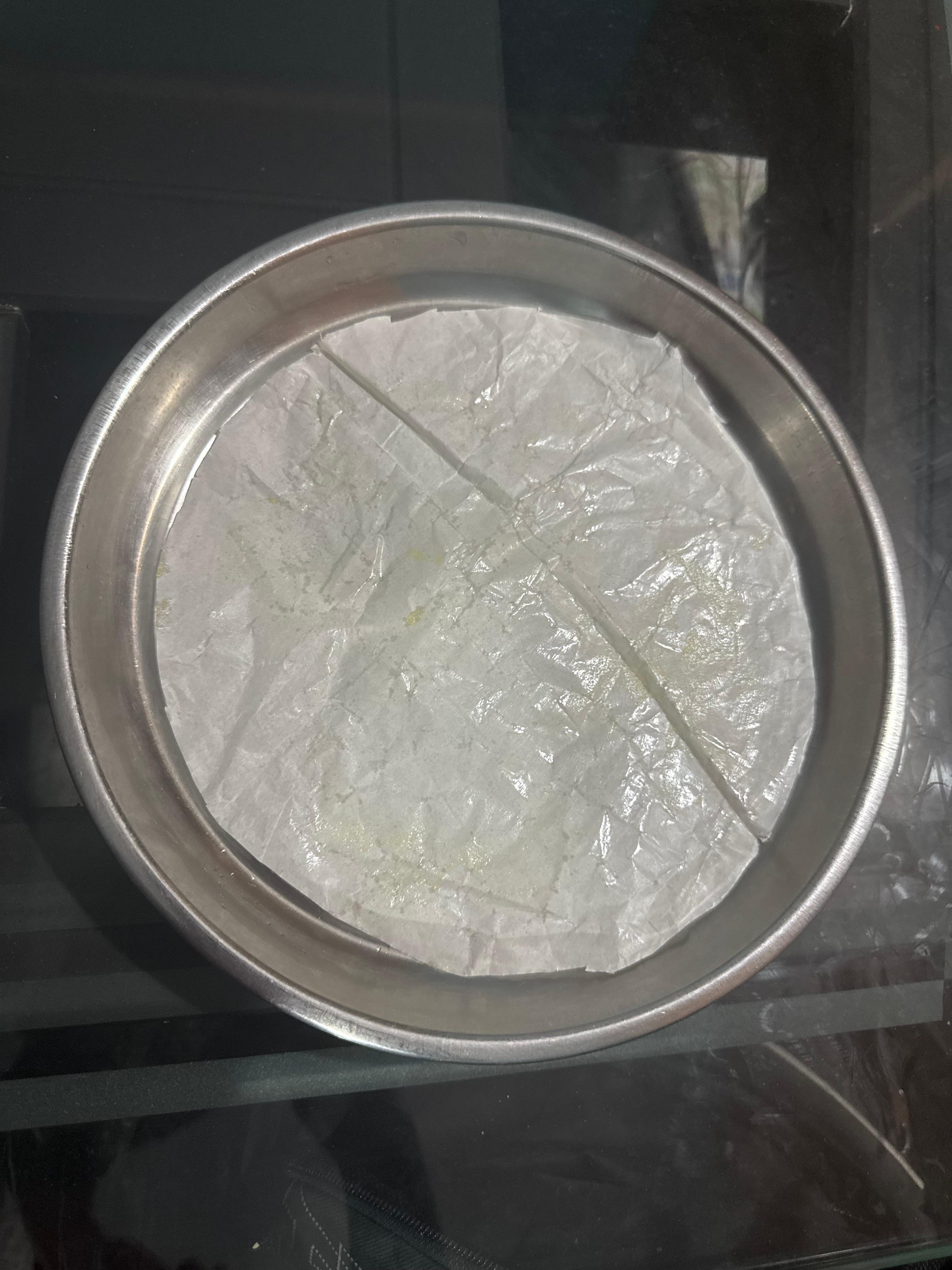
Place them on a butter paper coated with some ghee for better removing it later and avoid sticking.
Step 4.3: Covered Cooking (Setting Phase)
- Place cookies in the pan
- Cover with lid(There shouldnt be any kind of hole where the air can escape,cover it if there is any)
- Cook on lowest flame for 8–10 minutes
During this phase:
- Egg sets
- Protein coagulates
- Cookie structure forms
Step 4.4: Uncovered Cooking (Drying Phase)
- Remove lid
- Flip cookies gently
- Cook uncovered 2–3 minutes per side
This step removes excess moisture and prevents gumminess.
Step 4.5: Cooling
Remove cookies and let them cool for 10 minutes.
They will firm up naturally as they cool.
How to Know They’re Done


A properly cooked cookie should:
- Have set edges
- Feel soft but not wet in the center
- Spring back slightly when pressed
- Not smell burnt or overly eggy
If undercooked → cook uncovered 1 more minute.
If dry → reduce cooking time next batch.
Nutrition (Approximate Per Cookie)
Ingredient-Wise Nutrition (Entire Batch)
Pintola High Protein Oats – 70 g
(Blended into fine flour)
- Calories: ~272 kcal
- Protein: ~12.6 g
- Carbohydrates: ~46 g
- Fat: ~5 g
Whey Protein Isolate – 60 g
- Calories: ~220 kcal
- Protein: ~50 g
- Carbohydrates: ~4 g
- Fat: ~2 g
Pintola Natural Peanut Butter – 60 g
- Calories: ~360 kcal
- Protein: ~15 g
- Carbohydrates: ~12 g
- Fat: ~30 g
Greek Yogurt (Thick) – 50 g
- Calories: ~30 kcal
- Protein: ~5 g
- Carbohydrates: ~2 g
- Fat: ~0.5 g
Egg – 1 Large
- Calories: ~70 kcal
- Protein: ~6 g
- Carbohydrates: ~1 g
- Fat: ~5 g
Honey – 30 g
- Calories: ~90 kcal
- Protein: negligible
- Carbohydrates: ~24 g
- Fat: 0 g
Nutrition Per Cookie
Approximate Nutrition Per Cookie
Calories~165–175 kcal
Protein~14 g
Carbohydrates~14–15 g
Fat~6–7 g
Sugar~5 g
Why This Nutrition Profile Works
- Protein comes from multiple sources (whey, oats, peanut butter, yogurt, egg), improving satiety and amino acid diversity.
- High-protein oats add nutrition without relying only on supplements.
- Moderate fat content improves taste and texture while slowing digestion.
- Controlled sugar prevents energy crashes.
This makes the cookie suitable for:
- Gym-goers and weight lifters
- Students with long days
- Easy protein intake between meals
Storage & Carrying
- Airtight container (room temperature): 3–4 days
- Refrigerator: 5–6 days
- Dough can be frozen and cooked later
These cookies:
- Hold shape
- Don’t crumble easily
- Are easy to carry in backpacks or gym bags
Tips From Experience (Read This)
- Always cook on low flame
- Overcooking makes protein hard
- Resting dough improves everything
- Whey isolate gives best results
- Peanut butter is essential for moisture
- Don’t rush the process
Why This Method Matters
Living in a college hostel forced me to rethink how food is made.
Instead of treating the lack of an oven as a limitation, I treated it as a design constraint. The result is a cookie that is:
- More accessible
- More functional
- More realistic for everyday life
This approach can be applied to many other foods as well.
Final Thoughts
These no-oven, high-protein cookies prove that:
- Healthy snacks don’t need expensive equipment
- Constraints can drive creativity
- Food can be redesigned for real life
If you’re a student, gym-goer, or anyone trying to eat better with limited resources, this method is for you