Scaredy Cat
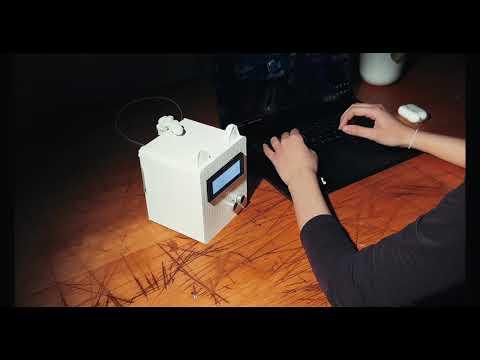
Are you not a clingy person? Have you ever wanted a pet who understands the value of space, emotional space, and physical space, ideally 3 feet of it? Then Scaredy Cat might just be your soulmate from across the room. In a world full of overly affectionate pets who follow you from room to room and stare at you while you eat, one socially anxious cat decided to set some healthy boundaries.
Scaredy Cat also likes being on its own, unlike the traditional companions that require you to cuddle with them and maintain eye contact. When you are away, she is glowing. She's joyful. She's emotionally regulated. Honestly? When you are not anywhere around her, she is at her best. She doesn’t need constant touch or validation. She just needs you to remain respectfully distant.
But step a little closer, and you’ll see her begin to process. Her tail trembles. Her eyes scan. The atmosphere shifts. And if you ignore the warning signs? What if you continue advancing into her carefully curated territory? Oh no, now you have crossed a line.
The tail does not shake anymore; it whips and whips on purpose. Her eyes lock in. The cheerful eyes are replaced by the unmistakable and mad expression of someone who did not consent to this proximity.
Scaredy Cat doesn’t lash out, but she simply makes it very clear that boundaries have been violated. And in her world, love should be admired but from across the room. She is perfect for introverts. Perfect for architects. Perfect for anyone who says, “I just need space,” and actually means it. Scaredy Cat is the pet that relates to you a little too well and understands that the healthiest relationship is one with clear boundaries.
Supplies
Components
Arduino Nano R4
Ultrasonic Distance Sensor
LCD Screen 20 x 4
Piezo buzzer
Micro Servo
220 Ohm Resistor
15 x Jumper Wires
Materials and Tools
Cardboard
Glue
3d Printer
Laser Cutter
Discussion


A stationary machine that reacts dramatically to human proximity instead of rejection.
During the brainstorming phase, our main goal was to create a useless machine that exaggerated human behavior in a humorous and relatable way. We explored how to get the cat to have emotional reactions dependent on human interactions. We wanted the machine to feel expressive and dysfunctional, turning simple sensor input into dramatic personality shifts. After considering several concepts, we focused on the idea of boundaries, specifically how proximity could trigger escalating emotional responses. The responses can be seen through a face on a screen, buzzing sounds, and tail wagging.
.
Coding: Ultrasonic Sensor
.png)
The ultrasonic sensor determines Scaredy Cat’s mood by measuring the distance between the user and the device and comparing it to predefined thresholds. If the detected distance is greater than 100 cm, the cat remains in Happy mode, indicating that the user is far enough away for it to feel comfortable. When the distance falls between 40 cm and 100 cm, the cat enters Panic mode, signaling that someone has moved into its personal space. If the distance drops below 40 cm, the system switches to Mad mode, representing a complete boundary violation. These distance ranges allow the machine to transition between emotional states based solely on proximity.
Downloads
Coding: LCD Screen

.png)
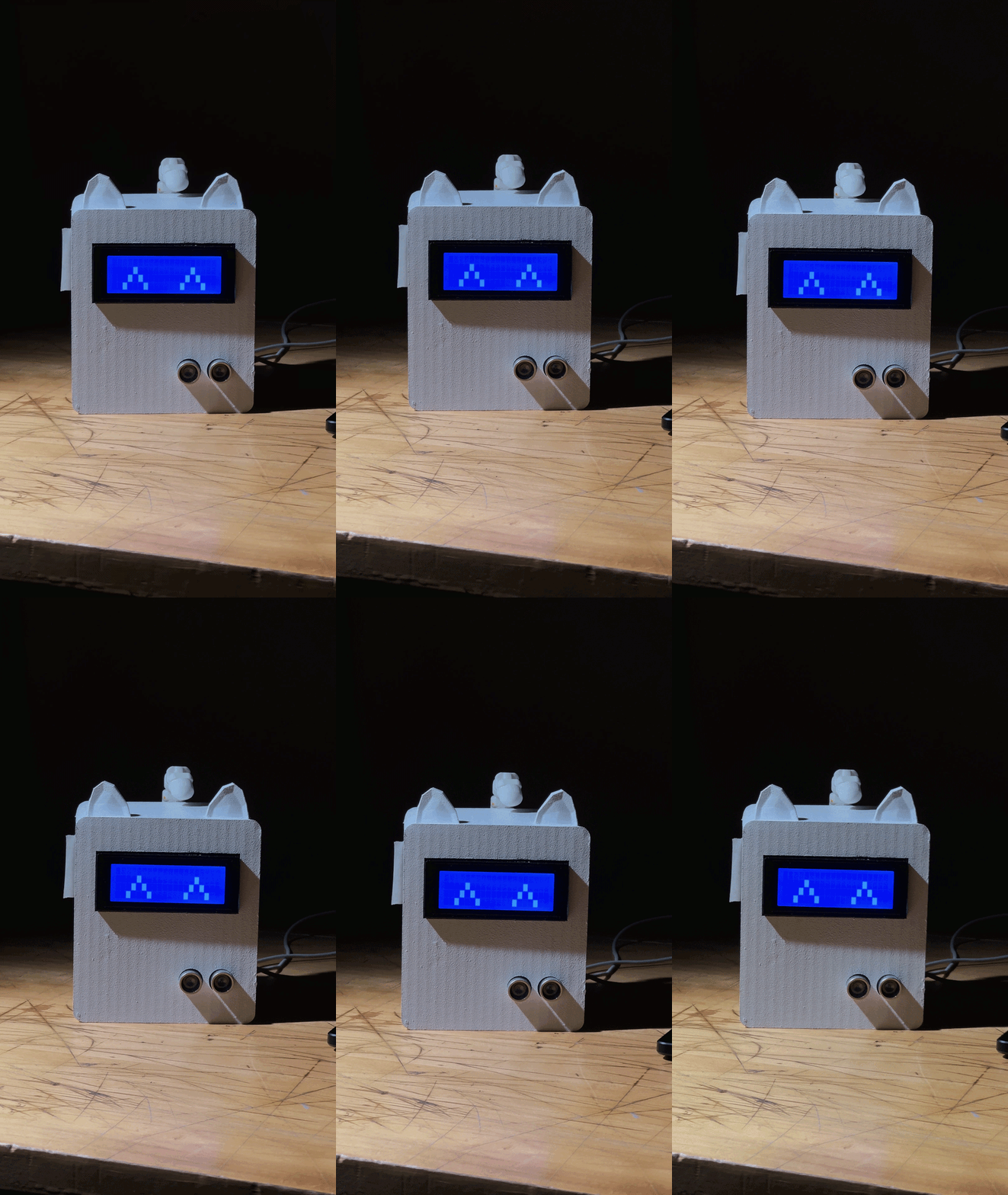
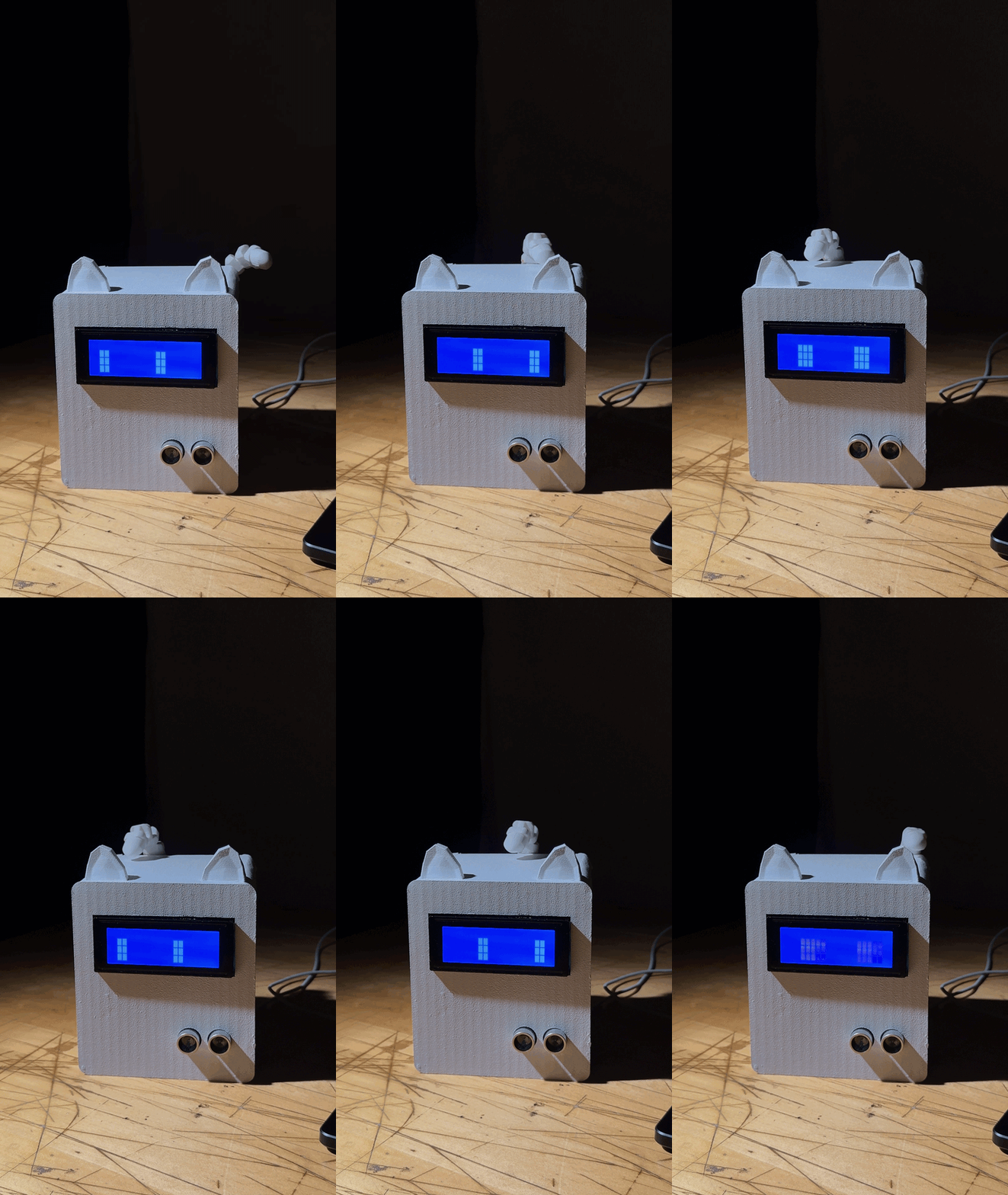
The LCD screen serves as the primary visual output of Scaredy Cat, displaying different facial expressions that correspond to each emotional state. In Happy mode, the screen shows a calm, symmetrical face with relaxed eyes, indicating comfort when the user is at a safe distance. During Panic mode, the display transitions into a short three-frame animation where the eyes shift positions, creating the effect of nervous scanning. Finally, when the user moves too close, the screen switches to a bold, enlarged expression representing Mad mode, visually emphasizing boundary violation. The LCD, therefore, transforms simple pixel patterns into expressive, personality-driven feedback.
Downloads
Coding : Piezo Buzzer
.png)
The buzzer component enhances Scaredy Cat’s emotional responses by producing distinct sound patterns for each state. In Happy mode, the buzzer emits a short, high-frequency tone followed by a long pause, creating a calm and occasional chirp that reflects comfort. In Panic mode, the buzzer produces a longer tone with equal intervals of silence, signaling heightened alertness as someone enters the cat’s personal space. In Mad mode, the buzzer generates rapid, sharp bursts of sound in quick succession, emphasizing distress and boundary violation.
Downloads
Coding : Servo Motor

.png)
Coding the servo motor was the final step in completing the project, as it added the physical expression that brought Scaredy Cat fully to life. In Happy mode, the tail remains upright and still, representing confidence and comfort. In Panic mode, the servo creates a moderate side-to-side sway to indicate nervous energy. In Mad mode, the tail moves more rapidly with tighter oscillations, emphasizing agitation. By adjusting movement speed and range based on each state, it transformed the project from reactive electronics into a complete animated character.
Downloads
Assembly
.jpeg)
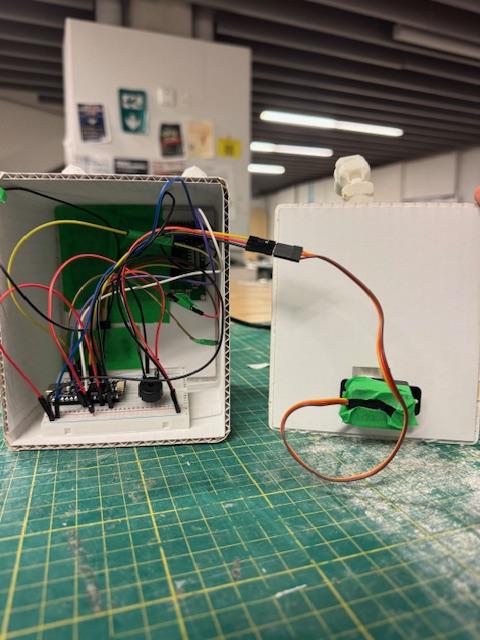
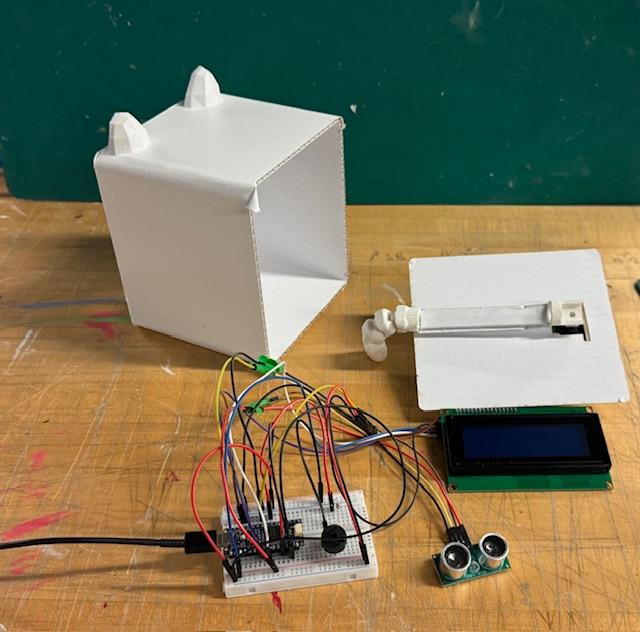
After completing the circuit connections according to the wiring diagrams, the physical assembly of Scaredy Cat was carried out. The enclosure was laser cut to create a structured housing for the electronics, ensuring proper alignment for the LCD screen and ultrasonic sensor. A custom tail and ears were 3D printed to enhance the character’s appearance and allow mechanical integration with the servo motor. The final assembly combined both electronics and fabrication to create an expressive design.
Reflections and Next Steps

.jpeg)
.jpeg)
Challenge 1: Ultrasonic sensor fluctuation
During development, one challenge we encountered was rapid flickering between emotional states (more so than intended) due to small fluctuations in ultrasonic sensor readings. Without a confirmation delay, even slight movements would cause the system to switch moods repeatedly, making the behavior unstable and visually distracting. To address this, we implemented a timed confirmation period before locking in a new state, which created smoother transitions and more intentional emotional responses.
Challenge 2: Tail too heavy
The initial tail was 3D printed with a wall thickness of 2.5mm. The resulting tail was too heavy for the servo to hold up on its own, so we decided to cut the tail’s middle section away and replace it with a lighter alternative, white cardboard.
If we were to continue developing the project, we would push the dramatic concept further by adding a full “self-destruct” sequence when someone gets too close. Instead of simply changing expression, the cat could theatrically fall apart. The panels of the enclosure would separate, the tail would eject, and the character would collapse in exaggerated protest. This would amplify the humor and fully embrace the absurdity of a useless machine with extreme boundaries.