The Hudson Yard School
by angelojoseph078 in Design > Architecture
175 Views, 1 Favorites, 0 Comments
The Hudson Yard School

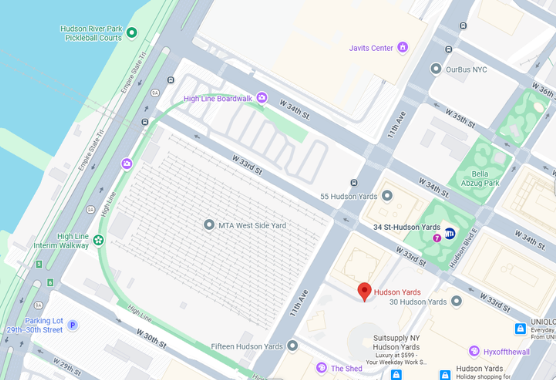

Site
Hudson Yards is a large, modern mixed-use development on Manhattan's West Side, built partially over an active rail yard. It is one of the most dynamic and significant urban development projects in New York City's recent history. This area has been central to Manhattan's growth and transformation for over a century; for example, this sector has manufacturing and factories, port and waterfront activity, and cold storage and food distribution, which is precisely why I selected this industrial neighborhood.
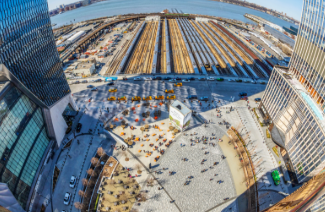
Currently, the development is only half complete. The Eastern Rail Yards have risen into a cluster of glass towers, public plazas, and retail spaces, while the Western Rail Yards remain largely undeveloped—an expanse of active Long Island Rail Road storage tracks awaiting a vision for the future.
The goal for this space is not only to build, but to create a place where the city breathes, where generations intersect, where creativity can take place, and where the boundary between architecture and nature dissolves.
Supplies
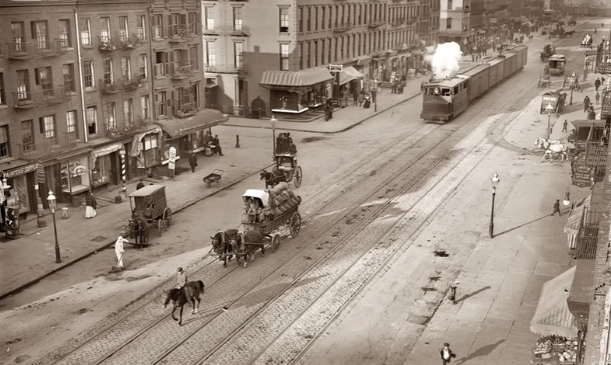

History :
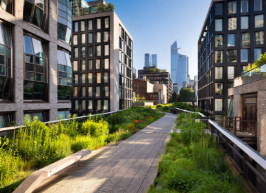
The High Line, located on Manhattan's West Side in New York City, opened in 2009 as an elevated park built on abandoned freight rail infrastructure. Running from the Meatpacking District through Chelsea, it became an immediate success, drawing crowds with its variety of walking paths, seating areas, plantings, and unique urban views from 18–30 feet above street level. The elevated rail line was built in the 1930s as part of Robert Moses's West Side Improvement project.
Before its construction, freight trains ran at street level along Tenth Avenue, requiring "West Side cowboys" on horseback to warn pedestrians, yet so many people were killed that the route became known as "Death Avenue." The High Line solved this by elevating freight transport, running mid-block and passing directly through industrial buildings to deliver goods (especially food products) to the Gansevoort meat market and other businesses.
Site Analysis


This zoning map from the website ZoLa (New York City's Zoning & Land Use Map) shows the Hudson Yards area in Manhattan, one of New York City's largest recent redevelopment projects. The dominant lime green zones are high-density commercial districts that allow for extremely tall mixed-use towers with no height limit.
This is where the massive Hudson Yards development with its office towers, residential buildings, and cultural spaces like The Shed was built. The brown/pink shaded area labeled "34th St - Hudson Yards" represents the Special Purpose District with unique zoning rules to guide this transformation.
The purple lines visible in the image are subway lines from the basemap layer, showing how transit infrastructure (including the 7 train extension that opened in 2015) connects this area and was crucial to making the redevelopment viable.
The pink dashed lines indicate the boundaries of the Special Purpose District and its subdistricts. You can see the contrast between the new high-density commercial zones and the older manufacturing districts on the left, illustrating how this area evolved from former rail yards and industrial warehouses.

This detailed zoning map of Hudson Yards shows multiple planning layers, including zoning districts, building footprints, landmarks (blue dots), and critically, flood zones in bright turquoise along the Hudson River waterfront.
The Special Hudson Yards District (pink/purple center) sits at the transition between flood-prone waterfront areas and higher, safer ground to the east.
You can see how commercial zones (C2-5, C6-4 in yellow/olive), manufacturing districts, and the iconic circular public plaza are all mapped in relation to flood risk, revealing how environmental hazards shape urban development in this transformed neighborhood.
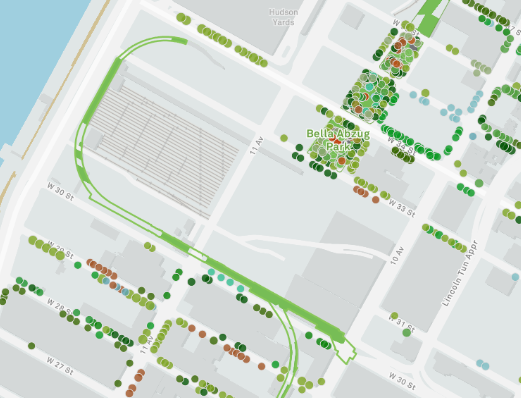
The site once harbored a rich mosaic of coastal ecosystems: tidal salt marshes along the Hudson River, stabilizing dune systems, and oak-pine upland forests documented by the Welikia Project.
Today's FEMA flood zones reveal these former wetlands, now vulnerable to climate-driven storm surge. Reintroducing native species like common reed, saltmarsh cordgrass, seaside goldenrod, and beach plum offers a critical solution, these plants naturally stabilize shorelines, absorb storm surge, prevent erosion, and manage stormwater through complex root systems while providing essential habitat for pollinators, birds, and insects.
By replanting natives adapted to local hydrology and climate, we restore ecological performance and create living infrastructure that reduces urban heat island effects and builds flood resilience in areas like Hudson Yards where natural systems were replaced by vulnerable hard infrastructure.

The median age in Hudson Yards is 35, with the population distributed as follows: about 10.2% are children under 15, then 11.6% are in the 15 to 24 age group. Adults between 25 and 44 make up 44.2% of the population, while another 21.8% fall into the 45 to 64 bracket.
Finally, around 12.2% are 65 or older. At Hudson Yards, the average commute time is 26 minutes. Commuting methods vary: 5.2% of residents travel by personal vehicle and 27.4% prefer to walk, while the remaining share relies on public transit, for example, the 7 train extension that opened in 2015 at 34th Street-Hudson Yards station, according to the website Point2Homes.
Principal Idea

The idea for this site is to create a school with a campus that has free space for students to enjoy moments with friends, study, find a job, and everything they need.
Structure Post Tensionning

When a platform has to hold up an entire building while spanning over train tracks, you can't just drop columns wherever you want, the trains need clear passage below. Post-tensioning makes this possible.
By pulling steel cables tight inside the concrete, you're essentially pre-loading the platform with compression, creating an upward push that fights against the building's downward weight.
This keeps the platform stiff enough that it won't sag or deflect, which matters because even small movements would crack walls and shatter windows in the structure above. That’s why post-tensioning is important.
System Sustainability

This image is how everything work underground
System

The image shows a shock absorber for trains, a design commonly used in tunnels and metro systems. Its primary purpose is to reduce the noise and vibration transmitted from trains to the surrounding ground or building structures.
Without it, vibrations travel through the ground, resulting in unacceptable noise levels for residents and increasing the risk of structural damage, such as foundation settlement, in nearby buildings, which can lead to potential long-term risks.
System

Though more expensive, structural steel will be used for the arch support to ensure strength in the structure.
Structural concrete will be pasted on the surfaces of the frame.

It distributes the load to the columns of the arch. Because it is going to connect to two buildings, the loads should be balanced.


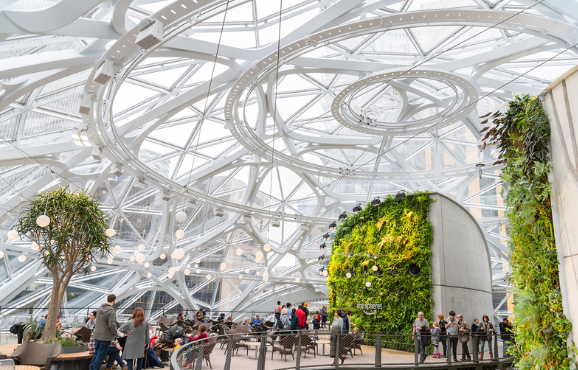

This is the structure of a sphere that is going to be on the school campus, and in this area, we are going to have a lot of plants.
For the final model, I decided to elevate the platform of the sphere so that if there is a flood, the water would not reach the plants if they are not aquatic.
I m not good at render yet I can provide some image as reference
HVAC
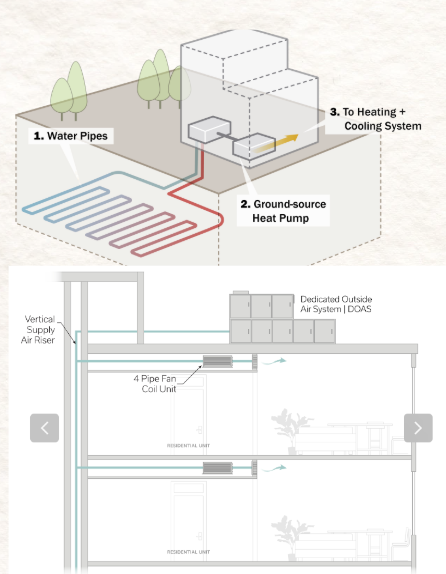
Ground Source Heat Pump
Horizontal to keep geothermal wells shallow.
Good option because underground remains ~55 degrees year round.
Dedicated Outdoor Air System (DOAS)
Large fan on roof, individual fan units in each residential unit to pump fresh air in.
Heat Recovery wheels transfer heat between incoming and outgoing air streams. This preheats or precools the incoming fresh air, reducing the energy needed for heating or cooling.


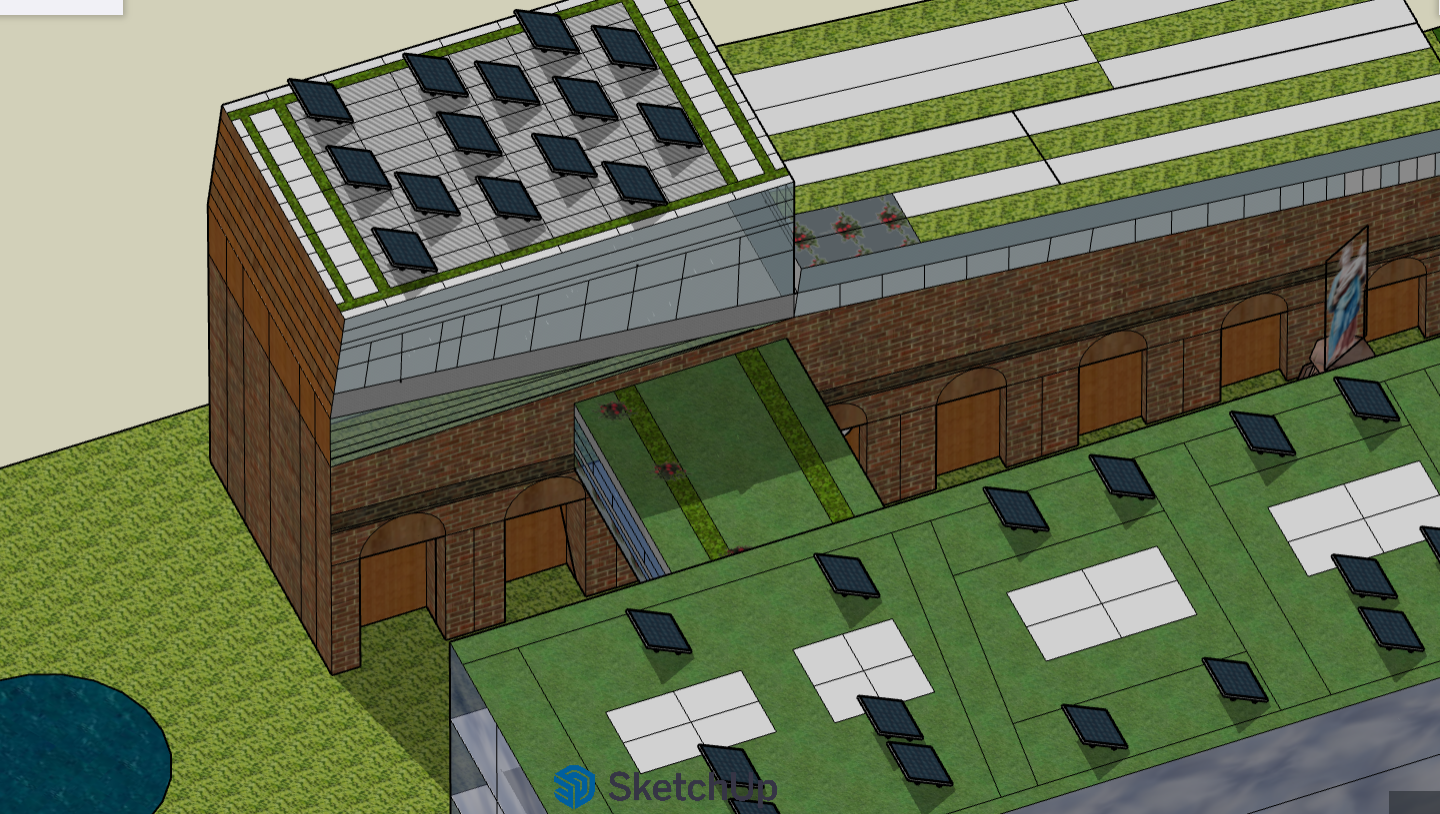


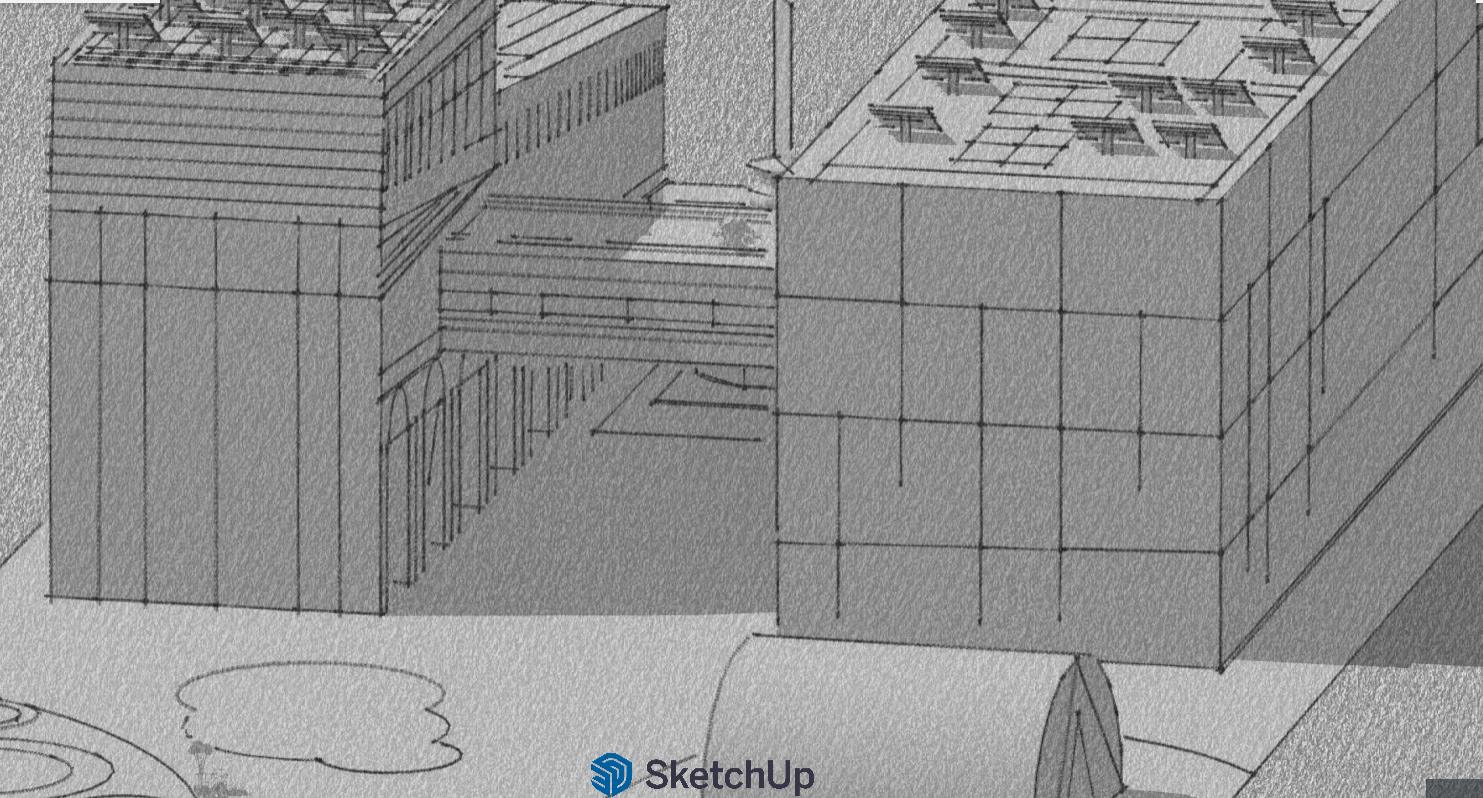


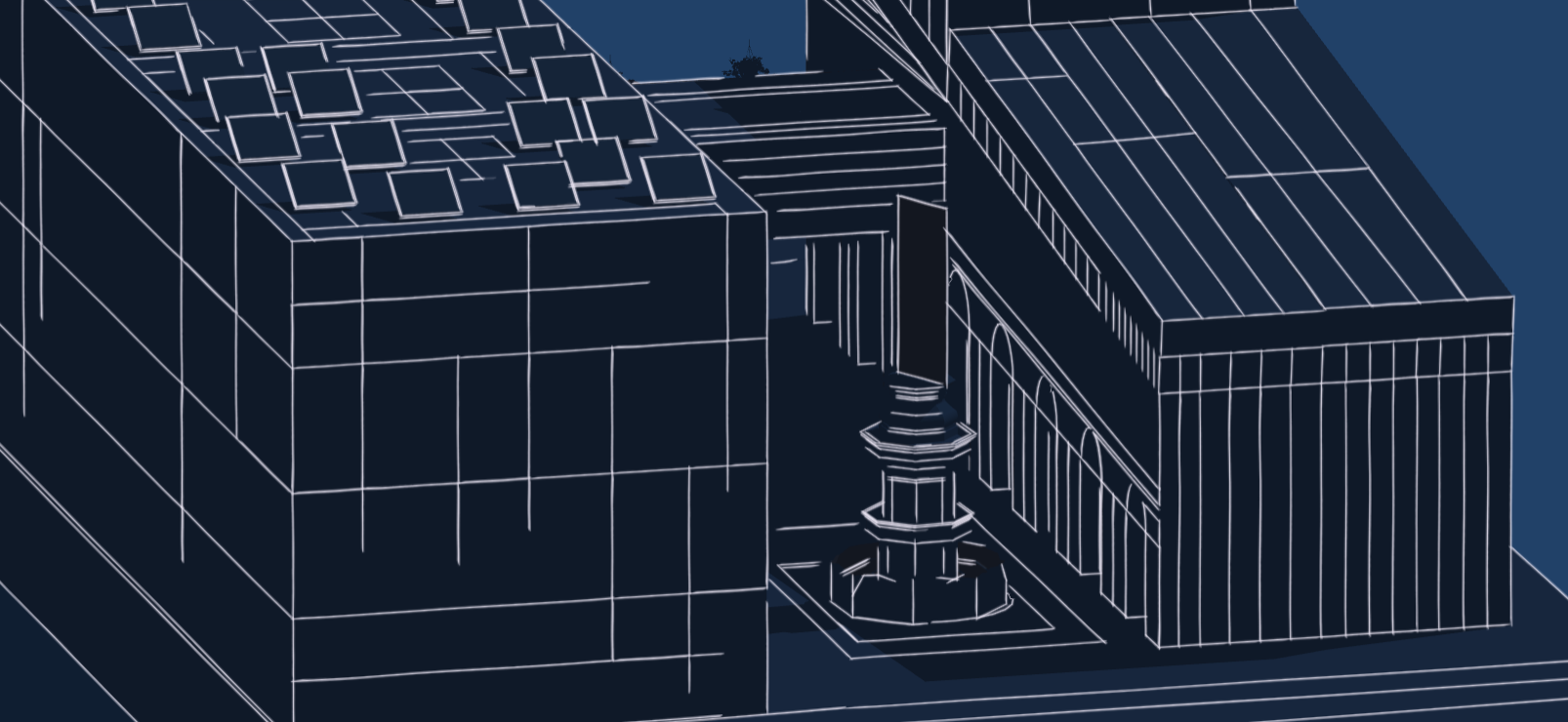
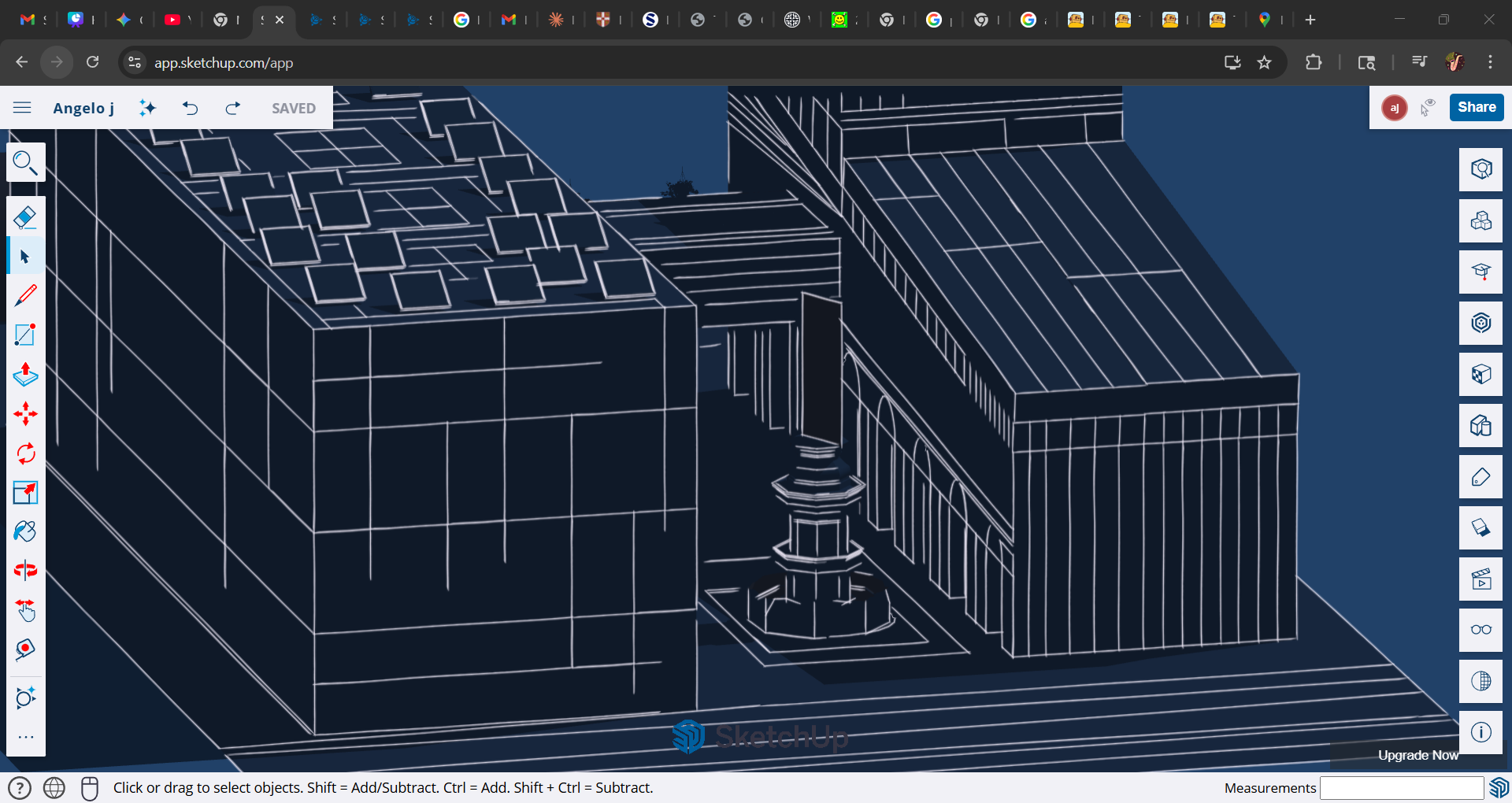


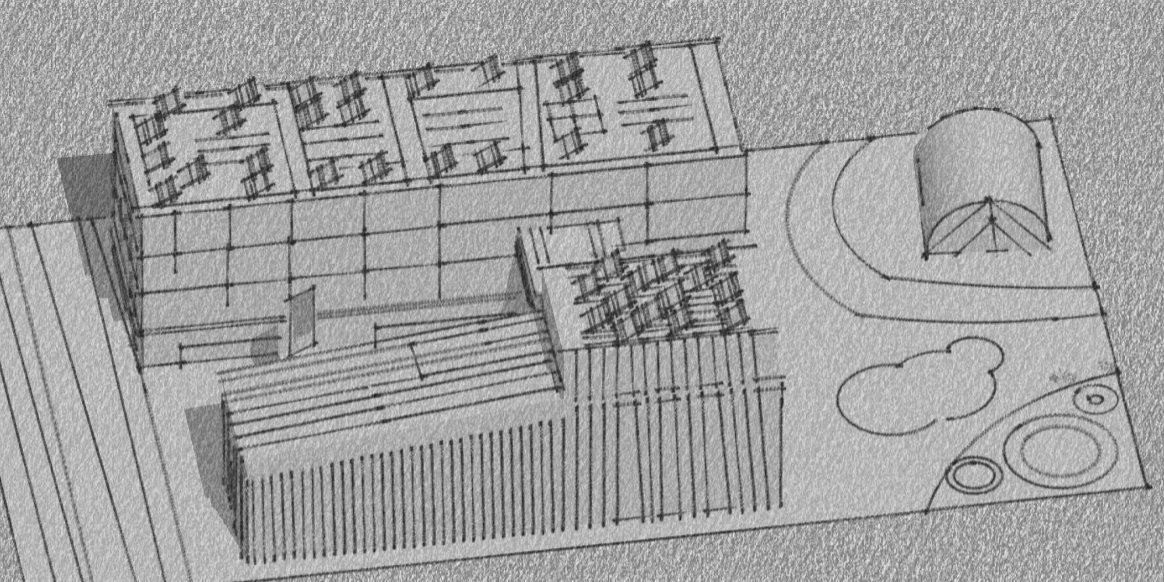


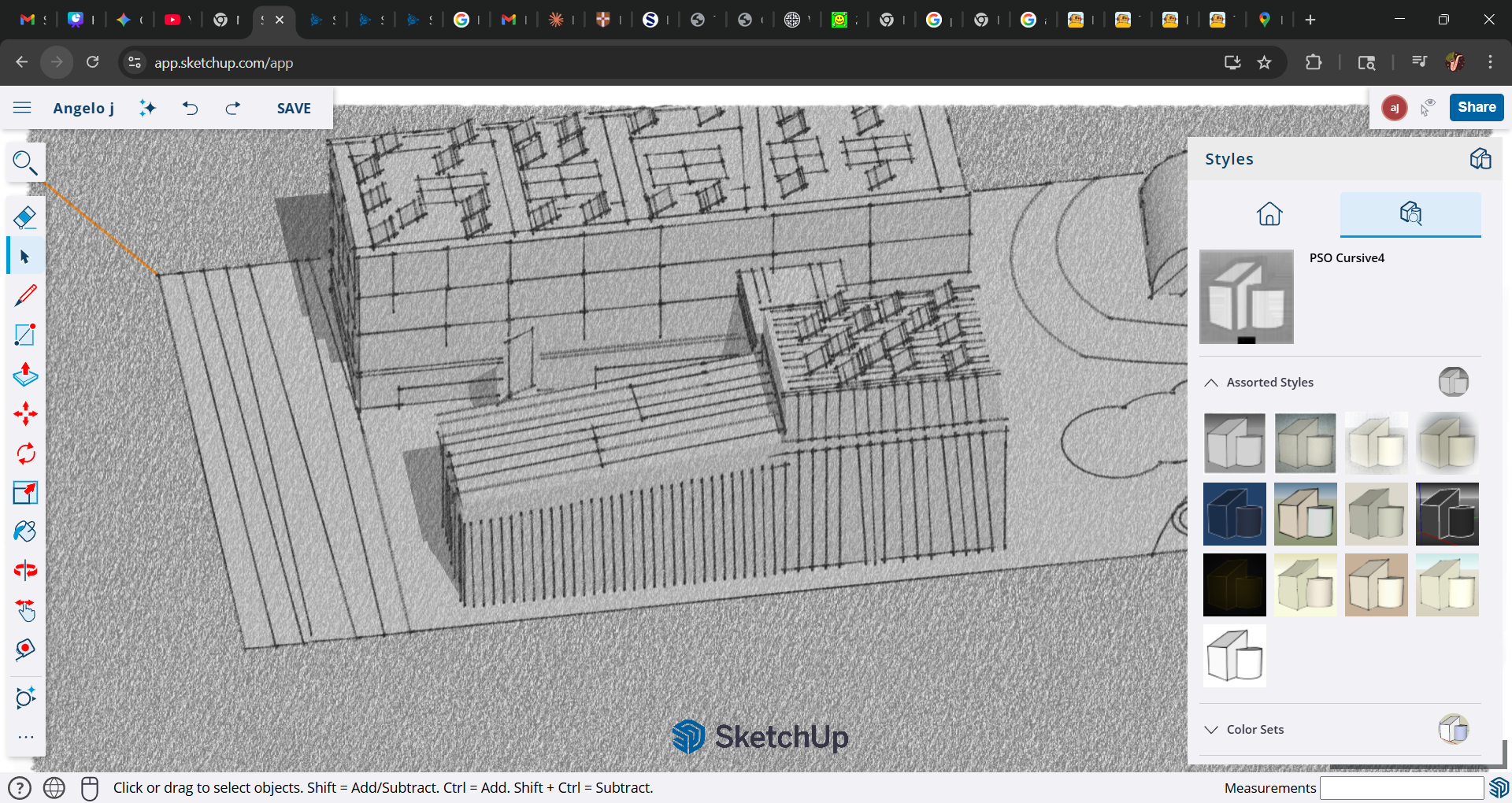


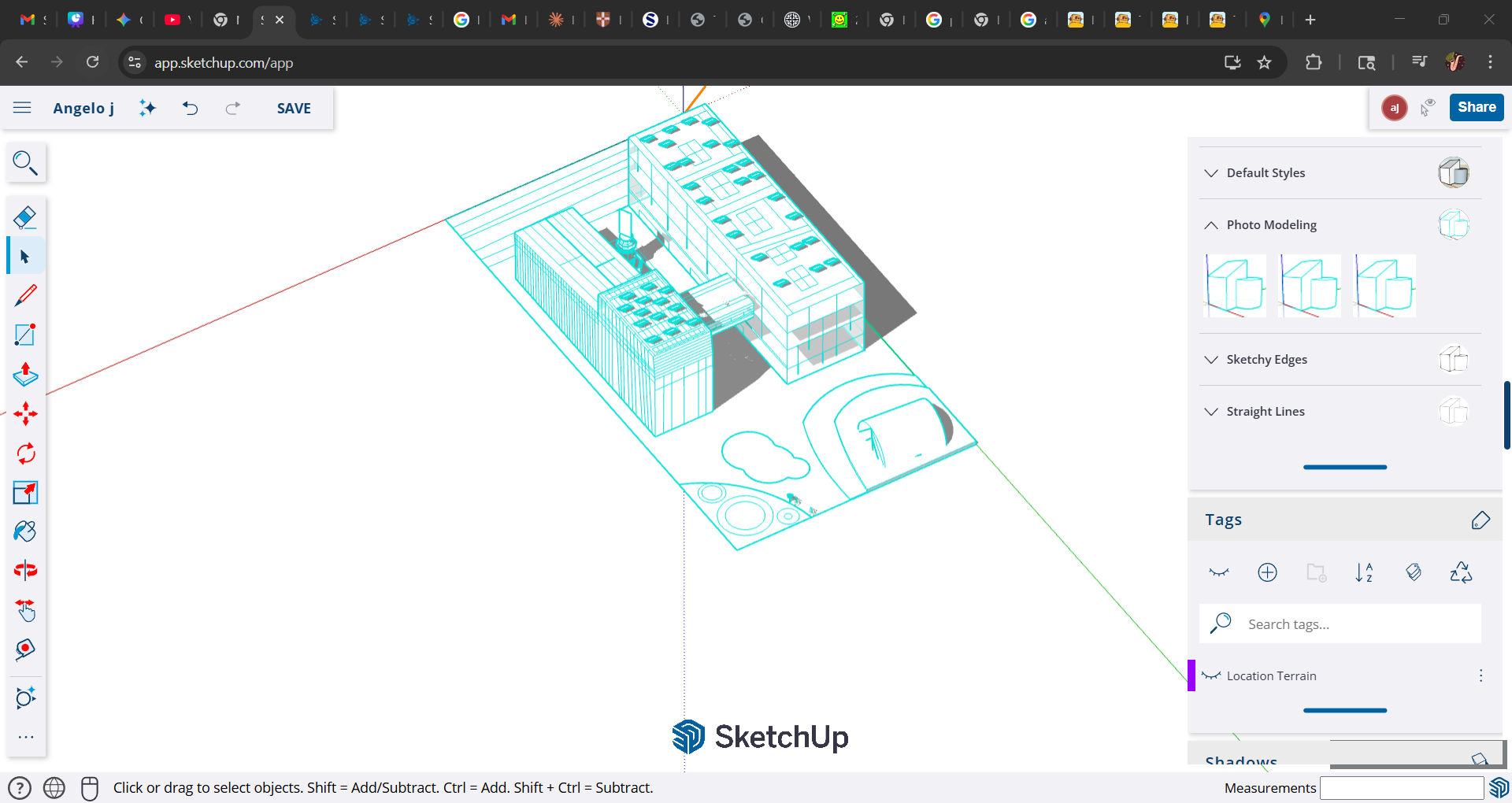
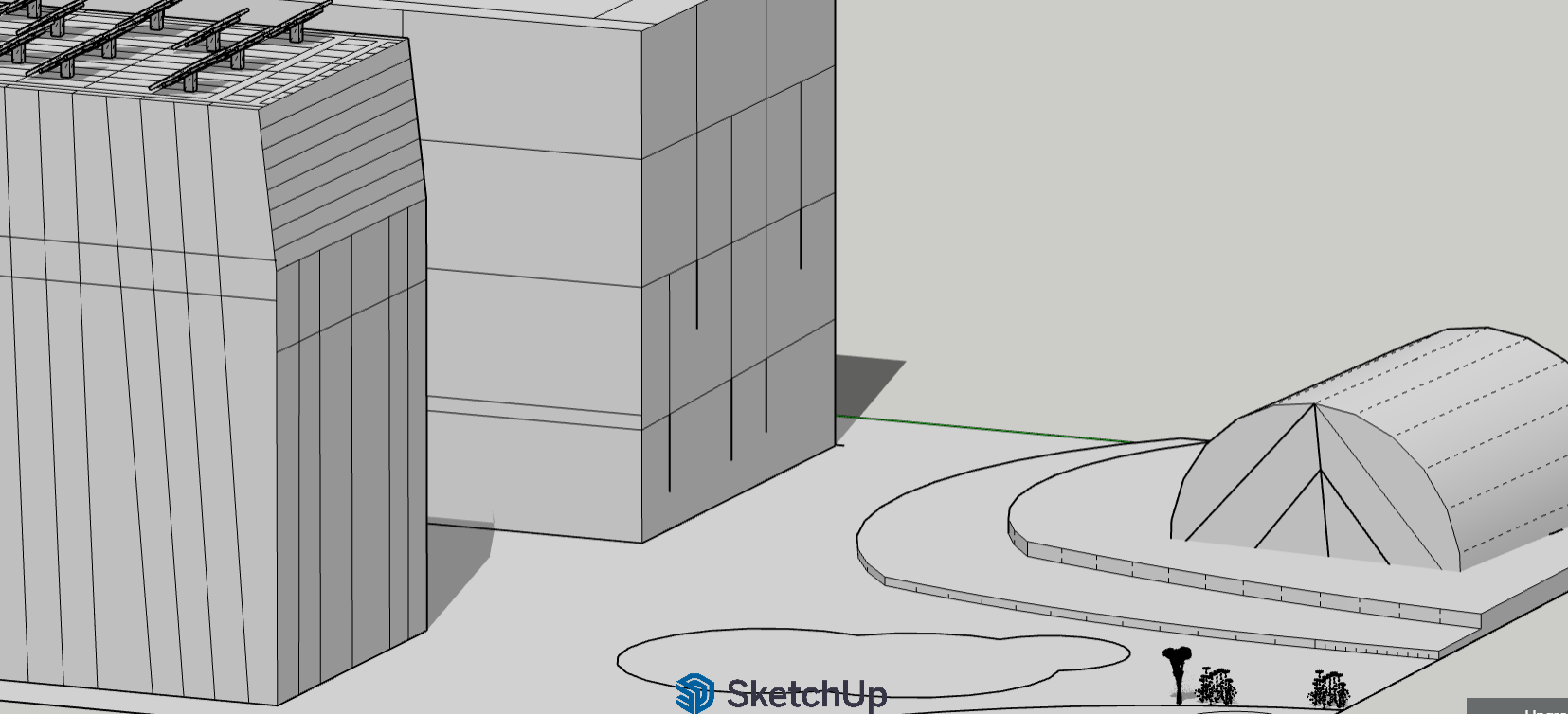


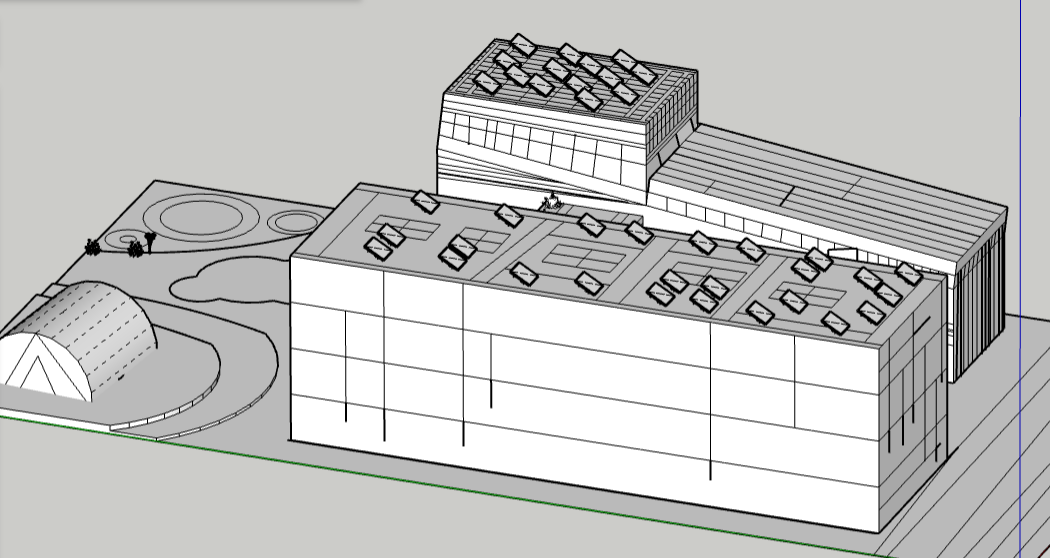


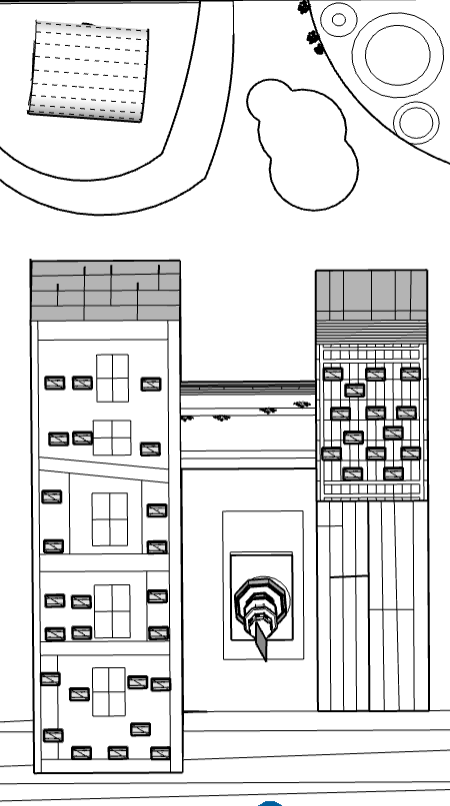
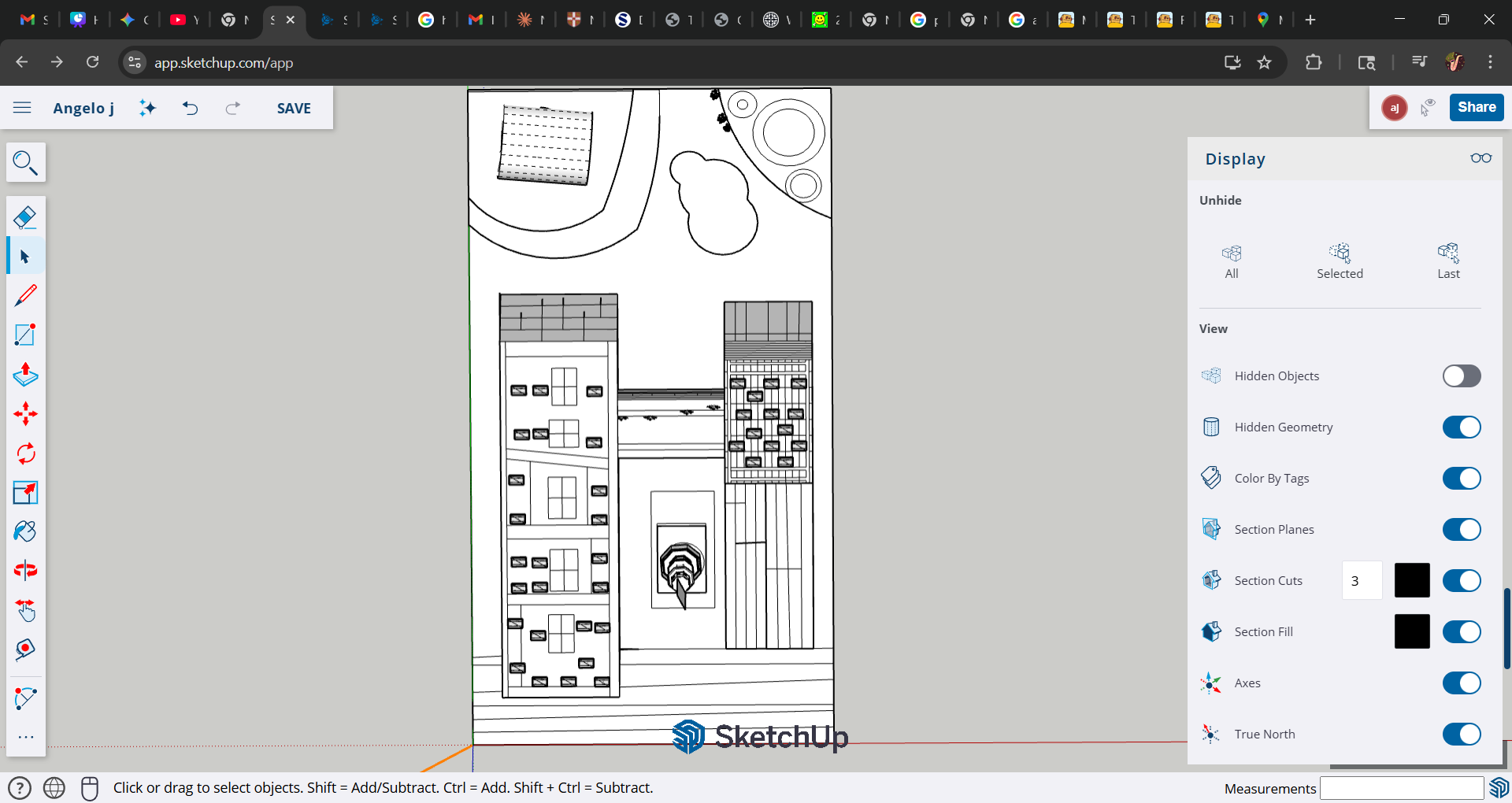
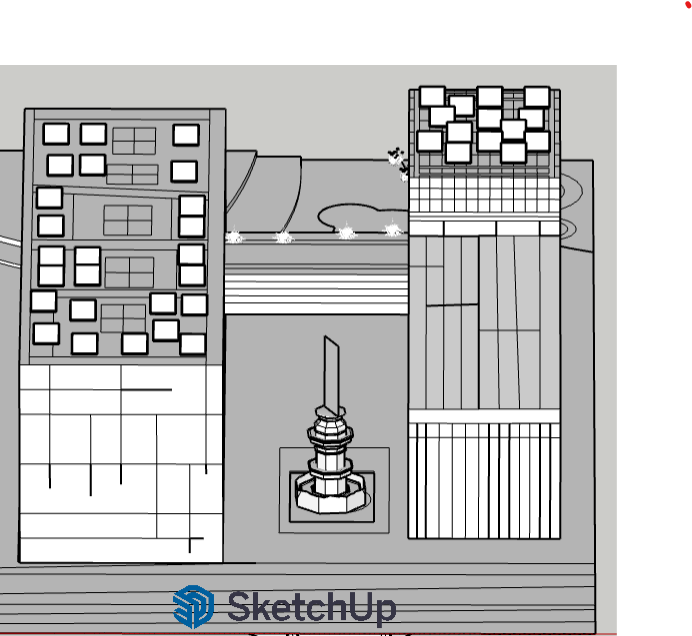


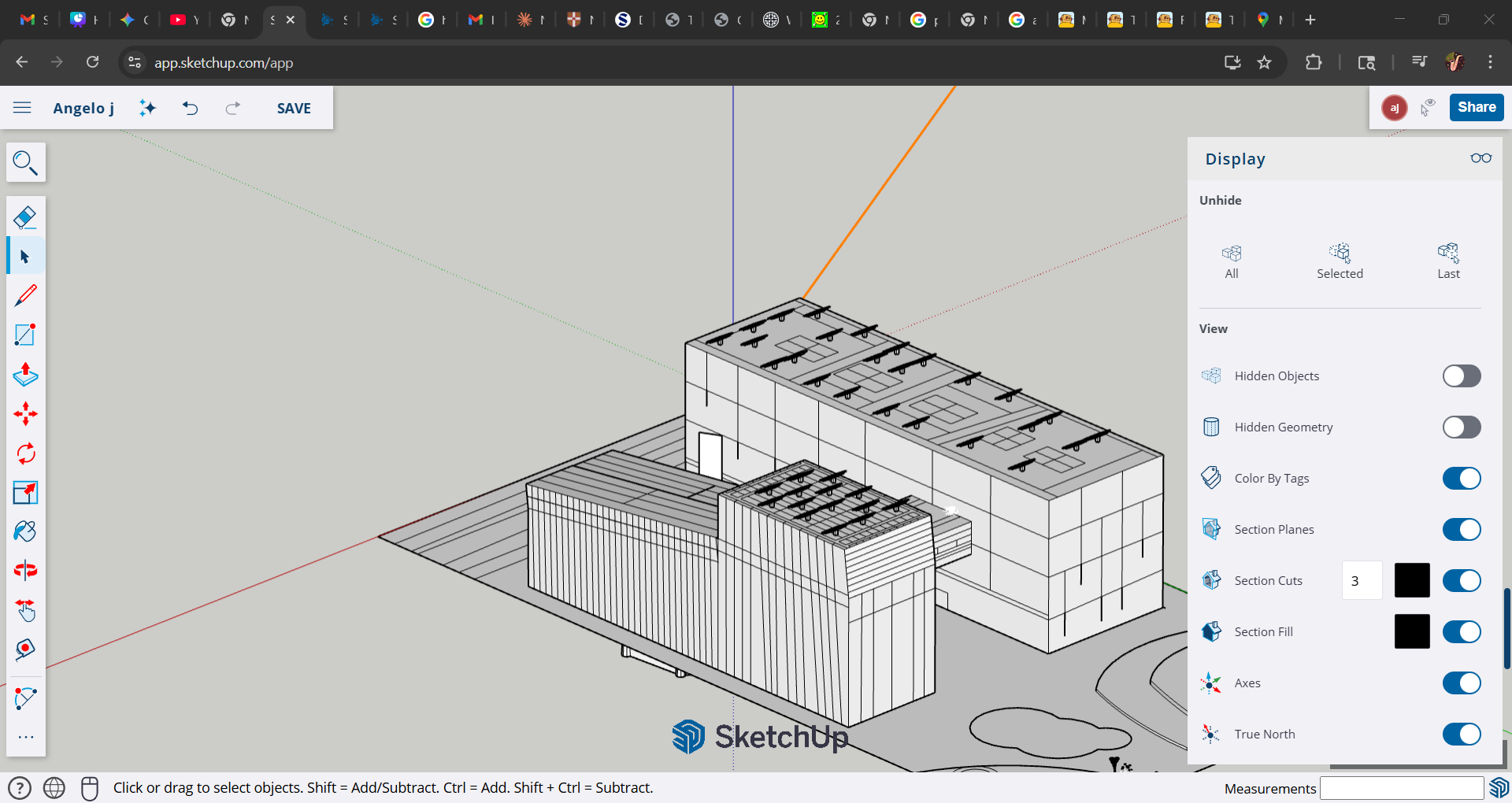

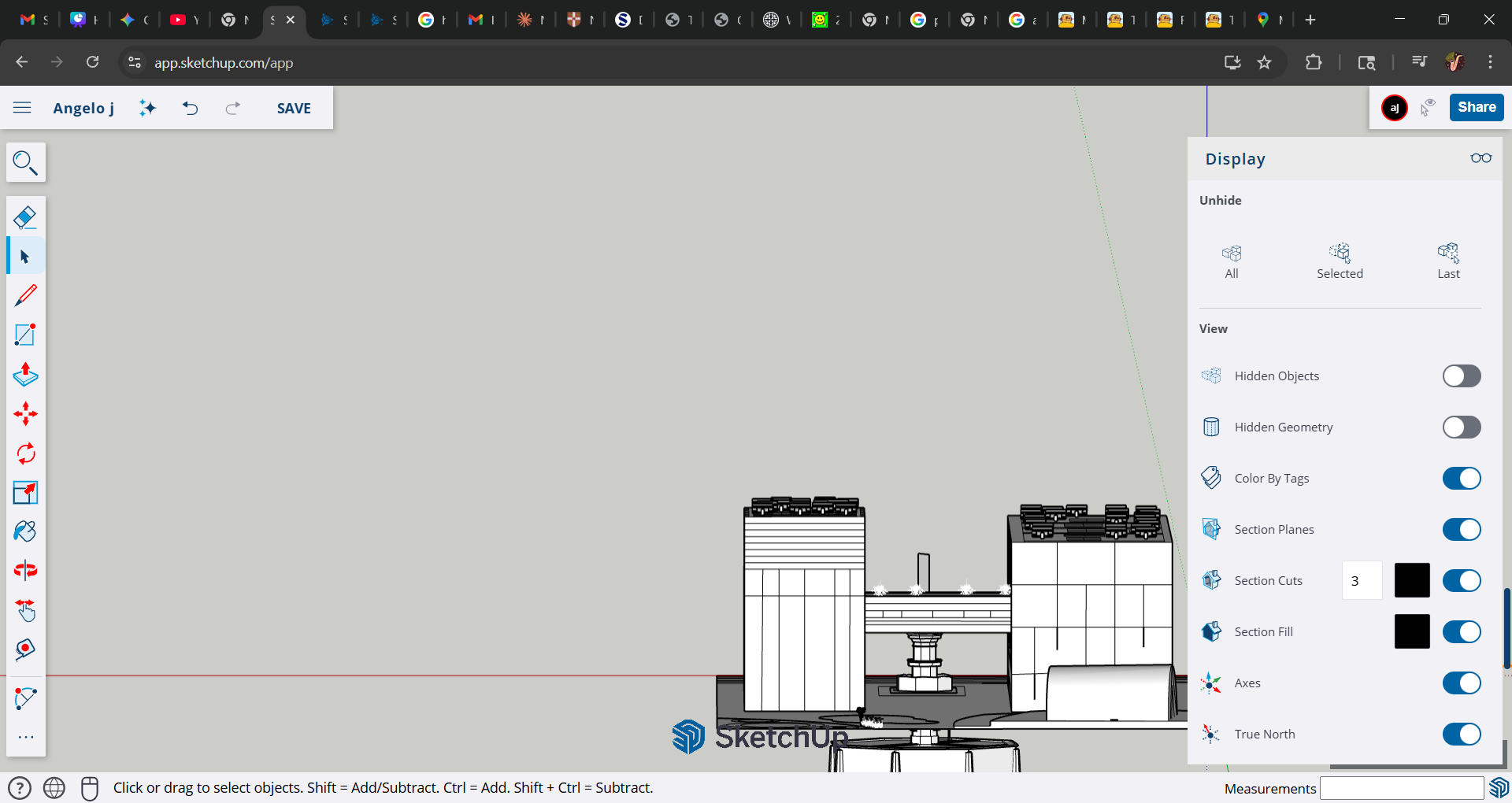


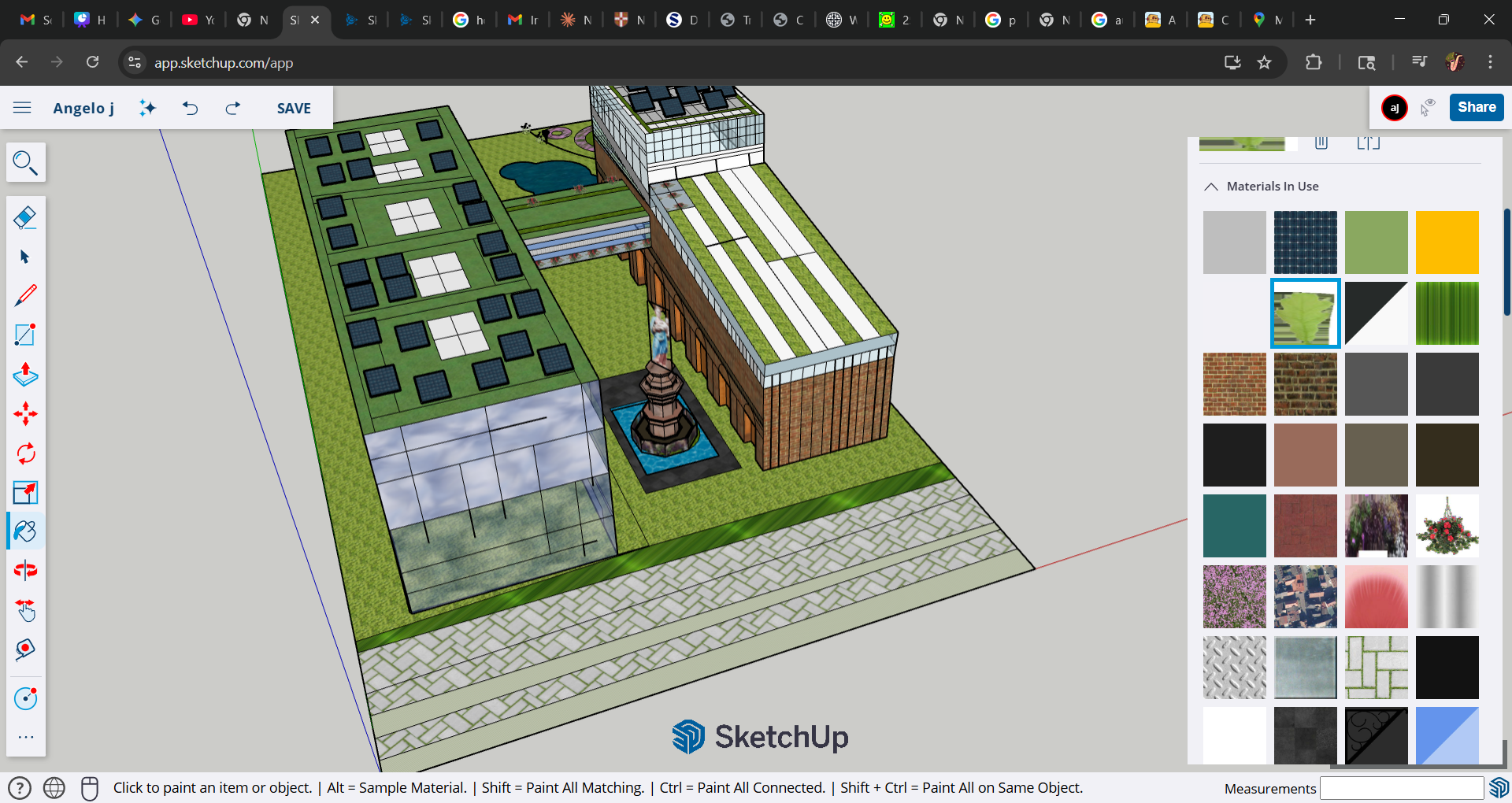

I use Sketchup for the models and you can see it in different aspect and alsso put in solar panel for energy efficient and sustainability . and there's the link : https://app.sketchup.com/share/tc/northAmerica/v8cArH5dum8?source=web&stoken=UmT7Ask_E-_Ld8cGmi8ILvDDrmb55Rhj_59k2o9PZUDttAbxflHKOjYz0axOcTyE
I did this project because i think there’s is a essential school in this community
Thank you to give me this opportunity to show my knowledge
All of the Document and Real Project


.jpg)


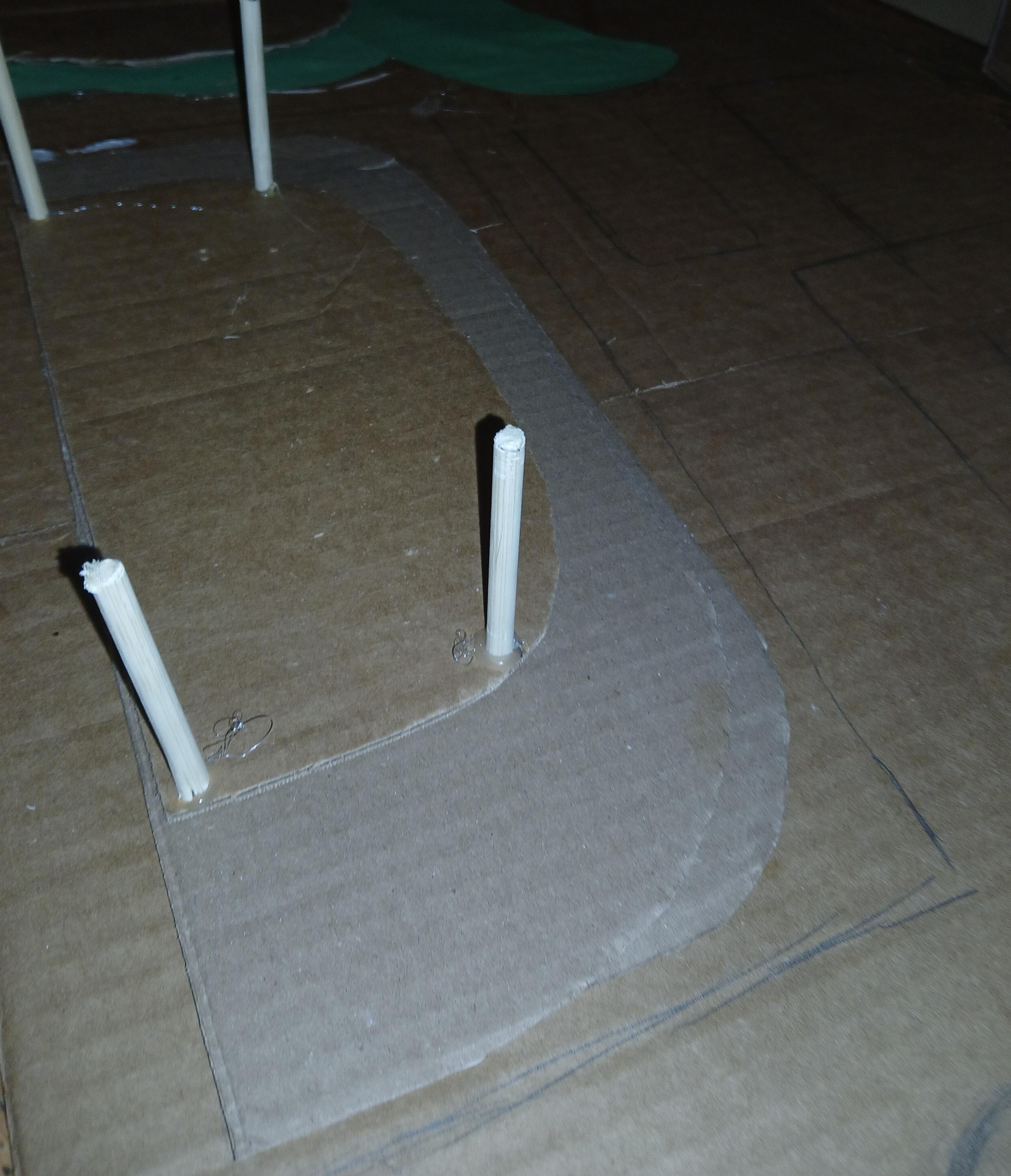
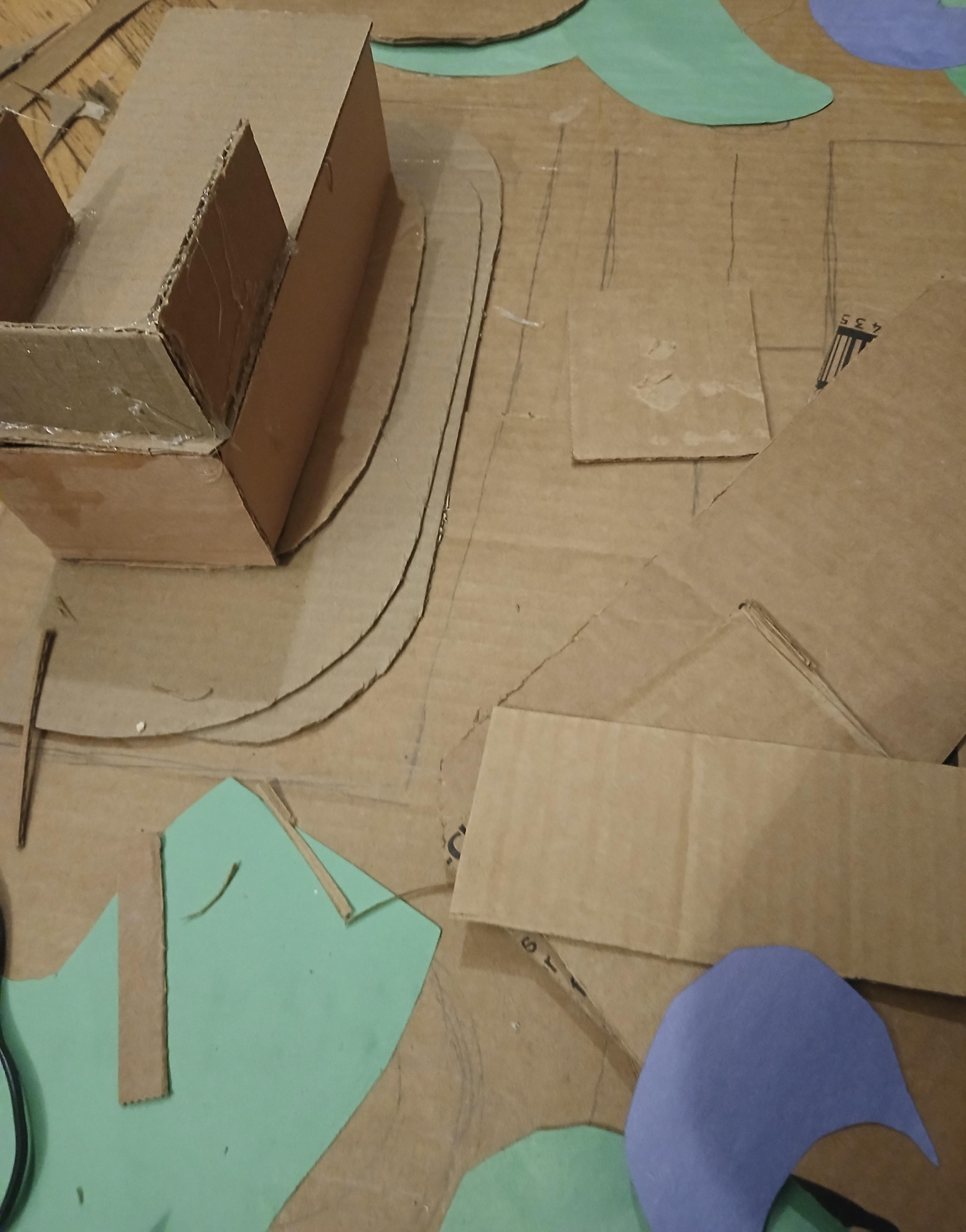
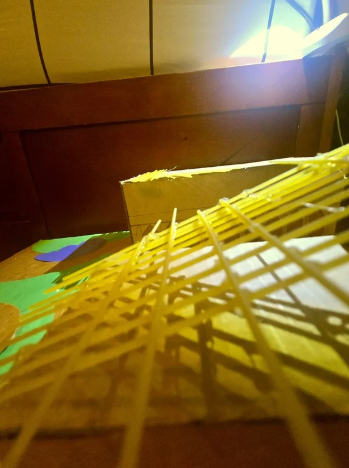
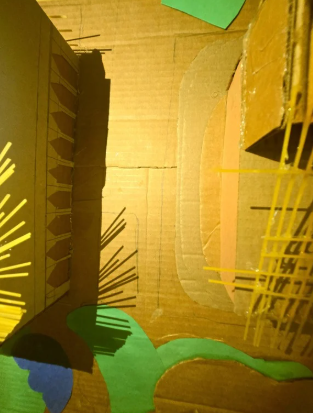
i use carton and spaghetti to do the models and reinforce each cone with a wood stick and ielevate the building cause of flooting factor
Thanks
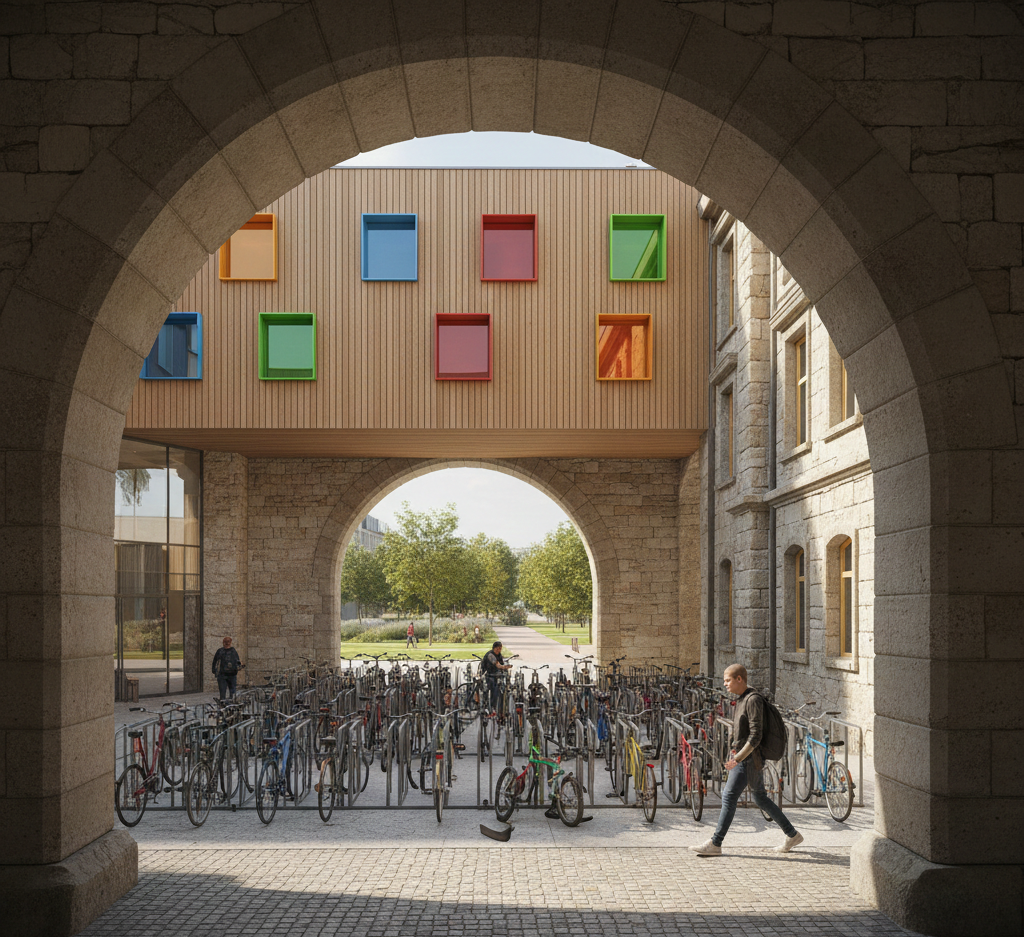

I did this project because i think there’s is a essential need of a school in this community where studentts can work at the same time in some store include in their campus
Thank you to give me this opportunity to participate in this contest, by participate i did a lot of research about architecture system and also how to use some software the hard one was revit personally but it good to know more he physical models is not at the top but i enjoy this project .
HAPPY NEW YEAR
This is the prentation file