How to Cool Monitor - PC Monitor Cooler V2.0
by SHAMAN in Circuits > Computers
162 Views, 0 Favorites, 0 Comments
How to Cool Monitor - PC Monitor Cooler V2.0
The Heat Death of Electronics
"Have you ever touched the back of your monitor or screen? If it’s a modern IPS or OLED panel, it’s probably burning hot—around 43°or more. Manufacturers tell us this is 'normal.'
But as an engineer who hates e-waste, I know that for every 10°C you lower the temperature of a capacitor, you double its lifespan. By running our screens this hot, we are slowly cooking them to death.
My previous monitor died after just 3 years. I refused to let my new one suffer the same fate.

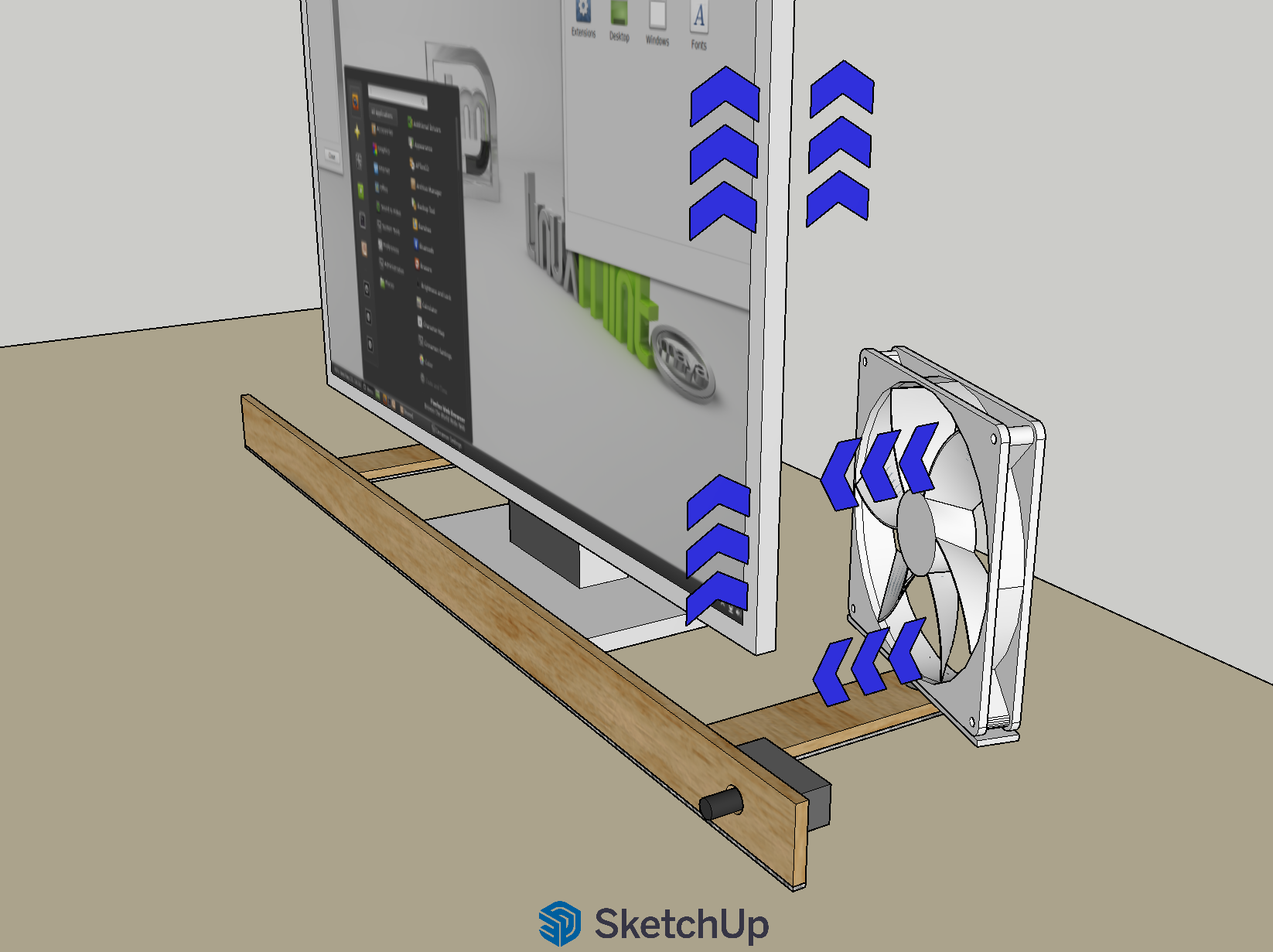
The Flux-Arm. A magnetic, wooden, silent cooling array that 'snaps' together, blends into a wooden desk setup.
The 360° Air-Jacket Effect: Unlike standard cooling which only blows on the back plastic, the Flux-Arm creates a continuous stream of air. It cools the rear electronics, passes under the monitor, and is then deflected upwards by the Front Curtain to wash cool air over the screen surface. This attacks the heat from both sides—saving the capacitors in the back and the pixels in the front.
The Result:
- Before: 43°C (Hot to the touch)
- After: 27°C (Cooler than my hand)
- Noise: Silent (running at 40% speed)
Supplies

- 2x 120mm/140mm Silent Fans (Arctic P12/P14 recommended but any pc case fans can be used).
- USB-C PWM Fan Controller.
- Wood strip (Pine, Oak, or Plywood).
- 6x Neodymium Disc Magnets.
- Self-Adhesive Metal Tape .
- 2mm Industrial Felt.
- dust filter mesh
The Fans
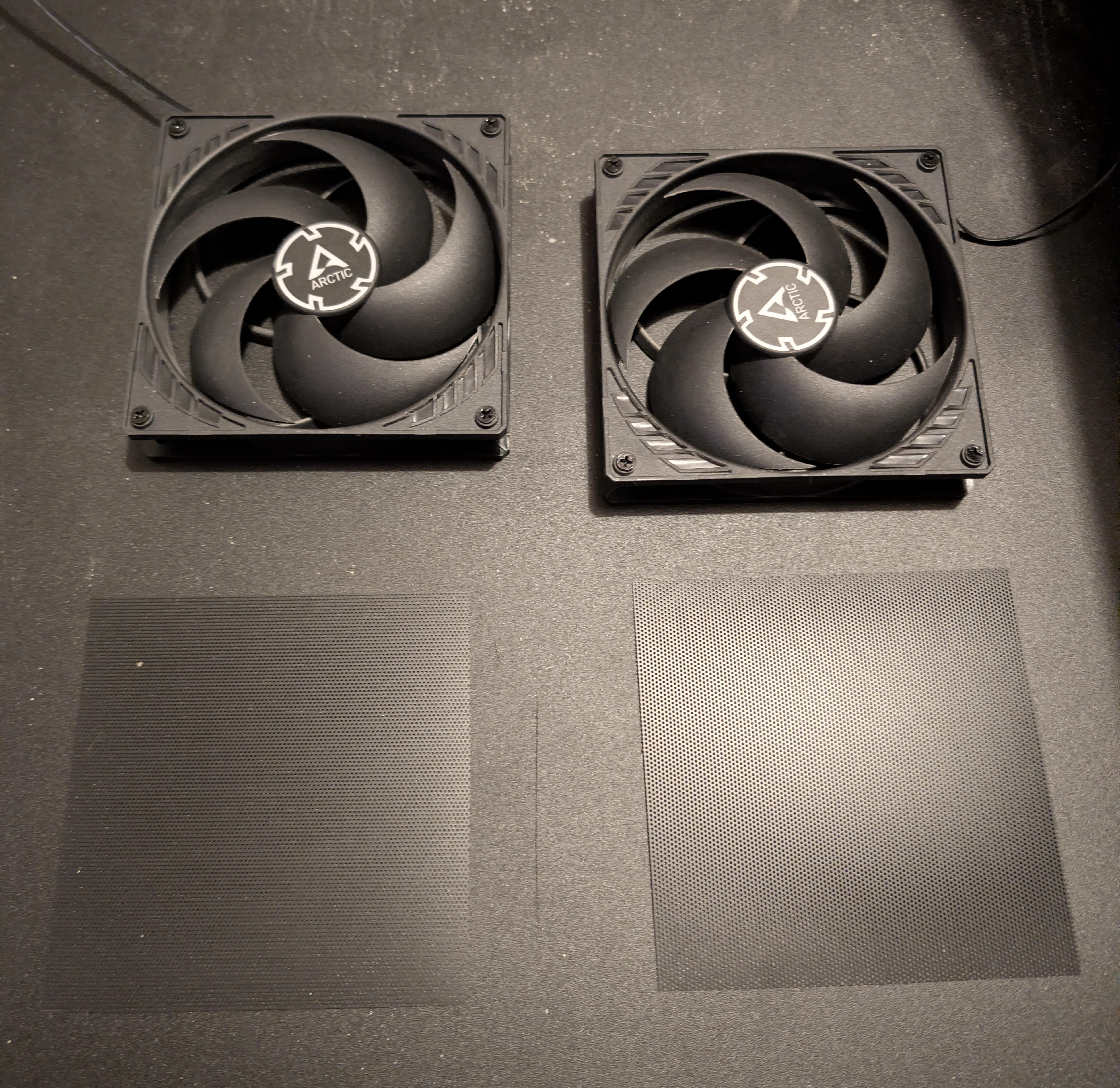




Cut dust mesh and attach to fans using little magnets. Use the fan screws as dust mesh base.
Use layers of metal tape and stick it to the fans bottom. It's invisible, weightless, and magnetic enough to hold.
The Woodwork (The Chassis)


The cut wood pieces (Arms, Curtain).
My front curtain is 65cm long and 4cm high, two arms 15cm long with rounded ends (use furry assistant if around :D) .
Simple cuts. No complex joinery.
Sand it using sanding paper.
Anti Vibrations Felt


Cut 2mm thick felt in the shapes of front curtain and arms bottoms. Using the double sided sticky tape attach felt to timber parts.
The "Flux-Lock" (Magnet Assembly)




Using super glue stick magnets in specific places (check magnetic sides before glueing)
PWM Controller (USB C Powered)


Drill the hole for PWM fans speed controller knob in the front curtain and attach controller using super glue.
The Assembly

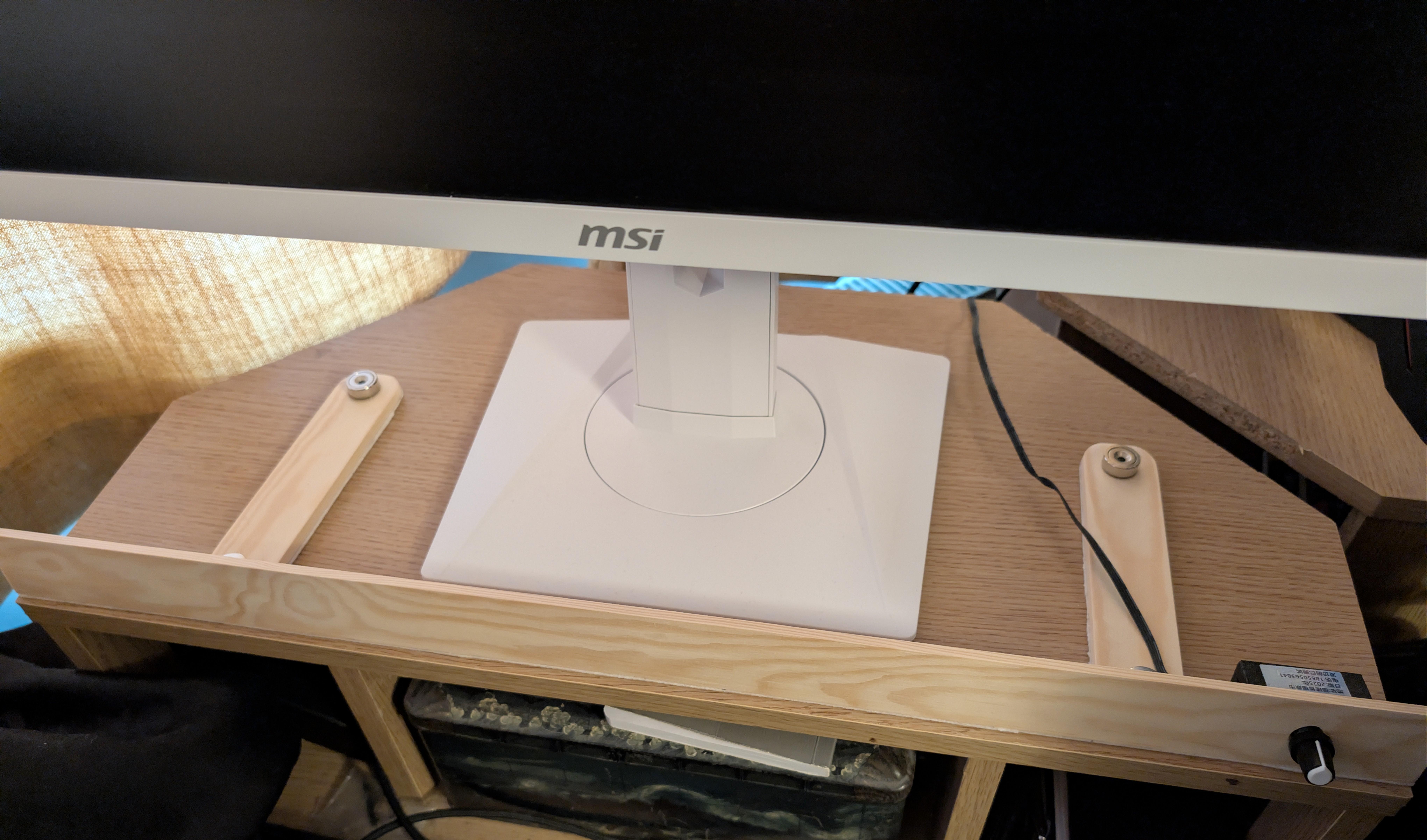




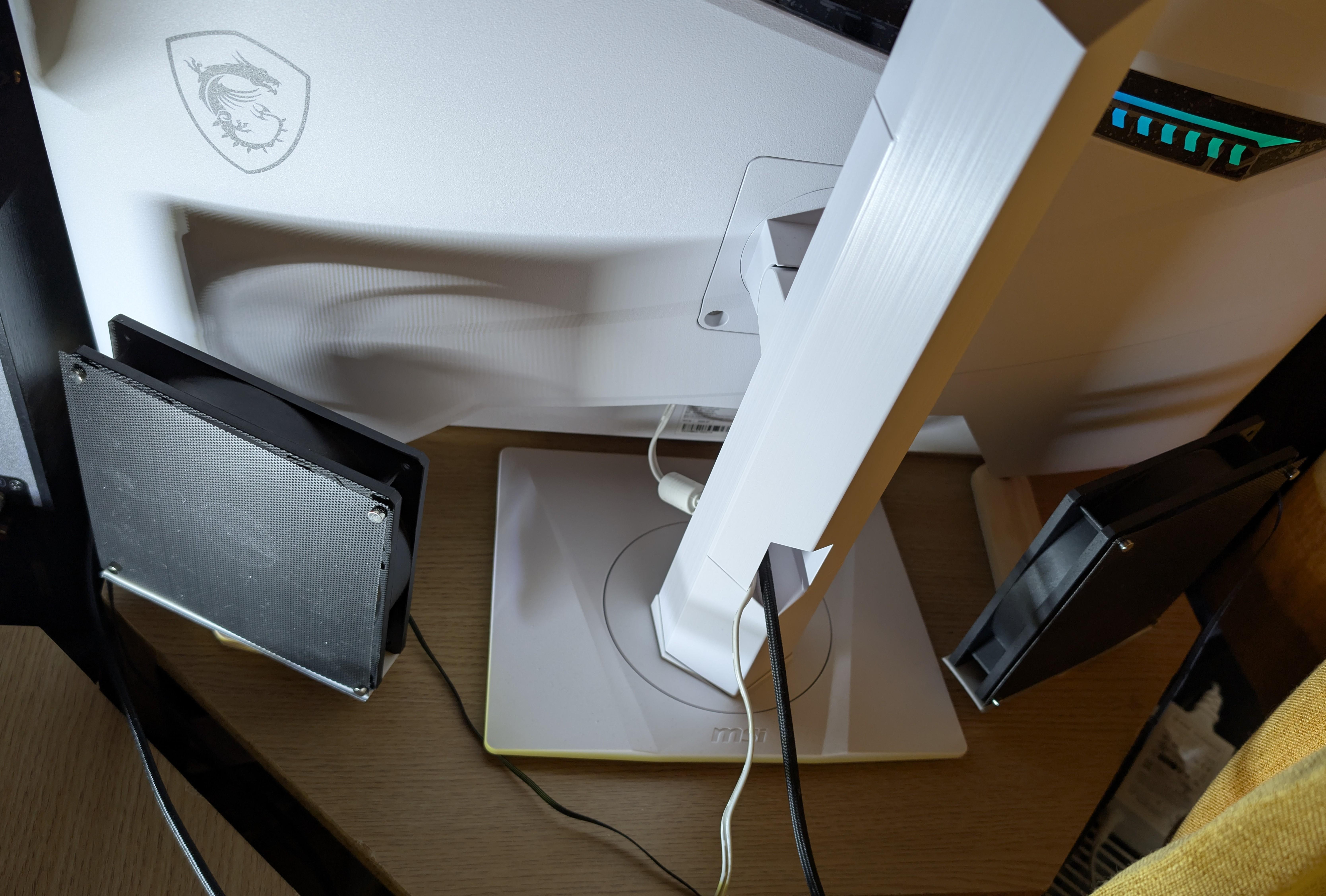
Snap arms to front curtain magnets together. Place the fans on arms magnets and connect cables. Adjust front curtain angle, fans blowing directions and speed.
Downloads
The Results
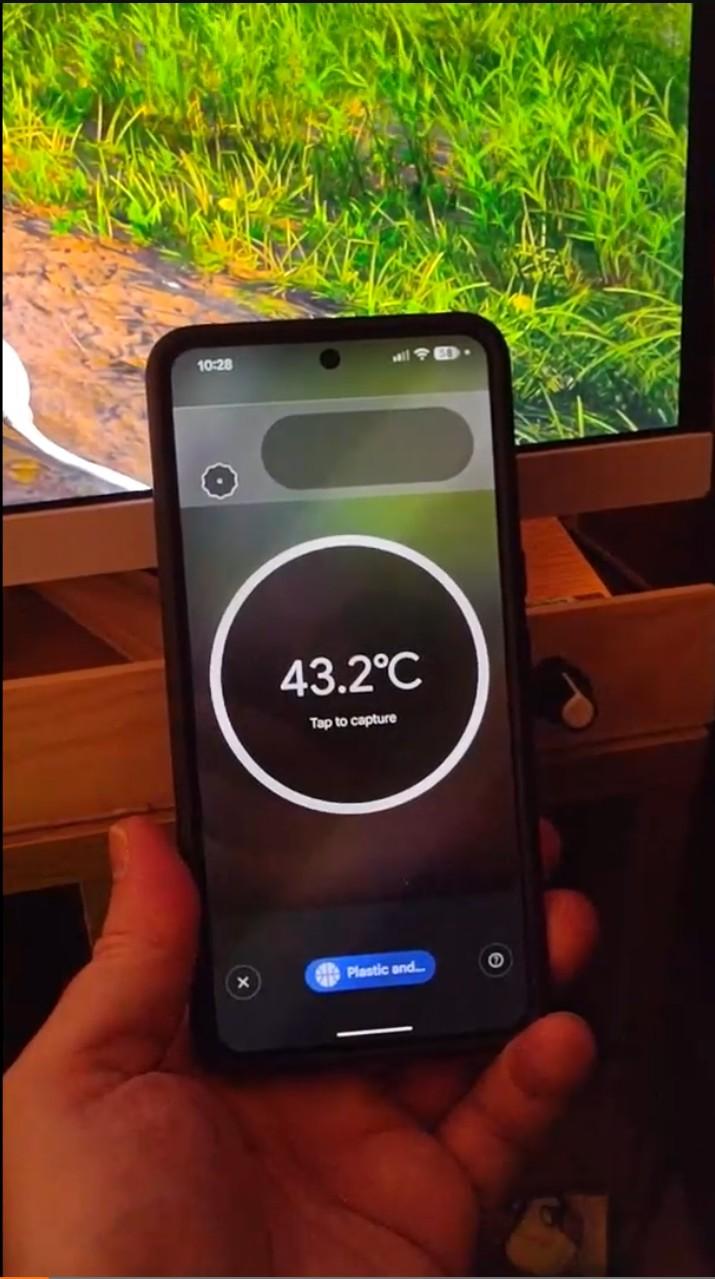
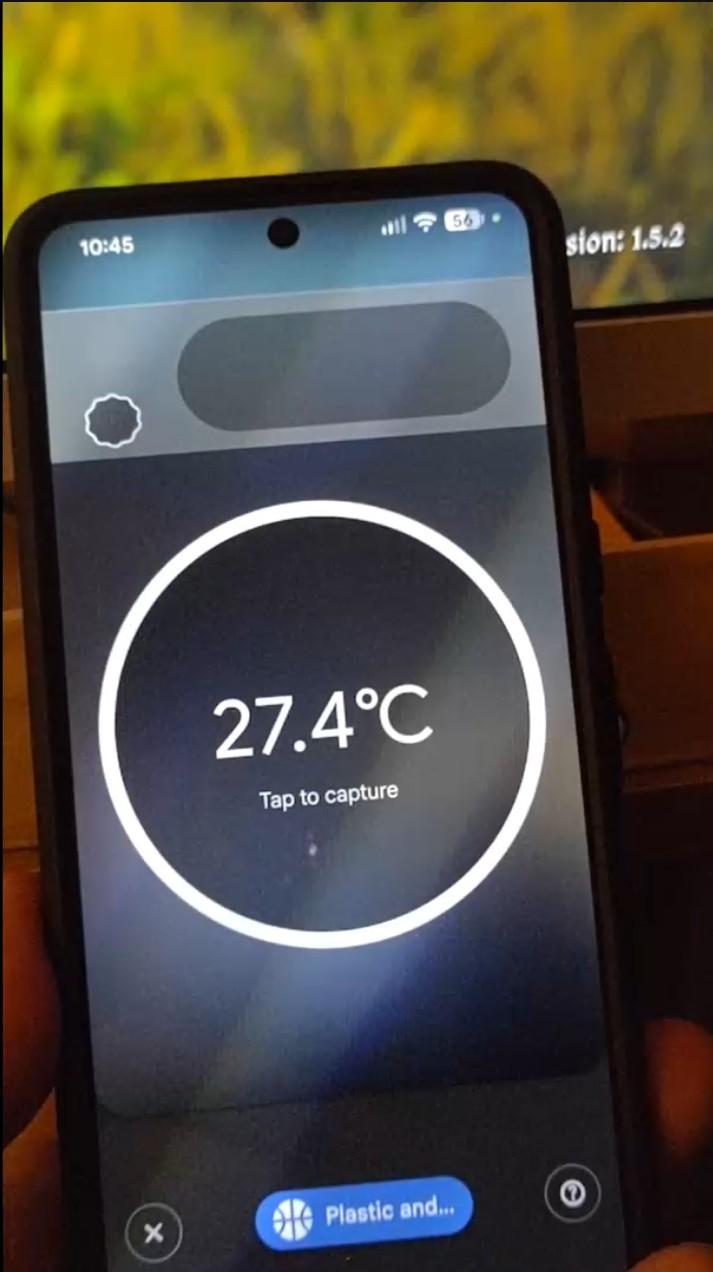
I measured temperatures (43C device OFF and 27C when device is ON) using Google Pixel smartphone thermometer in 20 Celsius room temperature and 40% of fans speed.
In electronics engineering, there is a generally accepted rule called the Arrhenius Law of reliability, or simply the "10-Degree Rule." It states that for every 10°C you lower the temperature, you double the lifespan of the capacitors.
"Active Airflow & Corrosion Prevention: While temperature reduction is the primary goal, the Flux-Arm also serves as an active dehumidification system for the micro-climate inside the monitor chassis.
- Disrupting the Boundary Layer: In static environments (high humidity), a thin layer of stagnant, moist air forms directly on the PCB (Printed Circuit Board). This moisture interacts with dust to form Hygroscopic Crusts—basically wet conductive dirt that causes short circuits. The constant laminar airflow disrupts this boundary layer, preventing moisture accumulation.
- preventing Dendritic Growth: High humidity accelerates Electromigration (metal atoms moving due to electric current), which leads to 'dendrites'—tiny metal whiskers that grow between contacts and cause catastrophic failure. By maintaining active ventilation, you lower the relative humidity at the board level, significantly slowing down this chemical corrosion."
Downloads
The Executive Finish (Optional)
At this stage, your cooler is fully functional and ready to save your screen. However, if you want it to look like a piece of high-end furniture rather than a workshop project, I highly recommend applying a coat of 100% Tung Oil or Danish Oil.
Not only does this protect the wood from humidity, but it also darkens the grain, making the device blend in perfectly with walnut or oak desks. I am waiting for my oil to arrive, but even in raw pine, the minimal design looks clean and intentional.