Three-axis Robotic Arm


I built this robotic arm specifically as a research platform for my project, “Comparative Study of Adaptive Robotic Arm Grasping with Human-Like Capabilities.” It is designed to test and compare different adaptive grasping methods (fixed settings, vision-based adjustment, and tactile feedback) across different cup materials. At the same time, I also want to open-source the arm so other makers and students can build it, reuse it for their own experiments, and extend it with new sensors, control logic, or applications.
I’ve also included my research paper and presentation slides (PPT). If you’re interested, you can download them to review the full study, learn the experimental design, or use them as references for your own projects and improvements.
Supplies



Servo 35kg PRO *6
$192
Unihiker M10
$62.90
Arduino Mega 2560
$49.90
IO Sensor Shield For Arduino Mega
$9.90
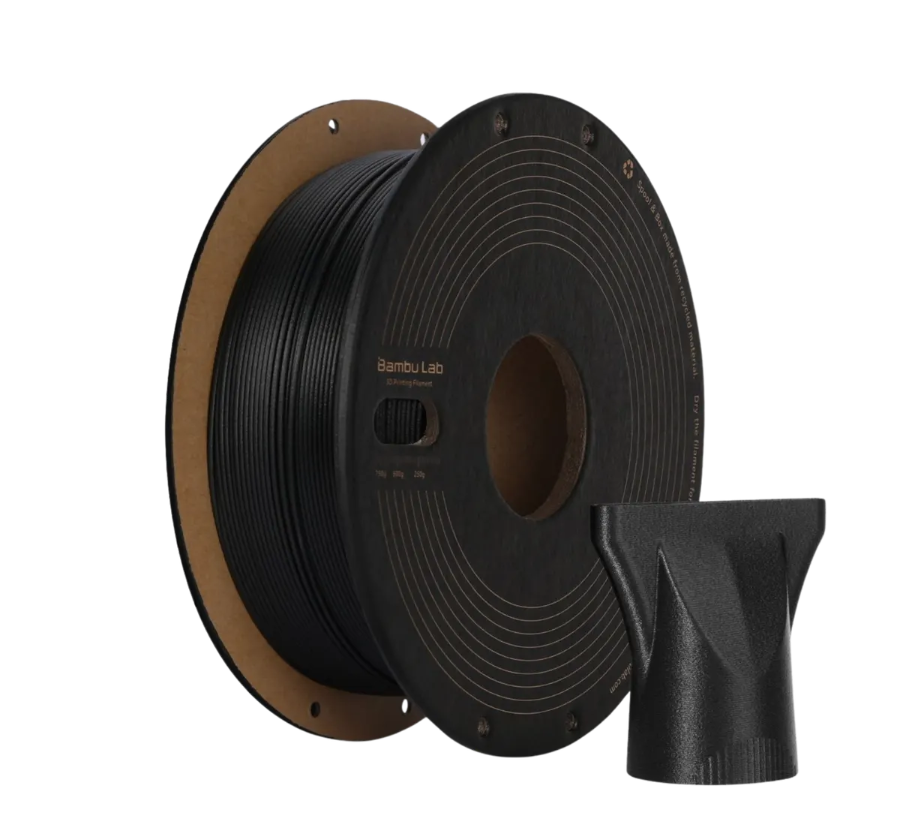
PLA Basic
$19.99
PAHT-CF
$49.99
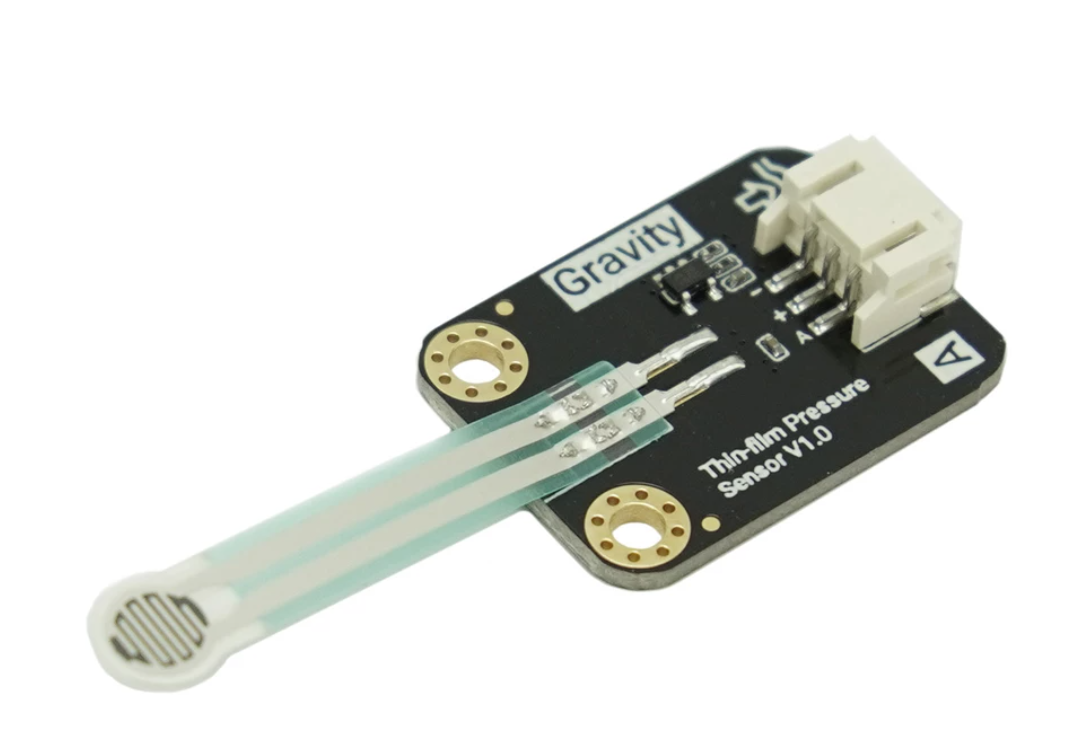
Thin-film Pressure Sensor (Optional)
$4.90
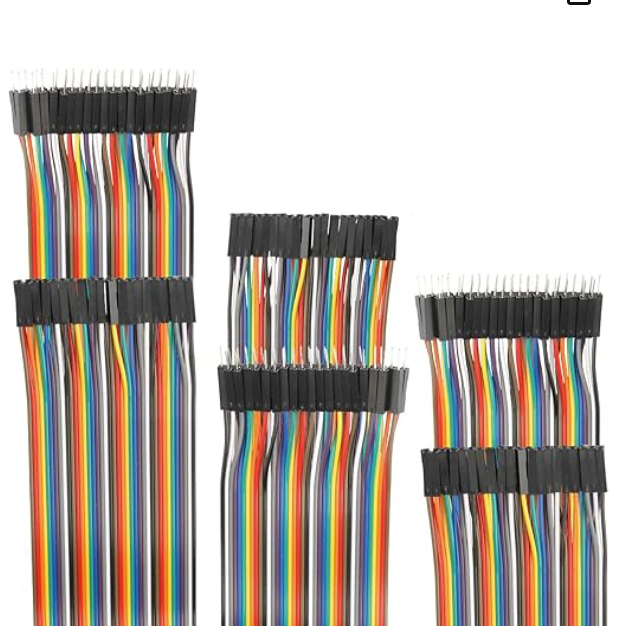
Dupont Wire
M3 Screws
(Detail information including price and link are included in the PDF below.)
Document
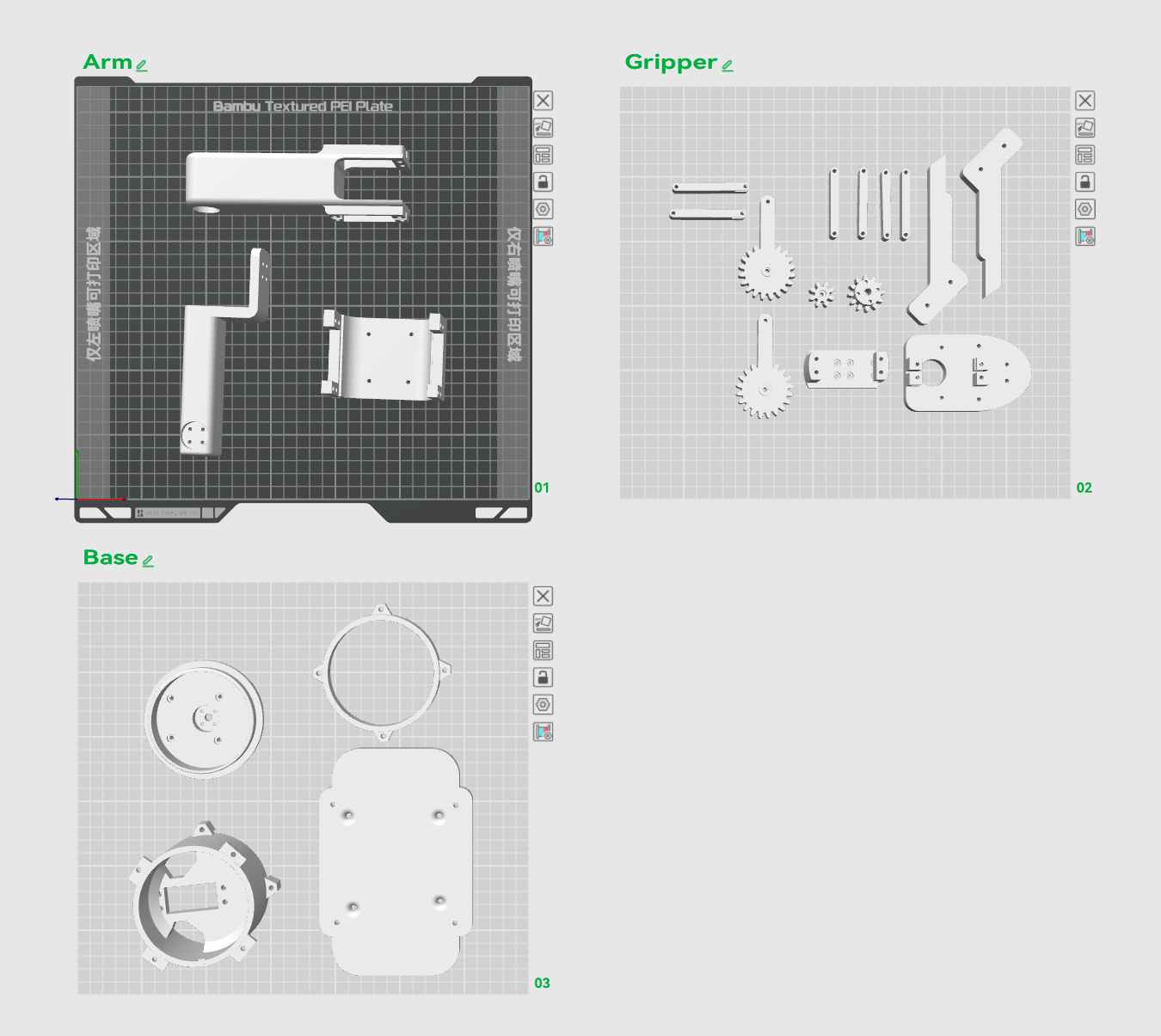

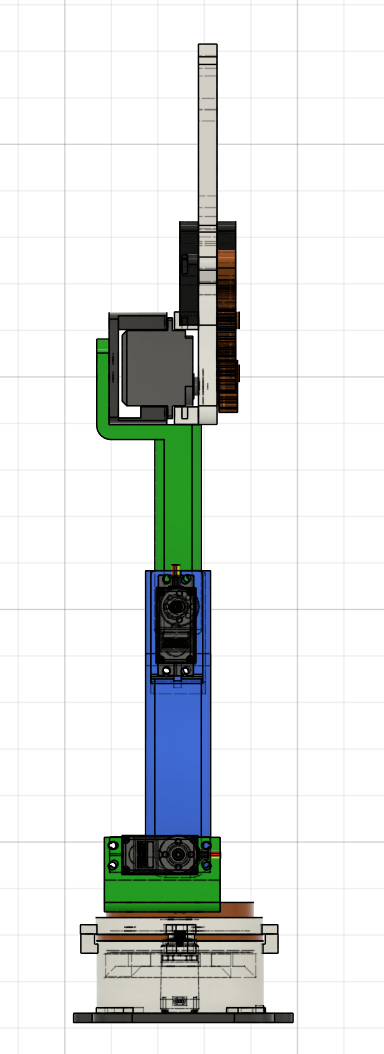


Here are the STEP, f3d, and STL File of the robot arm.
Hardware Connection

This study uses a self-built three-axis robotic arm as the experimental platform. The joints are driven by 35 kg-class servos. The middle arm and upper arm adopt a synchronous dual–35 kg servo drive structure to obtain larger output torque, thereby improving posture-holding stability during transportation. The end-effector is a two-jaw, two-finger gripper.
The control system follows an “upper-level decision + lower-level execution” structure. The upper-level controller is a Xingkong M10 running Python, responsible for task flow control and strategy selection. The lower-level controller is an Arduino Mega2560, responsible for driving servos to execute arm and gripper motions. During operation, the M10 sends serial commands to the Mega2560 to trigger actions and complete the grasp-and-place procedure.
Programming
- The .CPP are for the Mega 2560, the .PY are for the M10.
- Dual-board required: This robot arm needs both the Arduino Mega 2560 and the Xingkong M10. They must be connected and both running their programs at the same time, otherwise the system won’t work.
- Tools for tuning/control:
- Angle Set: adjust one servo angle at a time.
- Claw Set: adjust the gripper angle only.
- Robot Arm Set: control the whole arm pose by changing servo angles.
Downloads
Experimental Video
Youtube: https://youtu.be/gPxInTdssOs
Bililbilil: https://www.bilibili.com/video/BV1dGzfBdEzm/?share_source=copy_web&vd_source=cda449dd0d81e71b2f82dfab0a08269f
License & Open-Use Declaration
This project and all related designs, drawings, and information are released under the Creative Commons CC0 Public Domain Dedication.
That means you are free to use, copy, modify, rebuild, or adapt any part of this work for personal, educational, or commercial purposes without any restrictions.
We kindly ask that if you make improvements or new versions, please share your ideas in the comments so others can learn from your work too.
If you have any questions or suggestions, feel free to leave a comment below.
Thank you for watching and supporting this project!
Acknowledgments
.jpg)