Turbo Incense Burner
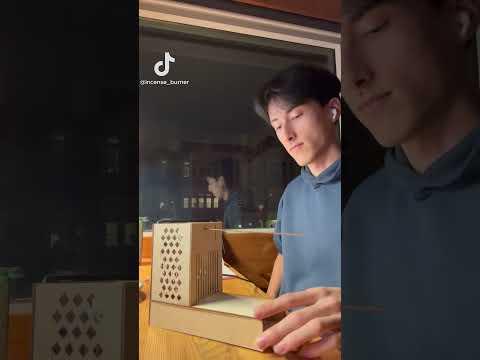
Have you ever looked at your incense burn and thought to yourself that it couldn't be any slower? That it just took way too long? Well here comes your solution, introducing the Turbo Incense Burner!! This product will save you from staring at a burning stick of wood waiting for it to unleash its beautiful scent, instead, you can burn the whole stick in just seconds! This solves everybody's issues with incense, that it simply takes too long of course!!
When you light the candle, the motor begins to run and any incense you place into the feeder will be quickly done away with! The module is able to sense when the candle has been lit through its Photoresistor! This sends a signal activating a Continuous Servo Motor, that will endlessly feed incense through straight into the fire! That is of course, as long as the candle is lit.
This revolutionary design has been brought to you by our ingenious designers, Koji Barnicoat and Giuliano Silli! The Turbo Incense Burner, saving your time and wasting your money since 2026.
Supplies

List of Arduino Kit Components
1x Continuous Servo Motor
1x Breadboard
1x Arduino Nano R4
1x Photoresistor
1x 10kΩ Resistor
8x Wires
List of Additional Components
1.6mm Basswood
Wood Glue/Adhesive
Hot Glue Gun
USB-C Cable
Candle (With a Lighter)
Box Creation

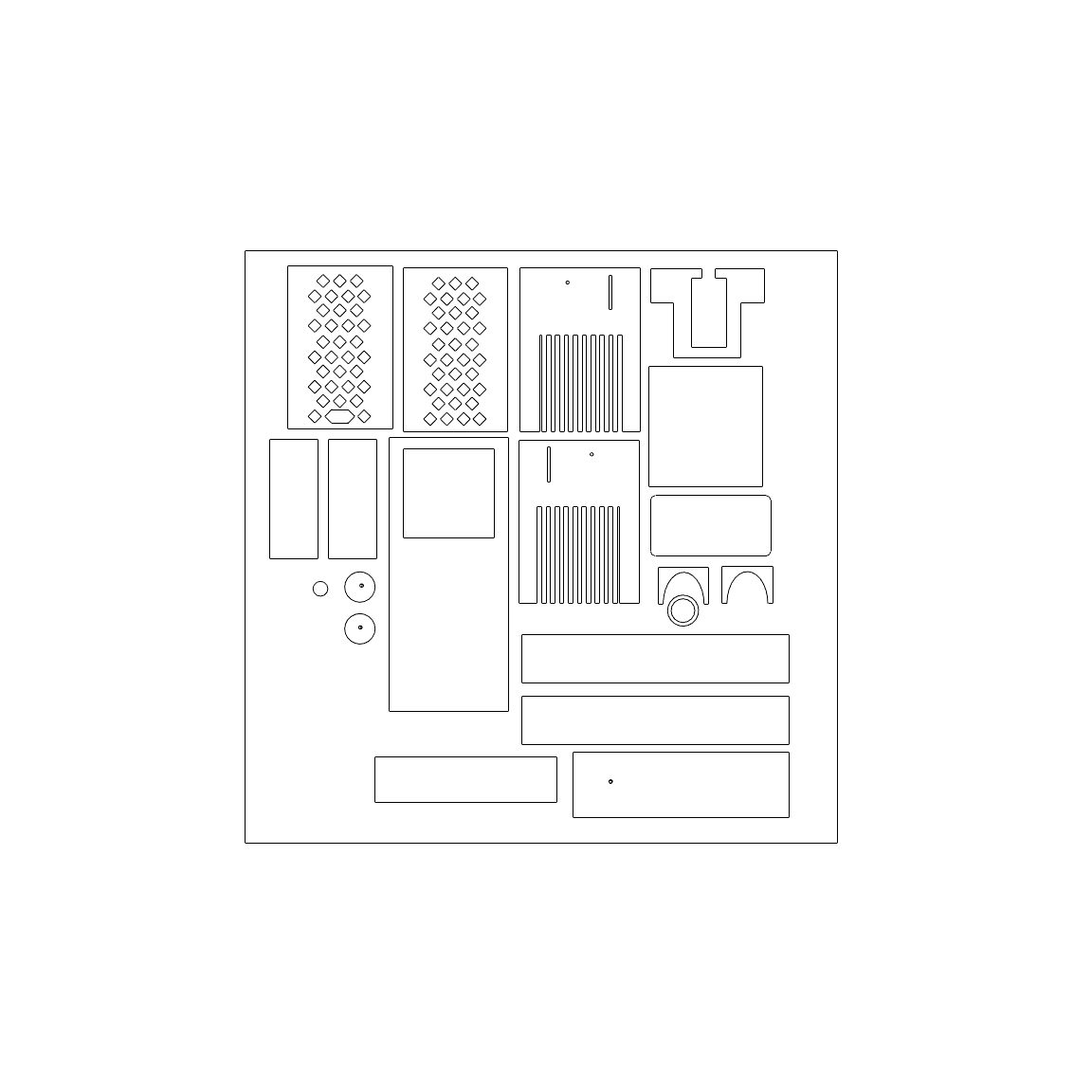


Laser cutting the 1.6mm Basswood using the attached PDF file resulted in the creation of the wooden holster for the incense and Arduino system. Using the wood glue, the assembly process is simple. Make sure the walls with the incense guides line up to ensure the system works effectively!
Downloads
Arduino Setup
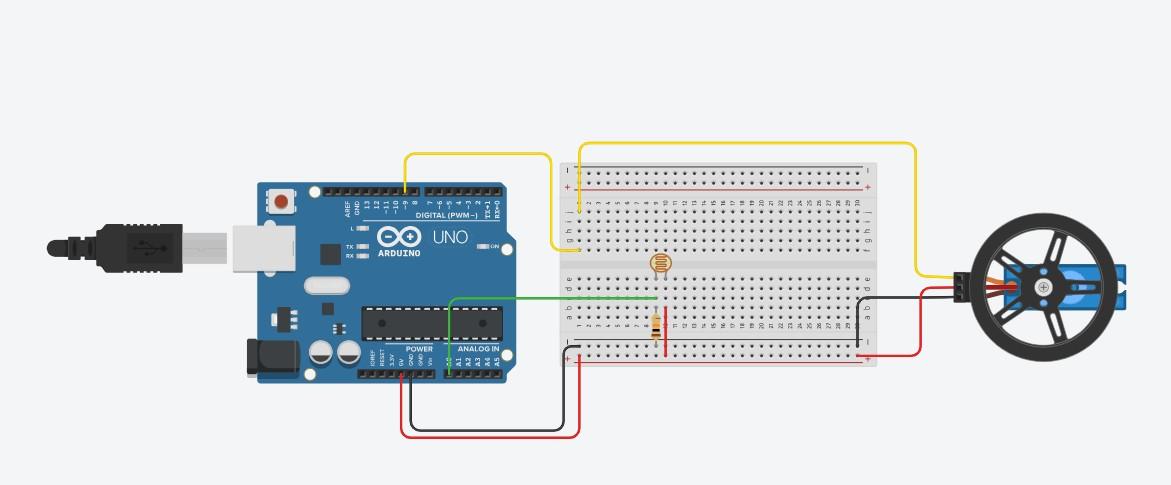


Attach the Arduino Kit Components in the same manner as displayed in this TinkerCAD Mock-up. Attached are some of our own progress photos while completing this process.
In the Arduino IDE setup, used the code given below once the Arduino module is complete. In normal lighting, once this code is uploaded to the Arduino Nano R4, the motor should begin to spin continuously. This is because of the Photoresistor, which activates upon being hit by light at a certain threshold, which can be altered in the code itself.
If adequate lighting and all components are assembled correctly, and the system still does not work, ensure the following:
- Try the assembly process out on TinkerCAD, and see if any issues arise
- The servo motor you are using must be continuous
- Ensure the "Servo" library in the ArduinoIDE software is installed
- Ensure the Arduino Nano R4 is receiving power
Downloads
Combining Processes


.jpg)
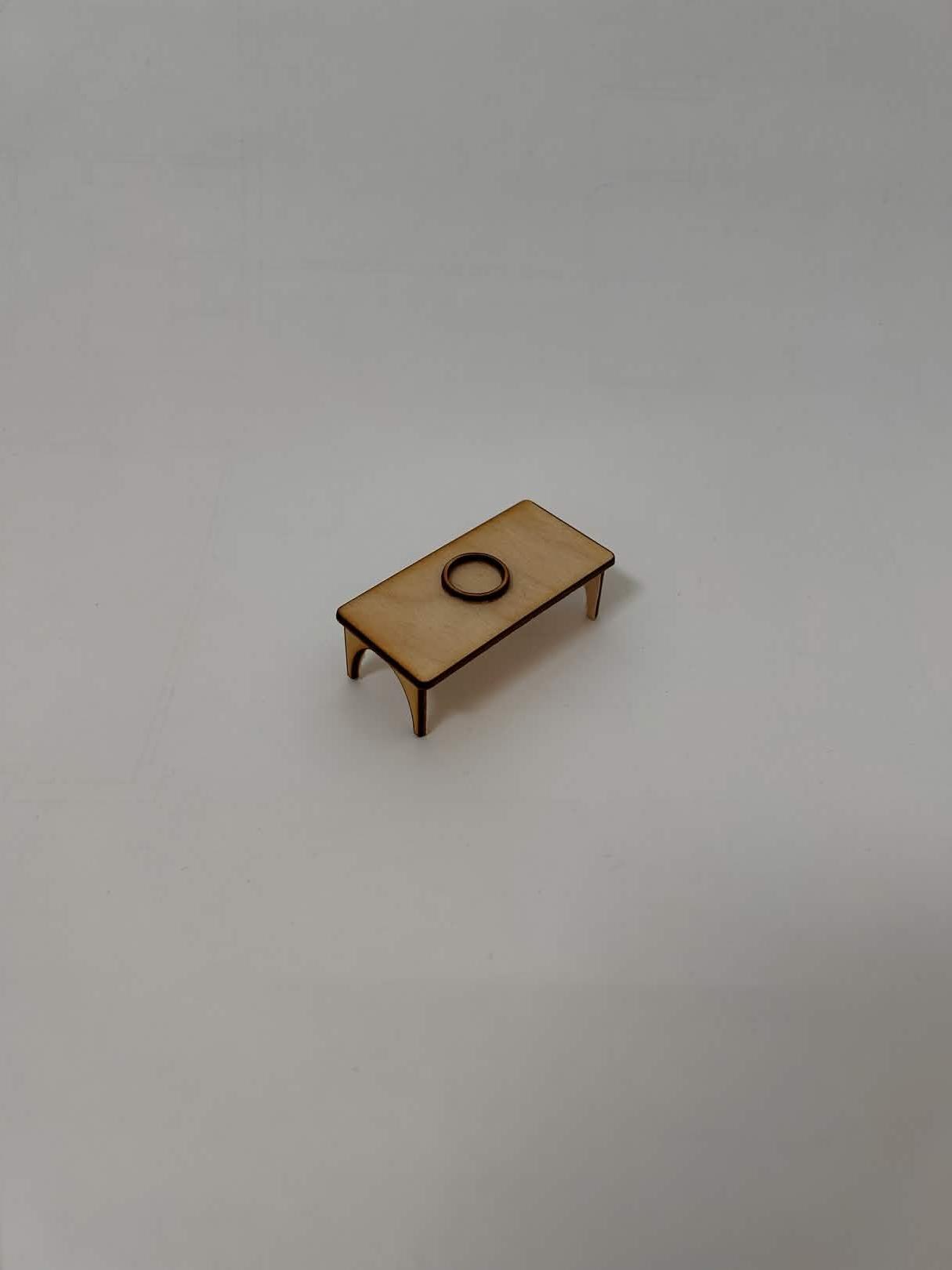
Maneuver the Arduino Components into the Wooden Box from step 1 and put it all together! Place the candle holder approximately 3 inches away from the feeder, and place your candle on top. With that step complete, the Turbo Incense Burner is ready to use!
How We Got Here

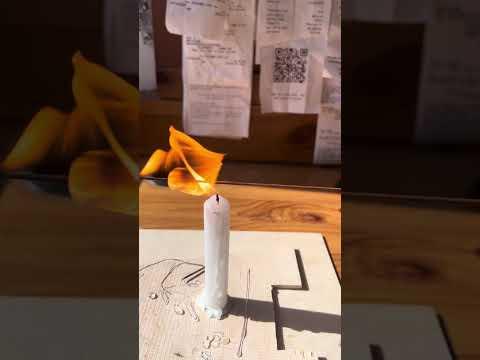
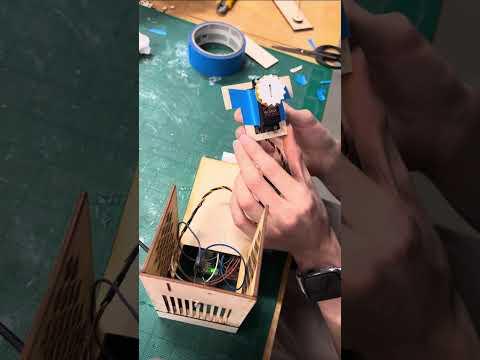
For this machine, we had run through a few other preliminary ideas before landing on the Turbo-Incense Burner. First we looked at a "Toy Story" -like toy, where a character would come to life! That is, until you come near it, to which it lies still. A toy with a secret life would have been fun, but we decided against it. Our second idea was our very own Turbo-Incense Burner! An ironic twist on a slow process, sped up to waste money instead of time. Lastly, we had also thought of making a remote-control car! The twist? The controller was not so remote... In fact, the controls to the vehicle laid atop the car, meaning you had to be right there with it as it moved. This would have been fun to make, but we ultimately decided against this too.
We wanted to explore working against peoples expectations through this project. Lighting incense? A beautiful, peaceful experience. Burning it all in seconds? Hilarious. We played around with burning the materials and testing to make sure our processes worked as intended throughout this process.
Taking a Step Back to Reflect
We were certainly able to capture the main essence of our concept and were able to create a system that burned incense quicker than one might expect, and given more time, we definitely would have further refined the system's ability to burn the entire stick of incense, rather than the incense disengaging from the feeder after a period of time. Additionally, redesigning the module to better incorporate the Arduino components within the system's enclosure instead of hiding it beneath.
Our selection of the photoresistor came from the idea that the light of the candle would insinuate the user's desire to burn another stick of incense. Alternatively, we could have directed the photoresistor to sense when a stick of incense is placed through the feeder, but we were happy with our decision to engage with the flame of the candle.
The choice to make the exterior out of basswood was a risky one to say the least, but given the time constraint, we made it work safely. This was certainly a "proceed with caution" project. If we were to remake the exterior, using a non-flammable material, like ceramic, would obviously be the safer option.
Watch the Incense Burn.
