Understanding Clean Energy: 3D Printed Hydropower Dam
24 Views, 0 Favorites, 0 Comments
Understanding Clean Energy: 3D Printed Hydropower Dam


Intro:
Want to understand how hydropower works? This 3D-printed hydropower dam model teaches you the engineering behind clean energy—step by step. Assemble 8-15 precision-printed pieces and discover how each component plays a role in energy transformation.
What You'll Build:
A fully assembled 8-15 piece hydropower dam model that demonstrates the key components of real hydropower plants: water intake, penstock, turbine assembly, and outlet. Each piece shows you exactly how engineers design systems to harness water's power.
Why This Matters:
Most students never get to see inside a power plant or understand how renewable energy actually works. This hands-on model makes engineering visible and accessible, inspiring curiosity about clean energy and sustainable technology.
What You'll Learn:
- The components of a hydropower system (reservoir, penstock, turbine, generator)
- How engineers design modular, efficient systems
- Why renewable energy is critical for our communities
- Real-world problem-solving through 3D design and assembly
Perfect For:
- Understanding hydropower engineering
- STEM education and classroom demonstrations
- Learning about renewable energy systems
- Exploring careers in engineering and sustainability
Supplies
Structural Pieces (8 Pieces, all of different shapes)
Turbine Assembly (2 pieces, recommended for better visuals):
- Turbine wheel with angled holes (Small cylinder)
- Generator (Thick cylinder)
Optional (3 piece):
- Hinge support piece
- Turbine wheel rotating piece
- Transformer/Powerhouse Model
Building the Right Half - Water Exits the System

Step 1: Building the Right Half - Water Exits the System
What You're Building:
Start with the right half of your hydropower dam. This side shows what happens after water hits the turbine—the exit path and how water safely leaves the system. You'll understand the complete water flow cycle.
The Right Half Pieces (4 pieces):
- Dam wall piece → Connects with the penstock (structural support)
- Penstock section → Channels water down toward the turbine
- Water exit tunnel → The path water takes after hitting the turbine
- Turbine area piece → Where the turbine wheel sits and spins
Assembly Instructions:
- Start with the dam wall piece as your base
- Attach the penstock section to it (this connects the two halves)
- Take the water exit tunnel and slide it into the turbine area piece (this creates the exit channel)
- Attach this assembled tunnel-turbine unit onto the penstock piece
- Check that water flow path is clear from penstock → turbine → exit tunnel
The Water Flow System:
The penstock is a pressurized pipe that forces water downward with tremendous force. When water reaches the turbine blades, it transfers all its kinetic energy to make them spin. But water doesn't just disappear—it must exit the system. The exit tunnel is designed to safely channel water away from the turbine after it's done its job. This prevents water from backing up and damaging the turbine, and it allows the water to return to the river downstream.
Why This Design Matters:
Real hydropower dams must efficiently remove water after energy extraction. If water couldn't exit properly, pressure would build up, the turbine would jam, and the entire system would fail. The exit tunnel is as important as the penstock—it completes the water cycle.
Real-World Connection:
In actual dams, the exit tunnel (called a tailrace) is carefully designed to handle massive volumes of water. Engineers calculate the exact angle and width needed so water flows smoothly without creating turbulence or erosion downstream.
Follow-Up Questions to Consider:
- Why does water need to exit quickly after hitting the turbine?
- What would happen if the exit tunnel was blocked?
- How does the turbine's position affect water flow?
- Why is the penstock angled the way it is?
- What role does the turbine wheel's shape play in capturing energy?
Assembling the Left Half - the Energy Conversion Machine
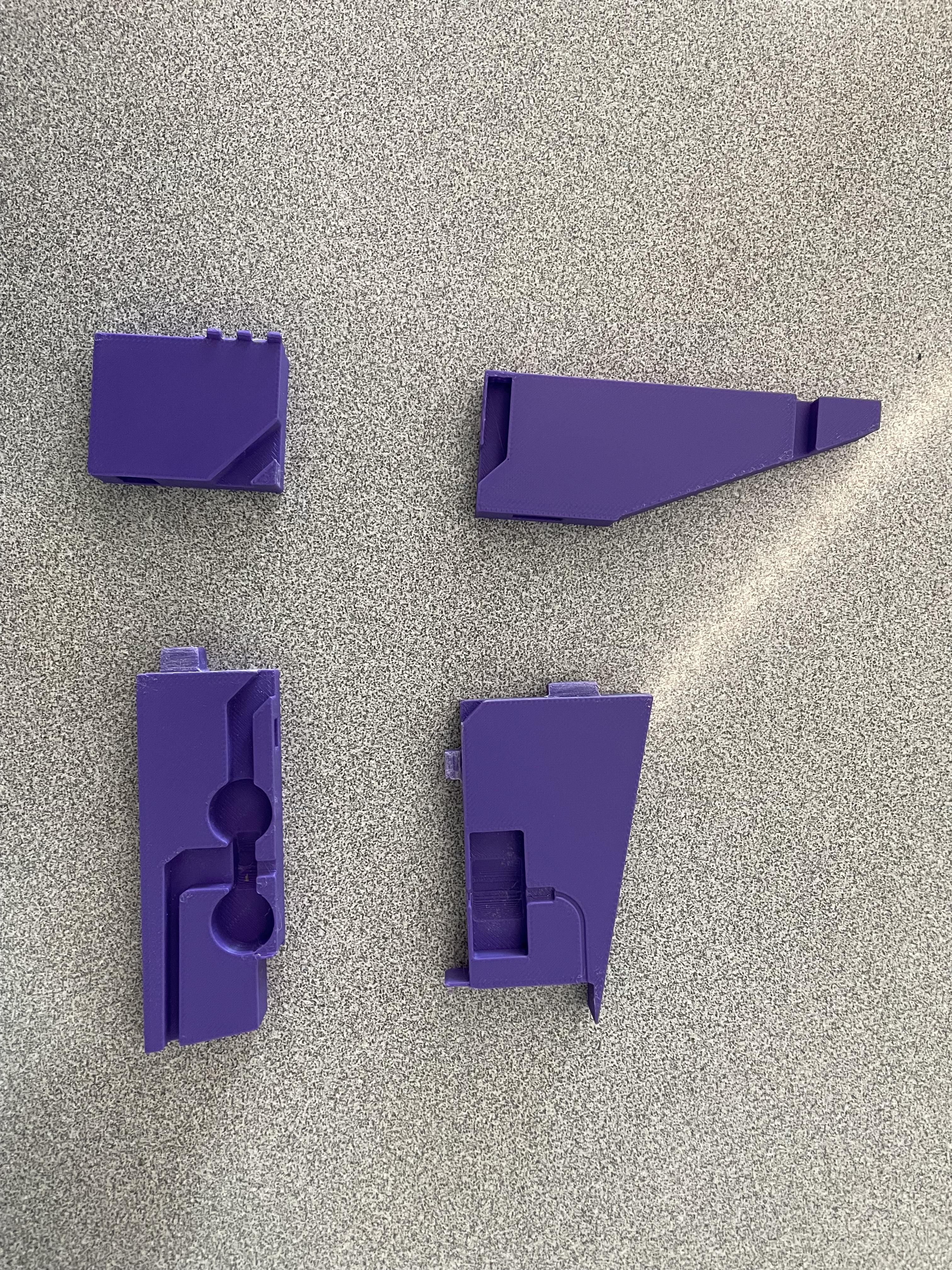
Step 2: Assembling the Left Half - The Energy Conversion Machine
What You're Building:
Now you'll assemble all the right-half pieces together to show how the generator converts spinning motion into electricity. This step reveals the mechanical-to-electrical energy transformation.
The Right Half Pieces (4 pieces):
- Water dam tall piece → Main structural support (vertical backbone)
- Generator holder piece → Attaches to the side of the dam wall
- Turbine area/exit tunnel piece → Sits below the generator
- Penstock area piece → Connects next to the turbine
Assembly Instructions:
- Start with the water dam tall piece as your main vertical support
- Attach the generator holder piece to the side of the dam wall
- Connect the turbine area/exit tunnel piece directly below the generator
- Attach the penstock area piece next to the turbine
- Verify all connections are secure and aligned
The Generator's Role:
The generator is where mechanical energy becomes electrical energy. Inside the generator housing are magnets and copper coils. When the turbine shaft spins from below, it rotates these magnets around the coils, creating a changing magnetic field. This changing field induces an electrical current in the coils—this is the electricity that powers homes and businesses.
The Vertical Connection:
Notice how the generator sits directly above the turbine. A long shaft connects them vertically. When the turbine spins, it directly drives the generator. This is why the generator holder piece must be securely attached to the dam wall—it needs to support the weight and rotational force of the spinning generator without wobbling or misaligning.
Real-World Engineering:
In actual dams, engineers must carefully position the generator directly above the turbine to minimize energy loss during transmission. The stronger and more stable the connection between turbine and generator, the more efficiently mechanical energy converts to electricity. Even a slight misalignment can cause vibrations that waste energy and damage equipment.
Follow-Up Questions to Consider:
- What happens inside the generator when the turbine shaft spins?
- Why does the generator need to be held securely in place?
- How does the magnetic field create electrical current?
- What would happen if the turbine and generator weren't aligned vertically?
- Why is this vertical design more efficient than other arrangements?
Installing the Generator, Transformer, and Turbine

Step 3 (OPTIONAL): Installing the Generator, Transformer, and Turbine
What You're Building:
This step is optional—only do it if you want to see how the internal components work together. If you skip this, your model will still show the complete hydropower system structure.
Now you'll install the internal components that make your hydropower system actually work. The generator, transformer, and turbine are the "heart" of the system—they're what convert water's energy into usable electricity.
The Components You're Installing:
- Turbine wheel → The spinning part that captures water's energy
- Generator → Converts the turbine's spinning motion into electricity
- Transformer → Steps up or steps down the electrical voltage for transmission and use
Assembly Instructions:
- Insert the turbine wheel inside the turbine area piece on one half of your model
- Place the generator inside the generator holder piece on the other half
- Set the transformer on top of the powerhouse structure
- Verify that all components sit securely and can spin freely without obstruction
How These Components Work Together:
The turbine wheel is the first to act—water hits its blades and makes it spin rapidly. This spinning motion travels up the shaft to the generator, which uses magnets and coils to convert that mechanical spinning into electrical current. The electricity produced by the generator is then sent to the transformer, which adjusts the voltage. High voltage is used for long-distance transmission (to carry electricity far without losing power), while lower voltage is used for homes and businesses.
Why the Transformer Sits on Top:
The transformer is positioned on top of the powerhouse because it's the final step before electricity leaves the dam. It's like a "traffic controller" for electricity—it takes the raw electricity from the generator and prepares it for the grid. By placing it on top, you can see how electricity flows upward through the system: turbine → generator → transformer → out to the world.
Real-World Connection:
In actual hydropower plants, transformers are massive pieces of equipment that can weigh hundreds of tons. They're placed in dedicated buildings (substations) near the powerhouse. The transformer is critical because it allows electricity to be transmitted over long distances efficiently. Without it, electricity would lose too much energy as heat during transmission.
Follow-Up Questions to Consider:
- How does the turbine wheel's shape help it capture water energy?
- What would happen if the turbine couldn't spin freely?
- Why does the generator need the turbine to spin?
- What does the transformer do to the electricity?
- Why is voltage adjustment important for electricity transmission?
- How does electricity travel from the transformer to your home?
Understand Your Complete Hydropower System
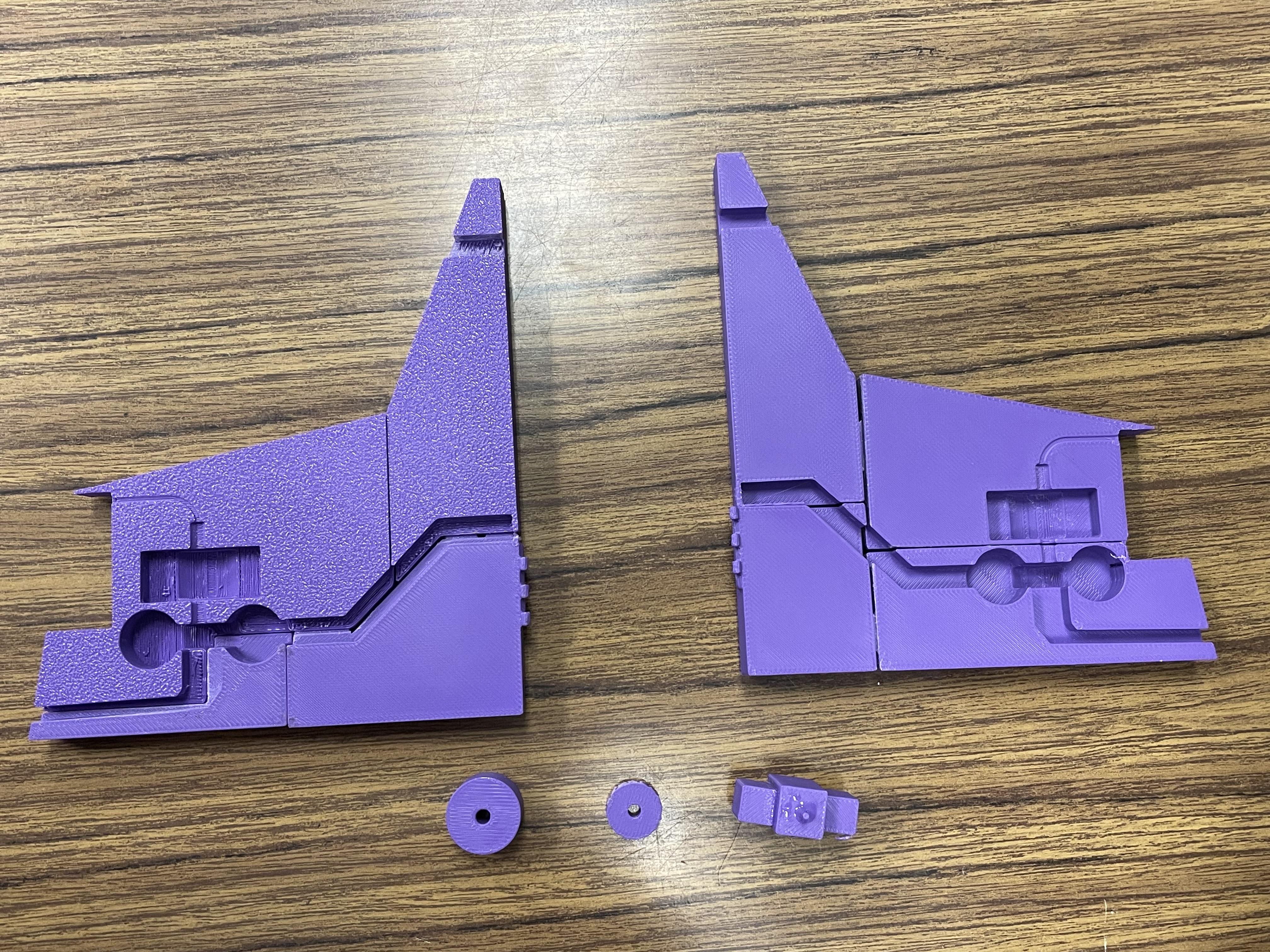
Step 4: Understand Your Complete Hydropower System
What You've Built:
Congratulations! Your entire hydropower model is now assembled. You have a working representation of a real hydroelectric dam. Now it's time to understand how all the pieces work together as one integrated system.
The Complete System Overview:
Your model shows the full energy transformation journey:
- Water Source (Left Half) → Water is stored in the reservoir behind the dam
- Penstock → Water is forced downward through a pressurized pipe
- Turbine → Water hits the blades, transferring its kinetic energy and making the turbine spin
- Generator → The spinning turbine shaft rotates magnets inside coils, creating electrical current
- Transformer (if installed) → Adjusts the voltage so electricity can be transmitted safely
- Exit Tunnel → Water safely exits the system and returns to the river downstream
The Energy Conversion Chain:
Watch how energy transforms at each stage:
- Gravitational Potential Energy (water held high behind the dam) →
- Kinetic Energy (water rushing down the penstock) →
- Mechanical Energy (turbine spinning) →
- Electrical Energy (generator producing current) →
- Usable Power (electricity for homes and businesses)
How Real Hydropower Plants Work:
Your model demonstrates the same principles used in massive dams around the world. The only differences are scale and materials—real dams are made of concrete and steel, and their turbines are enormous. But the physics is identical: falling water spins a turbine, which spins a generator, which produces electricity.
Key Design Features You Can See:
- The Dam Wall → Holds back massive amounts of water, creating pressure
- The Penstock → Channels water with force and precision
- The Turbine Position → Placed where water has maximum velocity and force
- The Generator Above → Positioned to receive spinning motion from the turbine shaft
- The Exit Tunnel → Allows water to flow away safely without backing up
Real-World Impact:
Hydropower is one of the cleanest and most efficient energy sources on Earth. It produces about 16% of the world's electricity. Countries like Norway, Canada, and Brazil rely heavily on hydropower because they have mountains and rivers. Your model shows why: water's gravitational potential energy is incredibly powerful and renewable.
Follow-Up Questions to Consider:
- What would happen if you blocked the penstock?
- What would happen if the turbine blades were shaped differently?
- Why is water pressure so important to the system?
- How does the height of the dam affect electricity production?
- What happens to the water after it exits the tunnel?
- Why is hydropower considered renewable energy?
- How does this compare to other energy sources like solar or wind?
- Could you use this same principle with a river instead of a dam?
Challenge Questions:
- If you doubled the water pressure, what would happen to the turbine speed?
- If the turbine spun twice as fast, how would that affect the generator?
- Why can't you just use any shape for the turbine blades?
- What role does gravity play in making this system work?